The short answer
Winter is quieter but not empty. The jobs that count are pruning apples and pears while they are dormant (but never plums, cherries or other stone fruit, which are pruned in summer), planting bare-root trees, shrubs and roses whenever the soil is not frozen or waterlogged, and protecting pots and tender plants from frost. Beyond that, force a rhubarb crown for early stems, start chitting potatoes in late winter, clean and sharpen your tools, leave seedheads standing for wildlife, and plan and order seeds for spring.
What are the main winter jobs?
Winter runs from December to February here, and most of the useful work is tidying, planting bare-root stock and getting ahead for spring, not fighting the weather. The golden rule is simple: never work soil that is frozen or so wet it sticks to your boots. If the ground is unworkable, there is always a shed, tool or seed-ordering job to do instead. Here is the short list by area of the garden.
| Area | Job |
|---|---|
| Fruit | Winter-prune open-grown apples and pears while dormant (November to early March). Prune plums, cherries and other stone fruit in summer, not now. |
| Fruit | Force an established rhubarb crown: cover it in December or January to pull early, tender stems. |
| Trees and shrubs | Plant bare-root trees, shrubs, hedging and roses whenever the soil is not frozen or waterlogged. |
| Climbers | Give wisteria its second, late-winter prune, cutting summer-pruned shoots back to two or three buds. |
| Roses | Prune climbing roses through winter; prune bush roses in late winter (around mid-February south, March in colder areas). |
| Containers | Move vulnerable pots to a sheltered spot and wrap terracotta against frost; bring hoses and cans under cover. |
| Veg plot | Chit first and second early seed potatoes from late January; sow a few hardy crops such as broad beans under cover. |
| Shed and greenhouse | Clean, oil and sharpen tools, wash pots and clean the greenhouse while there is time. |
| Planning | Plan next year's beds, work out a crop rotation, and order seeds and seed potatoes from a reputable supplier. |
| Wildlife | Leave seedheads and dead stems standing and gather leaves into piles for shelter; keep feeders and water topped up. |
The rest of this guide takes the ones most people get wrong or skip: winter pruning, frost protection, the clean-up, and wildlife.
What should I prune in winter?
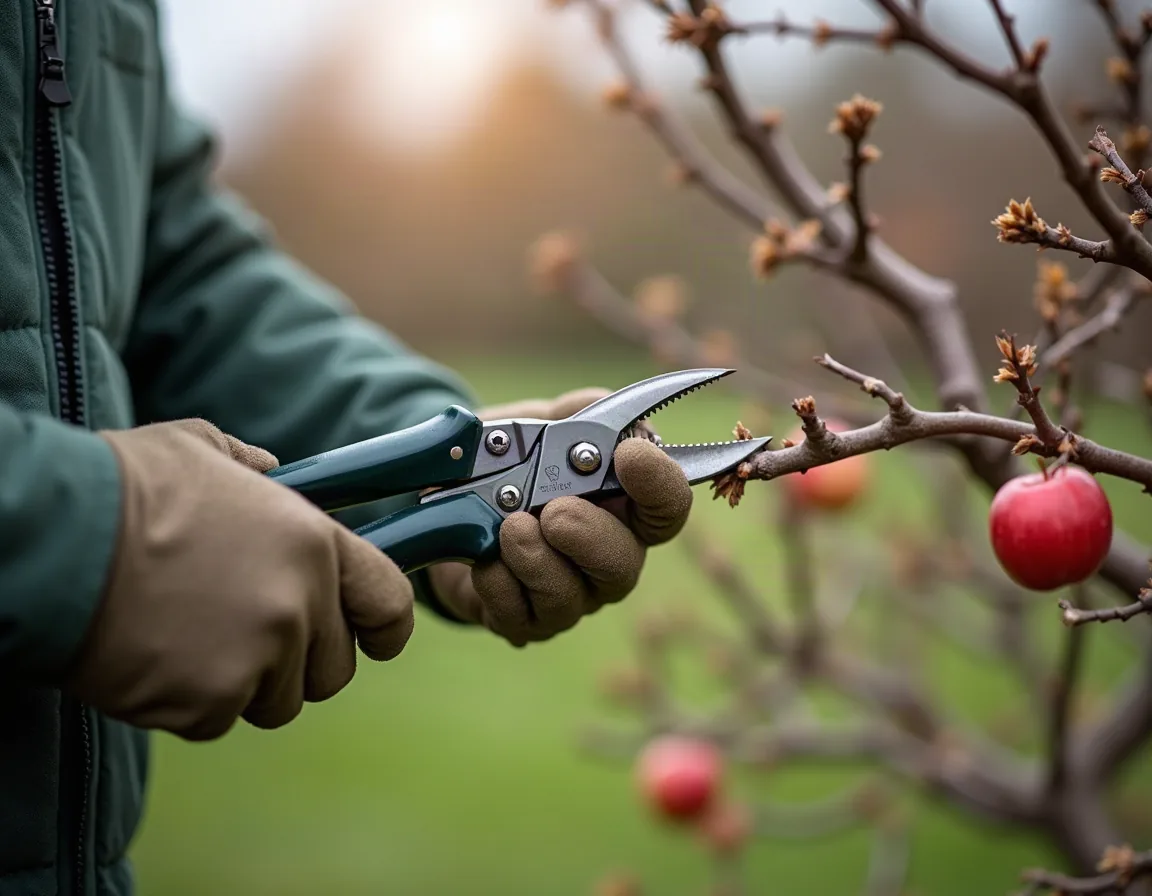
Winter is the main pruning window for open-grown apple and pear trees, done any time from November to early March while the trees are leafless, so you can see the branch structure. Aim to take out about 10 to 20 per cent of the canopy: remove crossing or inward-growing shoots, then shorten last year's growth on the main branches by a quarter to a third, cutting just above an outward-facing bud.
Two more pruning jobs fall in late winter. Give wisteria its second cut of the year in January or February, shortening the shoots you pruned in summer back to two or three buds to build up flowering spurs. And prune roses: climbing roses can be done through winter once the flowers have faded, while bush roses (hybrid teas and floribundas) are best left until late winter as growth resumes, usually around mid-February in the south and into March in colder northern gardens.
Can I still plant in winter?
Yes, and winter is the best time for one kind of planting in particular. Bare-root trees, shrubs, hedging and roses are lifted and sold while dormant, only in autumn and winter, so this is your window. They are usually cheaper than pot-grown plants and establish well, because they go in while asleep.
Plant bare-root stock as soon as it arrives, as long as the soil is workable. The one firm rule: do not plant into ground that is frozen or waterlogged. If you cannot plant straight away, heel the plants into a spare patch of soil, or keep roses in a container of damp compost, until conditions improve. I soak the roots in a bucket of water for about half an hour before planting, which makes a real difference to how quickly they take.
How do I protect plants from frost?
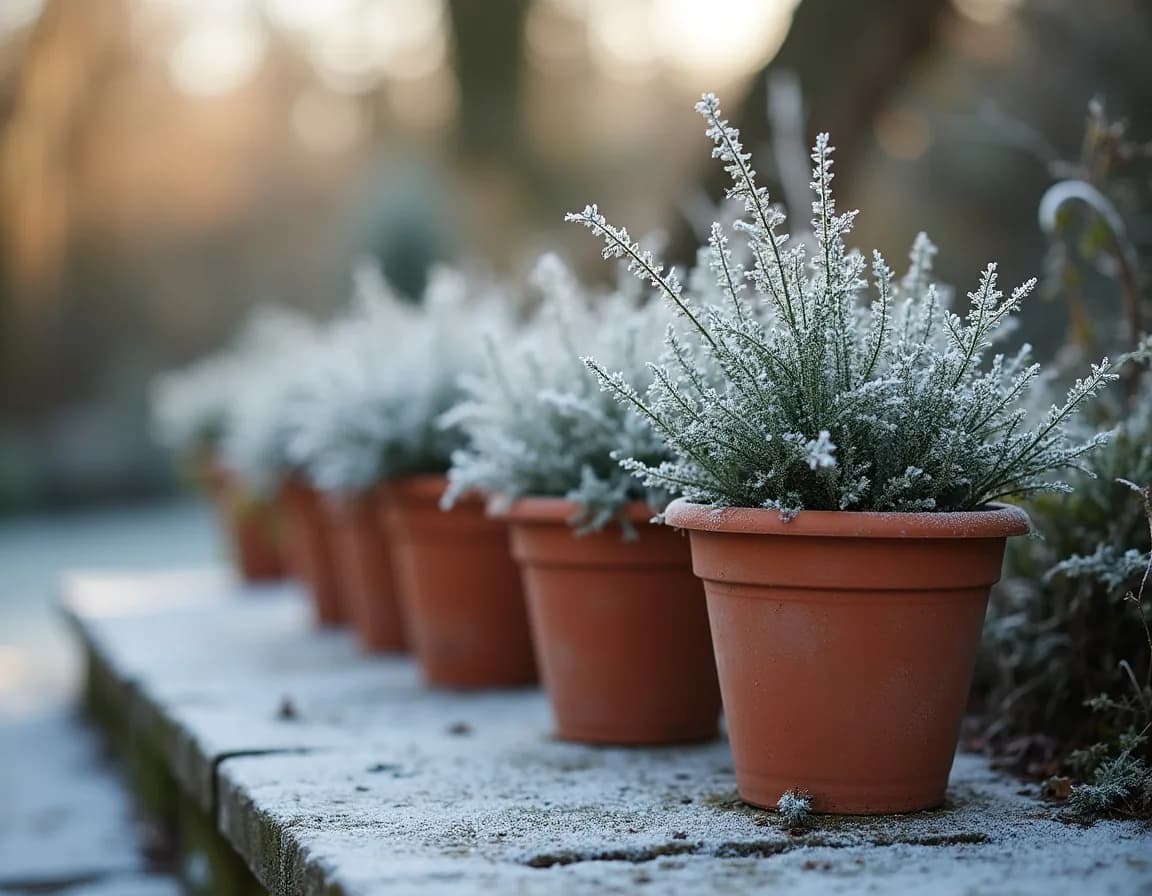
Pots are the vulnerable ones. Roots in a container have far less soil around them than plants in the open ground, so they chill and freeze quicker. In a cold snap, move tender and borderline-hardy pots to a sheltered spot, against a house wall or into an unheated greenhouse or porch.
- Wrap the pots, not just the plants. Terracotta cracks when the compost inside freezes and expands, so wrap vulnerable containers in bubble polythene or horticultural fleece, or stand them on pot feet so they drain and do not sit in icy water.
- Group pots together in a sheltered corner so they shelter each other, and raise them off cold paving.
- Bring the hardware in. Empty and store hoses, watering cans and sprinklers under cover so they do not freeze and split.
For a more tender crop like an established rhubarb crown, winter is also the time to turn frost to your advantage and force it. Cover a healthy, three-year-old crown with a forcing pot, tall bucket or bin in December or January to exclude light, and you will pull pale, sweet, early stems two to three weeks ahead of uncovered plants. Rest that crown for three years before forcing it again. There is more in our guide to growing rhubarb.
What should I do while the garden sleeps?
The jobs that feel like nothing in winter save you hours in spring. This is the season to clean, oil and sharpen your tools, tidy the shed, scrub old pots and seed trays, and wash down the greenhouse glass so more light reaches your early sowings. A clean, sharp spade and secateurs make every later job easier and spread fewer diseases.
It is also planning time. Sketch out next year's beds, work out a crop rotation so you are not growing the same thing in the same spot, and order your seeds and seed potatoes early from a reputable supplier while the best varieties are still in stock. From late January, start chitting first and second early potatoes: stand them eyes-up in old egg boxes in a cool, light, frost-free room, and they are ready to plant once the sprouts reach about 2cm, roughly four to six weeks later. A few hardy crops can be sown under cover now too, such as broad beans in pots or modules in an unheated greenhouse.
How do I help wildlife through winter?
The tidiest garden is the worst one for wildlife in winter, so resist the urge to cut everything back. Leave seedheads and dead stems standing: ladybirds shelter inside seedheads, moth pupae cling to stems, and birds feed on the seeds through the lean months. You can cut it all down in early spring instead.
- Rake fallen leaves off lawns and ponds, but pile them in an out-of-the way corner rather than binning them. The heap shelters hedgehogs, frogs, toads and beetles, and breaks down into leaf mould you can use as a mulch.
- Keep bird feeders topped up, and refresh water daily in frosty weather, as open water is scarce when everything freezes.
- Leave a few windfalls and seedy spent plants where small mammals and birds can reach them.
None of this is wasted time. A garden full of overwintering ladybirds, frogs and birds is a garden with far fewer pests to battle once spring arrives.
Frequently asked questions
Can I prune apple trees in winter?
Yes. Open-grown apple and pear trees are pruned in winter, any time from November to early March while they are dormant and leafless. Take out about 10 to 20 per cent of the canopy: remove crossing and inward shoots, then shorten last year's growth on the main branches by a quarter to a third, cutting above an outward-facing bud.
Why should I not prune plums and cherries in winter?
Plums, cherries and other stone fruit are pruned in summer, never in winter. Winter cuts leave the tree open to silver leaf disease, which spreads most in the colder, damper months. Only apples and pears are winter-pruned. Leave your stone fruit until summer, when the wounds heal fast and the disease is far less active.
Can I plant trees and shrubs in winter?
Yes. Winter is the season for bare-root trees, shrubs, hedging and roses, which are only sold while dormant. Plant them as soon as they arrive, as long as the soil is not frozen or waterlogged. If you cannot plant straight away, heel them in or keep roses in damp compost, and soak the roots for about half an hour before planting.
How do I stop pots cracking in frost?
Terracotta cracks when the compost inside freezes and expands. Move vulnerable pots to a sheltered spot, wrap the containers in bubble polythene or fleece, stand them on pot feet so they drain freely, and group them together out of the worst of the cold. Bring hoses and watering cans under cover so they do not freeze and split.
When should I start chitting potatoes?
Start chitting first and second early seed potatoes from late January in milder areas, up to early March in colder spots. Stand them eyes-up in old egg boxes in a cool, light, frost-free room. They are ready to plant when the sprouts reach about 2cm, which takes roughly four to six weeks, so this fits neatly into late winter.
How we checked this2 sourcesView sourcesHide
Our guides draw on expert bodies like the RHS and Garden Organic, plus experienced growers, read at source. We check every guide against those sources on the date shown, and where advice differs between them, we say so. Garden Plans is published by Limely.
- AuthorityGardening in winter: jobs to do this month, Royal Horticultural Society. Checked 26 Oct 2026.
- AuthorityDecember gardening jobs and winter checklists, Gardeners' World. Checked 26 Oct 2026.