The short answer
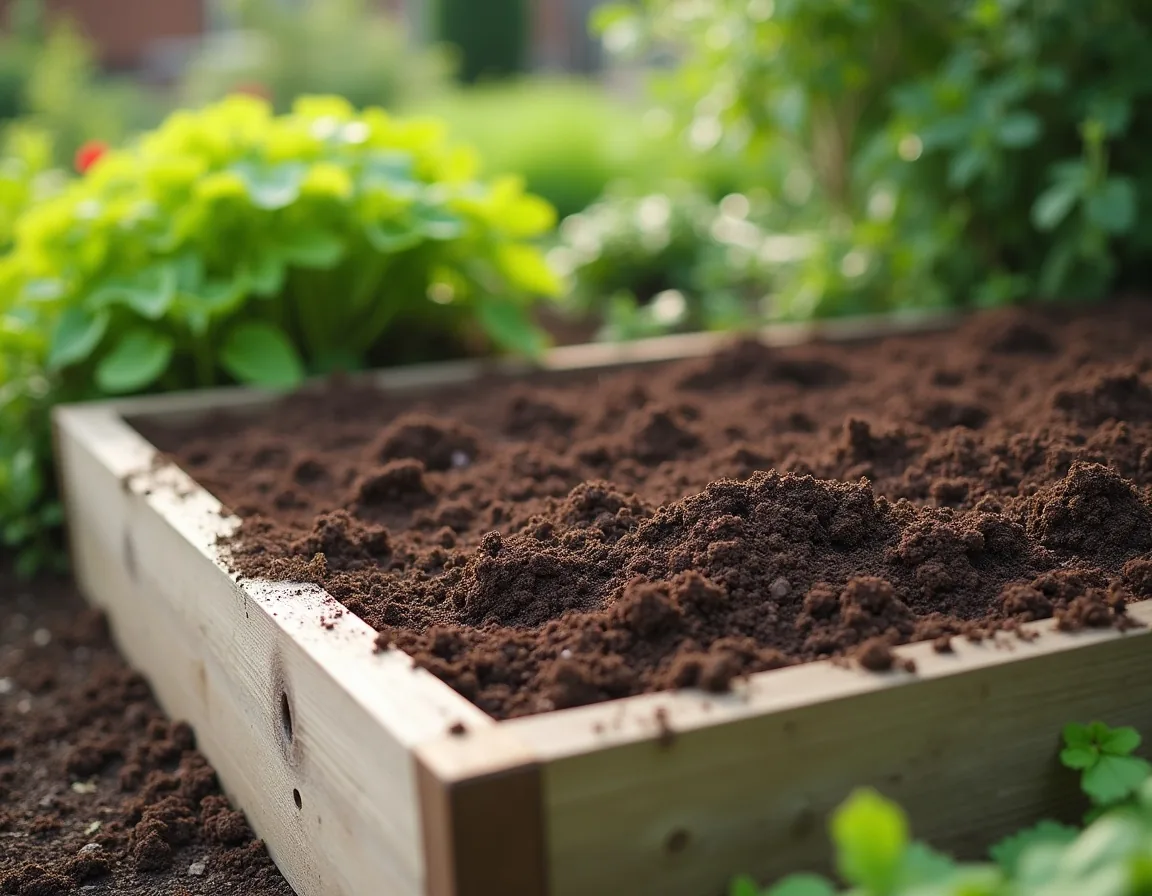
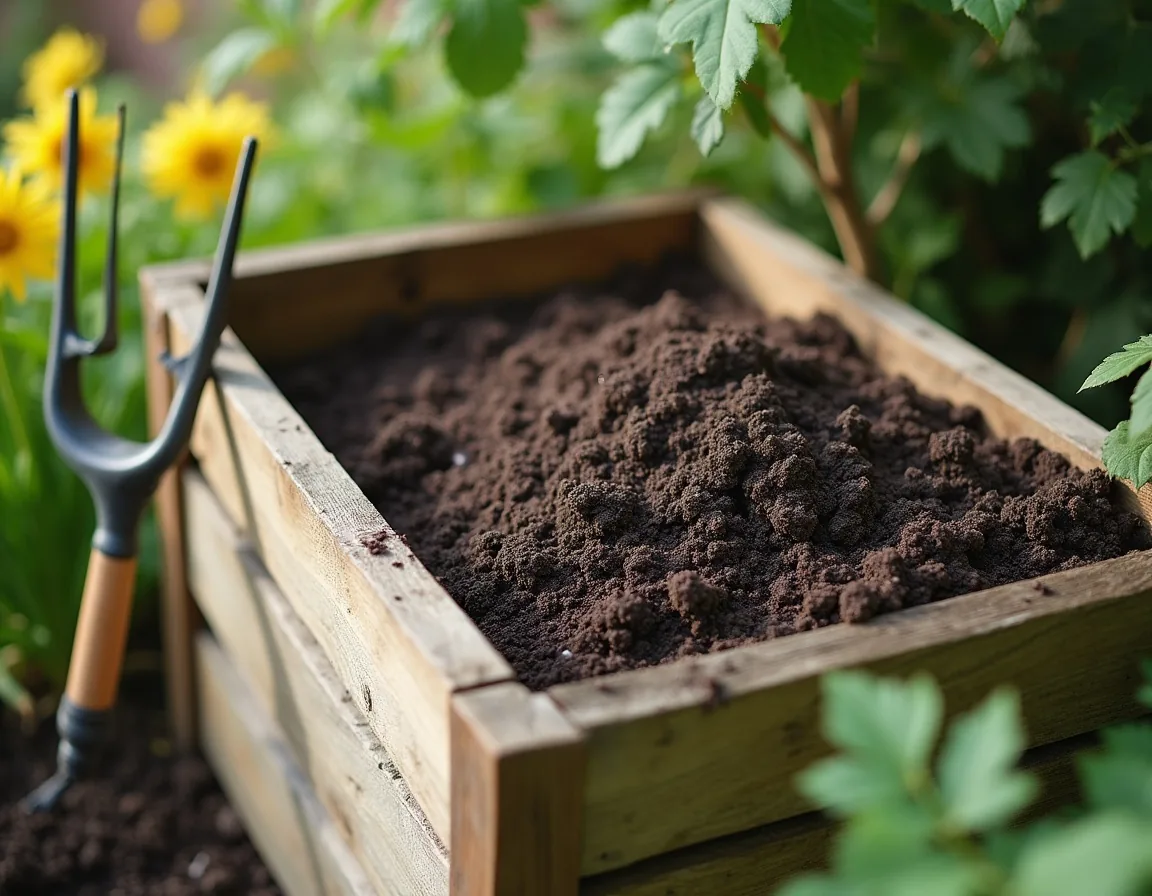
Mulching means spreading a layer of material over the soil surface. A 5 to 7.5cm (2 to 3in) layer of organic matter such as compost, bark or well-rotted manure will lock in moisture, smother weeds, feed the soil and protect roots from heat and cold. Lay it over moist, weeded soil in late winter or spring, and keep it clear of plant stems. Loose stone mulches like gravel do the weed and moisture job without feeding the soil.
What mulching does
A mulch is simply a covering laid over bare soil, or over the compost in a pot. It is one of the highest-value jobs in the garden for the effort involved, because a single layer does several things at once:
- Holds in moisture by cutting evaporation, so you water less.
- Suppresses weeds by blocking the light their seeds need to germinate.
- Feeds and improves the soil (organic mulches) as worms pull it down, improving drainage on clay and moisture-holding on sand.
- Protects roots from extremes of heat and cold, and warms the soil in spring.
- Keeps crops clean off the soil and gives beds a tidy, finished look.
The main types of mulch
Mulches fall into two groups. Biodegradable mulches (compost, bark, manure) rot down to feed and improve the soil, so they need topping up as they break down. Non-biodegradable mulches (gravel, slate, membrane) do not feed the soil, but they suppress weeds, hold in moisture and can look good doing it.
| Material | Type | Best for |
|---|---|---|
| Garden compost | Biodegradable | Feeding the soil and general beds and borders |
| Composted bark or wood chippings | Biodegradable | Long-lasting weed suppression on shrub borders and paths |
| Leaf mould | Biodegradable | A low-nutrient soil conditioner that improves structure |
| Well-rotted manure | Biodegradable | Feeding hungry beds and vegetable ground |
| Straw | Biodegradable | Keeping strawberries and other crops clean off the soil |
| Gravel, slate or stone chippings | Non-biodegradable | Decorative beds, container tops and drought-tolerant planting |
| Woven landscape fabric | Non-biodegradable (sheet) | New beds, planting through slits, hidden under gravel or bark |
With loose stone, colour matters: dark chippings warm the soil, while pale gravel reflects the sun and keeps roots cooler. With sheet mulches, always choose a permeable fabric so rain can still reach the roots, and hide it under gravel or bark. It is best to avoid mulches made from plastic.
How thick to lay it, and how much to buy
Depth is what makes a mulch work: too thin and weeds push through and moisture still escapes. The material matters less than laying enough of it.
| Mulch | Depth to aim for |
|---|---|
| Compost, leaf mould, well-rotted manure | 5 to 7.5cm (2 to 3in) |
| Bark and wood chippings | 8 to 12cm (3 to 5in), as they resist compacting |
| Minimum to work at all | 5cm (2in) |
As a rough guide for ordering, One cubic metre covers about 15 to 20 square metres; a standard 70-litre bag (or two bucketfuls) covers roughly one square metre. Having it delivered loose or in bulk bags is usually better value and avoids plastic packaging.
When and how to apply it
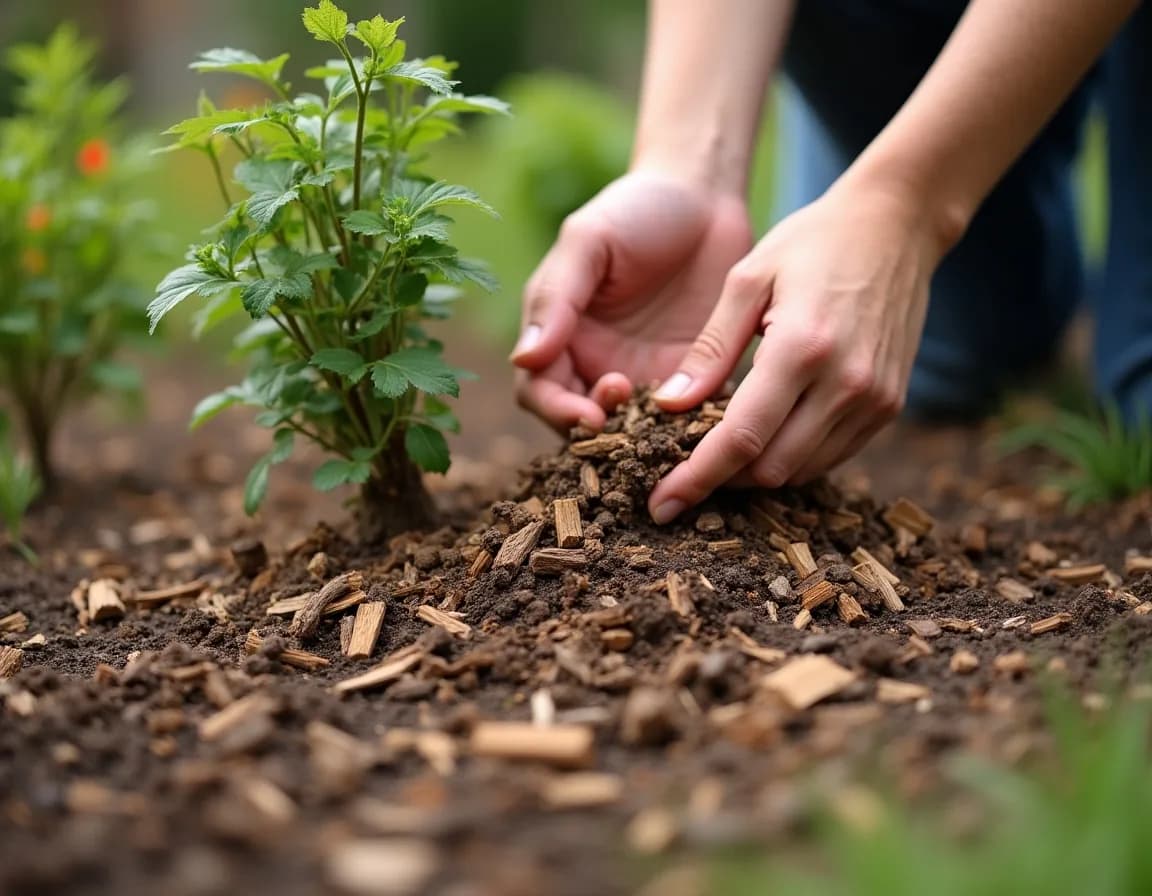
The best time is annually in late winter or early spring, before weed seeds germinate and while the soil is still moist from winter rain. Autumn works too, as plants die back. Whenever you do it, the soil should be moist and not frozen, so wait if it is squelchy or frosty.
- Weed first. Dig out perennial weeds; low-growing annual weeds can be left, as the mulch will smother them.
- Spread an even layer over the bare soil between plants, working from the back of the border forwards.
- Mind the plants. Do not bury low-growing plants, and mulch a single tree or shrub out to the edge of its canopy.
There is no need to pull mulch back to feed: scatter any fertiliser over the top in late winter and the rain washes it down.
Common mistakes to avoid
- Using fresh wood chip or grass clippings. As they break down they can rob nitrogen from the soil. Stack fresh chippings for a few weeks before spreading them.
- Laying it too thin. Under 5cm (2in) and weeds come through and moisture still escapes.
- Mulching Mediterranean ground cover. Low, mat-like herbs such as thyme are best left unmulched, as it holds too much damp around their stems.
- Worrying about white threads. Harmless white fungal strands in mulched soil are normal and do no harm.
Once a bed is mulched and the weeding drops away, it is a good moment to stand back and plan what goes where next. You can lay a bed or border out to scale in the free garden designer before you plant.
Frequently asked questions
How thick should mulch be?
Aim for at least 5cm (2in) and ideally 7.5cm (3in) of compost, leaf mould or well-rotted manure. Bark and wood chippings can go deeper, around 8 to 12cm (3 to 5in), because they resist compacting. Thinner than 5cm and weeds push through and moisture still escapes.
When is the best time to mulch?
Late winter or early spring is ideal, before weed seeds germinate and while the soil is still moist from winter rain. Autumn is also good as plants die back. Whenever you do it, lay mulch over moist, unfrozen soil, not waterlogged or frosty ground.
Can I mulch right up to my plants?
Spread mulch over the bare soil between plants, but keep a mulch-free gap of about 10cm (4in) around the stems of trees and shrubs, and do not bury low-growing plants. Mulch held against a woody stem stays damp and can cause rotting.
Which mulch is best?
For feeding and improving the soil, use an organic mulch such as garden compost, composted bark, leaf mould or well-rotted manure. For a decorative, long-lasting cover that does not need feeding, use gravel, slate or stone chippings. For suppressing weeds on a new bed, a permeable landscape fabric hidden under bark or gravel works well.
Do I need to remove old mulch before adding more?
No. Organic mulches rot into the soil, so you simply top them up with a fresh layer once the old one has broken down. There is also no need to remove mulch to apply fertiliser: scatter it on top and let the rain carry it down.
How we checked this2 sourcesView sourcesHide
Our guides draw on expert bodies like the RHS and Garden Organic, plus experienced growers, read at source. We check every guide against those sources on the date shown, and where advice differs between them, we say so. Garden Plans is published by Limely.
- AuthorityMulches and mulching, Royal Horticultural Society. Checked 22 Oct 2026.
- AuthorityHow to mulch with organic matter, Royal Horticultural Society. Checked 22 Oct 2026.