The short answer
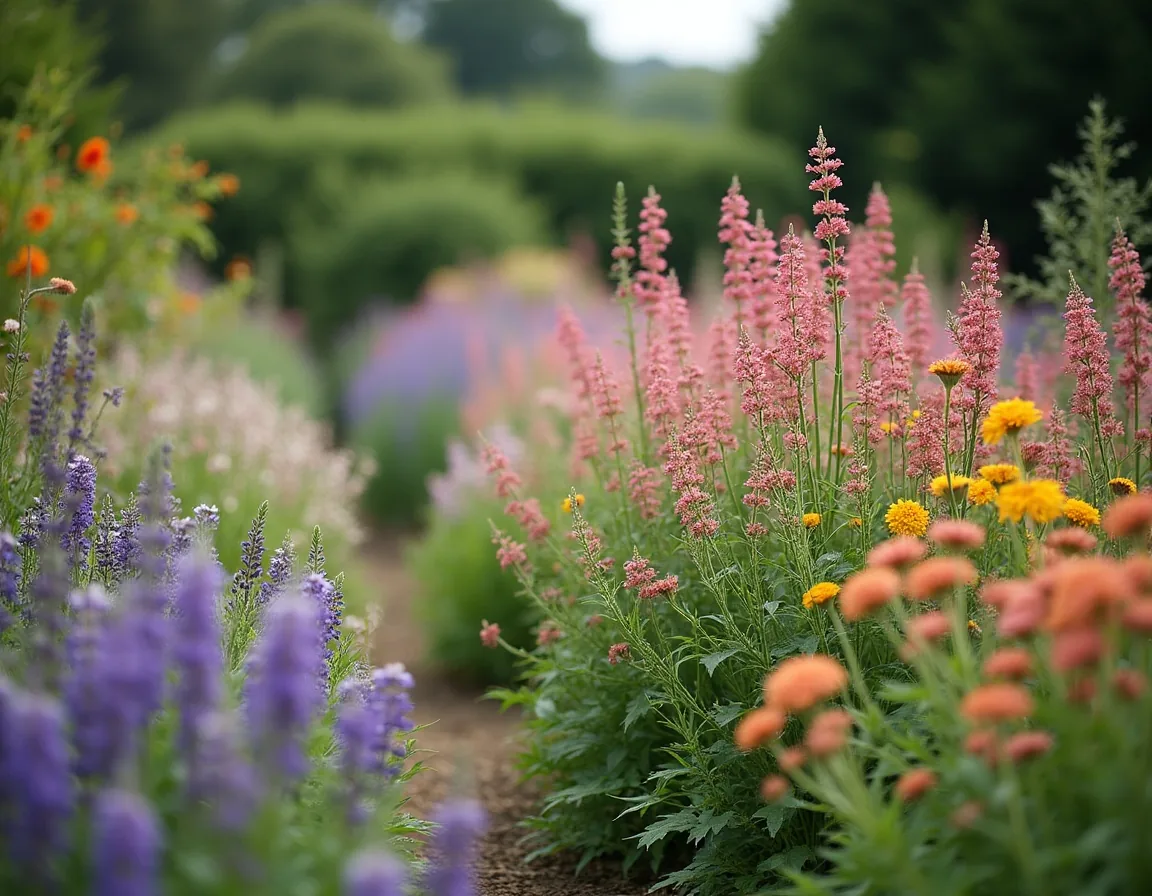
To help bees, butterflies, moths and hoverflies, give them something in flower all year, choose single, open flowers with pollen and nectar an insect can actually reach (not blowsy double blooms), plant them in groups, and stop using pesticides. Leave a few untidy corners for shelter and a shallow dish of water. Even a balcony or a window box can make a real difference.
Why pollinators need gardens
Pollinators include bumblebees, solitary bees, honey bees, butterflies, moths, hoverflies and even some beetles and wasps. Between them they pollinate much of what we grow and most of our wild flowers, but wild pollinators are in decline, largely because so many flower-rich meadows, hedges and verges have been lost.
That is where gardens come in. Out in the countryside the food supply is boom-and-bust, a glut of one crop then nothing. A garden, however small, can offer a steady, varied supply of nectar and pollen right through the year, which is exactly what pollinators are short of. Pick the right plants and you genuinely help.
The five things that matter most
You do not need a wildlife meadow or a special corner. These few principles matter far more than any single plant:
| Principle | What to do |
|---|---|
| Flowers all year | Aim for something in flower in every season, so there is food from the first spring bees to the last autumn hoverflies and mild-winter bumblebees |
| Single, open flowers | Choose simple, open or bell-shaped single flowers with visible centres; avoid double and heavily bred forms, where the nectar and pollen are blocked or missing |
| Plant in groups | Plant blocks or drifts of the same flower so insects can forage efficiently from flower to flower |
| No pesticides | Avoid pesticides; control most pests, weeds and diseases by hand, with barriers or by tolerating a little damage |
| Shelter and water | Leave some mess: long grass, dead stems, bare soil, log and stone piles and a shallow water dish give insects places to nest, shelter and drink |
Plant for every season
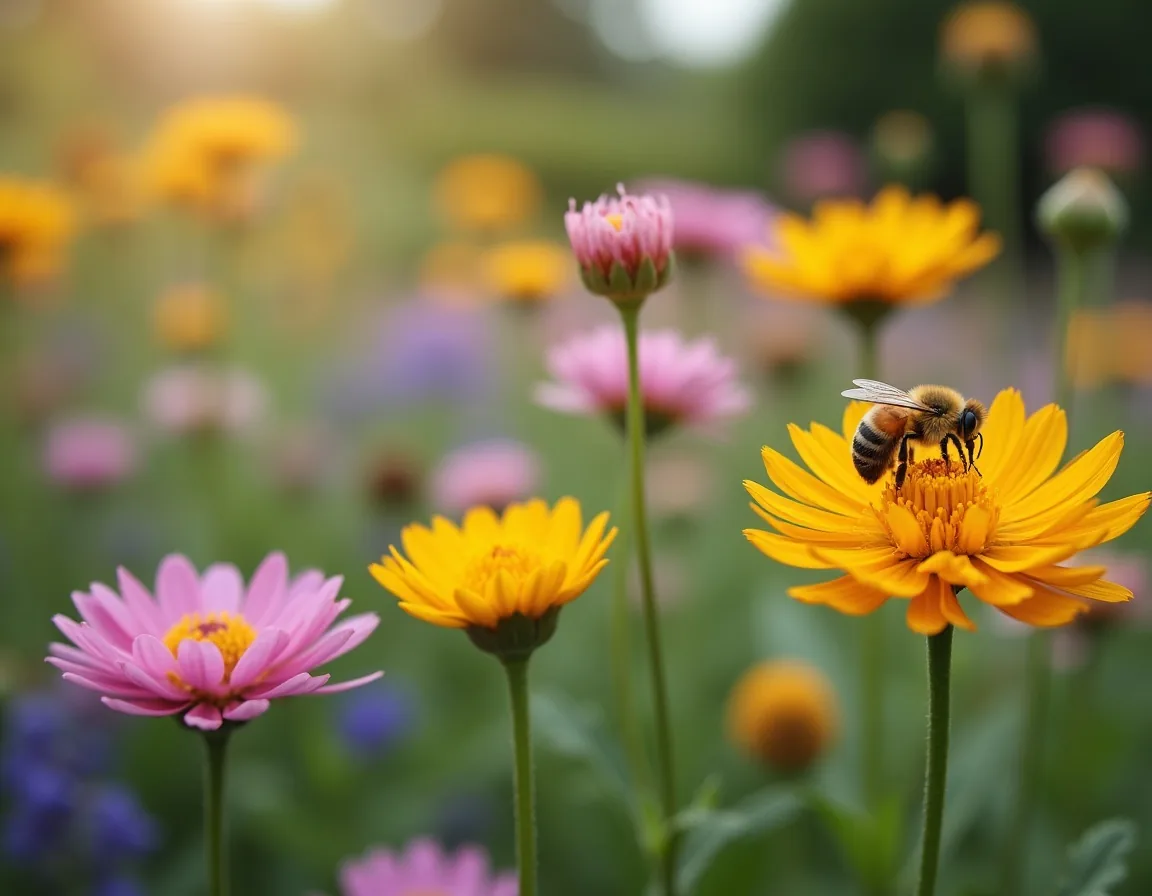
The trick to a pollinator garden is succession: something worth visiting in every season. Queen bumblebees emerge as early as February and need spring flowers to raise their young; autumn insects need to build fat reserves before winter; and in mild spells even midwinter bumblebees come out to feed. Spread your choices across the year and you keep the table set.
| Plant | Botanical name | Type | Season | Mainly feeds |
|---|---|---|---|---|
| Crocus | Crocus | Bulb | Early | Bees, hoverflies |
| Snowdrop | Galanthus | Bulb | Early | Bees |
| Lungwort | Pulmonaria | Perennial | Early | Bumblebees, solitary bees |
| Hellebore | Helleborus | Perennial | Early | Bees |
| Wood anemone | Anemone nemorosa | Perennial | Early | Bees, hoverflies |
| Flowering cherry | Prunus | Tree | Early | Bees, hoverflies, butterflies |
| Willow | Salix | Tree | Early | Bees |
| Rosemary | Salvia rosmarinus | Herb | Early | Bumblebees, solitary bees |
| Heather (winter/spring) | Erica | Shrub | Early | Bees, butterflies |
| Lavender | Lavandula | Shrub | Mid | Bees, butterflies, moths |
| Catmint | Nepeta | Perennial | Mid | Bees, butterflies |
| Borage | Borago officinalis | Annual | Mid | Bees |
| Viper's bugloss | Echium vulgare | Biennial | Mid | Bees, butterflies |
| Foxglove | Digitalis | Biennial | Mid | Long-tongued bumblebees |
| Hardy geranium | Geranium | Perennial | Mid | Bumblebees |
| Allium | Allium | Bulb | Mid | Bees |
| Marjoram / oregano | Origanum | Herb | Mid | Bees, butterflies |
| Thyme | Thymus | Herb | Mid | Bees |
| Common knapweed | Centaurea nigra | Perennial | Mid | Bees, butterflies, hoverflies |
| Scabious | Knautia / Scabiosa | Perennial | Mid | Bees, butterflies |
| Single-flowered rose | Rosa | Shrub | Mid | Bees |
| Honeysuckle | Lonicera periclymenum | Climber | Mid | Moths, long-tongued bumblebees |
| Phacelia | Phacelia tanacetifolia | Annual | Mid | Bees, hoverflies |
| Yarrow | Achillea millefolium | Perennial | Mid | Hoverflies, bees |
| Fennel | Foeniculum vulgare | Herb | Mid | Hoverflies, solitary bees |
| Ice plant | Hylotelephium spectabile | Perennial | Late | Bees, butterflies |
| Coneflower | Echinacea | Perennial | Late | Bees, butterflies, hoverflies |
| Verbena bonariensis | Verbena bonariensis | Perennial | Late | Butterflies, bees |
| Michaelmas daisy | Aster / Symphyotrichum | Perennial | Late | Butterflies, bees, hoverflies |
| Rudbeckia | Rudbeckia | Perennial | Late | Bees, butterflies, hoverflies |
| Helenium | Helenium | Perennial | Late | Bees, butterflies |
| Single-flowered dahlia | Dahlia | Perennial | Late | Bees, hoverflies |
| Ivy | Hedera helix | Climber | Late | Bees, hoverflies, butterflies |
| Japanese anemone | Anemone x hybrida | Perennial | Late | Bees, hoverflies |
| Sea holly | Eryngium | Perennial | Late | Bees, hoverflies |
| Mahonia | Mahonia | Shrub | Winter | Bees |
| Sweet box | Sarcococca confusa | Shrub | Winter | Bees |
| Winter honeysuckle | Lonicera x purpusii | Shrub | Winter | Bees |
Balconies, pots and small spaces
You do not need a garden at all. A balcony, doorstep or window box full of pots can be a genuine pollinator stop, especially in a town where flowers are scarce. Herbs like thyme, marjoram and chives, lavender, catmint, crocus and a single-flowered dahlia all do well in containers.
- Use peat-free potting compost and make sure every pot has drainage holes.
- Containers dry out fast, so water regularly in warm weather and feed through the flowering season, as there is little reserve in a pot.
- Make the most of the space by tiering pots, and adding window boxes, hanging baskets and a climber such as honeysuckle up a wall.
- On a balcony, keep an eye on weight: use lightweight pots and check what the structure can take.
Pollinators also need to drink. A shallow dish topped up with clean water and a few stones to land on helps them through dry spells.
Cut the grass less, leave a little mess
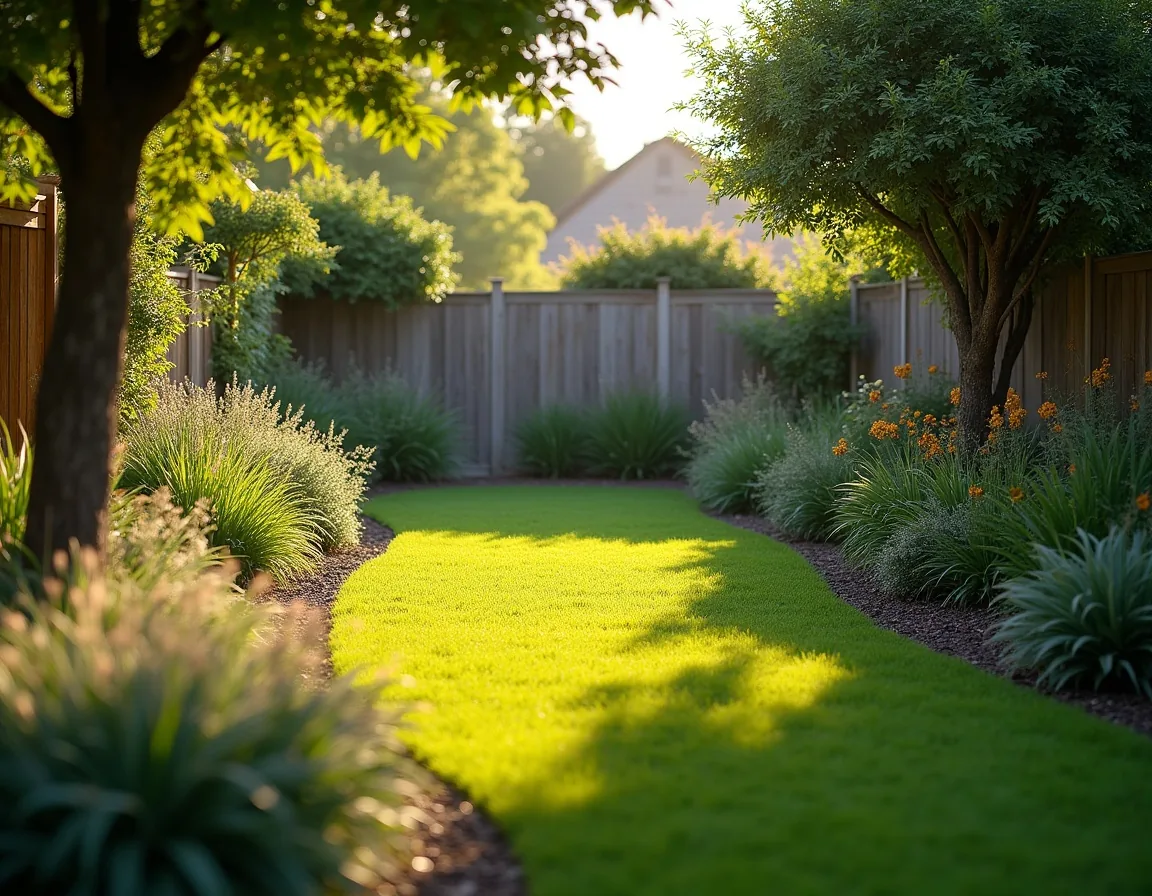
Cutting grass less often is one of the simplest ways to feed pollinators. Let a spring flush of daisies, dandelions and clover bloom, or mow some areas on a four-week rotation with the blades at 2.5 to 5cm, leaving longer patches and footpaths through them.
Shelter matters as much as food. Many bees nest in bare soil, hollow stems or holes in wood, and insects overwinter in long grass, leaf litter and the dead stems of perennials. So leave some corners untidy: a log or stone pile, a patch of nettles or bramble, standing seedheads over winter, and a length of hedge rather than a fence. A perfectly neat garden is a hungry one.
What to avoid
- Pesticides. They harm pollinators directly and remove the insects that keep pests in check. Pick pests off by hand, use barriers, and tolerate a little damage.
- Double and heavily bred flowers, which offer little or no accessible food.
- Invasive plants. A few pollinator favourites spread aggressively: choose non-invasive forms of buddleja, goldenrod and Michaelmas daisy, and never plant three-cornered garlic or few-flowered leek, which it is an offence to grow in the wild.
When you have chosen your plants, it is worth laying the bed or border out to scale first, in the free garden designer or on paper, so you can group the same flowers together and plan for colour and forage in every season. Our guide to planning a planting border goes into the layout in more detail.
Frequently asked questions
What are the best plants for bees?
There is no single best plant: the key is variety across the seasons. Early on, crocus, lungwort, hellebores and willow; in summer, lavender, catmint, borage, single-flowered roses and herbs like marjoram and thyme; in late summer and autumn, open flowers such as sedums, coneflowers, Verbena bonariensis and ivy. Choose single, open flowers over double ones.
Why should I avoid double flowers?
Double flowers have been bred to pack in extra petals, usually in place of the pollen- and nectar-producing parts. That leaves pollinators with food they cannot reach, or none at all. Simple, open single flowers with a visible centre are far more useful.
Can I help pollinators with just a balcony or a few pots?
Yes. A balcony, doorstep or window box of pots can be a valuable food stop, especially in a town. Herbs, lavender, catmint, crocus and single dahlias all grow well in containers. Use peat-free compost, keep them watered and fed, and add a shallow dish of water.
Do I need native wildflowers, or are garden plants fine?
Both work. Many ordinary garden flowers are excellent for pollinators, and a mix of garden plants and a few wildflowers gives the best spread of forage. What matters is that insects can easily reach the pollen and nectar, so favour single, open flowers.
How does cutting the grass less often help?
Letting the lawn grow lets flowers like daisies, dandelions and clover bloom, which are valuable early and summer forage. Leaving a spring flush, or mowing some areas on a four-week rotation with the blades at 2.5 to 5cm and keeping longer patches, feeds far more pollinators than a closely shaved lawn.
How we checked this4 sourcesView sourcesHide
Our guides draw on expert bodies like the RHS and Garden Organic, plus experienced growers, read at source. We check every guide against those sources on the date shown, and where advice differs between them, we say so. Garden Plans is published by Limely.
- AuthorityThe Action Plan for Pollinators in Wales (suggested plant list, Crown copyright, Open Government Licence), Welsh Government. Checked 22 Oct 2026.
- AuthorityWildlife Gardening Forum, Wildlife Gardening Forum. Checked 22 Oct 2026.
- AuthorityPlants for Pollinators, Royal Horticultural Society. Checked 22 Oct 2026.
- AuthorityGrow a year-round bee buffet, Royal Horticultural Society. Checked 22 Oct 2026.