The short answer
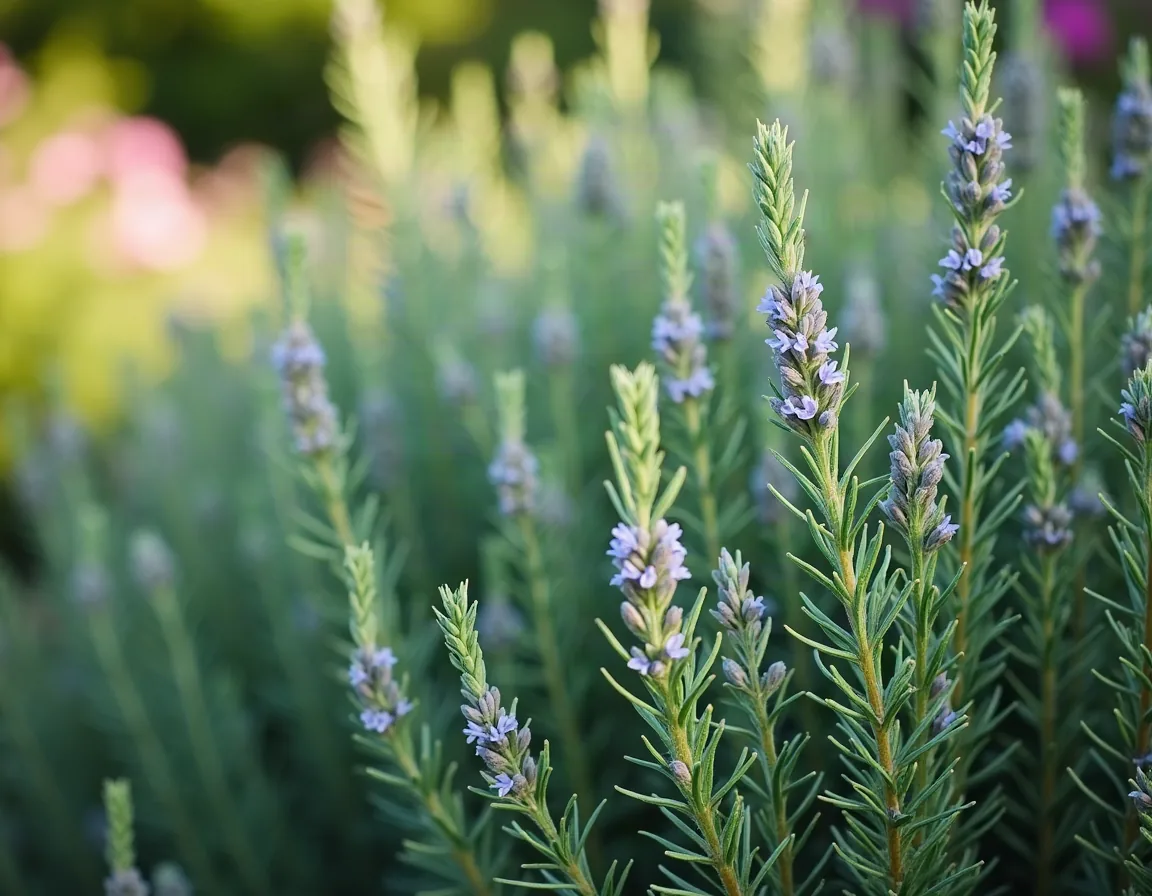
Thyme is one of the easiest herbs to grow, as long as you get two things right: full sun and sharp drainage. This evergreen Mediterranean herb hates sitting wet, so plant it in light, free-draining soil or a gritty pot, water it rarely, and give it a light trim after flowering to keep it bushy. Because it is evergreen you can pick sprigs all year round, and the summer flowers are a magnet for bees.
Where thyme grows best
Thyme comes from the hot, dry Mediterranean, and it wants the same at home: a warm, sunny, sheltered spot in light, free-draining soil. Full sun brings out the aromatic oils that give the leaves their flavour. The one thing it will not tolerate is wet feet, so heavy or damp ground is the usual reason thyme fails.
| At a glance | |
|---|---|
| Position | Full sun, warm and sheltered |
| Soil | Light, free-draining, poor to average; neutral to alkaline |
| Sow | Indoors in spring, 15 to 20C |
| Plant out | Mid-spring to early summer, 20 to 30cm apart |
| Height | Up to about 30cm (mounded types); creeping types stay low |
| Harvest | All year round; best flavour from spring and summer growth |
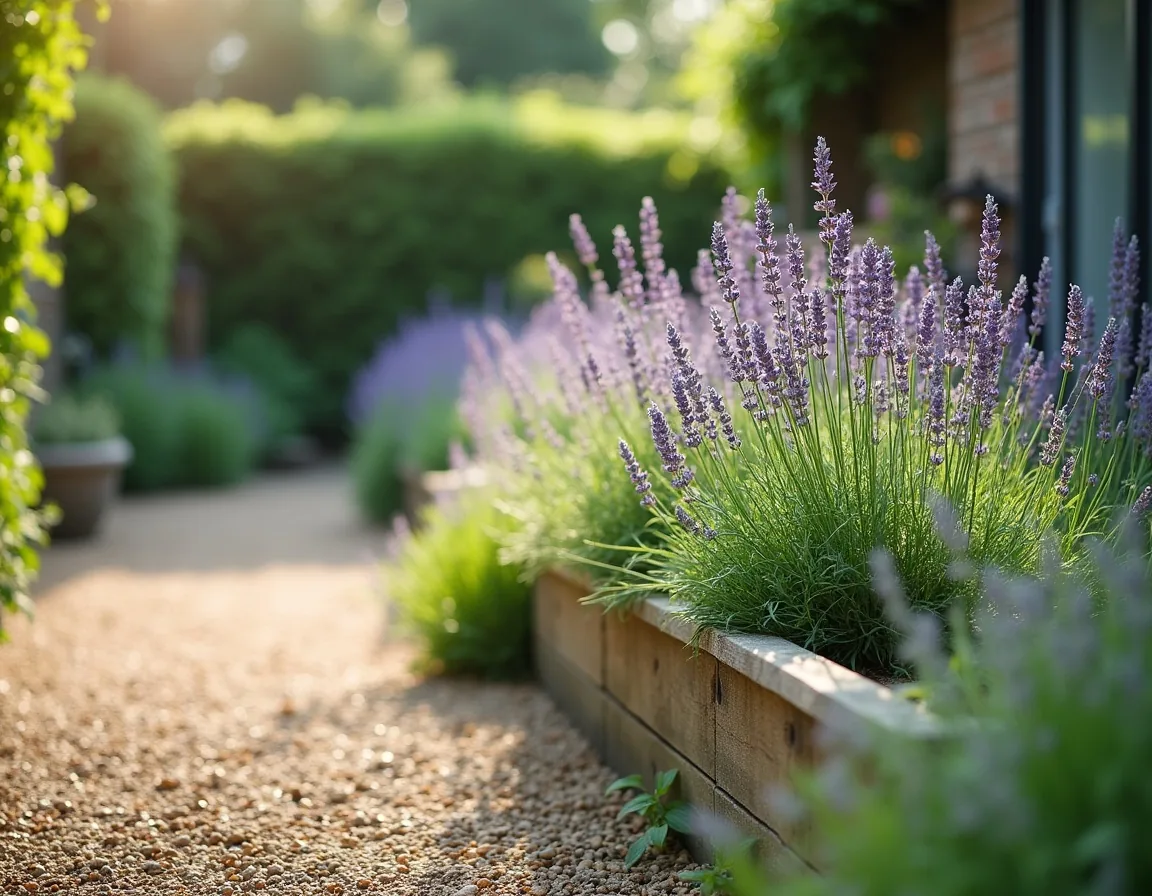
If your soil is heavy clay or stays damp in winter, grow thyme in a pot or a raised bed instead, where you control the drainage. It is a natural for gravel gardens, the cracks in paving, and the front of a sunny border.
Choosing a thyme
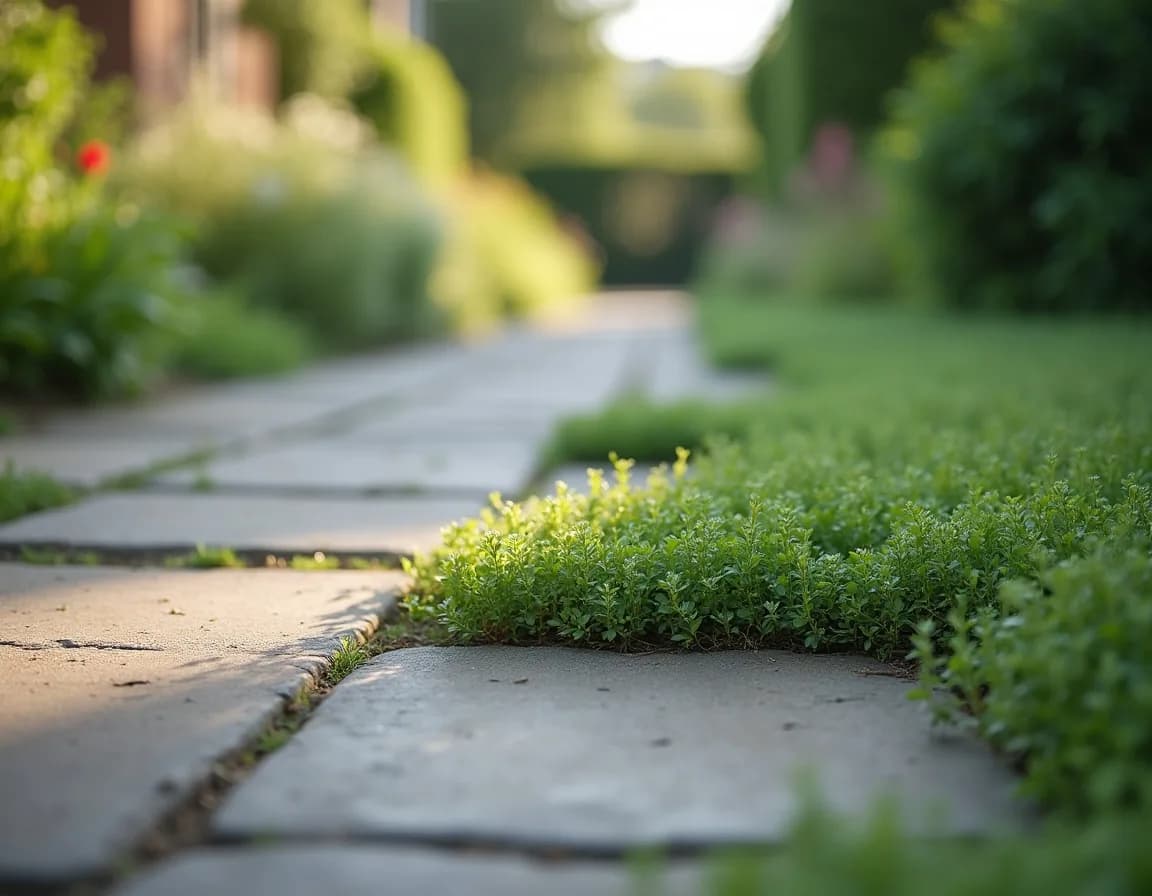
There are many thymes, from upright culinary bushes to low creepers you can walk on. For the kitchen, the mounded, upright types are easiest to pick; the creeping kinds are better as aromatic ground cover and bee-friendly thyme lawns.
| Type | Habit | Notes |
|---|---|---|
| Common (garden) thyme | Mounded shrub, to ~30cm | Thymus vulgaris; the classic culinary thyme, easy to pick, sweet earthy flavour |
| Broad-leaved thyme | Bushy | Thymus pulegioides; rounded leaves with good flavour for cooking |
| Lemon thyme | Low to mounded | Citrus-scented leaves; good in fish and chicken dishes |
| Creeping thyme | Low, mat-forming | Thymus serpyllum; aromatic ground cover and thyme lawns, bee-friendly, less practical to harvest |
Sowing and planting
You can raise thyme from seed or, more easily, buy young plants. Seed is cheap if you want a lot (for edging or ground cover), but it is slow: a seed-grown plant takes about a year to establish before you start picking.
- From seed: sow indoors in spring into moist peat-free seed compost, scattering the tiny seeds on the surface without covering them. They germinate at 15 to 20C within a couple of weeks. Pot on seedlings once they have a few leaves.
- Planting out: plant from mid-spring to early summer, hardening off indoor-raised plants first. Choose a warm, sunny spot in light soil and space plants 20 to 30cm apart.
- In a pot: use a container at least 15cm (6in) wide and 10cm (4in) deep, with drainage holes. Fill with up to 25% horticultural grit mixed into peat-free soil-based compost to keep it sharp and free-draining.
Watering, feeding and pruning
Thyme is wonderfully low-maintenance. It is drought tolerant and rarely needs watering once established, except for new plants or pots in a hot, dry spell. It needs no feeding to speak of; rich conditions actually weaken the flavour.
Trim shrubby thyme lightly after it flowers (and again in mid to late spring if needed) to keep it compact. A grit or gravel mulch around the plant looks good, suppresses weeds and lifts the low foliage off damp soil.
Harvesting
Because thyme is evergreen, you can snip sprigs all year round, though the soft new growth in late spring and summer has the best flavour. Pick little and often: regular harvesting keeps the plant bushy and encourages fresh shoots.
Thyme dries well and keeps its flavour: hang sprigs in a warm, dark, airy place for a few weeks, then strip the leaves into an airtight jar. The tiny flowers taste similar to the leaves and look pretty scattered over a salad.
Common problems
Grown warm, sunny and well-drained, thyme is usually trouble-free. The big risk is root rot in wet soil, especially over winter, so drainage matters more than anything.
- Rosemary beetle (a shiny green-and-purple striped beetle) and sage and Ligurian leafhoppers can feed on the leaves, but rarely do serious harm. Pick beetles off by hand.
- Slugs and snails may nibble soft young shoots, particularly on new plants.
- In wet winters, protect plants in the ground with a cloche and move pots to a sheltered, drier spot such as against a wall.
Frequently asked questions
Does thyme need full sun?
Yes. Thyme is a Mediterranean herb that needs full sun and free-draining soil to thrive. Sun also draws the aromatic oils to the leaf surface, giving the best flavour. In shade or damp ground it grows weakly and is prone to rotting.
How often should I water thyme?
Rarely. Thyme is drought tolerant and only needs watering when newly planted, or when growing in a pot during hot, dry weather. Overwatering is the most common way to kill it, as the roots rot in soggy soil, especially in winter.
Can I grow thyme in a pot?
Yes, and it is a good idea if your soil is heavy or damp. Use a pot at least 15cm wide and 10cm deep with drainage holes, and a peat-free soil-based compost with up to a quarter horticultural grit mixed in for sharp drainage.
When should I prune thyme?
Trim shrubby thyme lightly after flowering, and again in mid to late spring if needed, to keep it compact. Avoid cutting hard into old bare wood, as it may not regrow. When a plant gets woody and straggly, it is easier to replace it from cuttings or division.
Can you harvest thyme all year?
Yes. Thyme is evergreen, so you can pick sprigs in any season. The new growth in late spring and summer has the best flavour, and regular picking keeps the plant bushy. Leaves also dry well and keep their flavour.
How we checked this2 sourcesView sourcesHide
Our guides draw on expert bodies like the RHS and Garden Organic, plus experienced growers, read at source. We check every guide against those sources on the date shown, and where advice differs between them, we say so. Garden Plans is published by Limely.
- AuthorityHow to grow thyme, Royal Horticultural Society. Checked 22 Oct 2026.
- AuthorityHow to grow thyme, Gardeners' World. Checked 22 Oct 2026.