The short answer
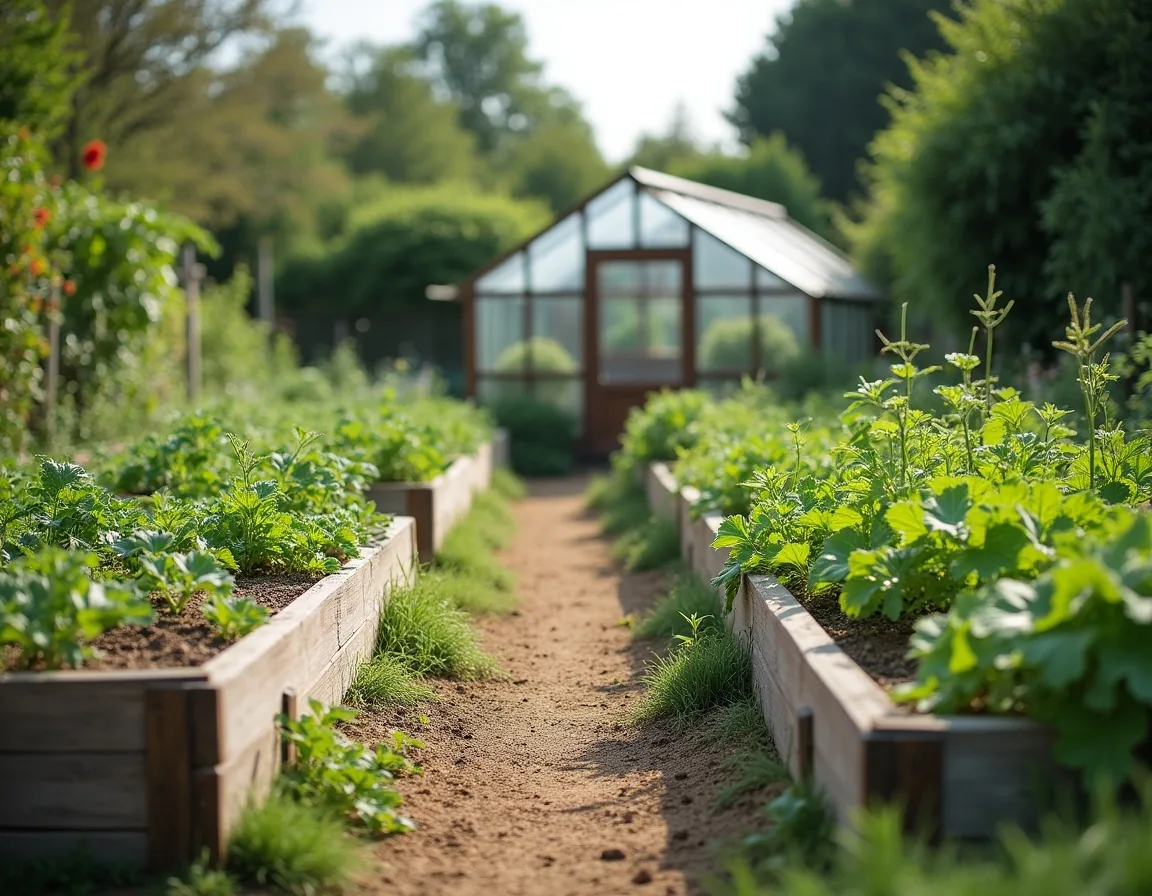
Crop rotation means grouping your vegetables by family, giving each group its own bed or section, and moving every group on by one bed each year so the same crop does not grow in the same ground two years running. It works because soil pests and diseases build up around the plant family they attack, and moving the crop away starves them out. It also keeps the soil's nutrients in better balance. A simple three or four bed cycle is all most gardens need.
What crop rotation is
Crop rotation is the practice of growing groups of vegetables on a different part of the plot each year, rather than planting the same thing in the same place every season. The RHS uses it across allotments and kitchen gardens for most annual vegetables, and it suits any plot except a very small one.
The idea is simple: sort your crops into a handful of family groups, give each group a bed, and step every group along by one bed each year so it takes a few seasons before a group returns to where it started. The best time to plan it is before the growing season, when you are ordering seed, so you can mark out the beds in advance.
Why it works
There are three reasons rotation earns its place:
- Pests and diseases. Soil pests and diseases tend to attack one plant family over and over. Move that family away and the pests, spores and eggs decline while their host is absent. Clubroot in brassicas and onion white rot are two the RHS specifically links to rotation.
- Soil fertility. Different crops draw different nutrients from the soil. Changing the crop each year evens out what is taken, so particular deficiencies are less likely to build up.
- Weeds. Crops with dense or large leaves, such as potatoes and squashes, shade out weeds, leaving cleaner ground for whatever follows.
The vegetable groups
Rotation works by family, because plants in the same family share the same pests and diseases. Keep each group together and move it as a unit. These are the main groups:
| Group | Crops |
|---|---|
| Brassicas | Brussels sprouts, cabbage, cauliflower, kale, kohl-rabi, oriental greens, radish, swede and turnips |
| Legumes | Peas, broad beans, French and runner beans |
| Onions | Onion, garlic, shallot, leek |
| Potato family | Potato and tomato (peppers and aubergines have fewer problems and can go anywhere in the rotation) |
| Roots | Beetroot, carrot, celeriac, celery, Florence fennel, parsley, parsnip and other roots (but not swede and turnip, which are brassicas) |
Two oddments worth remembering: swede and turnip are roots to look at but belong with the brassicas (they catch the same diseases), while peppers and aubergines are in the potato family but have fewer problems, so you can slot them in wherever is convenient.
Crops that stay put
Not everything needs rotating:
- Perennial vegetables (rhubarb and asparagus (give them a permanent bed of their own)) stay in one place for years, so give them a permanent bed of their own outside the rotation.
- Easy-going annuals (courgettes, pumpkins, squashes, marrows, cucumbers, salad leaves (lettuce, endive, chicory) and sweetcorn) can go wherever is convenient. Just avoid growing them in the exact same spot too often.
Simple rotation plans
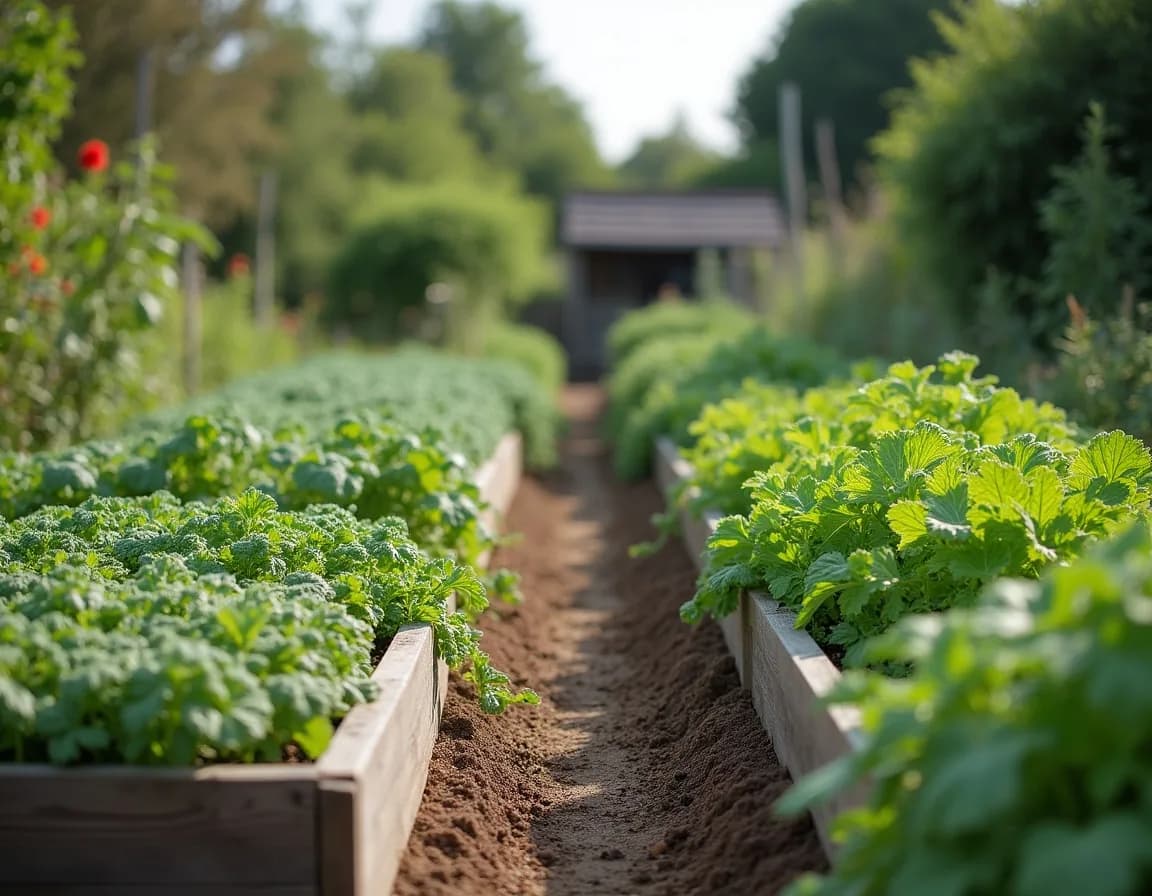
Divide your plot into equal sections (plus that extra bed for perennials), then move each section on a step every year. Here is the traditional three-year plan, for gardens where potatoes and brassicas are important crops. Read each row across the years:
| Bed | Year 1 | Year 2 | Year 3 |
|---|---|---|---|
| Section 1 | Potatoes | Legumes, onions & roots | Brassicas |
| Section 2 | Legumes, onions & roots | Brassicas | Potatoes |
| Section 3 | Brassicas | Potatoes | Legumes, onions & roots |
If you grow more legumes and onions and fewer potatoes, a four-year cycle gives each group its own bed:
| Bed | Year 1 | Year 2 | Year 3 | Year 4 |
|---|---|---|---|---|
| Section 1 | Legumes | Brassicas | Potatoes | Onions & roots |
| Section 2 | Brassicas | Potatoes | Onions & roots | Legumes |
| Section 3 | Potatoes | Onions & roots | Legumes | Brassicas |
| Section 4 | Onions & roots | Legumes | Brassicas | Potatoes |
Frequently asked questions
Why is crop rotation important?
It stops crop-specific pests and diseases building up in the soil, keeps nutrients in better balance, and uses weed-suppressing crops to leave cleaner ground for the next planting. Growing the same vegetable in the same place every year does the opposite.
How many beds do I need for crop rotation?
Three or four sections of roughly equal size is plenty for most gardens, plus an extra bed for perennials like rhubarb and asparagus. Use a three-year cycle if potatoes and brassicas are your main crops, or a four-year cycle if you grow a lot of legumes and onions.
Which vegetables do not need rotating?
Perennials such as rhubarb and asparagus stay in a permanent bed. Courgettes, pumpkins, squashes, cucumbers, salad leaves and sweetcorn are easy-going and can go wherever is convenient, as long as you avoid the exact same spot too often.
What order should crops follow each other?
In the traditional order, brassicas follow the legumes, onions and roots, which follow the potatoes, which in turn follow the brassicas. The point is simply that each family moves to fresh ground and does not return for a few years.
When should I plan my crop rotation?
Before the growing season starts, when you are ordering seed. Planning early lets you mark out the beds and work out how much space each group needs.
How we checked this1 sourceView sourcesHide
Our guides draw on expert bodies like the RHS and Garden Organic, plus experienced growers, read at source. We check every guide against those sources on the date shown, and where advice differs between them, we say so. Garden Plans is published by Limely.
- AuthorityCrop rotation, Royal Horticultural Society. Checked 22 Oct 2026.