The short answer
Most herbs want the same thing: a warm, sunny, sheltered spot and full sun with light, well-drained but moisture-retentive, fertile soil. Put the garden near the kitchen so you will actually use it, group herbs by what they need (sun-loving Mediterranean types together, moisture-lovers together), and keep mint in a pot so it cannot take over. You can plant a dedicated bed, a raised bed, or just a few containers. Then pick regularly, which keeps the plants bushy and productive.
Where to put it
The old advice holds: site your herbs as close to the kitchen door as you can, so they are easy to pick while you cook. Beyond that, most herbs do best in a sheltered spot in full sun. Planting near a path or seating area is a bonus, as brushing past releases their scent.
You do not need much room. A herb garden works just as well as a raised bed, a large container or a window box as it does in a dedicated plot, which makes herbs one of the easiest things to grow in a small garden.
Choose herbs that suit each other
The trick to an easy herb garden is to group plants with similar needs, so one watering and one soil suits a whole patch. Herbs fall into a few broad camps:
| Group | Examples | What they need |
|---|---|---|
| Mediterranean perennials | Rosemary, sage, thyme, oregano | Full sun and poor, free-draining soil. Add grit on clay. Many are evergreen and come back each year |
| Annual and biennial herbs | Basil, coriander, dill, parsley | Richer, moister soil. Sow little and often; they bolt if too hot and dry |
| Shade-tolerant | Chervil, parsley, coriander | Cope with part shade; coriander and parsley leaves can be better out of full sun |
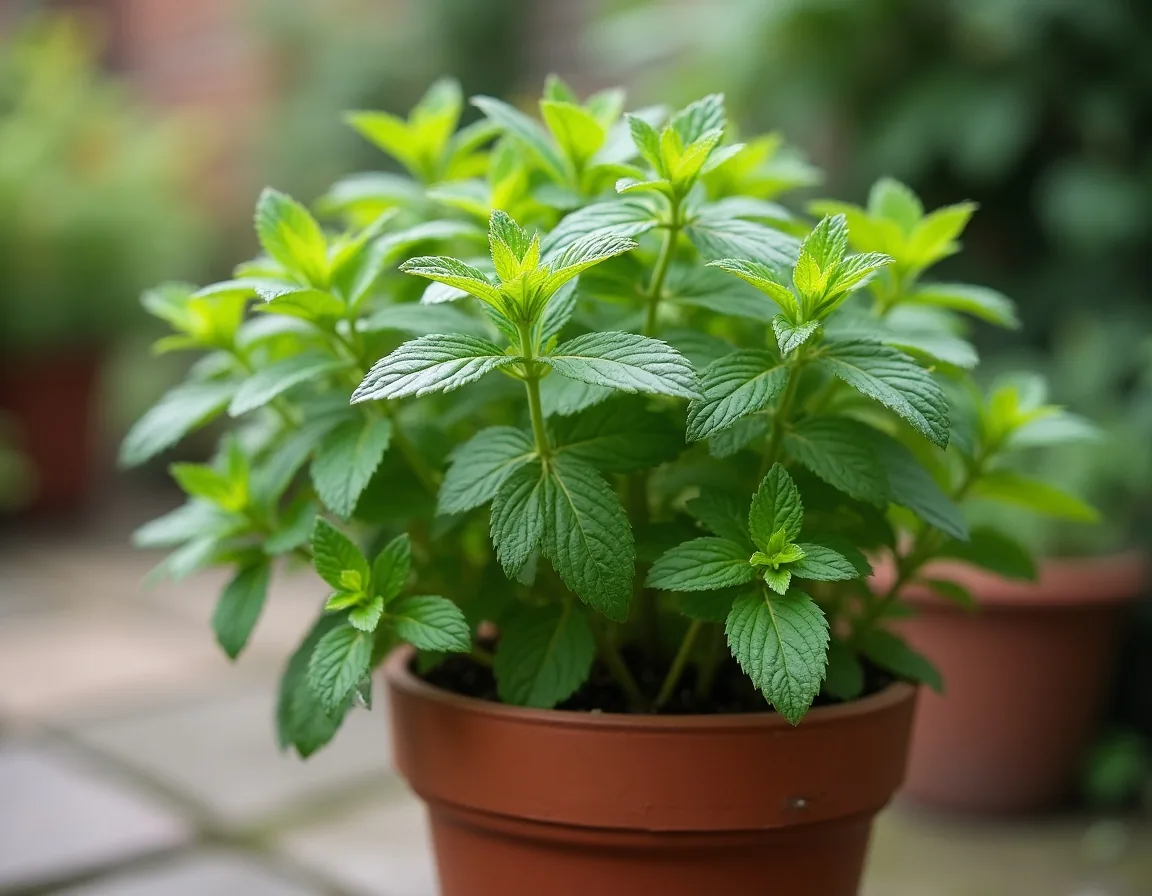
| Vigorous spreaders | Mint, lemon balm | Invasive in open ground: grow in a pot or a sunken container to contain the roots |
| Tender herbs | Basil, lemon verbena, lemongrass | Not hardy: grow in pots that can move to a frost-free spot over winter |
Ten herbs to start with
Grow what you cook with, but if you are starting out, this handful is forgiving, useful and widely available as seed or young plants:
| Herb | Type | Position | Notes |
|---|---|---|---|
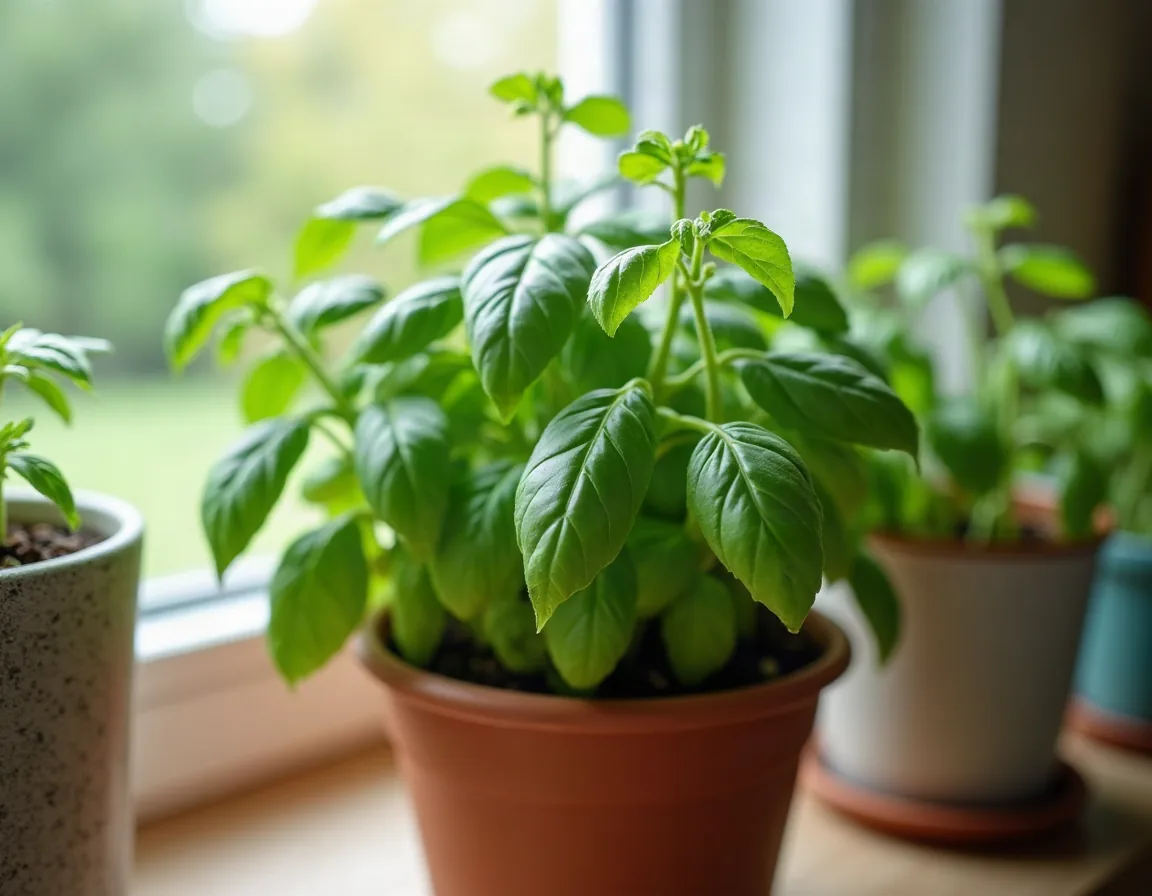
| Basil | Annual (tender) | Full sun, sheltered | Rich, light soil; often best in a pot. Pinch out to keep bushy |
| Chives | Perennial | Full sun | Easy; cut to the ground after flowering for fresh leaves |
| Coriander | Annual | Sun or part shade | Leaves can crop better in part shade; sow often as it bolts |
| Dill | Annual | Full sun | Well-drained soil; sow little and often |
| Mint | Perennial | Sun or part shade | Moist soil, but invasive: keep it in a pot |
| Oregano | Perennial | Full sun | Well-drained to dry soil; neutral to alkaline |
| Parsley | Biennial | Sun or part shade | Rich, well-drained soil; low curly forms edge a bed well |
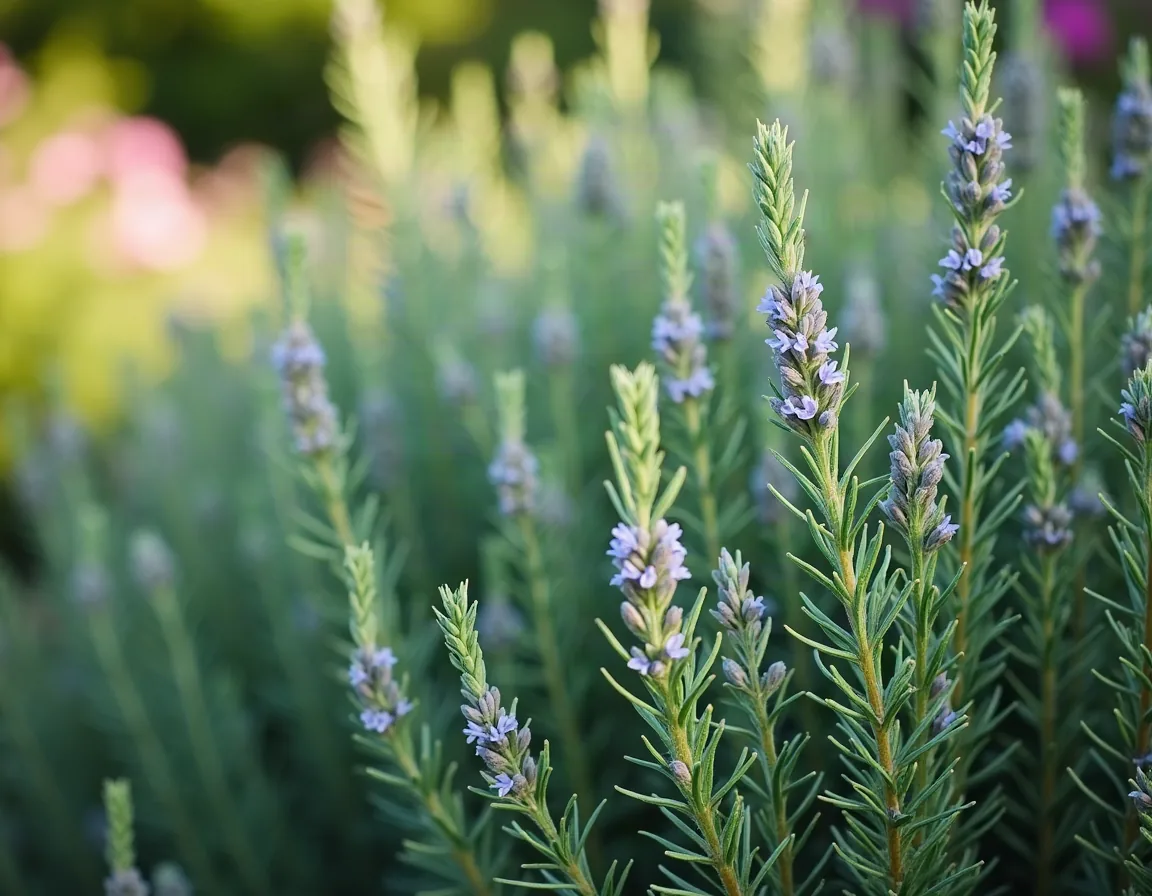
| Rosemary | Evergreen shrub | Full sun | Well-drained soil; shelter in cold spots |
| Sage | Evergreen shrub | Full sun | Well-drained, dislikes damp; prune hard in early spring |
| Thyme | Evergreen | Full sun | Thrives in poor, stony, well-drained soil |
Plan the bed so you can reach it
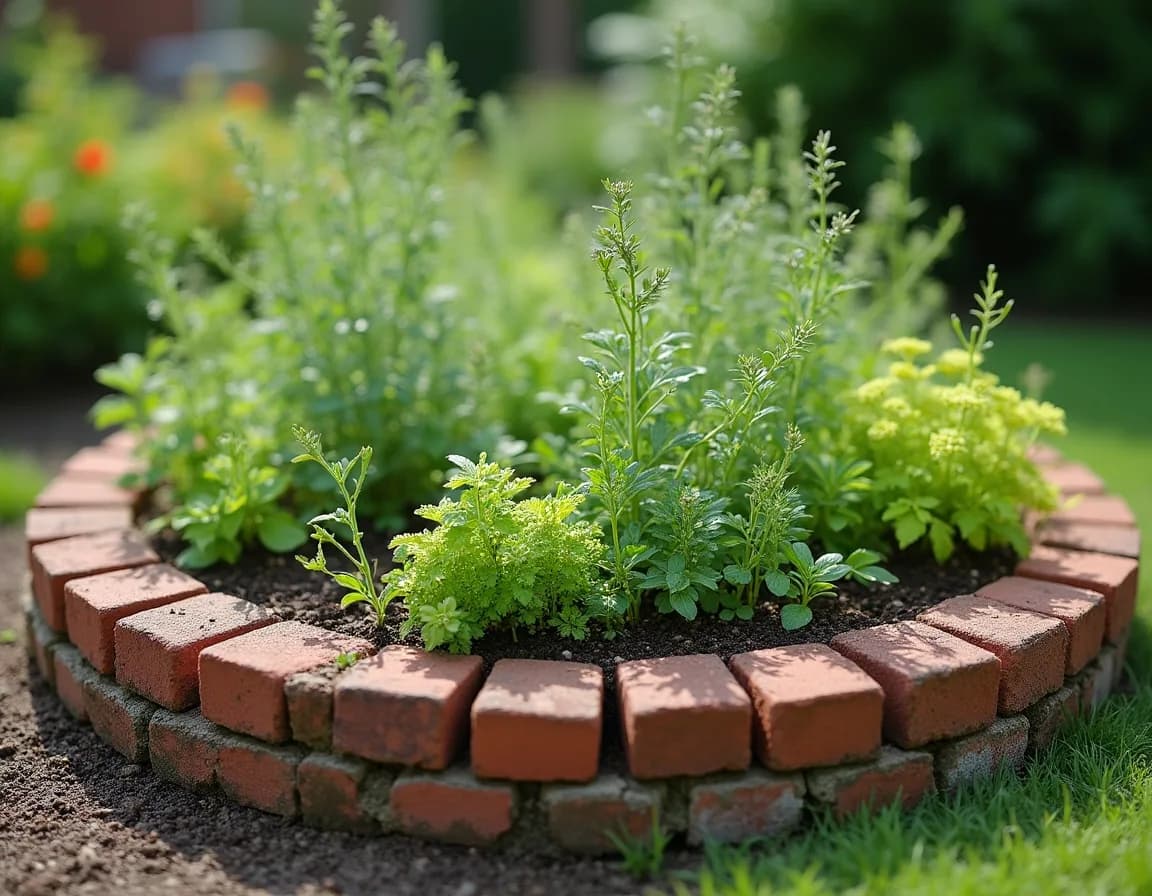
The one rule when laying out a herb garden is that you have to be able to reach every plant to pick it. If the bed is wide, set stepping stones so you can get to the middle. Round or cartwheel shapes let you work all the way round, and a chessboard of small squares divided by bricks, gravel or bark keeps different herbs apart.
Put taller herbs like bronze fennel towards the centre or back, and use low, neat plants such as curly parsley and chives to edge the bed. A raised bed is worth considering, as it lets you tailor the soil (grit for Mediterranean herbs, richer compost for leafy ones) and brings the plants up to easy picking height. It is worth drawing the beds to scale before you build, which you can do in the free garden designer.
Planting and care
Most herbs need free-draining soil. On heavy clay, dig in well-rotted compost for leafy herbs and add horticultural grit where you want Mediterranean ones. In pots, use a peat-free compost with extra grit or perlite for drainage, and make sure there are drainage holes.
Through the year:
- Water new plants regularly until they establish, especially in hot weather.
- Keep annuals coming by sowing a fresh batch of fast-bolting herbs like coriander and dill every couple of weeks.
- Refresh perennials in spring: divide chives and tarragon every second year, and top-dress or repot woody herbs.
- Tidy for winter: cut mint and chives to the ground in late autumn; prune woody herbs (sage hard in early spring, rosemary after flowering) to stop them going straggly.
Harvesting
Herbs are the original cut-and-come-again crop, and the more you pick the better they grow. Pinch out or cut shoots before the plant flowers, which keeps it bushy and stops leafy herbs running to seed. A quick feed after a big pick (a seaweed or comfrey feed) helps them bounce back.
Many herbs can be dried or frozen if you have a glut, and potting up chives, mint, parsley or tarragon onto a sunny windowsill keeps a few fresh leaves going through winter.
Common problems
- Bolting: coriander, dill and basil run to seed quickly if overcrowded or left in poor, dry soil. Sow little and often rather than all at once.
- Damping off and grey mould: seedlings rot in damp, still air, so sow thinly and keep things ventilated.
- Mint rust (orange spots) can affect mint, marjoram and savory. Rosemary beetle, a shiny striped beetle, also feeds on sage, thyme and lavender; pick them off by hand.
Frequently asked questions
Where is the best place for a herb garden?
A warm, sheltered spot in full sun, as close to the kitchen as possible so the herbs are easy to pick. Most culinary herbs want light, well-drained but fertile soil. A few, like mint, parsley and chervil, will also cope with some shade.
Which herbs should not be planted together?
Keep vigorous spreaders like mint and lemon balm in their own pots, as they swamp other herbs in open ground. Otherwise, group by need: sun-loving Mediterranean herbs (rosemary, sage, thyme, oregano) in free-draining soil, and leafy annuals (basil, parsley, coriander) in richer, moister soil.
Can I grow a herb garden in pots?
Yes. Herbs grow well in containers, raised beds or window boxes, which makes them ideal for small gardens. Use a peat-free compost with added grit for drainage, make sure the pot has drainage holes, and group herbs with similar needs in the same container.
Do herbs come back every year?
Some do. Perennials like chives, mint, oregano, sage, rosemary and thyme return each year, and several are evergreen. Annuals such as basil, coriander and dill last one season and need resowing, while biennials like parsley usually crop for about a year.
How do I keep herbs bushy and productive?
Pick them often. Pinch out or cut shoots before the plant flowers to encourage bushy growth and stop leafy herbs bolting. A light feed after harvesting helps them regrow, and cutting perennials back at the right time keeps them from going woody and straggly.
How we checked this2 sourcesView sourcesHide
Our guides draw on expert bodies like the RHS and Garden Organic, plus experienced growers, read at source. We check every guide against those sources on the date shown, and where advice differs between them, we say so. Garden Plans is published by Limely.
- AuthorityHerbs: growing and harvesting, Royal Horticultural Society. Checked 22 Oct 2026.
- AuthorityHow to create a herb garden, Gardeners' World. Checked 22 Oct 2026.