The short answer
The quickest way to tell your soil type is to roll a moist handful in your hand. Gritty and falls apart means sandy; sticky and rolls into a shiny sausage means clay; soapy and smooth means silt; and a mix that holds together without either extreme is a loam, the ideal. If it fizzes with vinegar, it is chalky and lime-rich. Then test the pH with a cheap kit. Once you know your soil, you can choose plants that suit it and improve it the right way.
Why your soil type matters
Your soil decides which plants will thrive, how often you need to water, when the ground is workable in spring, and how you should feed and improve it. Get it right and planting is far easier, because you are working with the ground rather than against it. It is especially worth knowing before you design or plant a new garden, start a vegetable plot or plant fruit.
Soil character comes down to the size of the particles it is made of. The smallest particles, clay, have a huge surface area for their volume, so even a modest amount of clay dominates how a soil behaves.
| Particle | Size |
|---|---|
| Clay | less than 0.002mm |
| Silt | 0.002 to 0.05mm |
| Sand | 0.05 to 2mm |
| Stones | bigger than 2mm |
The six soil types
Most UK gardens are one of six soil types, or a blend of them. Where builders or landscaping have mixed the ground up, the soil can even change over a short distance, so it is worth testing more than one spot.
| Soil | How it feels | What it is like to garden |
|---|---|---|
| Clay | Sticky when wet, smears smooth (not gritty), rolls into a long thin sausage and polishes shiny | Heavy and slow to drain, holds nutrients and water well, warms up slowly in spring, bakes hard and cracks in summer, compacts easily when wet |
| Sandy | Gritty, falls through your fingers, will not roll into a sausage | Light and free-draining, warms quickly in spring, dries out fast, low in nutrients and often acidic |
| Silt | Slightly soapy and slippery, does not clump easily (pure silt is rare in gardens) | Fertile and moisture-retentive, holds more than sand, but compacts and erodes easily when bare |
| Loam | A balanced mix: holds together but is not sticky or gritty to the extreme | A mix of clay, sand and silt that avoids the extremes: fertile, well drained and easy to work (the gardener's ideal) |
| Peat | Dark, spongy and moisture-holding | Almost all organic matter, very fertile and moisture-retentive, but seldom found in gardens |
| Chalky | May be light or heavy, often with visible white stone; fizzes with vinegar | Largely calcium carbonate and very alkaline, often shallow and low in fertility, cannot be acidified |
The hand test: identify your soil in five minutes
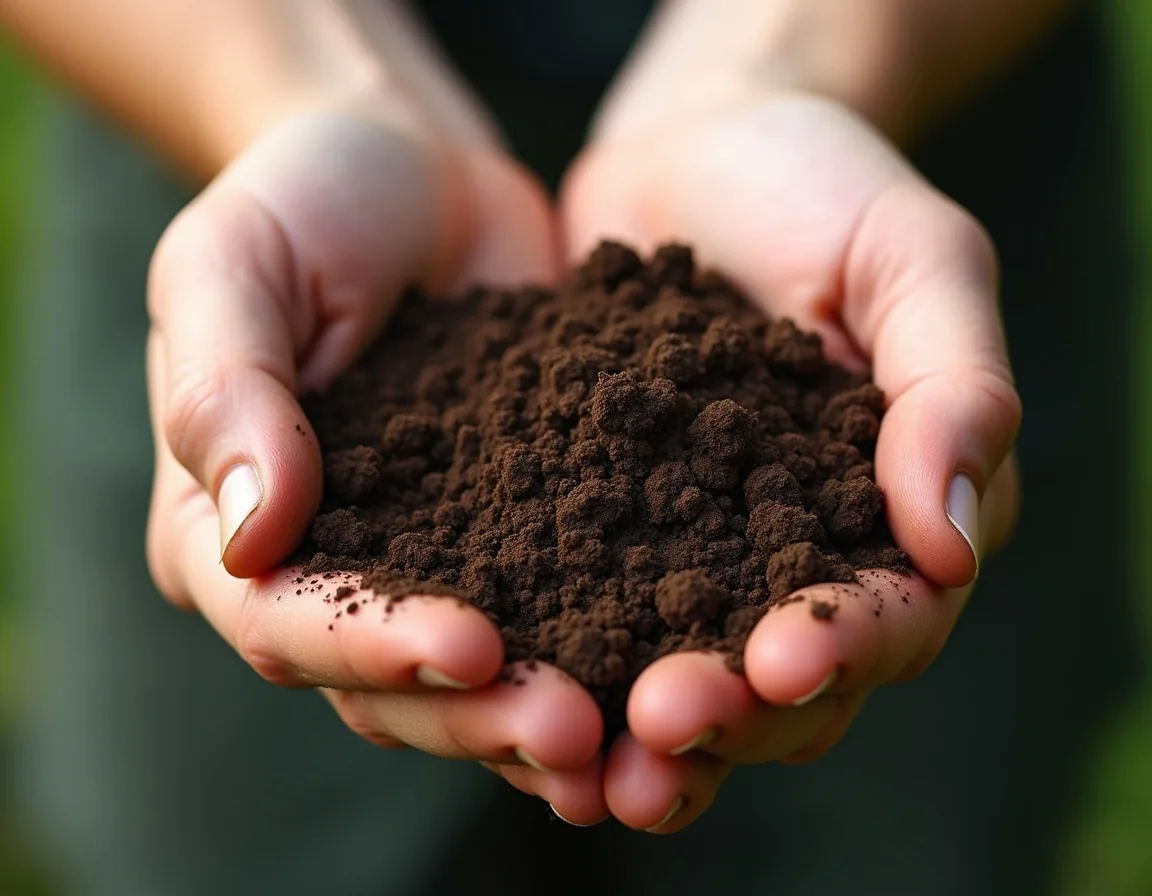
The best way to tell your soil type is to touch it and roll it in your hands. Take a small amount of moist (not wet) soil from a few inches down, pick out any stones, and work it between your fingers:
- Sandy: feels gritty and falls through your fingers. It will not hold together into a sausage shape.
- Clay: feels sticky when wet and smears smooth. It rolls easily into a long thin sausage, and if you rub the surface it polishes to a shine. A surface that goes shiny means a heavy clay.
- Silt: feels slightly soapy and slippery, and does not clump together easily. Pure silt soils are rare in gardens.
- Loam: holds together but is neither gritty nor sticky to the extreme. This balanced mix is the one to hope for.
The vinegar test for chalk
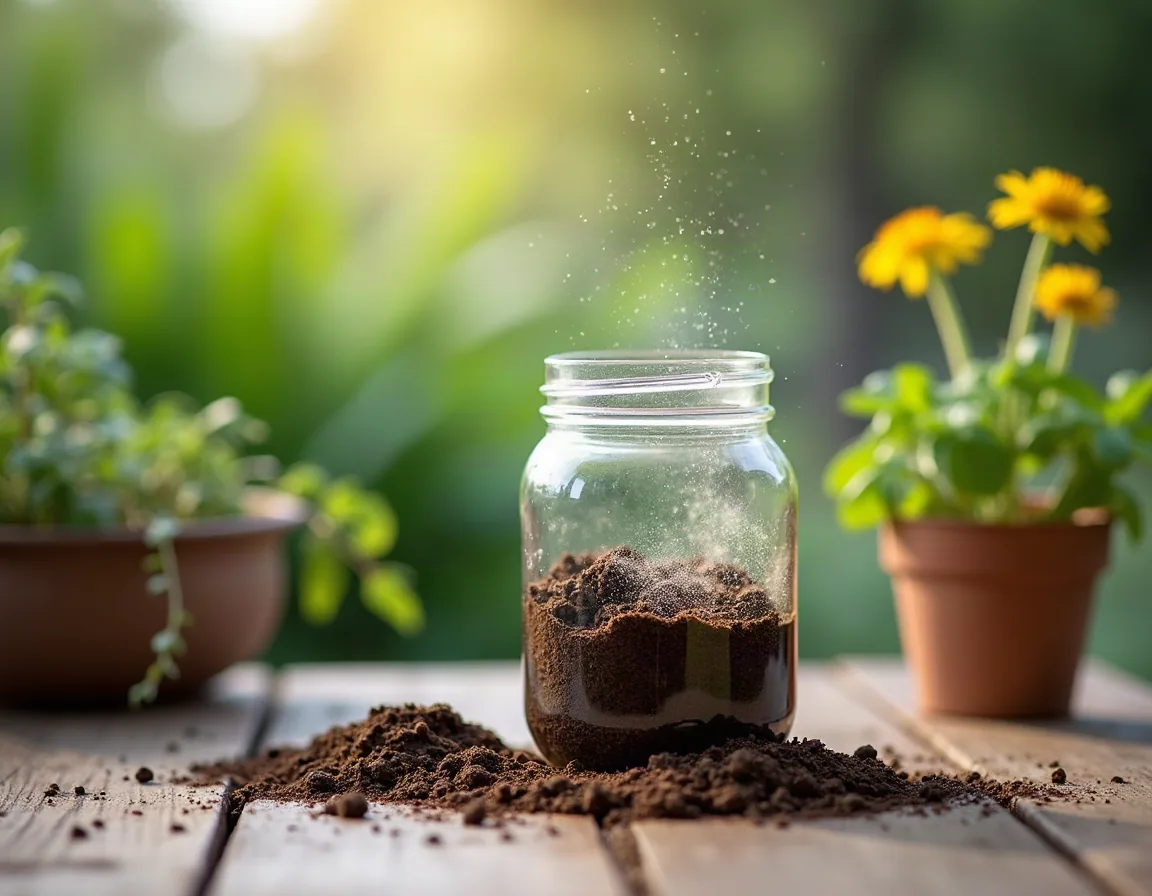
Chalky soils are very alkaline, often shallow, and will not support acid-loving plants, so it is worth knowing if you have one. There is a simple kitchen test: put a small amount of soil in a jar and pour on ordinary vinegar.
If it fizzes or froths, the soil contains free calcium carbonate (chalk or limestone) and is lime-rich. Very chalky soils may also have lumps of visible white stone. This free chalk cannot be neutralised, so the sensible approach is to choose plants that enjoy alkaline conditions rather than fight it.
Soil pH: acid or alkaline
Separately from its texture, every soil has a pH: a number from 0 to 14 that says how acid or alkaline it is. Soil at pH 7 is neutral, below 7 is acid, and above 7 is alkaline. Most plants have a range they prefer, so it is worth knowing yours before you plant.
A cheap DIY kit from a garden centre is easy to use and gives a good indication. For a detailed picture, a laboratory test (such as the RHS soil analysis service) gives a full written report, and unlike most DIY kits it will detect free chalk. Take samples from a few spots for a fair reading.
| pH | Means | What to do |
|---|---|---|
| 3.0 to 5.0 | Very acid | Many nutrients wash out; most phosphates are locked up below pH 5.1. Lime to raise it above 5.0 |
| 5.1 to 6.0 | Acid | Ideal for ericaceous (lime-hating) plants such as rhododendrons, camellias and heathers |
| 6.1 to 7.0 | Moderately acid | pH 6.5 is the best general-purpose level: nutrient availability and worm and bacterial activity are highest |
| 7.1 to 8.0 | Alkaline | Phosphorus, iron and manganese are less available (can cause yellowing), but clubroot in brassicas is reduced |
A slightly acidic soil of around pH 6.5 is the best general-purpose level for a garden: it lets the widest range of plants grow, and nutrient availability and worm and bacterial activity are at their best. The exceptions are ericaceous (acid-loving) plants, including rhododendrons, camellias, heathers and blueberries, which need acid soil and will struggle on chalk.
Beyond texture: three quick health checks
Texture is fixed: short of importing soil, you cannot change whether yours is sand or clay. What you can change is its health, and that is where most of the difference in how plants grow actually comes from. Garden Organic suggests a few simple checks:
- Smell it. Healthy soil smells sweet and earthy, like good compost. A sour or rotten-egg smell points to poor drainage and a lack of air.
- Look at the colour. Darker soil generally holds more organic matter; pale, grey soil is low in it.
- Count the worms. Dig out a roughly 20cm cube and count the earthworms. Plenty of worms is a good sign of a living, active soil (counts are lower in dry spells, so judge it when the soil is moist).
Working with the soil you have
Whatever your soil, the single best thing you can do is add bulky organic matter such as garden compost or well-rotted manure. It binds loose sand and silt into fertile crumbs, and it breaks heavy clay into a more open, workable structure.
- Clay: raised beds and a no-dig approach suit it well, as they improve drainage and keep you off the wet soil. Adding grit to lighten clay needs impractically large amounts, so organic matter and the right plants are the better route.
- Sandy and silt: add organic matter regularly to hold on to water and nutrients that otherwise wash straight through.
- Chalky: you cannot acidify it, so lean into plants that enjoy alkaline soil rather than trying to grow lime-haters.
For most gardens it is easier, and far more rewarding, to choose plants suited to your soil than to try to change the soil's nature. Once you know what you have got, you can plan a bed or border around it.
Frequently asked questions
What is the easiest way to tell my soil type?
Roll a small handful of moist soil between your fingers. If it feels gritty and will not hold together, it is sandy. If it is sticky and rolls into a long shiny sausage, it is clay. If it feels soapy and smooth, it is silt. A balanced mix that holds together without either extreme is a loam.
How do I know if my soil is chalky?
Put a little soil in a jar and add ordinary vinegar. If it fizzes, the soil contains free chalk or limestone and is lime-rich (alkaline). Very chalky soils often have lumps of visible white stone too.
What soil pH is best for a garden?
A slightly acidic soil of around pH 6.5 is the best general-purpose level, as it suits the widest range of plants and keeps nutrients and soil life at their most active. Acid-loving plants such as rhododendrons and blueberries are the exception and need a lower pH.
Can I change my soil type?
Not really. Texture (whether your soil is sand, silt or clay) is fixed unless you import new soil. What you can improve is its structure and health, mainly by adding organic matter, which makes any soil easier to work and better for plants.
When should I test my soil pH?
You can test at any time, but avoid testing within three months of adding lime, fertiliser or organic matter, as that can give a misleading reading. Test first, then decide what the soil needs.
How we checked this4 sourcesView sourcesHide
Our guides draw on expert bodies like the RHS and Garden Organic, plus experienced growers, read at source. We check every guide against those sources on the date shown, and where advice differs between them, we say so. Garden Plans is published by Limely.
- AuthoritySoil types, Royal Horticultural Society. Checked 22 Oct 2026.
- AuthoritySoil: understanding pH and testing soil, Royal Horticultural Society. Checked 22 Oct 2026.
- AuthorityClay soils, Royal Horticultural Society. Checked 22 Oct 2026.
- AuthorityTesting the health of our soil, Garden Organic. Checked 22 Oct 2026.