The short answer
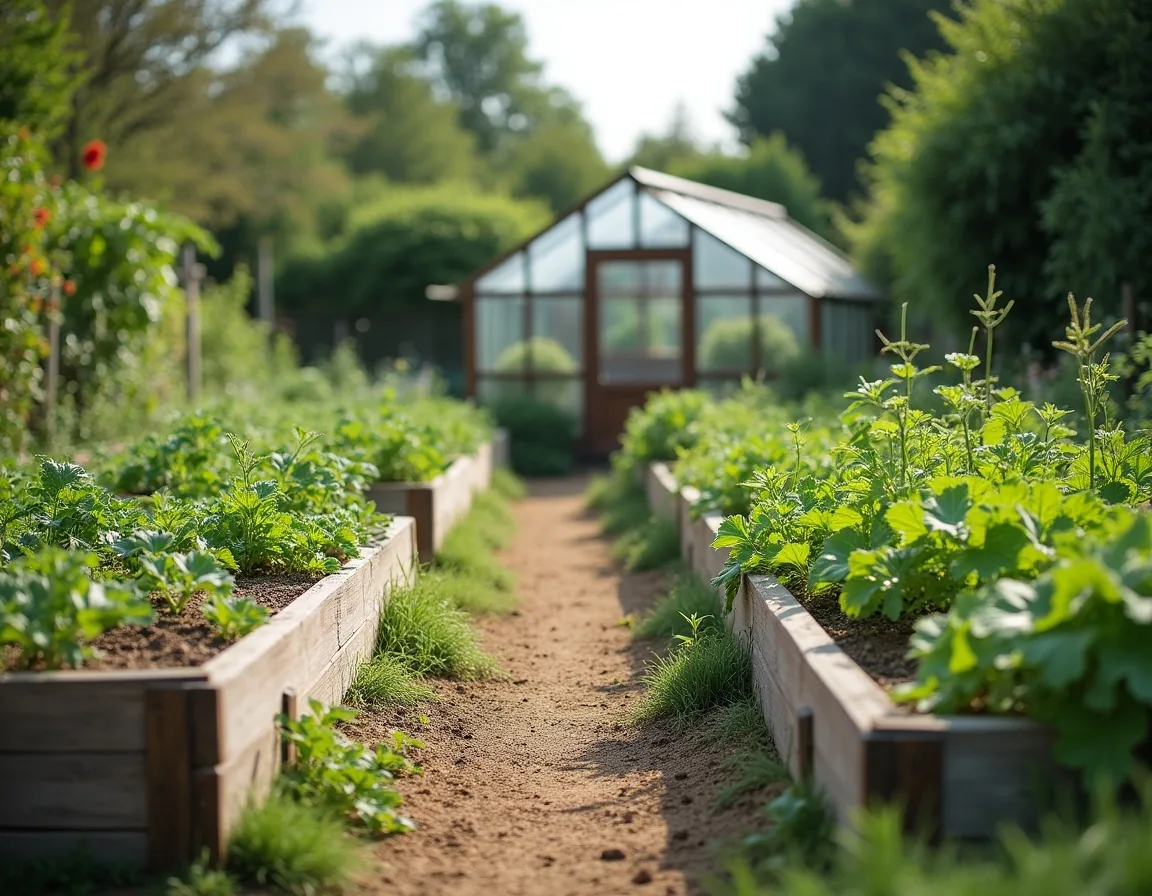
Make a raised bed under 1.5m (5ft) wide so you can reach the centre from either side without standing on the soil, any length you like, and 30cm (1ft) deep for salads or 45cm (18in) or more for most crops. Leave paths of at least 45cm between beds. Build it from pressure-treated sleepers, brick, stone or recycled plastic, and fill it with a mix of topsoil, organic matter and sharp sand.
Why build a raised bed
A raised bed is just an enclosed bed built above ground level, but it solves a lot of problems at once. You fill it with exactly the soil you want, so it works even where your ground is poor, heavy or prone to waterlogging. It warms up faster in spring for an earlier start, it is easier on your back, and because you never walk on it the soil stays open and uncompacted.
Beds also make the growing year simpler: it is easy to rotate crops between them and to cover them against frost and pests. If you are planning a veg plot, this pairs naturally with our guides on planning a vegetable garden and no-dig growing, which suits raised beds particularly well.
What size to make it
The numbers that matter are about reach and access: you want to tend the whole bed from the paths, and move a barrow between beds.
| Dimension | Aim for | Why |
|---|---|---|
| Width | Under 1.5m (5ft) | Lets you reach the centre from either side without standing on the soil |
| Length | Any | Prefer several shorter beds to one long run, which is easier to work around |
| Depth (shallow) | 30cm (1ft) | Enough for salad leaves, strawberries and dwarf bulbs |
| Depth (general) | 45cm (18in) or more | Most plants, and fruit bushes, shrubs and small trees, need this |
| Path (wheelbarrow) | At least 45cm (18in) | Room to work and to get a wheelbarrow between beds |
| Path (wheelchair) | At least 1m (3.5ft) | Width needed for wheelchair access |
Run long beds north to south so both sides get even light, and site them in sun, away from the shade of trees. Several smaller beds are easier to work than one big one, and drawing them to scale in the designer first shows you how many will actually fit and where the paths land.
Which material to build from
Timber is the usual choice: versatile, quick to build with, and pressure-treated softwood sleepers last for years at a sensible outlay. Brick, stone and recycled plastic all work too, each with trade-offs.
| Material | What to know |
|---|---|
| Timber | The most popular and versatile. Pressure-treated softwood sleepers are economical and last for years; untreated wood (pallets, scaffold boards) is shorter-lived, so line it with recycled plastic |
| Ready-made timber kits | Screw together and drop in place, good for beginners and small projects |
| Brick | Strong and durable, and can make curved beds. Engineering bricks are weather resistant; walls over 20cm (8in) need mortar and concrete footings |
| Stone | Natural or walling stone; usually needs skilled construction and footings |
| Paving slabs on edge | Inexpensive single-layer bed; bury at least 15cm (6in) for stability, leaving about 45cm (18in) above ground |
| Recycled plastic | Very durable and maintenance-free 'sleepers', though only in set sizes |
What to fill it with
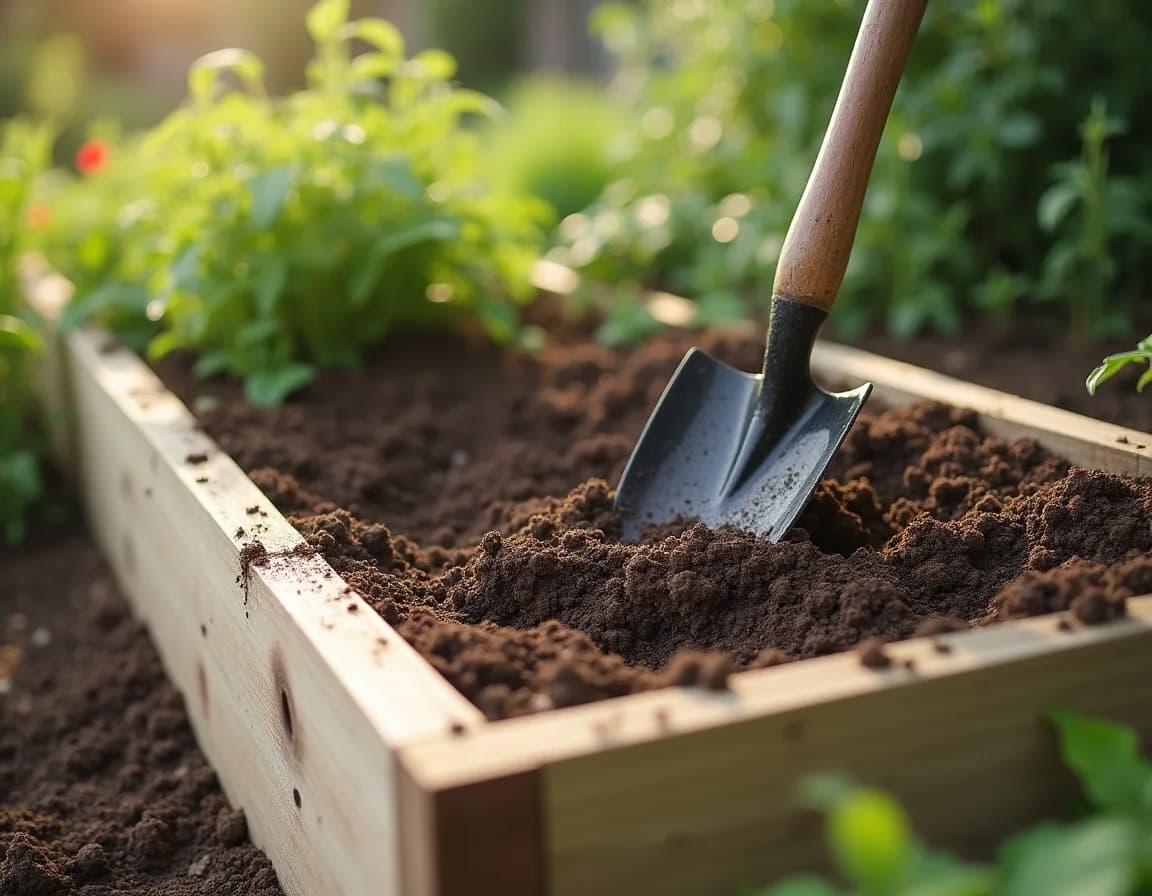
Fill the bed with a blend of topsoil for body, organic matter for fertility and structure, and sharp sand for drainage. The right mix depends on where the bed sits and what you are growing.
| Situation | Fill mix (by volume) |
|---|---|
| Most beds | 7 parts topsoil, 3 parts organic matter, 2 parts sharp sand |
| Free-draining (alpines, bulbs, herbs) | As above but double the sharp sand |
| On a hard surface | 7 parts topsoil, 4 parts sharp sand, 3 parts organic matter |
For a bed deeper than 50cm (20in), part-fill the base with rubble or subsoil for drainage and to save on good soil, and lay any removed turf upside down at the bottom to rot down. Fill to about 5cm (2in) below the rim, firm it gently, and leave it a couple of weeks to settle before you sow or plant, topping up if it sinks.
When to build, and looking after it
You can build a raised bed at any time of year, though most people do it in winter when there is more time. If your ground is heavy and waterlogs, build in late summer when it is drier and easier to work, and avoid handling soil that is very wet or frozen.
The one catch with raised beds is that their good drainage means they dry out faster than open ground, so keep an eye on watering in warm, windy spells and spread a mulch over the surface to hold moisture in. If you build from untreated timber it will soften over a few years as fungi break it down, so expect the odd repair.
Frequently asked questions
How wide should a raised bed be?
Keep it under about 1.5m (5ft) so you can comfortably reach the middle from either side without standing on the soil. Any length is fine, but several shorter beds are easier to work around than one long run.
How deep should a raised bed be?
About 30cm (1ft) is enough for salad leaves, strawberries and dwarf bulbs. Most crops, and fruit bushes, shrubs and small trees, want 45cm (18in) or more. On a hard surface, deeper is better for drainage and root room.
What is the best material for a raised bed?
Timber is the most popular, and pressure-treated softwood sleepers give the best balance of life and cost. Brick, stone and recycled-plastic sleepers all last well too; brick and stone usually need footings and some skill to build.
What should I fill a raised bed with?
A general mix of seven parts topsoil, three parts organic matter (such as garden compost or well-rotted manure) and two parts sharp sand suits most beds. Double the sand for sharp-draining plants like herbs and alpines. For deep beds, part-fill the base with rubble or subsoil.
Can I put a raised bed on a patio or hard surface?
Yes. Add plenty of drainage holes (or leave gaps in the lower courses of masonry), use a slightly sandier fill (seven parts topsoil, four parts sharp sand, three parts organic matter), and expect to refresh the soil regularly as drainage is faster.
How we checked this1 sourceView sourcesHide
Our guides draw on expert bodies like the RHS and Garden Organic, plus experienced growers, read at source. We check every guide against those sources on the date shown, and where advice differs between them, we say so. Garden Plans is published by Limely.
- AuthorityHow to make a raised bed, Royal Horticultural Society. Checked 22 Oct 2026.