Garden guides.
Practical, UK-focused guides on planning, growing and designing your garden. Each one is researched from authoritative sources and built to go with the free designer.
- Free to use, no signup
- Everything drawn to scale
- Works in your browser
- Export or get an AI preview
Guide categories
Find your guide.
Design a garden from scratch
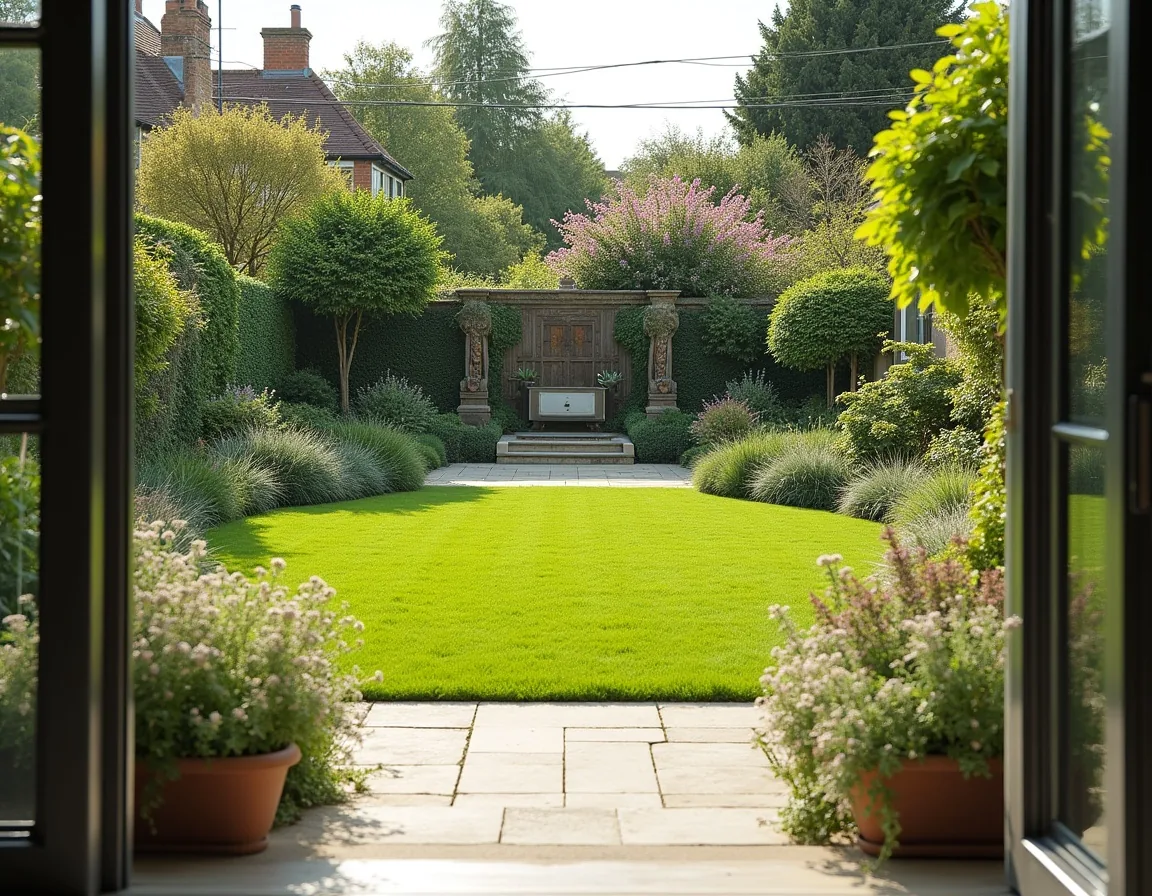
Decide how you want to use the space, get to know its sun, soil and shelter, measure and draw it to scale, then settle the layout before you plan the planting.
Plan a planting border
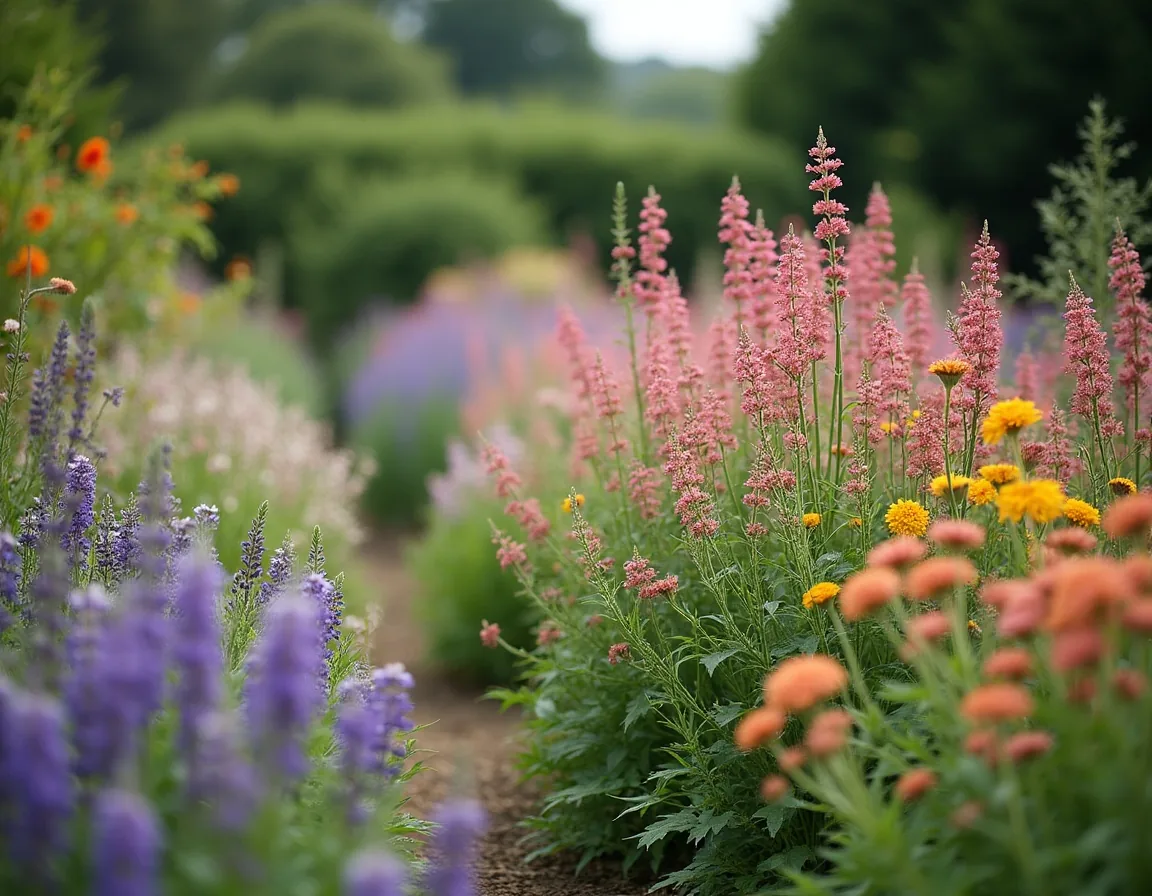
Match plants to your conditions, set the evergreen structure first, group and layer the rest, keep the colour palette tight, and aim for something good every month.
Sun, shade and aspect
Find which way your garden faces, map where the sun falls through the day, then match each plant to the light that spot actually gets.
Raised bed sizes and materials
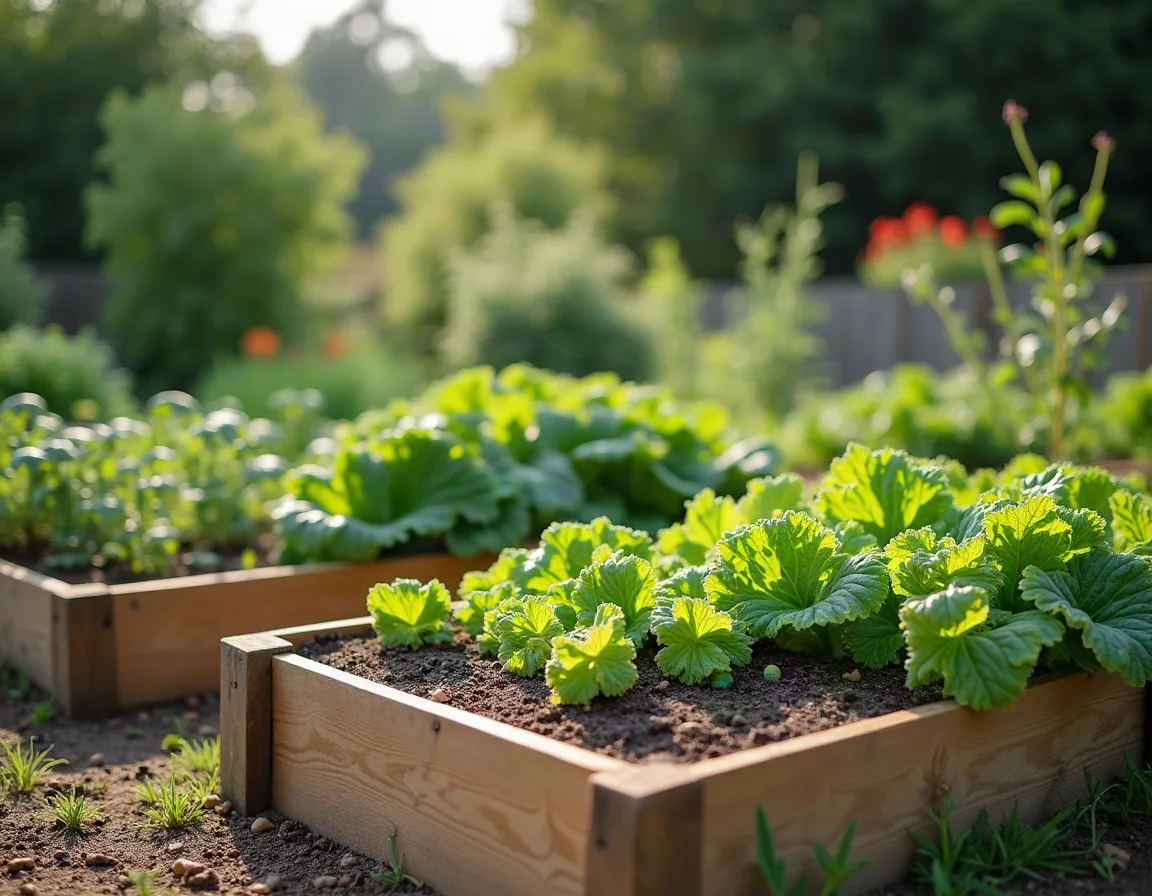
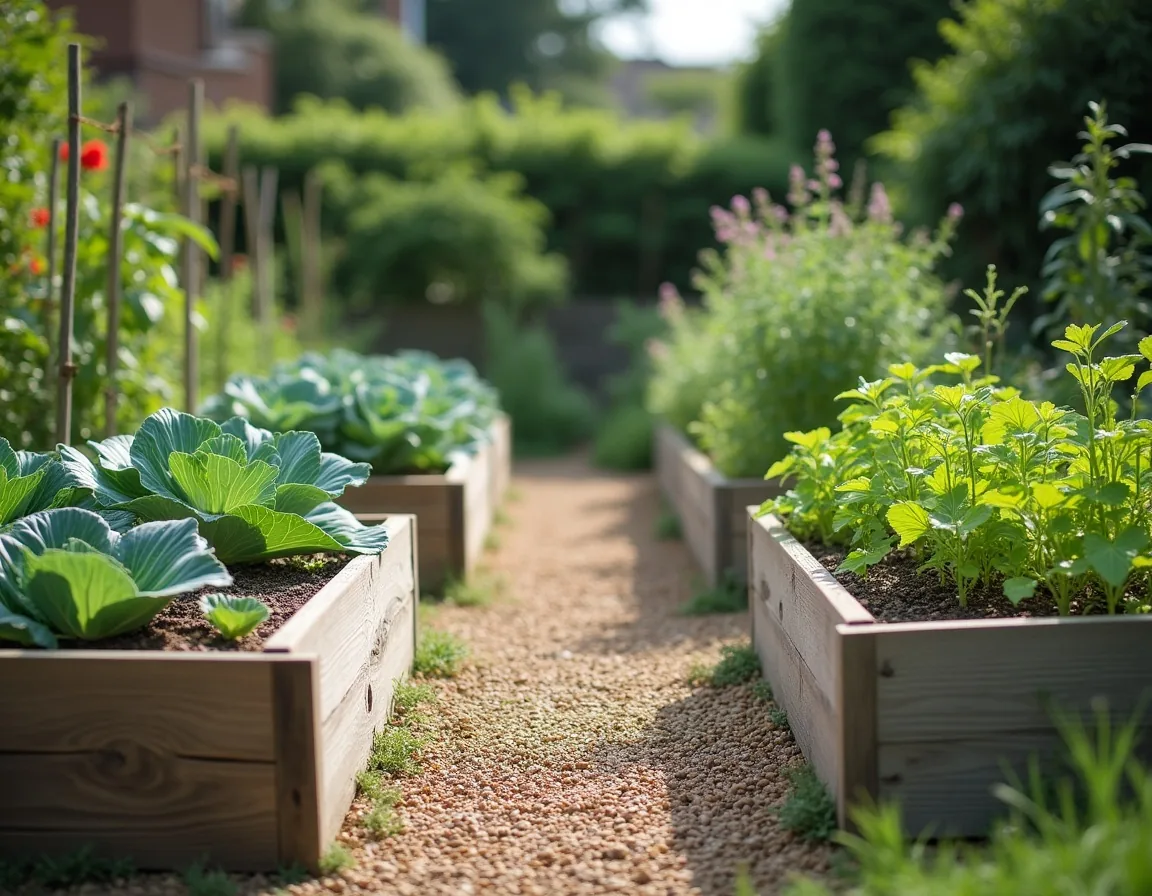
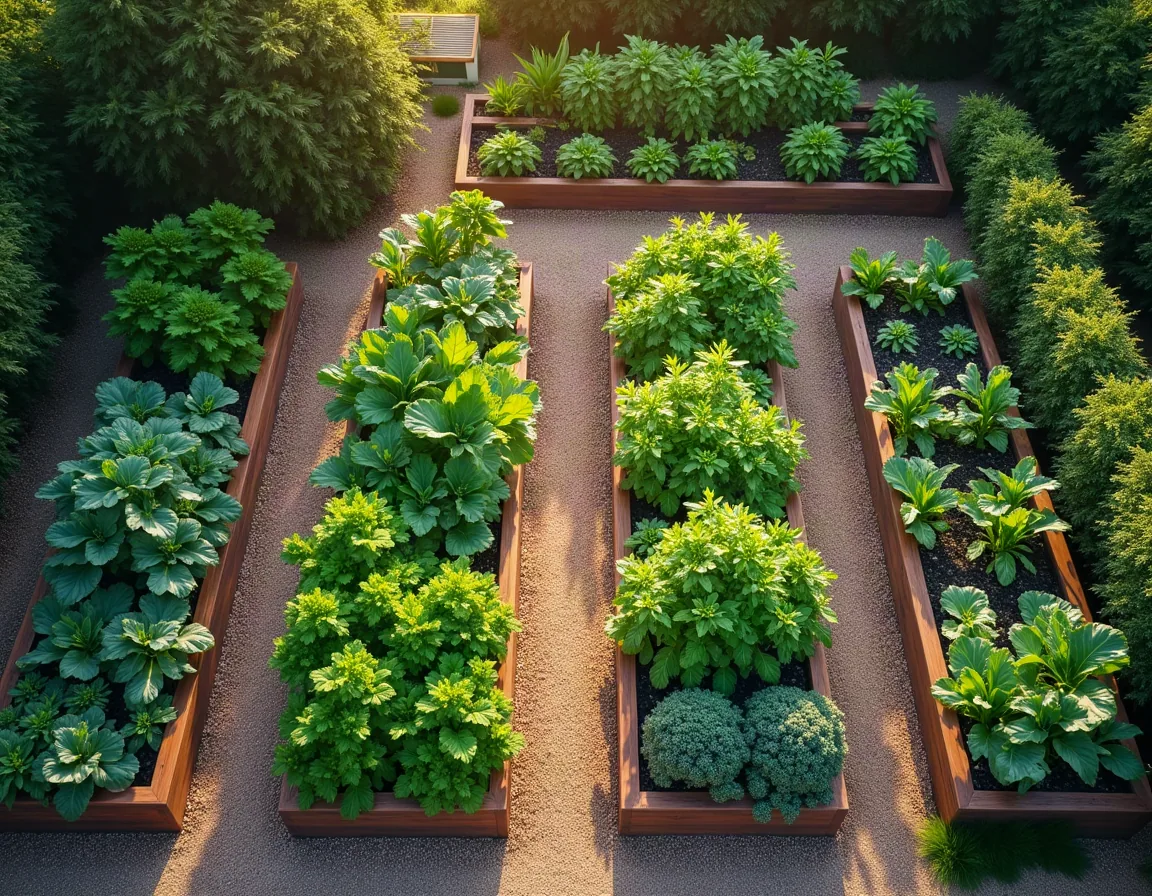
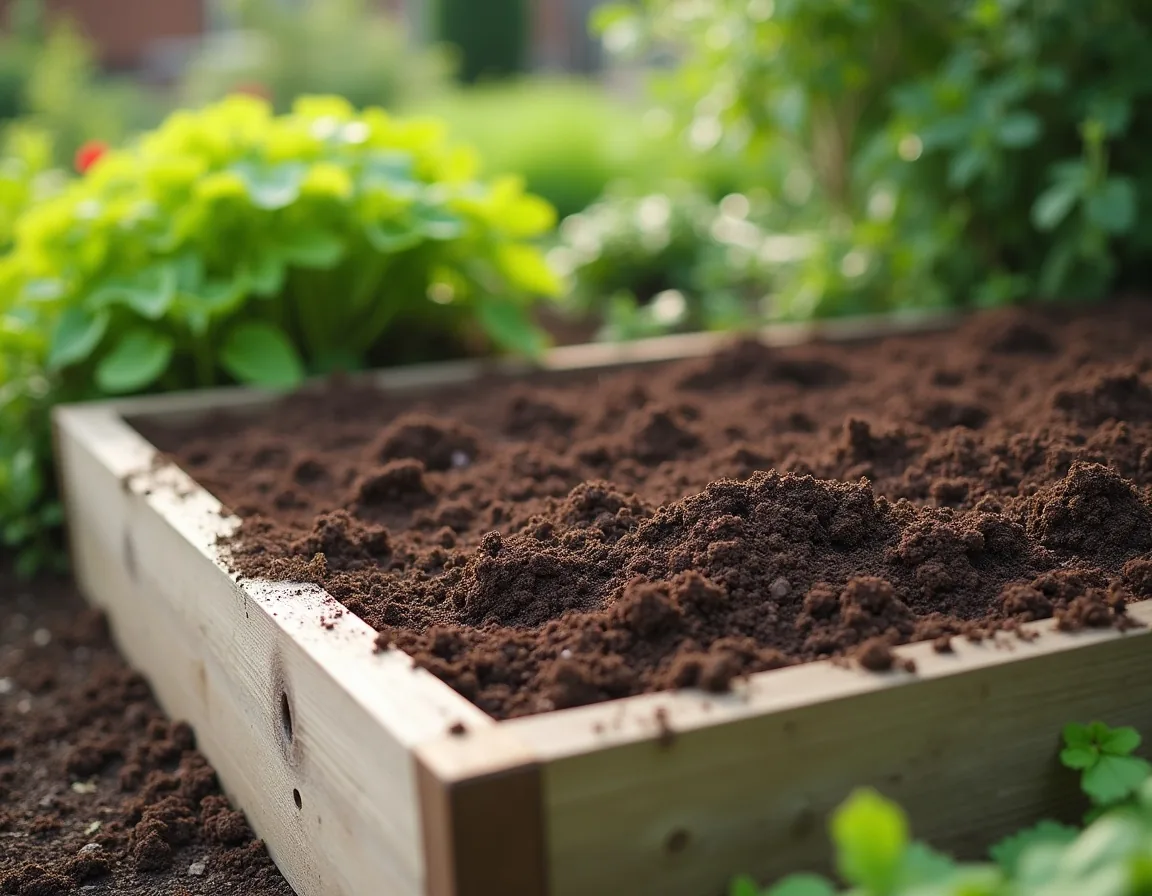
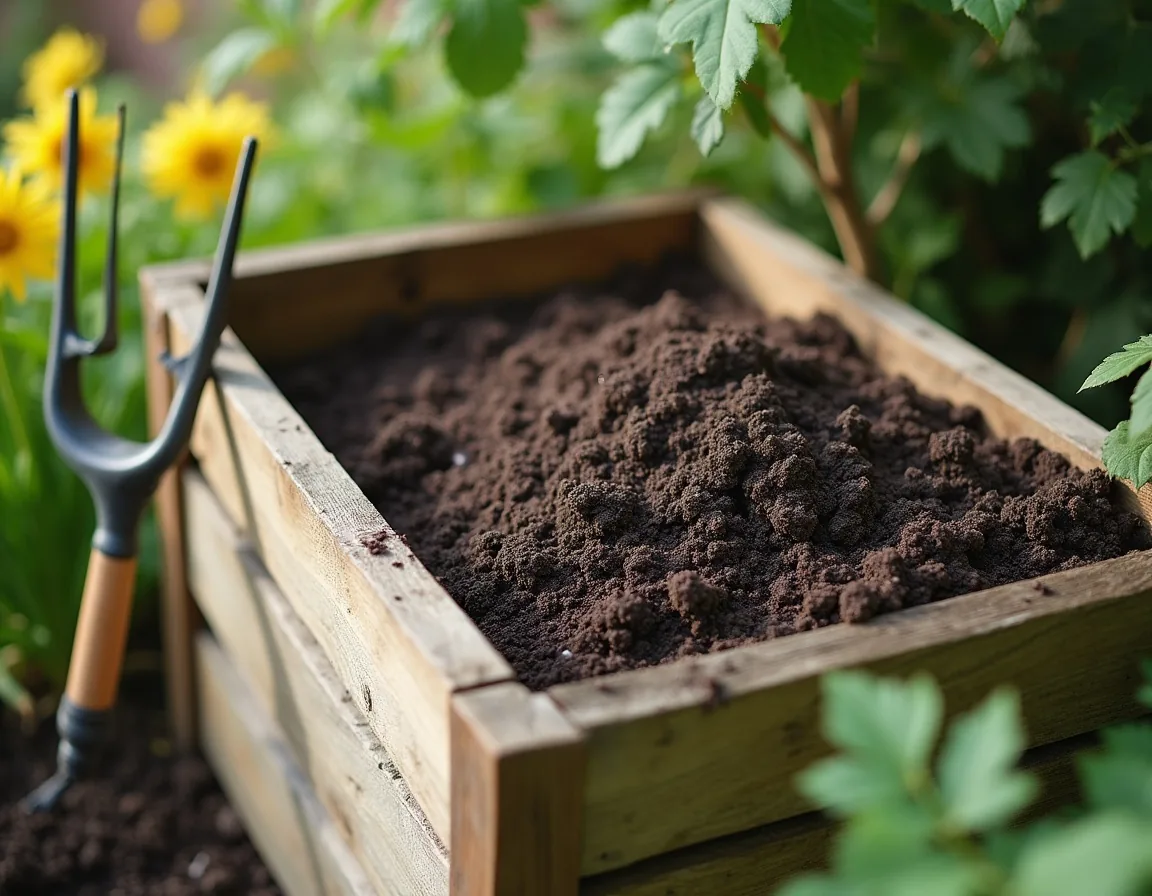
Keep beds under 1.5m wide so you can reach the middle, 30cm deep for salads or 45cm+ for most crops, built from sleepers, brick or recycled plastic and filled with a topsoil and compost mix.
Plant for pollinators
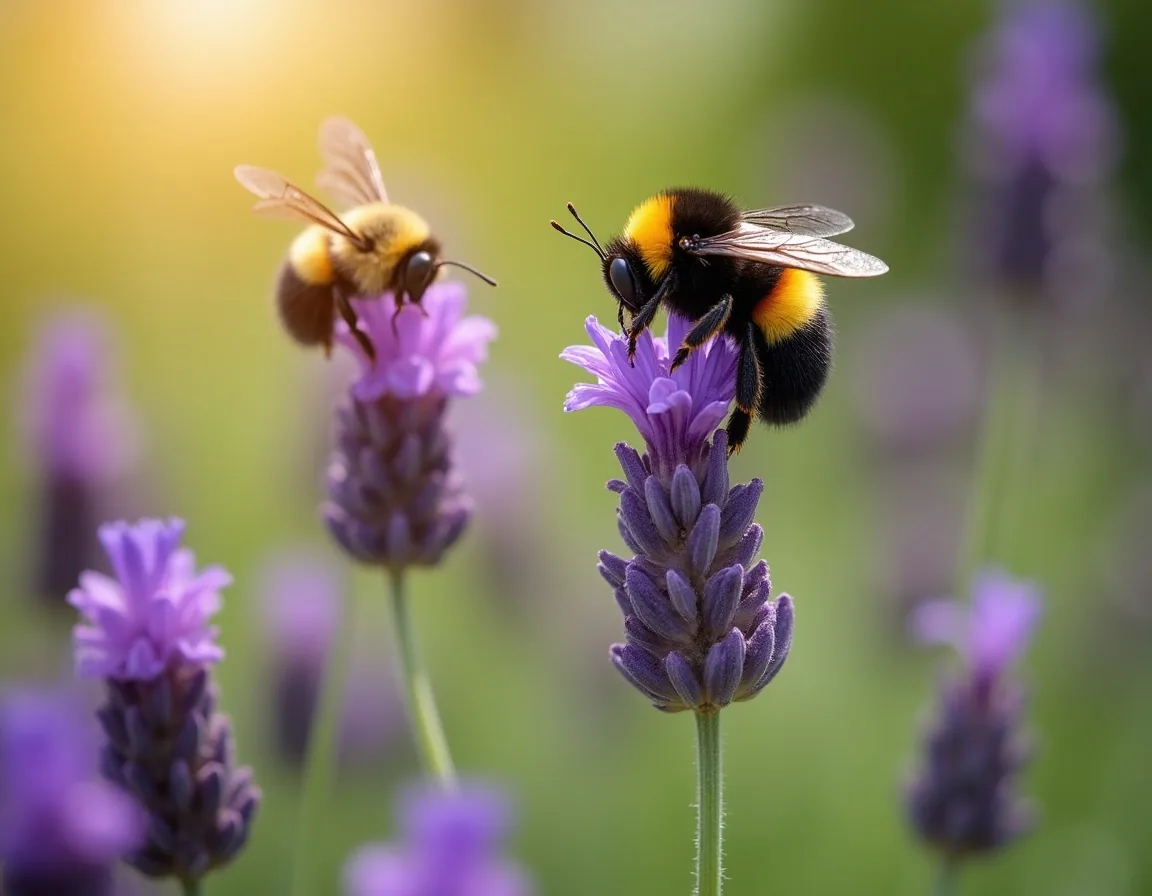
Grow single, open flowers across all four seasons, plant them in groups, skip the pesticides, and leave a little mess for shelter.
Plan a vegetable garden
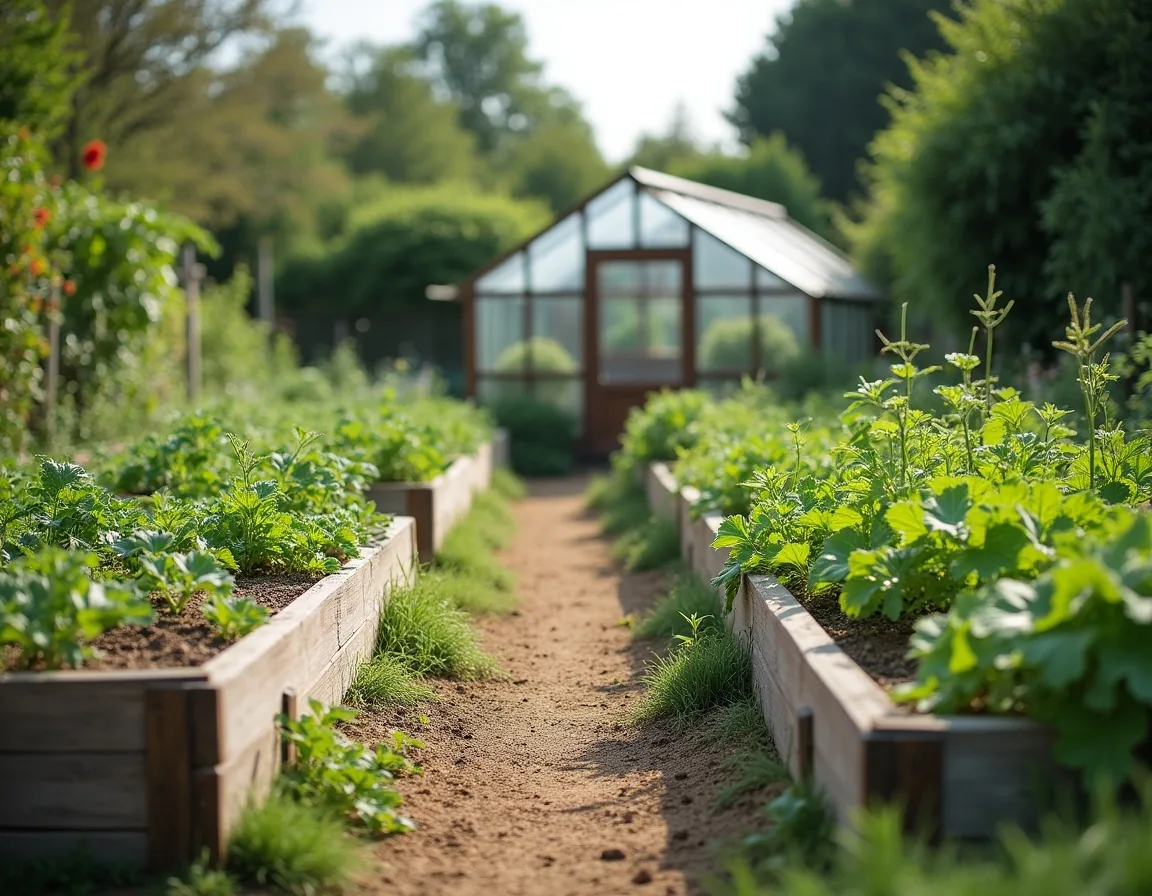
Pick a sunny, sheltered spot, start small, size your beds so you can reach the middle, grow a few easy crops, and set it all out before you build.
Crop rotation explained
Group your vegetables by family, give each group its own bed, and move each group on a step every year to cut pests and disease and keep the soil in balance.
Vegetable plant spacing
Each crop needs a set space to size up. Use the chart for how far apart to plant common veg, and space in a grid to fit more into a bed.
Growing vegetables in containers
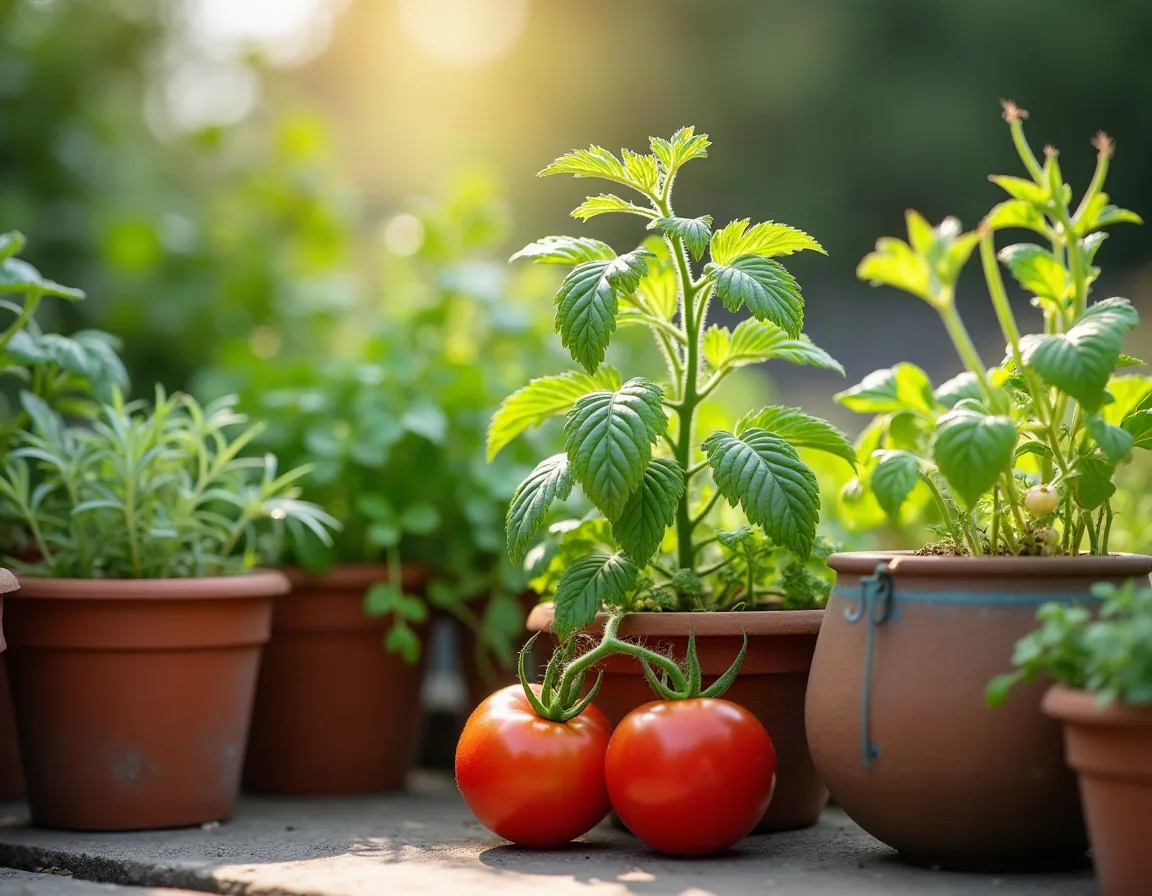
Pick a pot at least 45cm deep and wide, fill it with peat-free potting compost, grow easy crops like salad, beans and potatoes, and keep it watered and fed.
Growing potatoes
Chit early seed potatoes, plant from late March in rich soil or a big container, earth up as they grow, water as the tubers swell, then lift from June.
Growing tomatoes
Sow indoors in spring, grow in a greenhouse or warm sunny spot, water evenly and feed once fruits set, and remove the side-shoots on cordon types.
Growing carrots
Sow thinly straight into light, stone-free soil in sun, cover against carrot fly, water sparingly, and pull them young and sweet.
Growing onions
Plant sets in spring (or autumn for an early crop) in a sunny, free-draining bed, keep them weed-free, stop watering as the bulbs swell, then lift and dry them when the tops flop.
Growing runner beans
Give them sun, rich soil and tall supports, sow after the frosts, water well once they flower, and pick the young pods every few days to keep them coming.
Growing courgettes
Sow indoors in warmth from April, plant out after the frosts into rich, moist soil, water heavily, and pick the courgettes small and often.
Identify your soil type
Roll a handful of moist soil to find its texture, add vinegar to check for chalk, test the pH, then choose plants and improvements to match.
No-dig gardening
Stop turning the soil, feed it from the top with compost each year, and let the worms and fungi do the digging for you.
How to make compost
Mix roughly equal greens and browns in a bin in a shady spot, keep it moist and aired, and in six months to a year you will have free compost.
Mulching
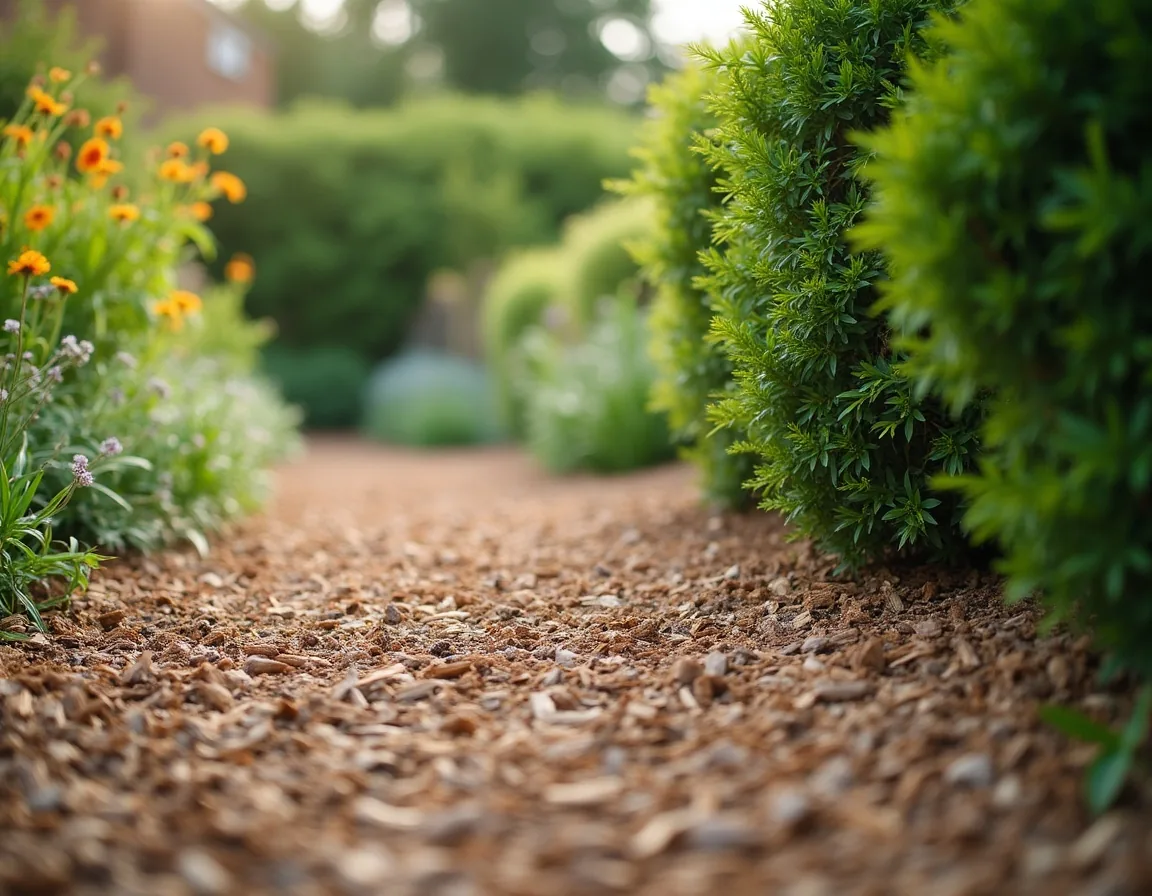
Spread a 5 to 7.5cm layer of organic matter over moist, weeded soil each year to hold in water, smother weeds and feed the ground, keeping it clear of plant stems.
Peat-free gardening
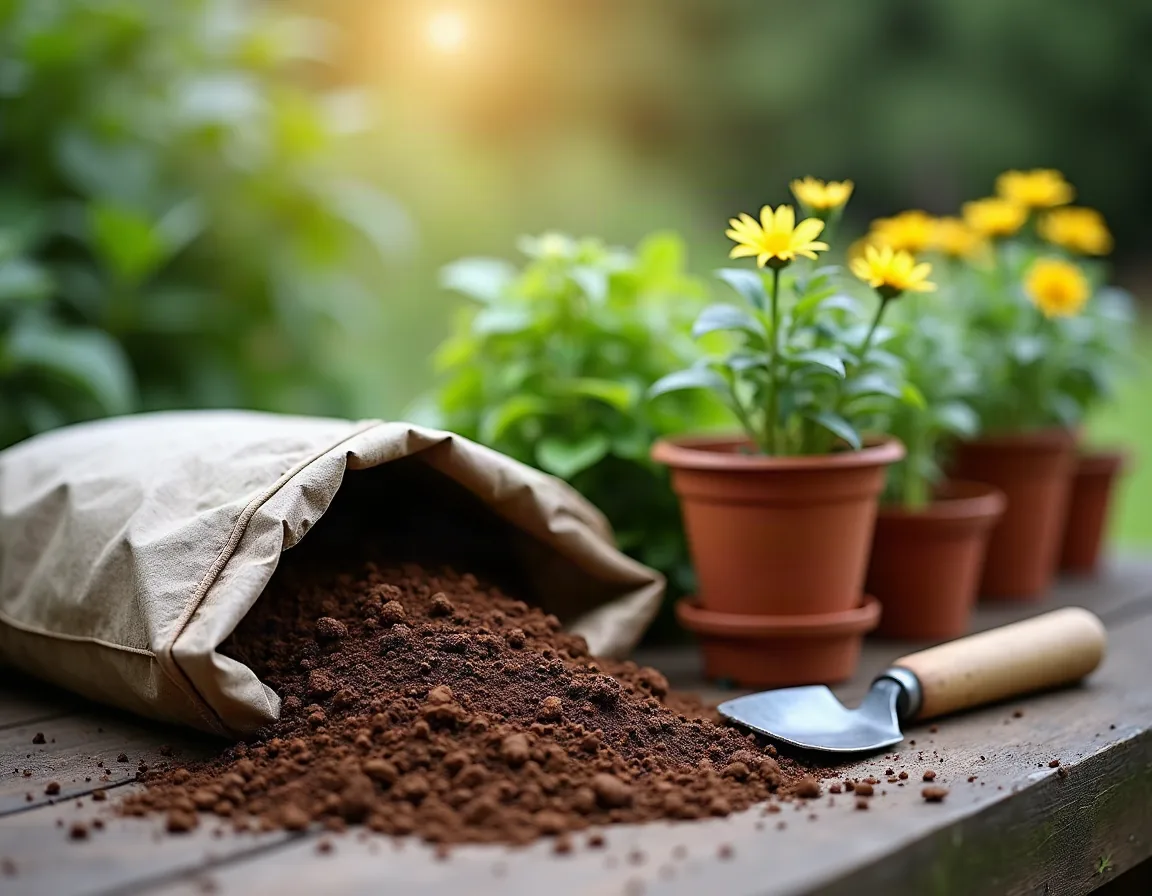
Peat-free compost protects carbon-rich bogs and grows plants just as well, as long as you water and feed it a little differently.
Create a herb garden
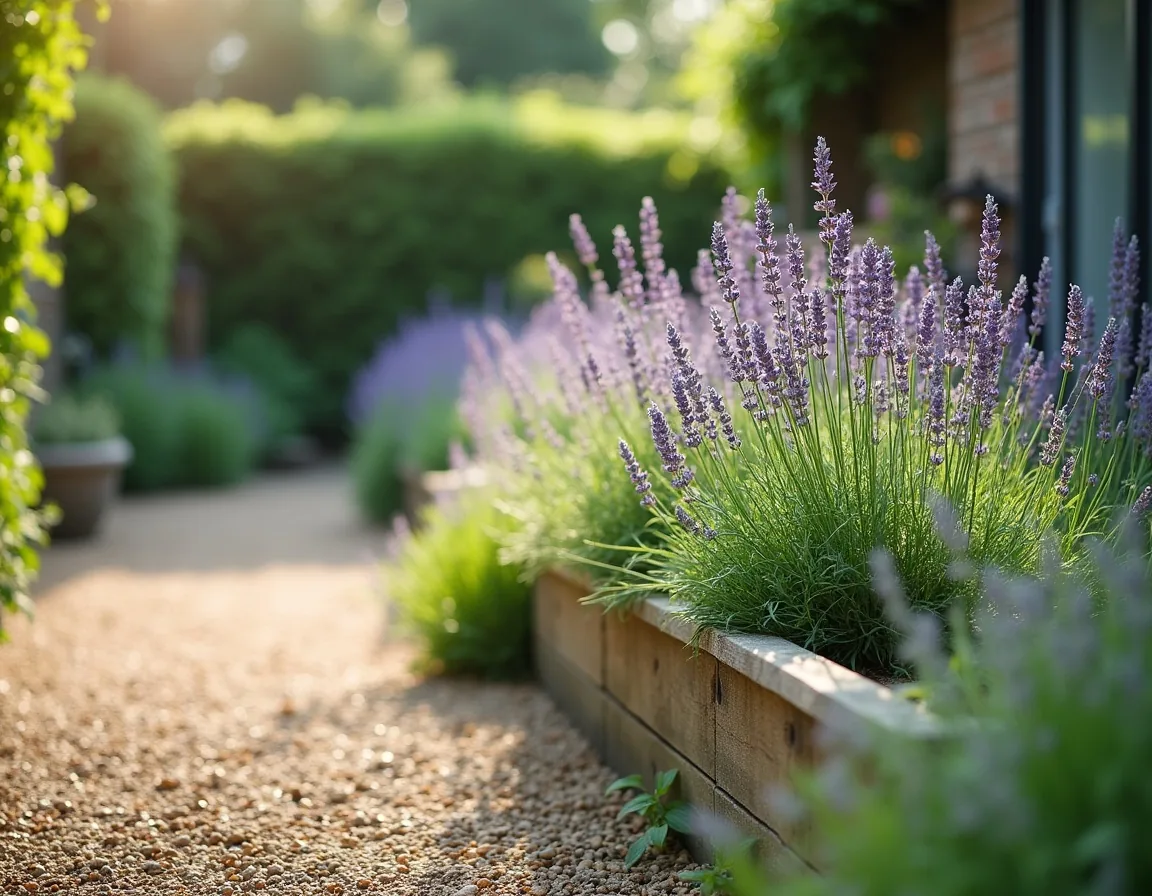
Pick a sunny, sheltered spot near the kitchen, group herbs by what they need, keep mint in a pot, and pick often to keep plants bushy.
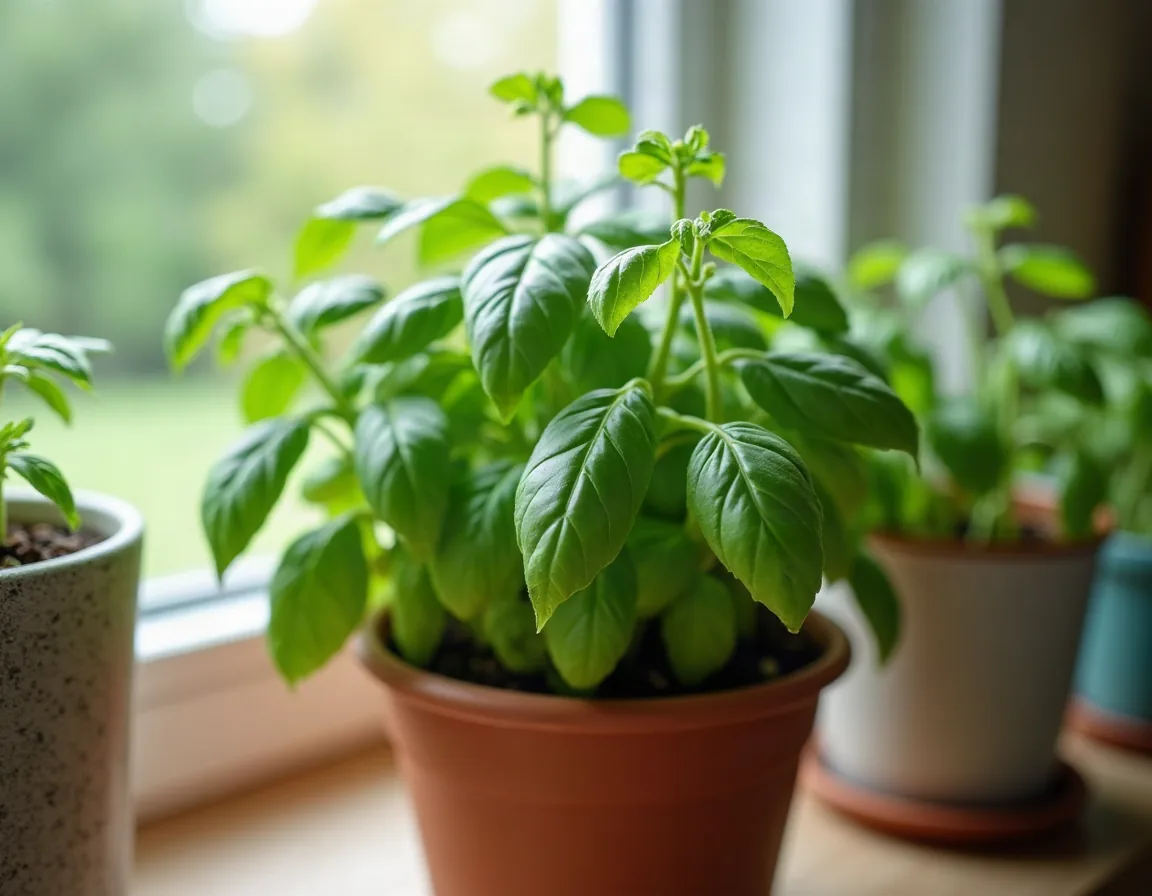
Growing basil
Sow indoors in warmth from March, grow it in a pot in the sunniest, most sheltered spot you have, water in the morning, and pick the tips often.
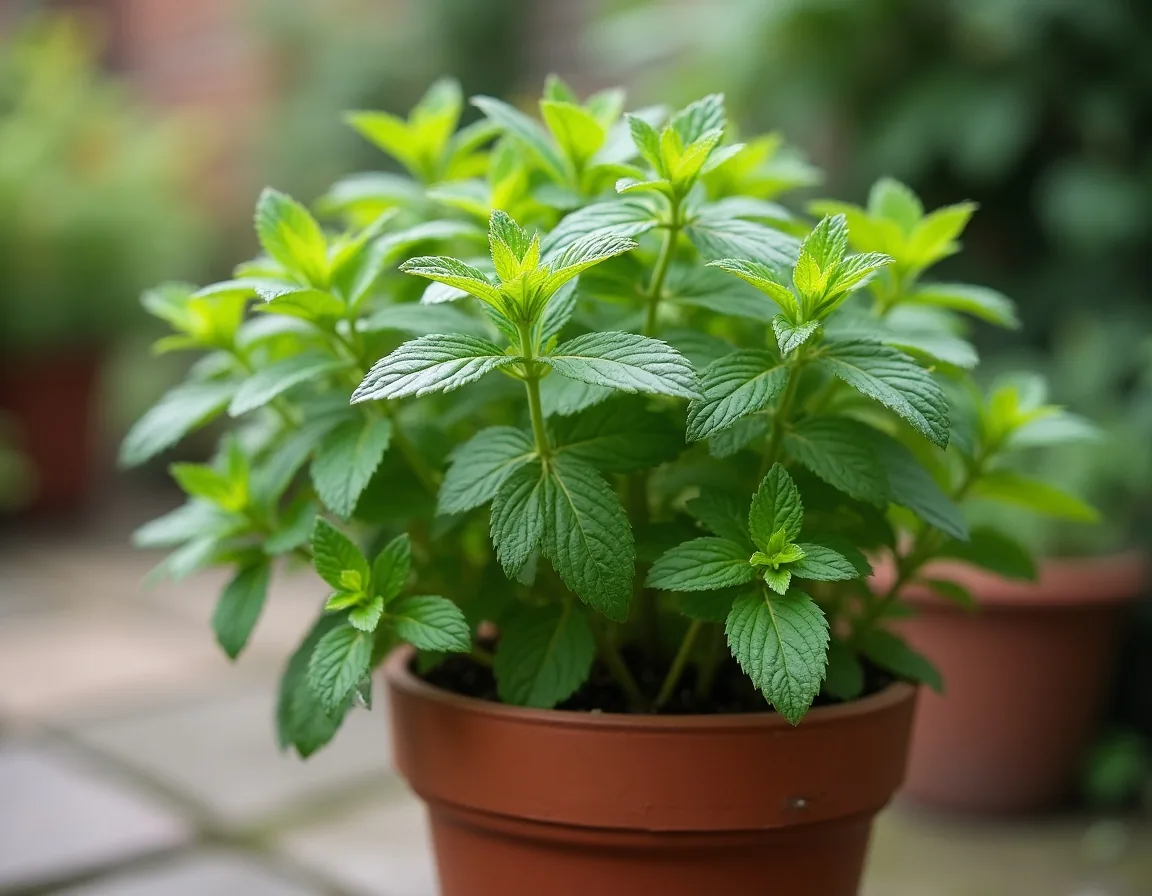
Growing mint
Grow mint in a pot to stop it spreading, in sun or part shade with moist soil, pick the young shoots often, and cut it back after flowering for more.
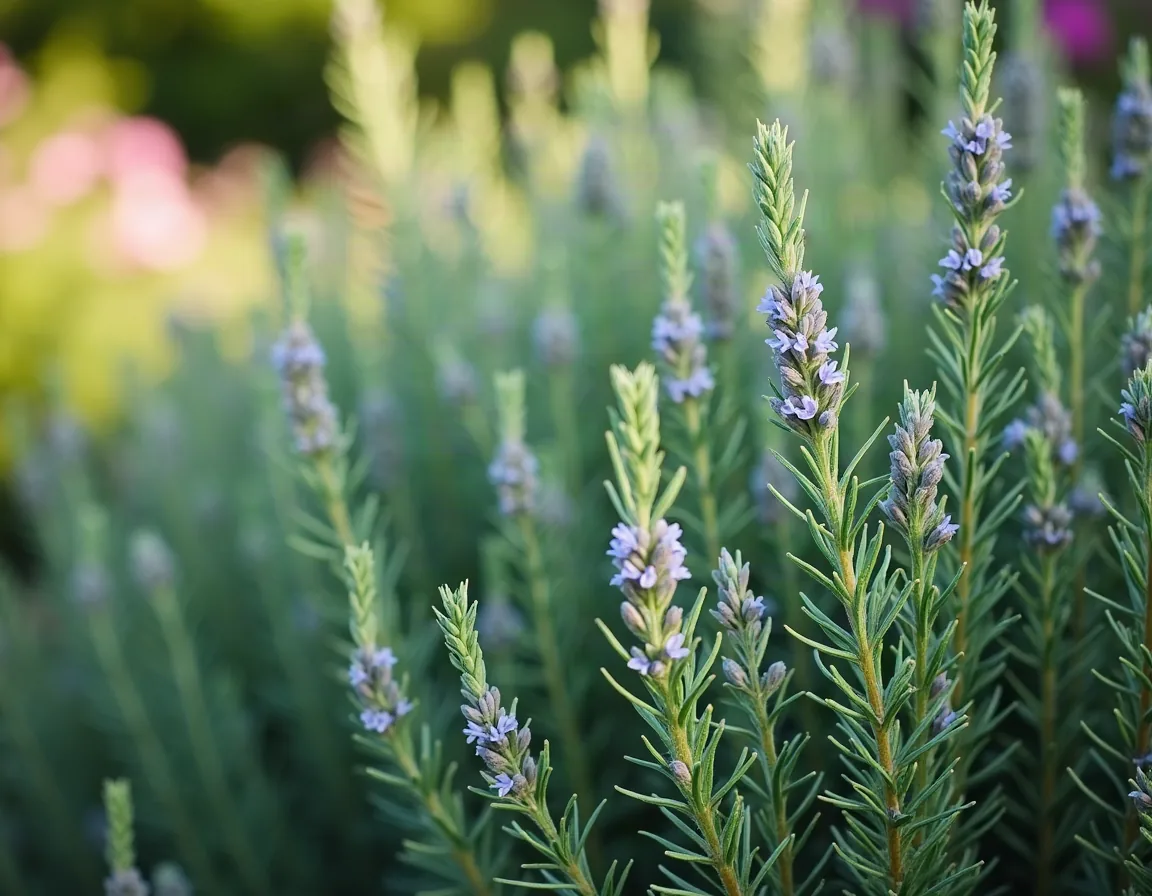
Grow rosemary
Give rosemary full sun and free-draining soil, keep it out of winter wet, prune lightly after flowering (never into bare old wood), and pick it all year.
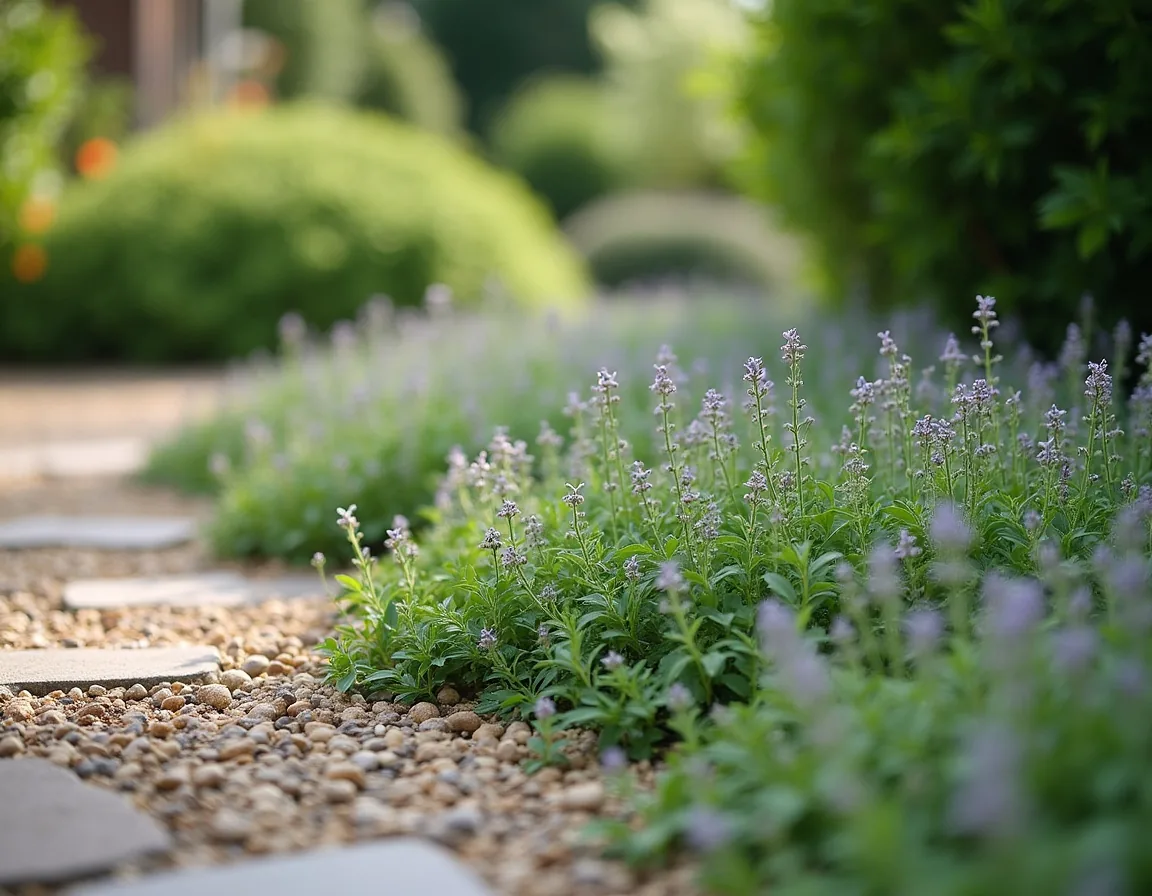
Growing thyme
Give thyme full sun and sharp drainage, water it rarely, trim it lightly after flowering, and pick sprigs all year round.
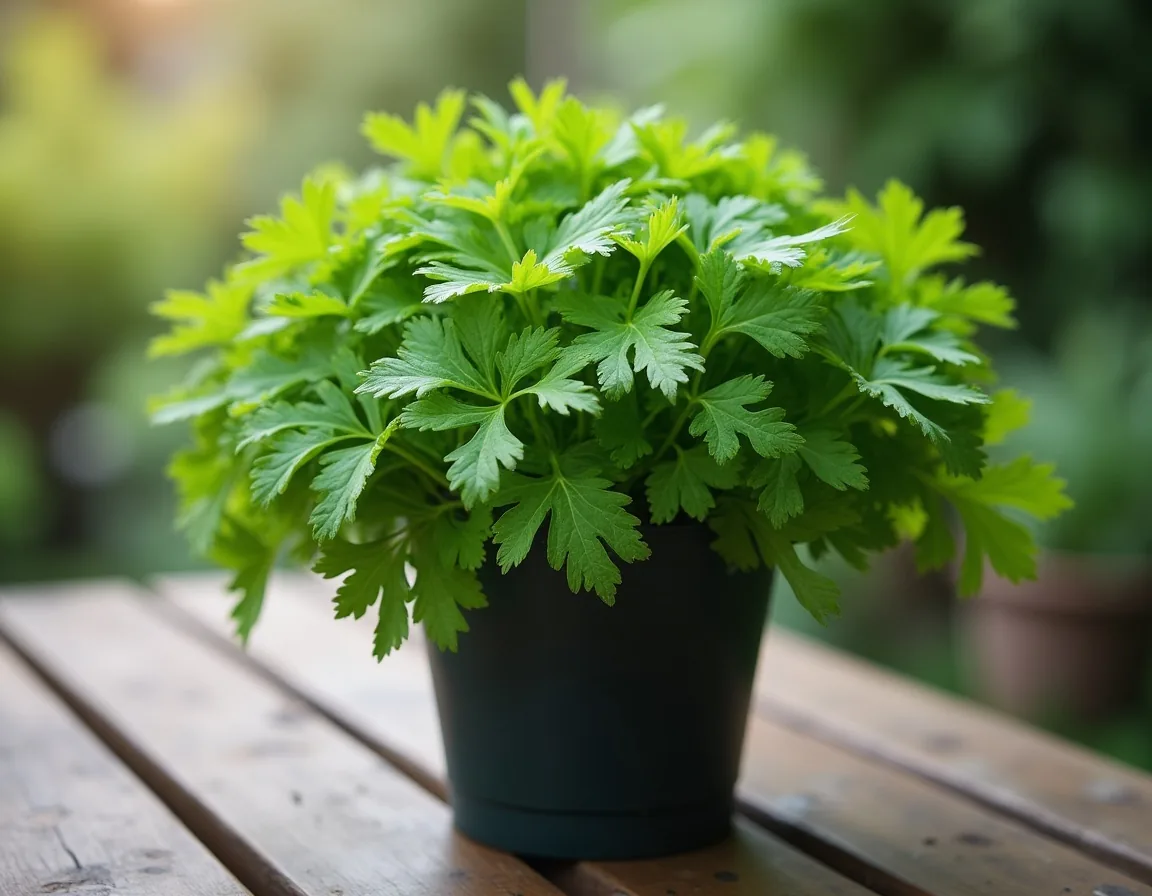
Growing parsley
Sow in moist, fertile soil in sun or light shade, be patient as it is slow to germinate, sow a little every few weeks, and pick the outer stems often.
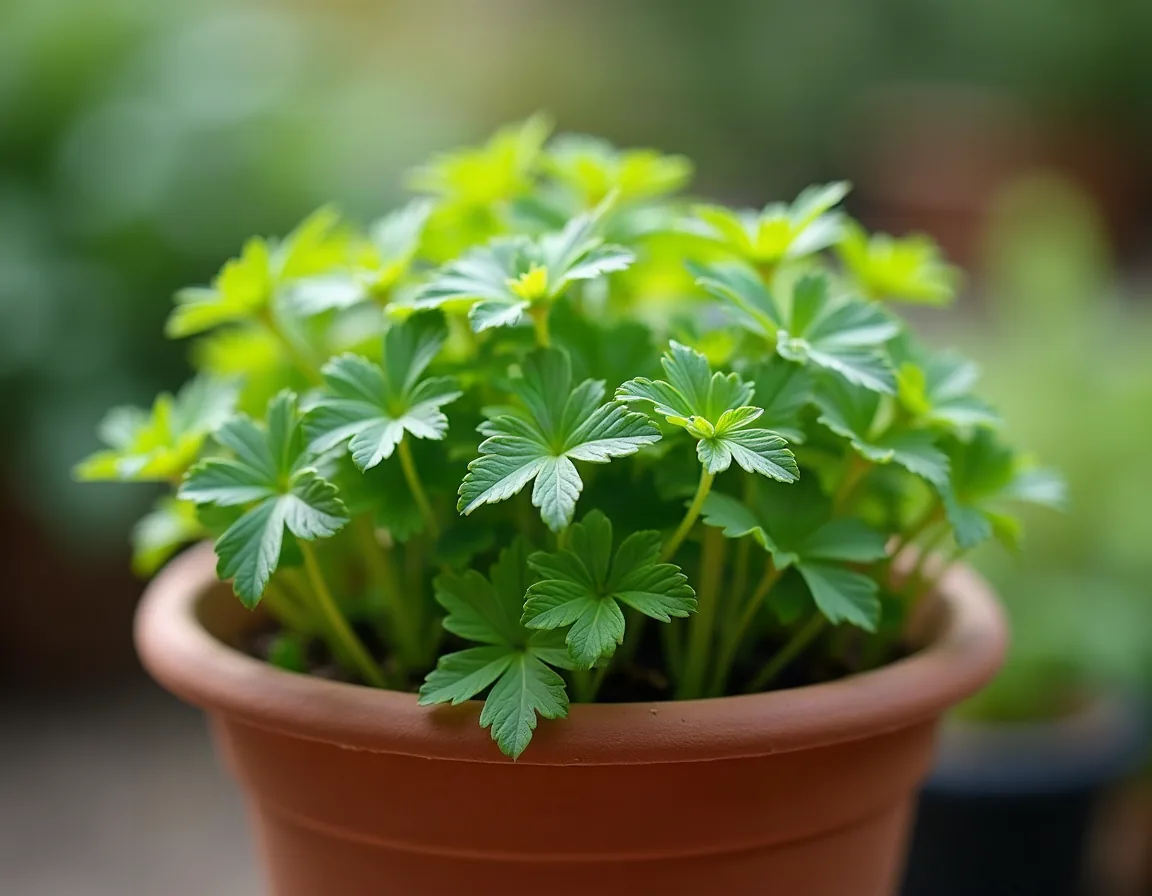
Growing coriander
Sow coriander straight where it is to grow, keep it cool and evenly moist so it does not bolt, sow a little every few weeks, and pick leaves young.
Got the vision?
Get it designed.
- Free to use, with no signup
- Draw your whole garden to real-world scale
- Save, export and share your plan
Start designing
Open the free designer, draw your garden to scale, then export it or generate a photorealistic AI preview of the finished result.
No signup. Works in any browser, on any device.
Open the free designer