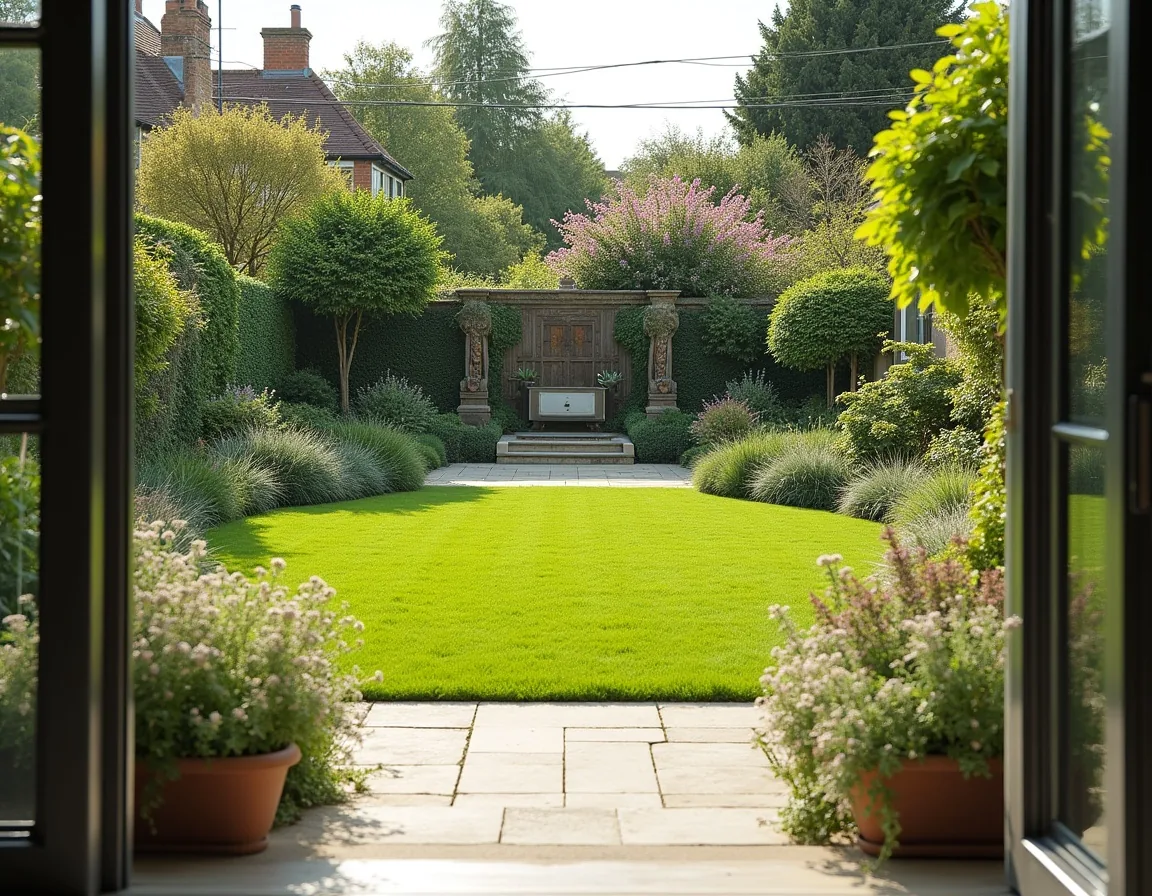
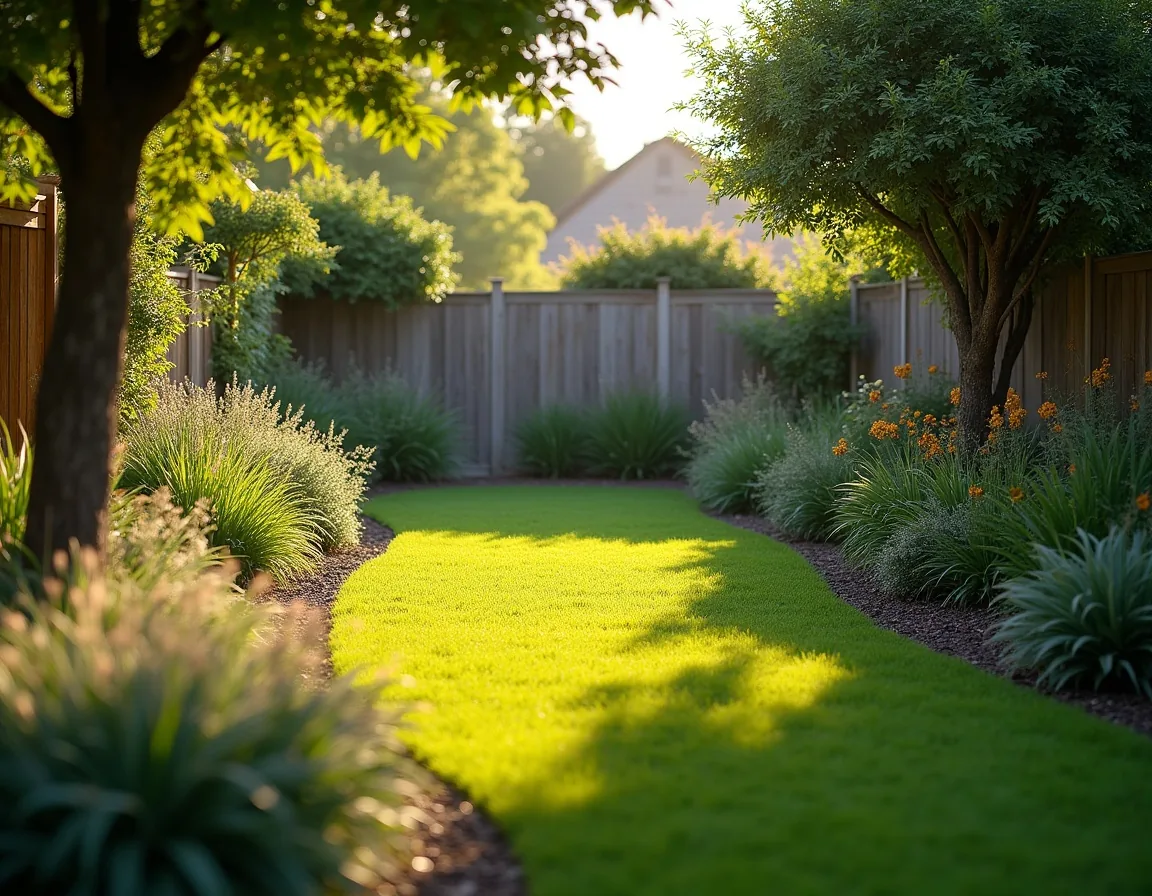
The short answer
Start with your conditions and pick plants to match (right plant, right place). Set the structure first with evergreens and larger shrubs, then fill in with groups of perennials in odd numbers, tall at the back and short at the front, repeating groups for rhythm. Keep the colour palette tight, and choose plants so there is something looking good in every month. Sketch it to scale before you buy, so you get the numbers right.
Start with your conditions
A border is just a defined area of planting, usually edging a lawn or a boundary. The single biggest thing that decides whether it thrives is matching the plants to the spot, what gardeners call right plant, right place. Get this right and the planting is more resilient, and you waste less money on plants that sulk or die.
Before choosing anything, note three things about the border:
- Soil: its type, how free-draining it is, and its pH. Our guide to identifying your soil covers this in five minutes.
- Aspect: south- and west-facing borders get the most sun and suit sun-lovers; east- and north-facing get the least and suit shade plants. Nearby trees and buildings change this, as do the seasons. Our guide to sun, shade and aspect goes deeper.
- Climate and exposure: the south and east of the UK are drier and sunnier, the north and west wetter and windier, and a single garden can hold several microclimates.
You can plan a border at any time of year. The planting itself is best done in spring or autumn. For the wider job of laying out a whole garden, see how to design a garden from scratch.
Build the structure first
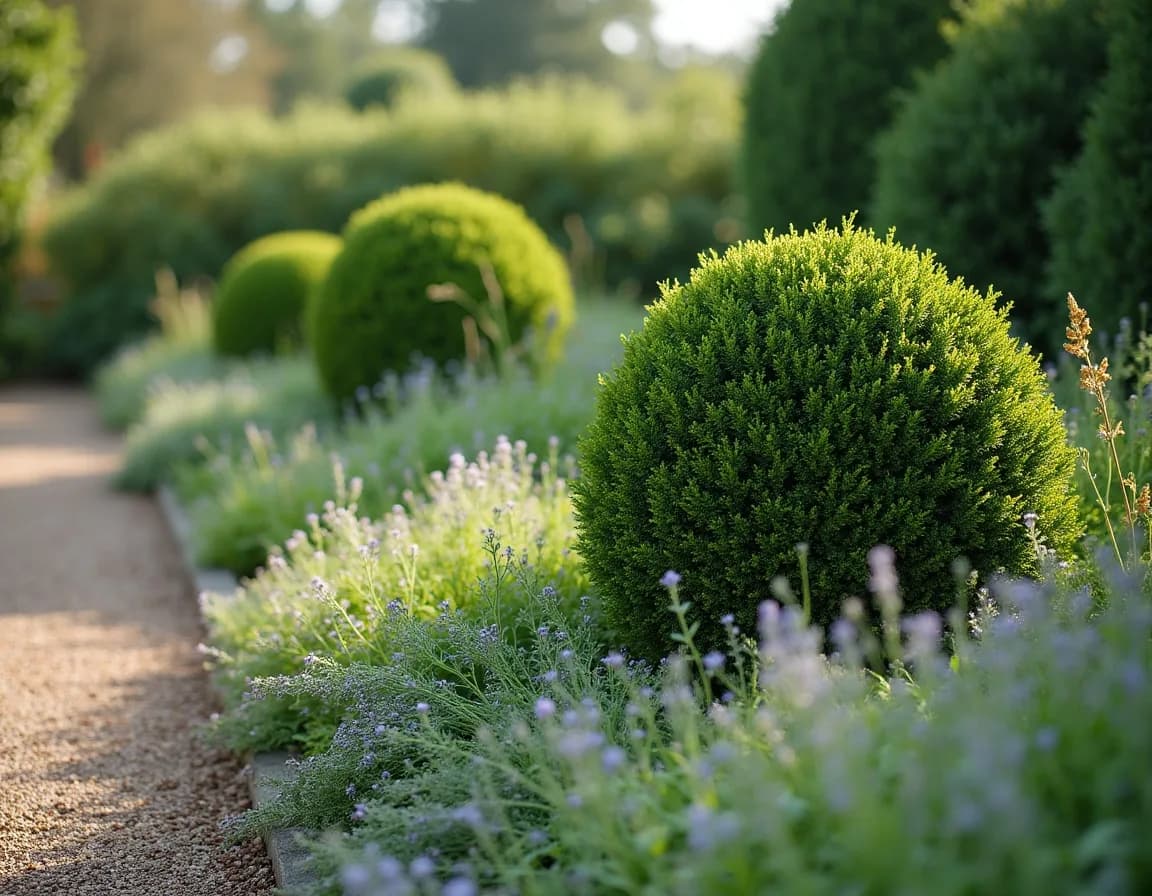
Good borders are built back to front and structure first. Place your evergreen and large structural plants before anything else: these are the bones of the border, and they are what carries it through winter when the perennials have died back. Hedges, topiary, a large pot or a piece of sculpture can do the same job.
| Layer | What goes here |
|---|---|
| Structure (the 'bones') | Evergreens, large shrubs, hedges, topiary or pots, placed first; they hold the border together and carry it through winter |
| Back of the border | Tall, substantial plants (a few slender, thin-canopy plants can come forward for a natural look) |
| Middle and front | Groups of perennials and small shrubs in odd numbers, repeated along the border, grading down to the shortest at the front |
Once the bones are in, fill around them. Tall, substantial plants generally belong towards the back, though a few tall, slender or thin-canopy plants can come forward for a looser, more natural look.
Group, repeat, and get the numbers right
Dotting single plants about makes a border look busy and disconnected. Instead, plant in groups of the same plant, ideally an odd number, and repeat those groups along the border. The repetition gives the eye a rhythm to follow and ties the whole scheme together.
To work out how many plants you need, measure the border's area and use this as a starting guide:
| Plant type | How many to fill 1 square metre |
|---|---|
| Herbaceous perennials | 5 per square metre |
| Small shrubs | 3 per square metre |
| Large shrubs | 1 per square metre |
Choose a colour scheme
Colour is where borders most often go wrong. In a small border, a limited palette looks calm and considered; lots of different colours look chaotic. Two schemes reliably work:
| Scheme | For example |
|---|---|
| Three colours next to each other on the colour wheel | blue, violet and mauve |
| Colours from opposite sides of the wheel | violet and yellow |
Do not forget green. It is usually the dominant colour in a border and acts as the glue, giving the eye a rest between the flower colours, so think about leaf shape and texture, not just blooms. A useful trick for depth: place the brightest, hottest colours and largest flowers nearest where you view the border from, and keep the paler, smaller flowers for the far end.
Plan for year-round interest
A border that peaks for three weeks in June and does nothing else is a missed opportunity. As you choose plants, write down the months each one looks its best, and aim to have something in flower or looking good in every month. This is also better for pollinators.
Two things make year-round interest much easier:
- Evergreens for colour, not just green. Evergreen foliage comes in gold, silver, blue, red and variegated forms, and can be as bright as flowers while holding the border together all winter.
- Plants with more than one season of interest. A plant like Amelanchier gives spring blossom, summer berries and fiery autumn colour, three seasons from one plant.
Frequently asked questions
How many plants do I need for my border?
Work out the area in square metres, then use roughly 5 herbaceous perennials, or 3 small shrubs, or 1 large shrub per square metre as a starting guide. Drawing the border to scale first makes the count accurate and avoids overcrowding.
What order should I plant a border in?
Structure first. Place evergreens and large structural plants to form the 'bones', then add groups of perennials and smaller shrubs around them, with the tallest towards the back and the shortest at the front.
Why plant in odd numbers?
Groups of the same plant in odd numbers read as natural drifts rather than a 'bitty' collection of singles. Repeating those groups along the border gives it rhythm and ties the scheme together.
How do I choose colours for a border?
Keep the palette tight, especially in a small border. Either pick three colours next to each other on the colour wheel (such as blue, violet and mauve) or two from opposite sides (such as violet and yellow). Green foliage unifies the whole thing.
When is the best time to plant a border?
You can plan a border any time, but plant it in spring or autumn when the soil is warm and moist. Prepare the ground over winter (if it is not waterlogged or frozen) or in late summer, ready to plant.
How we checked this2 sourcesView sourcesHide
Our guides draw on expert bodies like the RHS and Garden Organic, plus experienced growers, read at source. We check every guide against those sources on the date shown, and where advice differs between them, we say so. Garden Plans is published by Limely.
- AuthorityHow to plan a border, Royal Horticultural Society. Checked 22 Oct 2026.
- AuthorityKeep your garden looking great all year, Royal Horticultural Society. Checked 22 Oct 2026.