The short answer
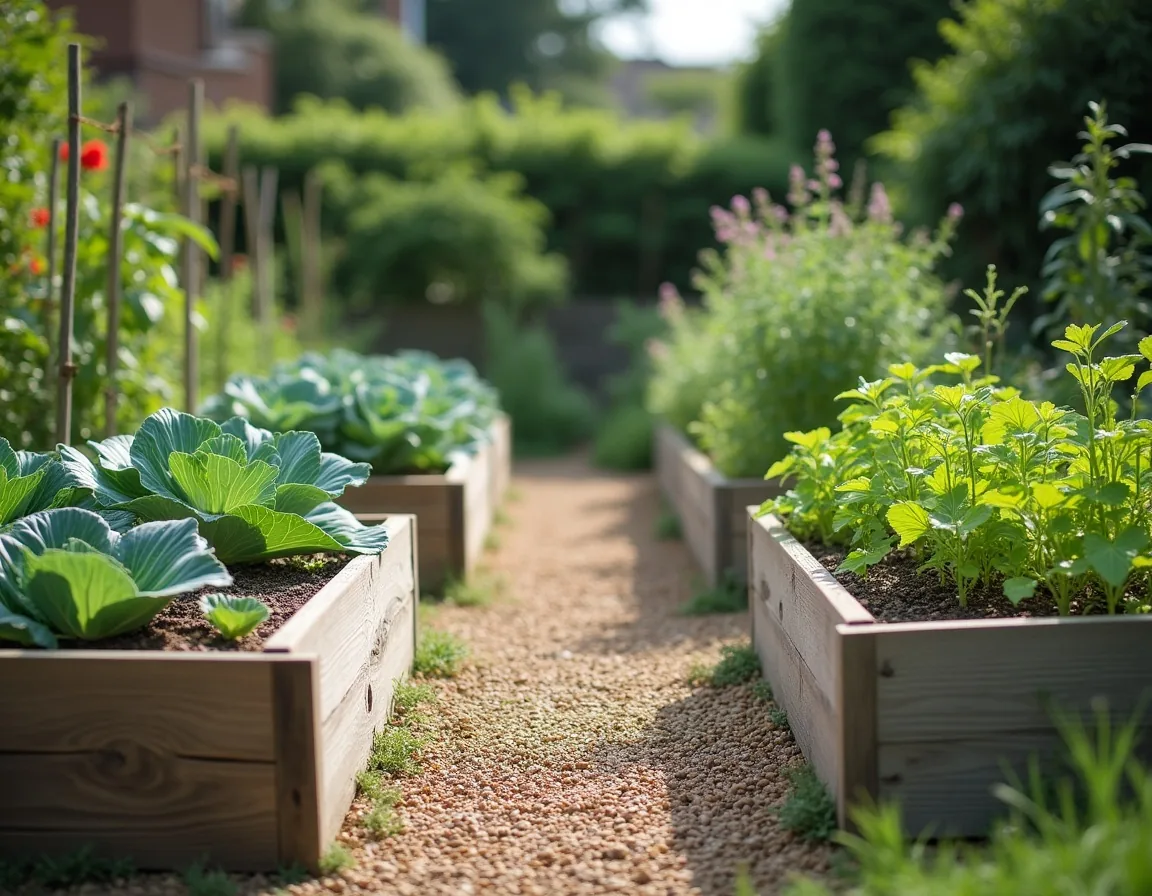
Plan a vegetable garden in four moves. Find the sunniest, most sheltered spot, away from the shade and roots of large trees. Start small, a couple of beds and a few easy crops, so it stays enjoyable. Size the beds so you can reach the middle without treading on the soil, with paths wide enough for a wheelbarrow. Then set it out to scale before you build, so you know exactly what will fit.
Where to put it
The best vegetable plot gets warmth, sunlight and shelter, with fertile, well-drained soil and water within reach. You want a spot that is open but not exposed, and not overshadowed. Most vegetables crop best in full sun, so favour the south- or west-facing parts of the garden.
Keep away from large trees and hedges: they cast shade and their roots compete with your crops for water and nutrients. A little shelter from cold, strong wind helps too, it improves crops of peas and beans and is essential for warmth-lovers like aubergines and peppers.
Before you commit, it is worth knowing what you are planting into. Our guide to identifying your soil type takes five minutes and tells you how your ground will drain and what will thrive.
Start small
The most common beginner mistake is going too big. A plot you cannot keep on top of quickly fills with weeds and stops being fun. Begin with a couple of small beds, or around half an allotment plot, growing just two or three crops to begin with, and expand once you know how much time you actually have.
As a rough guide, half an allotment plot suits most people and can take around eight hours of work a week for a beginner, about half that once you are experienced. A few beds in a back garden are a gentler start, and you can always add more next year.
Size the beds so you can reach
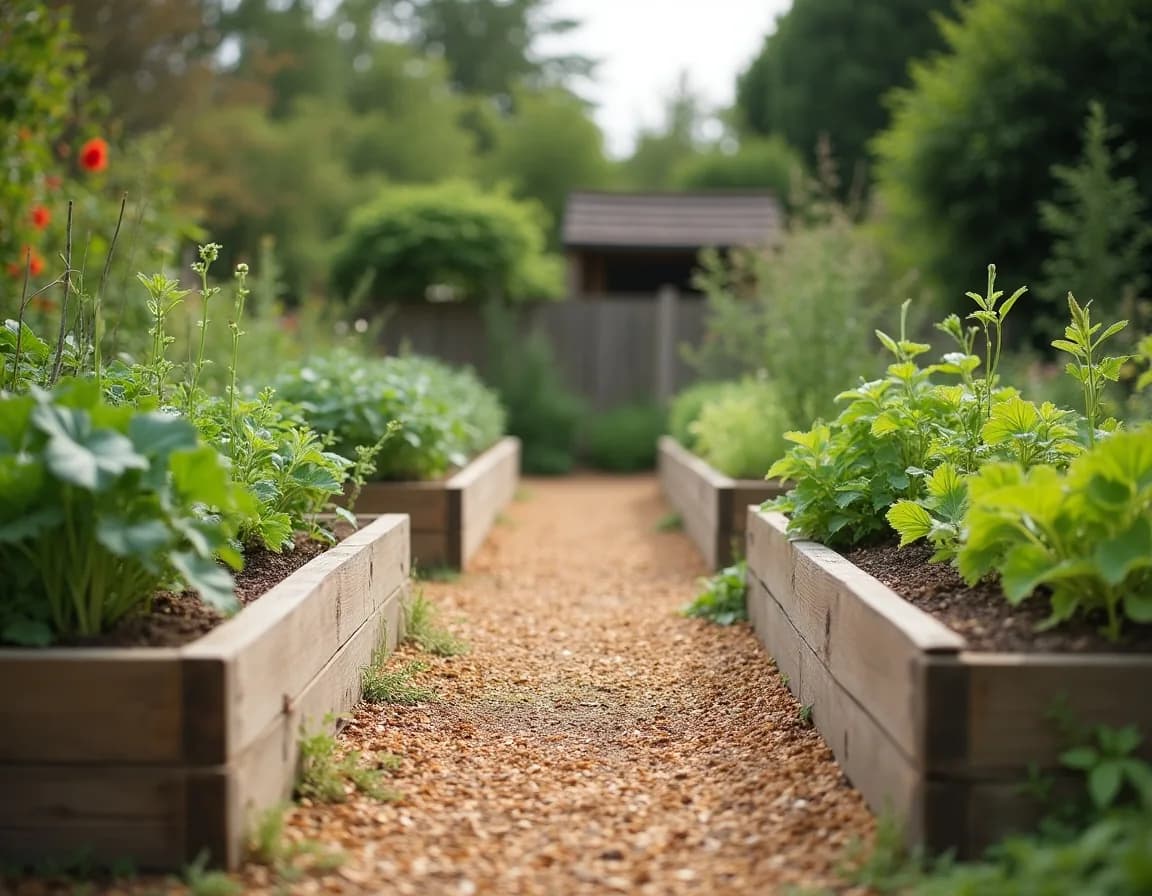
Growing in defined beds, raised or not, is the easiest way to keep a veg garden productive: you work from the paths and never compact the soil you are growing in. The key numbers are about reach and access.
| What | Size | Why |
|---|---|---|
| Bed width | Under 1.5m (5ft) | Lets you reach the centre from either side without standing on the soil |
| Bed depth (salads) | 30cm (1ft) | Enough for salad leaves, strawberries and dwarf bulbs |
| Bed depth (most crops) | 45cm (18in) or more | Needed by most vegetables, fruit bushes and shrubs |
| Path width (wheelbarrow) | At least 45cm (18in) | Room to get a wheelbarrow between beds |
| Path width (wheelchair) | At least 1m (3.5ft) | Width for wheelchair access where needed |
Prefer several smaller beds to one long run, and run long beds north to south so both sides get even light. If you are building raised beds, a general fill mix is seven parts topsoil, three parts organic matter (such as garden compost or well-rotted manure) and two parts sharp sand. Raised beds warm up faster in spring, drain better on heavy ground, and make it simpler to rotate crops and to cover them against frost and pests.
Grow a few easy crops first
Grow what you actually like to eat, but for a first year lean on crops that are forgiving and productive. A short list beats a long one.
| Crop | Why it suits a beginner |
|---|---|
| Potatoes | Easy, heavy-cropping and good at smothering weeds |
| Peas and beans | Reliable legumes; better still with some shelter from wind |
| Courgettes | Very easy, with three or four fruits a week from one plant in good weather |
| Salad leaves | Quick to crop and happy in a little shade (lettuce, spinach, radicchio) |
It also helps to think about weeds when you place things. Potatoes, courgettes, squash and pumpkins have big leaves that smother weeds, so they are useful in the roughest ground. Carrots, peas and onions cast little shade and are easily overrun, so give them your cleanest, best-weeded beds.
Once you have chosen your crops, group them so you can move each group to a different bed each year. Our crop rotation guide explains how, and why it keeps pests and diseases down.
When to start
Winter is the best time to set up. Clear the ground, build beds and prepare the soil before the growing season begins, so you are ready to sow when spring arrives. On heavy, sticky soil, build raised beds in late summer or autumn when the ground is drier and easier to work, and avoid working soil that is very wet or frozen.
Spring is the busy season: sowing, planting out and keeping on top of weeds while everything is growing fast. Planning the layout over winter is what makes a calm, productive spring possible.
Frequently asked questions
How much space do I need to start a vegetable garden?
Less than you might think. A couple of small beds, or around half an allotment plot, growing just two or three crops, is plenty for a first year. Starting small keeps it manageable and enjoyable, and you can always expand once you know how much time you have.
How wide should a vegetable bed be?
Under about 1.5m (5ft), so you can reach the centre from either side without standing on the soil and compacting it. Several smaller beds are easier to manage than one long run.
How wide should the paths be?
At least 45cm (18in) so you can get a wheelbarrow between beds, and at least 1m (3.5ft) where you need wheelchair access.
What are the easiest vegetables to grow first?
Potatoes, peas and beans, courgettes and salad leaves are all forgiving and productive. Potatoes and courgettes also have large leaves that help smother weeds, so they suit rougher ground.
When is the best time to set up a vegetable garden?
Winter is ideal for clearing ground and building beds, so you are ready to sow in spring. On heavy clay soil, build in late summer or autumn when the ground is drier. Avoid working soil that is very wet or frozen.
How we checked this3 sourcesView sourcesHide
Our guides draw on expert bodies like the RHS and Garden Organic, plus experienced growers, read at source. We check every guide against those sources on the date shown, and where advice differs between them, we say so. Garden Plans is published by Limely.
- AuthorityHow to make a raised bed, Royal Horticultural Society. Checked 22 Oct 2026.
- AuthorityAllotment basics, Royal Horticultural Society. Checked 22 Oct 2026.
- AuthorityGetting started with vegetables: positioning, Royal Horticultural Society. Checked 22 Oct 2026.