The short answer
No-dig means you stop turning the soil over and instead spread a layer of compost on top. The soil keeps its structure, worms and fungi carry the goodness down for you, and you get fewer weeds, better moisture and healthier plants for a lot less work. You can start a no-dig bed straight over grass or a weedy patch in an afternoon: lay cardboard, cover it with compost, and plant into the compost right away.
What no-dig actually means
No-dig does away with digging, forking and rotavating. Instead of breaking up, lifting or turning the soil, you prepare a bed by covering the ground with organic matter such as garden compost, and you grow straight into that layer. As the no-dig grower Charles Dowding puts it, there are two parts to it: leave the soil undisturbed as far as is practical, and feed the life in it with organic matter on the surface, exactly as happens under fallen leaves in nature.
It is mostly used for growing vegetables, but it works for flower beds and borders too, and on any soil type, including clay.
Why it works
Digging breaks up the soil's structure: it destroys the drainage channels worms make, disturbs the fungal networks that help feed plants, and releases carbon that was locked away. Leave the soil alone and that structure stays intact. The compost you add on top feeds the worms, fungi and other soil life, and they release the nutrients your plants need, which is why no-dig beds need little or no added fertiliser.
For the gardener, the day-to-day wins are real:
- Less work. Spreading compost is quicker and easier than digging.
- Fewer weeds. Digging brings weed seeds up to the light to germinate; leaving the soil covered means far fewer come up, and those that do pull out easily.
- Less watering. The mulch holds moisture in, so beds dry out more slowly.
- Cleaner crops and, by some accounts, bigger ones.
Charles Dowding has run side-by-side trials on this for years. In his Two-Bed Trial, for the same amount of compost, the no-dig bed gave 12% more food than the dug bed, a result he found consistent over a decade. In a separate trial, a strip that was forked to loosen it actually cropped 8% less, which he puts down to the damage done to the soil's fungal network.
How to start a no-dig bed
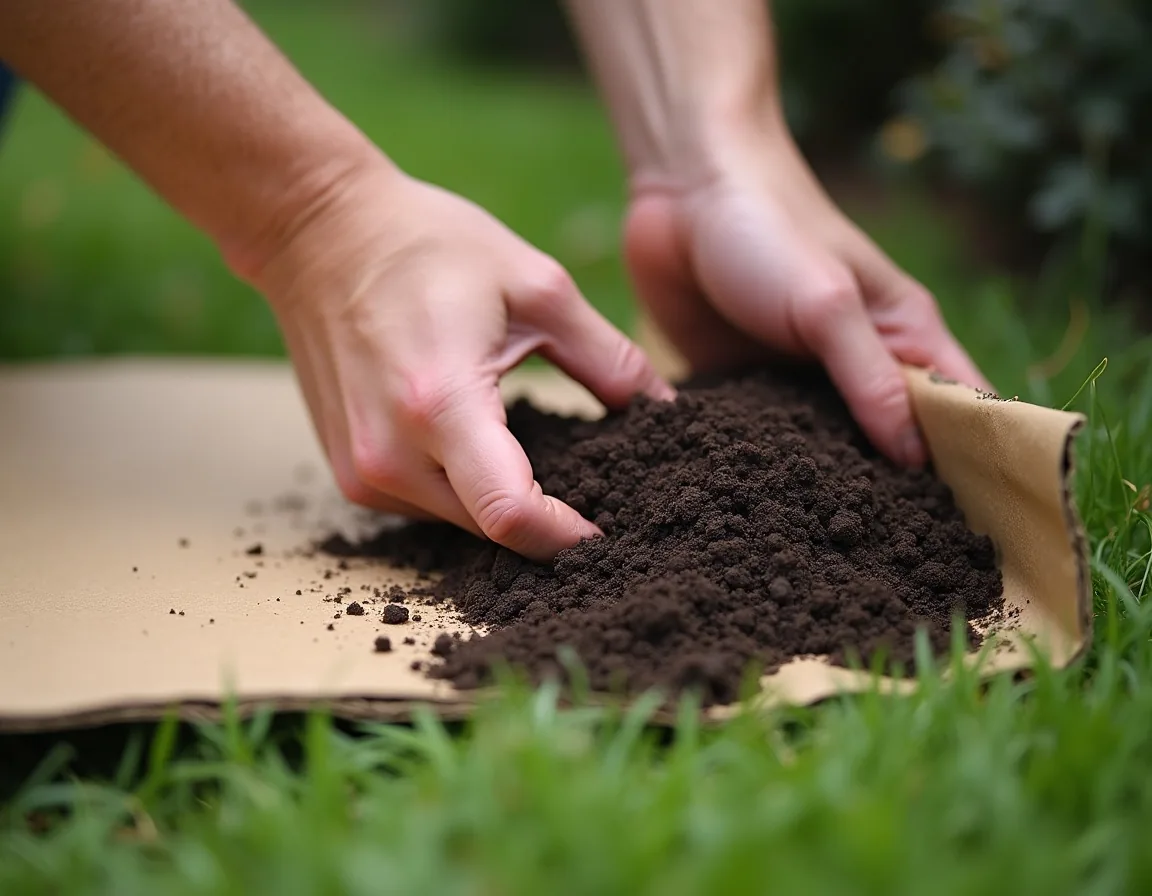
You can make a bed at any time of year, but late winter (February or early March) is a good moment, as long as the ground is not waterlogged. You do not need to clear the grass or weeds first: the covering smothers them.
- Lay cardboard. Over grass or weeds, put down a double, overlapping layer of plain brown cardboard. Avoid shiny printed card, and pull out any staples and parcel tape. In dry weather, wet the cardboard so it softens and breaks down.
- Cover it with compost. Spread a thick layer of well-rotted organic matter on top (see the depths below). For a lot of vigorous perennial weeds, you can spread compost and then lay black polythene over the top for a season instead.
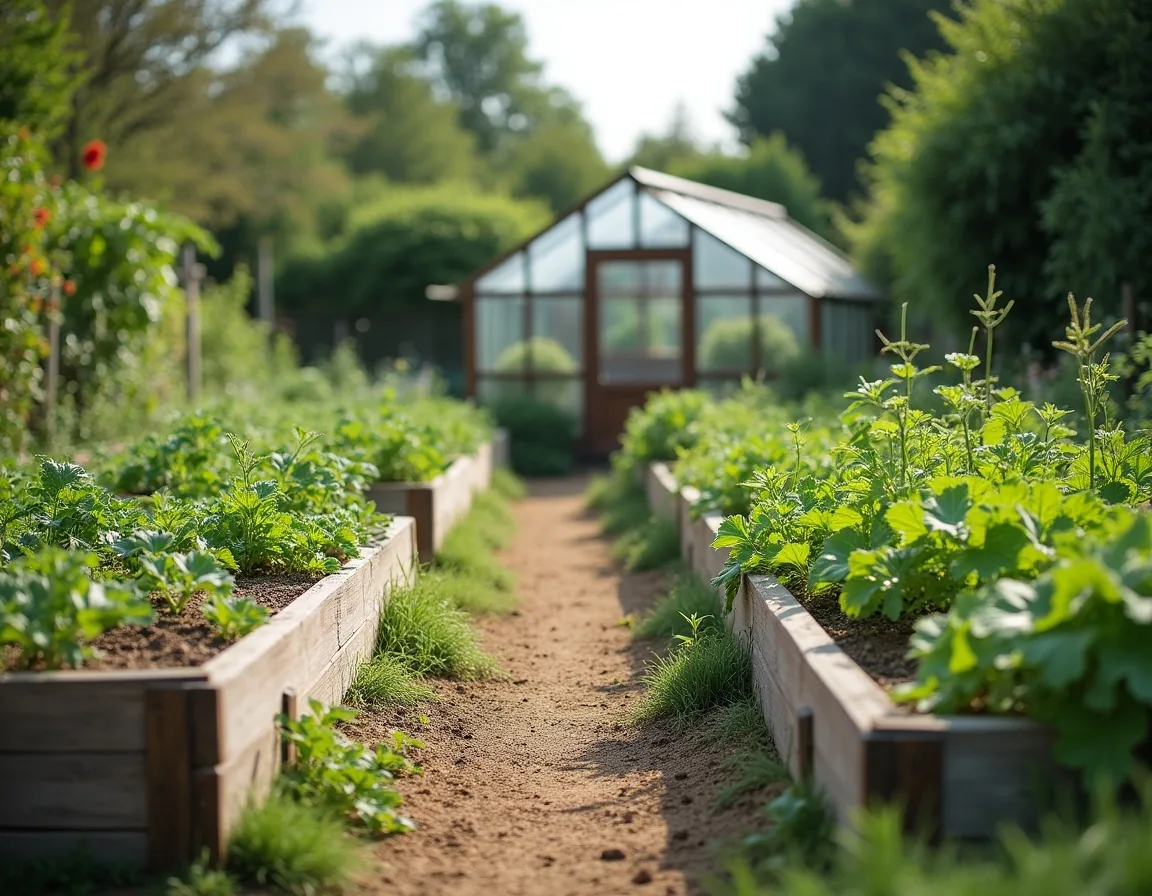
- Shape the bed. A width of about 1.2m lets you reach the middle from either side without treading on it, with paths of about 45cm between beds. Beds can be any length. A good first bed is about 1.2 x 2.4m (4 x 8ft): starting small keeps it manageable.
| When | How much compost |
|---|---|
| New bed over grass or weeds, planting straight away | 10 to 15cm (4 to 6in) of well-rotted compost on cardboard |
| New bed on ground that is already clear | From about 5cm (2in) |
| Topping up an established bed each year | About 5cm (2in) |
Wooden sides are optional, and often not worth it: open-sided beds are quicker and cheaper to make and give slugs fewer places to hide. Keep the paths free of grass and weeds, as plants will happily root out into the soil beneath them.
Planting a new bed
One of the best things about no-dig is that a bed is ready to plant as soon as it is made, provided the compost is well-rotted and at least 10cm deep. Even with cardboard underneath, your plants grow away in the compost while the weeds die off below; the cardboard softens within two to three months and roots then reach the soil.
- Sow or transplant. You can sow seed directly into the surface compost, but raising plants in module trays and planting them out usually means less slug damage, as they go out larger and tougher.
- Carrots and parsnips are best sown where they are to grow, because transplanting spoils their taproots.
- Potatoes make an excellent first crop in a new bed. It is fine to make small planting holes through the mulch for potatoes, trees or shrubs; the thing to avoid is digging over the whole area.
Looking after a no-dig bed
Upkeep is light. Each year, spread a fresh mulch of compost around 5cm deep (an established no-dig garden may need only about 2.5cm). This is usually done in autumn after cropping, though there is a timing point worth knowing about in the next section.
- Watering: less than you would expect, as the mulch slows evaporation, but crops still need water in long dry spells.
- Weeding: far fewer weeds, and the ones that appear hoe off or pull out easily. Deal with them before they seed.
- Keep off the bed: tread on it as little as you can. If a bed is wide or the soil is wet, lay a plank to spread your weight.
- Harvesting: pull or twist out root crops, and lift potatoes by pulling the stem, as the loose mulch lets the tubers come up easily.
Common mistakes to avoid
- Mulching too early in autumn. Spreading compost in autumn can waste nitrogen, which winter rains wash out before plants can use it. Where you can, mulch in late winter instead, so the nutrients are there just as growth begins.
- Planting into fresh manure. If manure or a soil conditioner is still steaming and strong-smelling, give it six weeks or more to rot down further before you plant into it.
- Digging compacted ground first. Do not. Push a fork in, rock it gently, and work a little organic matter into the holes, but do not turn the soil over.
- Thinking you need to buy loads of compost. You can start with very little, and homemade compost is best: buying in large amounts of mulch has its own environmental cost. Any well-rotted organic matter works, including well-rotted manure, mushroom compost or soil improver (leaf mould is low in nutrients, so save it for ornamental beds).
Frequently asked questions
Do I need to dig the soil before starting no-dig?
No. That is the whole point. You start a no-dig bed straight on top of grass or weeds by covering them with cardboard and compost. Even compacted ground is better loosened gently with a fork (rocked, not turned) than dug over.
How much compost do I need to start a no-dig bed?
To start a bed over grass or weeds, spread about 10 to 15cm of well-rotted compost on cardboard. On ground that is already clear you can start with as little as 5cm. After that, an annual top-up of around 5cm keeps the bed fed.
Can I plant straight away?
Yes. A no-dig bed is ready to plant as soon as it is made, as long as the compost is well-rotted and at least about 10cm deep. Plants grow in the compost while any weeds die off under the cardboard.
Does no-dig work on clay soil?
Very well. Worms and other soil life steadily improve clay's structure, and it holds nutrients and moisture well. Experienced no-dig growers run whole market gardens on heavy clay.
What can I use as the compost mulch?
Any well-rotted organic matter: homemade garden compost, well-rotted manure, mushroom compost or a bought soil improver. It can have a few lumps and need not be sieved. Leaf mould is low in nutrients, so it is best on ornamental beds rather than hungry vegetables.
How we checked this2 sourcesView sourcesHide
Our guides draw on expert bodies like the RHS and Garden Organic, plus experienced growers, read at source. We check every guide against those sources on the date shown, and where advice differs between them, we say so. Garden Plans is published by Limely.
- AuthorityNo dig gardening, Royal Horticultural Society. Checked 22 Oct 2026.
- ExpertNo dig: beginner's guide, Charles Dowding. Checked 22 Oct 2026.