The short answer
Going peat-free keeps carbon locked in our bogs and still grows healthy plants. Modern peat-free composts are made from wood fibre, coir, composted bark and green waste, and the main thing to learn is that they behave differently: they can look dry on top while still damp below, so check with a finger before watering, and they run out of feed sooner, so start feeding from about four weeks. Buy a mix suited to the job, and use it up within the season.
Why go peat-free
Peat is dug from wetland bogs that took thousands of years to form. It is worth leaving in the ground for three big reasons:
| Reason | Why it matters |
|---|---|
| A huge carbon store | Peat bogs store on average ten times more carbon per hectare than any other ecosystem, forests included. Extracting peat releases that carbon. |
| Irreplaceable habitat | More than 95% of the UK's lowland bogs have been damaged or destroyed. Peat forms at about 1mm a year, so these habitats do not come back in our lifetimes. |
| Natural flood defence | Healthy peatlands soak up heavy rainfall, which helps prevent flooding downstream. |
Plants do not need peat. It was only ever popular because it was cheap and consistent, and modern peat-free mixes now match it for results.
Is peat actually banned yet?
As of October 2026, despite the government's 2022 announcement of plans to ban retail peat sales to amateur gardeners, no legislation is in place and the timeline remains unclear (RHS). The RHS went peat-free across its own shows, gardens and retail from 2026.
In short, the direction of travel is clearly away from peat even though the law has not caught up, so there is no reason to wait: the peat-free mixes on the shelf today are good, and choosing them now makes a real difference.
What peat-free compost is made of
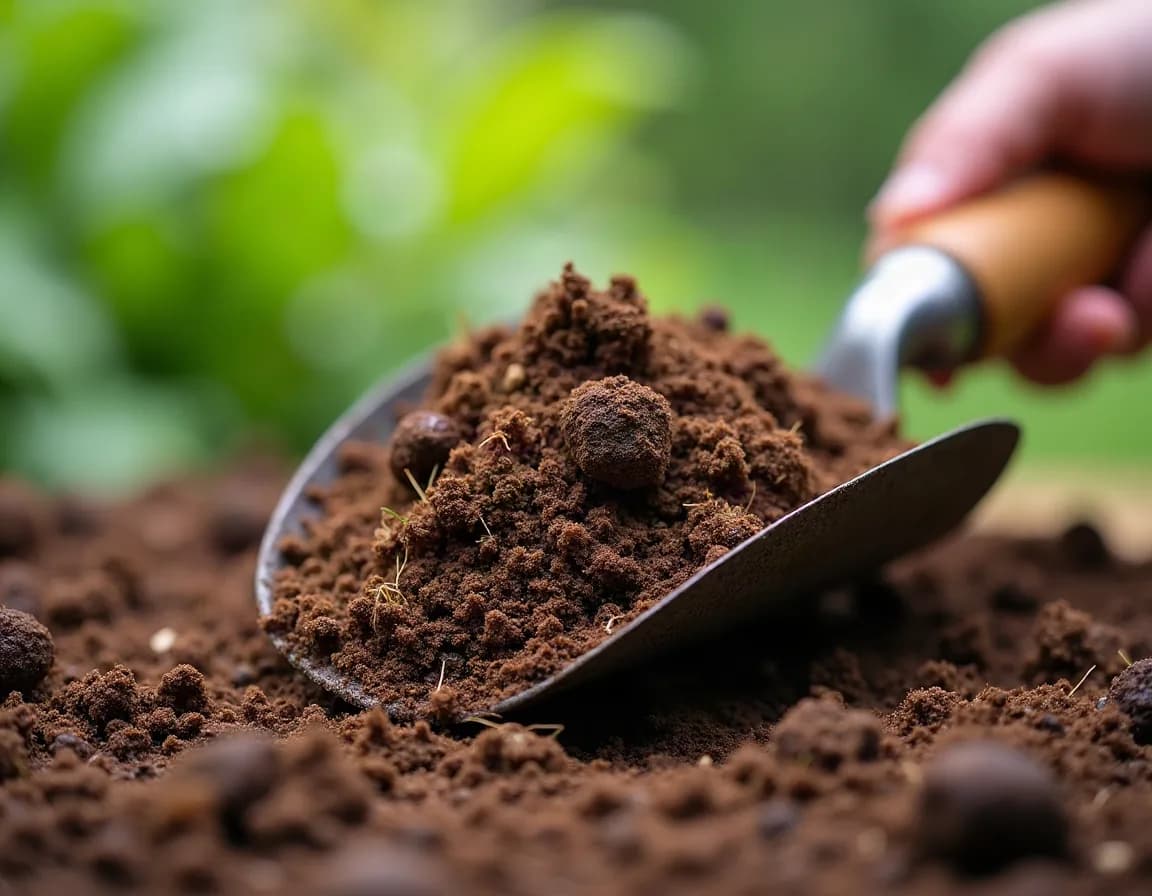
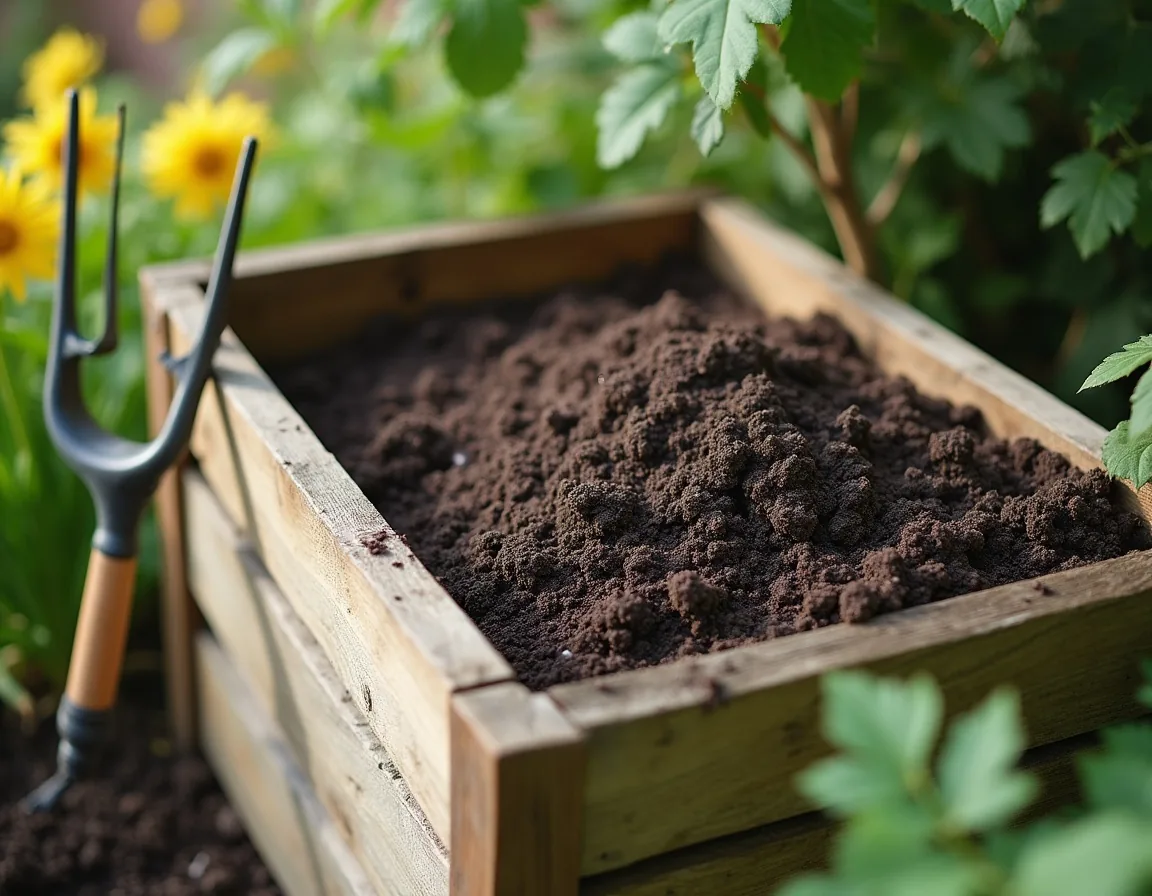
Peat-free composts blend several materials, many of them by-products of the timber and coconut industries, sometimes with grit, sharp sand or loam added. Each ingredient behaves a little differently, which is why it is worth trying a couple of brands to find one that suits you.
| Ingredient | Made from | What it brings |
|---|---|---|
| Wood fibre | Treated wood chips (a timber by-product) | Open and free-draining; the exact texture depends on how it is processed |
| Coir | Coconut husk, otherwise a waste product | Holds water very well and stays light and porous, but holds on to fewer nutrients |
| Composted bark | Usually pine bark | Stable and porous, so it adds air to a mix |
| Composted green waste | Council or commercial garden-waste collections (PAS 100 standard) | High in nutrients but can vary through the year without careful blending |
How to use peat-free well
Peat-free can look and feel like the peat-based compost you may be used to, but it waters and feeds differently. Get these two habits right and your plants will do just as well.
- Watering: peat-free, especially coir-rich mixes, can look dry on the surface while still damp underneath. Push a finger in to check before you water, and water little and often. If a pot does dry out completely, water can run straight off the top, so stand the whole pot in a bucket of water to let it soak up.
- Feeding: most peat-free holds only about four weeks of feed, so start a liquid feed from around four to six weeks after potting. Give seedlings their first feed when they get their first true leaves.
- Freshness: use it within the growing season you bought it. Older bags break down and grow plants less well, but are still fine dug into beds as a soil improver.
Choosing a bag, or mixing your own
When buying, a few rules save disappointment:
- If the bag does not clearly say peat-free, it most likely is not. "Organic" and "environmentally friendly" do not mean peat-free, and "reduced peat" mixes can still be up to 80% peat.
- Match the mix to the job: seed, multipurpose, ericaceous and long-term container mixes are all different. Price usually reflects quality, and it is worth paying a little more within the peat-free range.
- Look for the Responsible Sourcing Scheme (RSS) logo for a mix with a checked sustainability rating.
You can also mix your own from garden soil, leafmould and home compost, which is cheap and low-carbon, though the results vary batch to batch:
| For | A simple mix |
|---|---|
| Sowing seeds | 1 part loam (garden soil) to 1 part leafmould |
| Potting on | 1 part loam, 1 part leafmould, 1 part sieved garden compost |
| Cuttings | Half sharp sand, half home compost (or peat-free coir) |
| Large containers | Equal parts loam and homemade garden compost |
Frequently asked questions
Is peat banned in the UK?
Not yet. The government announced plans in 2022 to ban retail sales of peat to amateur gardeners, but as of October 2026 no law is in place and the timeline is unclear. Many retailers and bodies, including the RHS, have moved to peat-free anyway.
Does peat-free compost grow plants as well as peat?
Yes. Modern peat-free mixes perform well across the board. The main difference is in handling: they need checking before watering and feeding a little sooner. Most problems come from old peat-era habits rather than the compost.
Why does my peat-free compost dry out so fast?
Coir and wood-fibre mixes can shed water from the surface and look dry on top while damp below. Check with a finger, water little and often, and if a pot dries out fully, stand it in a bucket of water to soak it right through.
What is peat-free compost made from?
Usually a blend of wood fibre, coir, composted bark and composted green waste, sometimes with grit, sharp sand or loam. Many of these are by-products of the timber and coconut industries.
Can I make my own peat-free compost?
Yes, from garden soil (loam), leafmould and home-made garden compost in various ratios. It is cheap and low-carbon but varies batch to batch, and is best kept for potting on rather than seed sowing.
How we checked this3 sourcesView sourcesHide
Our guides draw on expert bodies like the RHS and Garden Organic, plus experienced growers, read at source. We check every guide against those sources on the date shown, and where advice differs between them, we say so. Garden Plans is published by Limely.
- AuthorityPeat-free compost choices, Royal Horticultural Society. Checked 22 Oct 2026.
- AuthorityPeat-free growing, Garden Organic. Checked 22 Oct 2026.
- AuthorityPlans to phase out the use of peat in the amateur horticulture sector, GOV.UK (Defra). Checked 22 Oct 2026.