The short answer
Aspect is the direction your garden faces, and it sets how much sun and warmth it gets. South-facing is sunniest and warmest, north-facing is shadiest and coolest, east gets morning sun and west gets afternoon sun. Stand with your back to the house and use a phone compass to check. Then watch where sun and shadow fall through the day, measure it in hours of direct sun, and pick plants to match. It is far easier to work with the light you have than to fight it.
What aspect means
Aspect is simply the direction a garden, border or wall faces. It is one of the biggest things shaping what you can grow, because it decides how much sunlight and warmth a spot gets, and how exposed it is to wind. It matters for people too: the corner that catches the morning sun is the place for a breakfast table, while an evening seat wants the west.
To find your aspect, stand with your back to the house and look down the garden. Most phones have a compass, which makes it quick to be sure which way you are facing. If you are planning the whole space, this sits inside the wider job of designing a garden from scratch.
What each direction gives you
South- and west-facing gardens are usually warm and sunny; east- and north-facing ones are cooler and shadier. Here is what each means in practice.
| Aspect | Sun | What it means |
|---|---|---|
| South-facing | The most sun, warmest | A south-facing wall is a warm microclimate: it traps and reflects heat, releases warmth overnight to keep frost off, and ripens fruit, so it can grow tender plants like figs and passionflowers |
| West-facing | Afternoon and evening sun | Warm and sunny later in the day, but catches the south-westerly prevailing winds and the rain they bring |
| East-facing | Morning sun, shaded afternoon | Cooler, and tends to be drier; open to cold easterly winds, which can be biting in winter |
| North-facing | The least sun, coolest | Shady, but a north wall has an even climate without extremes; suits hardy fuchsias, hellebores and Japanese anemones |
A single garden usually has several of these at once: a sunny open lawn, a shady strip along a north fence, a warm south-facing wall. The point is to notice them and plant each accordingly.
What 'full sun' and 'partial shade' actually mean
Plant labels talk about full sun, partial shade and so on, but those words have a precise meaning: they are measured in hours of direct sun on a midsummer day. Midday sun counts for much more than early morning or late evening sun.
| Light level | Direct sun | What grows |
|---|---|---|
| Full sun | More than 6 hours | Open and sunny for most of the day; suits sun-loving plants |
| Partial (semi) shade | 3 to 6 hours | Some direct sun, often morning or evening; many plants cope but may flower less |
| Moderate shade | 2 to 3 hours | Shade-tolerant plants grow, usually grown for foliage over flowers |
| Deep (heavy) shade | Under 2 hours | Dense tree cover or overhanging buildings; only a few tough plants cope |
Two other terms are worth knowing. Light shade is a spot open to the sky but screened from direct sun, for example beside a high wall. Dappled shade is the broken light under an open tree canopy. Both suit a wide range of woodland-type plants.
Map the light before you plant
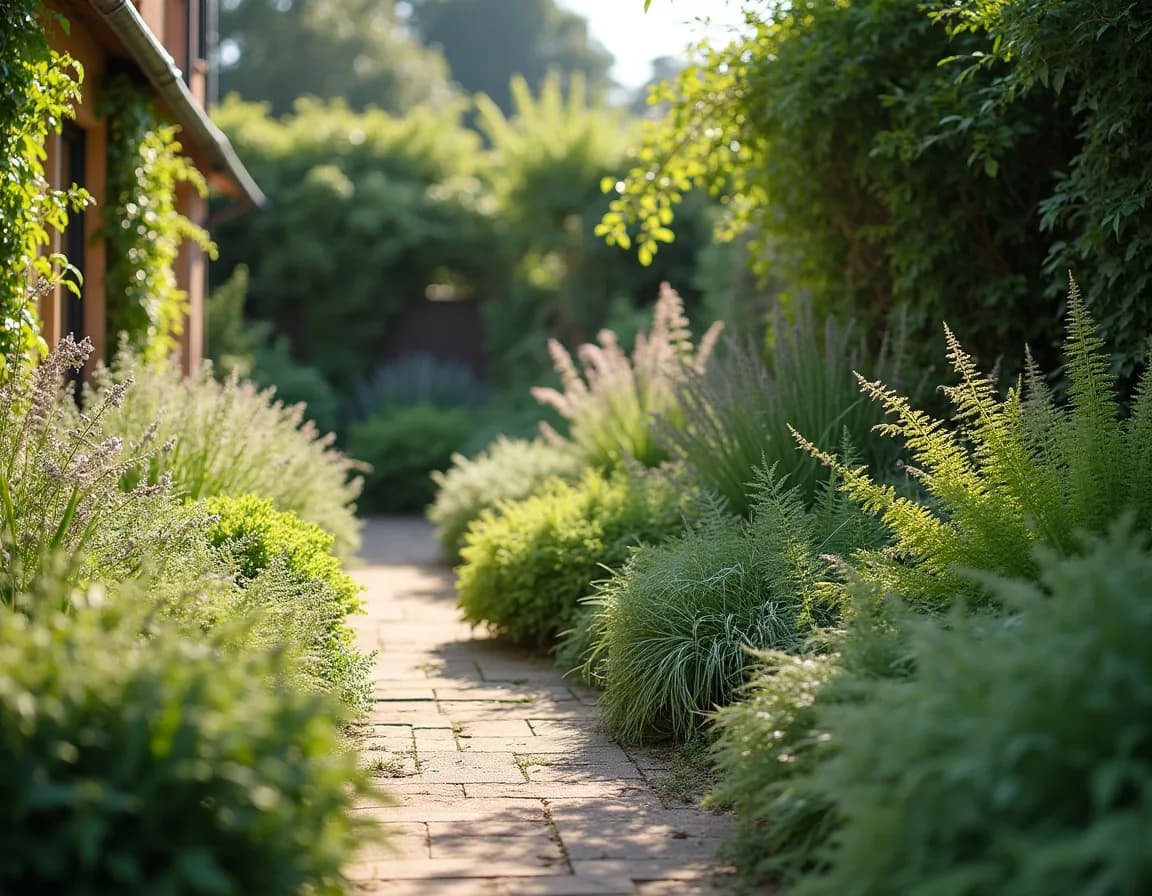
The only reliable way to know a spot's light is to watch it. Note where the sun and shadows fall in the morning, the middle of the day and the evening. Ideally do this across the year, because the sun sits lower in winter and deciduous trees and neighbours' planting change what is shaded as the seasons turn.
A quick trick: your eyes adjust to low light and fool you into thinking a corner is brighter than it is, but a phone camera does not. Photographing a spot is a surprisingly honest way to judge how shady it really is.
Microclimates: warm walls, frost pockets and wind
Aspect creates small local variations, or microclimates, that can matter as much as the regional climate. Learning yours lets you push what you can grow.
- Warm walls. A south-facing wall stores the day's heat and releases it overnight, keeping frost off and ripening fruit, so it is the place for anything tender.
- Frost pockets. Cold air flows downhill and pools at low points or behind a solid fence or hedge across a slope. A gap in the barrier lets it drain away, which can save early blossom.
- Rain shadow. The soil at the foot of a wall stays dry, a strip about a metre wide, so plant a little further out or water it.
- Wind. A permeable hedge or windbreak improves growing conditions for up to 30 times the height of the shelter, and filters wind far better than a solid fence, which just creates damaging gusts.
Match plants to the light
Once you know each spot's light, choosing plants gets much easier. Sun-lovers want your full-sun beds. Shade is not a dead loss: north and east borders suit hellebores, hardy fuchsias and Japanese anemones, and many edibles cope with light shade too, including beetroot, chard, kale, lettuce and other salad leaves, peas, runner beans and spinach. Several soft fruits from woodland edges, such as redcurrants, gooseberries and raspberries, also crop in light or partial shade.
The golden rule is right plant, right place: match each plant to the light a spot actually gets, rather than forcing a sun-lover into shade and nursing it along. Checking your soil type at the same time tells you the other half of what will thrive.
Frequently asked questions
How do I find out which way my garden faces?
Stand with your back to the house, look down the garden, and check the direction with a compass (most phones have one built in). That direction is your garden's aspect: south faces the most sun, north the least, east gets morning sun and west gets afternoon sun.
What does 'full sun' mean on a plant label?
Full sun means more than six hours of direct sun a day at midsummer. Partial or semi-shade is three to six hours, moderate shade is two to three, and deep shade is under two hours. Midday sun counts for more than early morning or late evening sun.
Is a north-facing garden bad?
No, just different. North-facing spots are cooler and shadier, but a north wall has an even climate without extremes and suits plants like hellebores, hardy fuchsias and Japanese anemones. Plenty of foliage plants and some edibles do well there.
Can I grow vegetables in a shady garden?
Many leafy and cool-season crops tolerate light shade, including beetroot, chard, kale, lettuce and salad leaves, peas, runner beans and spinach. Fruiting crops like tomatoes and courgettes need your sunniest spots.
Why is the soil by my wall always dry?
Walls cast a rain shadow, keeping a strip of soil about a metre wide at their base dry even after rain. Plant a little further out from the wall, or water that strip regularly.
How we checked this3 sourcesView sourcesHide
Our guides draw on expert bodies like the RHS and Garden Organic, plus experienced growers, read at source. We check every guide against those sources on the date shown, and where advice differs between them, we say so. Garden Plans is published by Limely.
- AuthorityGet to know your garden, Royal Horticultural Society. Checked 22 Oct 2026.
- AuthorityMicroclimates: assessing your garden, Royal Horticultural Society. Checked 22 Oct 2026.
- AuthorityShade gardening, Royal Horticultural Society. Checked 22 Oct 2026.