The short answer
Coriander is quick and easy, but it hates being moved and it bolts (runs to seed) in heat and drought. So sow it straight where it is to grow, in a spot that is sunny but not baking, in free-draining soil or a pot. Keep it evenly moist, sow a small batch every couple of weeks for a steady supply, and pick the leaves young. You can get leaves in as little as ten weeks, and let a few plants flower to collect your own seed.
Decide: leaves or seed
Coriander gives you two crops from one plant: tangy leaves (cilantro) and aromatic seed. It helps to decide which you are after, because you grow them slightly differently. Either way it is an annual, so the plant dies once it has set seed.
| Growing for | How to do it |
|---|---|
| For leaves | Sow small batches every couple of weeks from spring; remove flower stems as they appear; pick from mid-summer. Sow under cloches in autumn to crop into early winter |
| For seed | Sow in full sun in spring or early summer so the seed has time to ripen; thin plants to about 20cm and let them flower and set seed |
Sowing
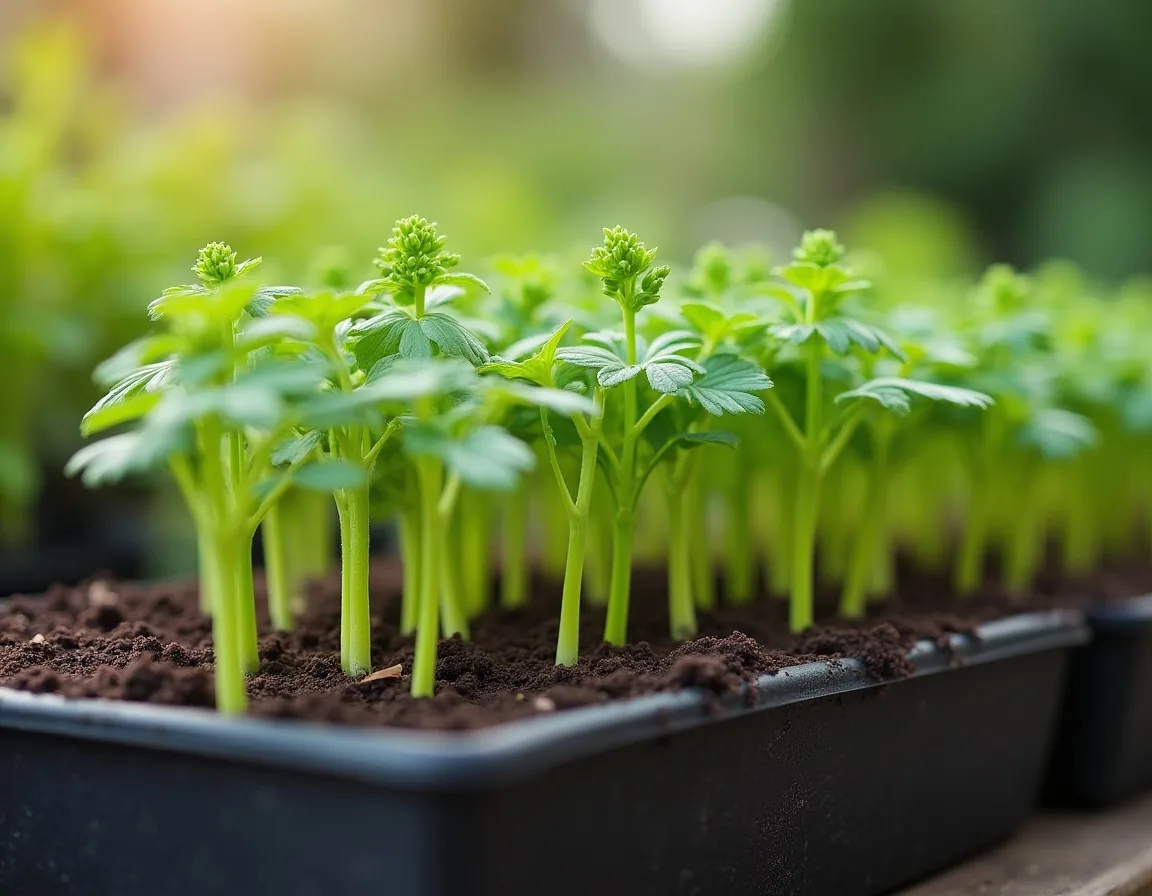
Coriander has a long tap root and dislikes being transplanted, and it gets leggy if kept indoors too long, so the best results come from sowing it direct where it is to grow, outdoors or in a container. It grows especially well in pots because it likes the free-draining conditions.
- Sow spring to autumn, direct where it is to grow, about 1cm deep.
- The seeds are large and easy to space: about 5cm apart for a cut-and-come-again leaf crop, in rows about 30cm apart. For a seed crop, thin to about 20cm apart if growing on for seed.
- Cover lightly and water. Germination takes 1 to 3 weeks outdoors (7 to 20 days).
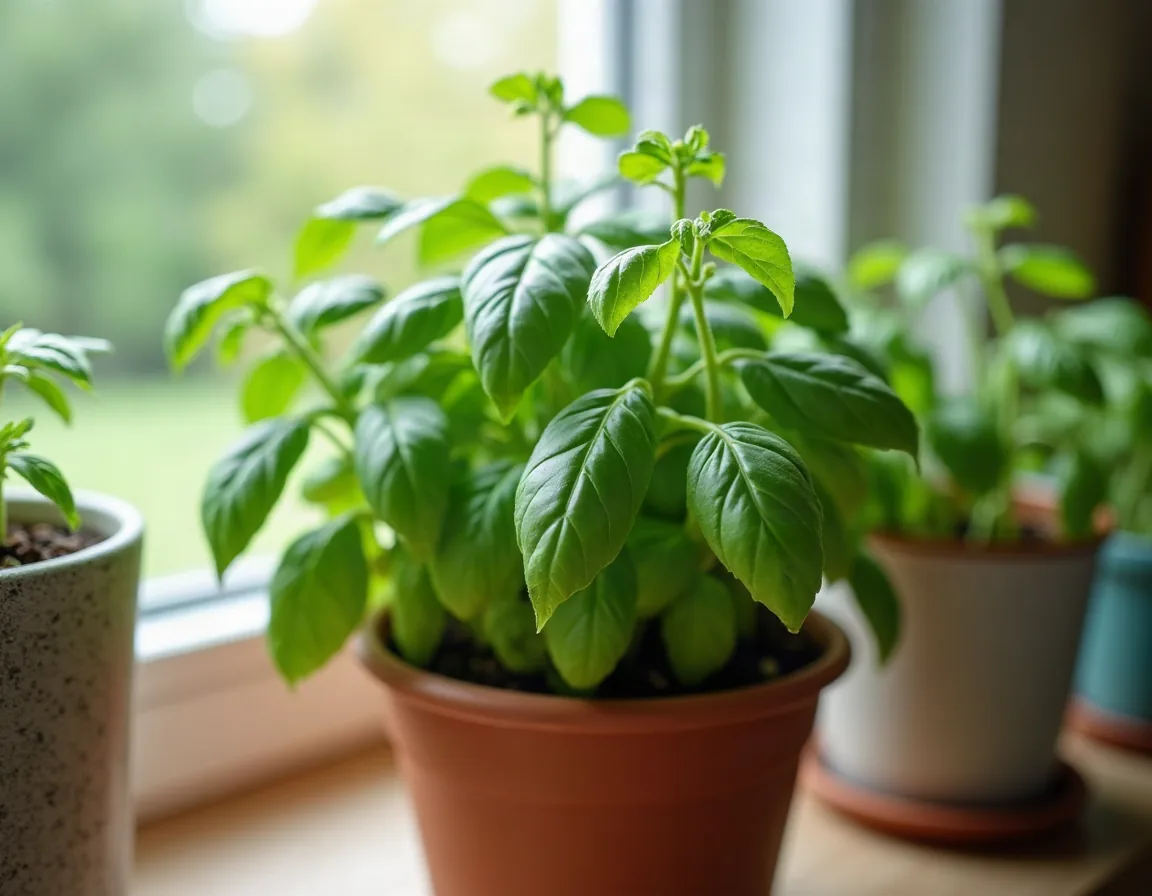
For a steady supply of leaves, sow a small batch every couple of weeks (successional sowing) rather than one big sowing. You can grow a quick windowsill or microgreen crop indoors from February, but it will not last long inside before it fades or bolts.
Position and soil
Give coriander free-draining, moist but not soggy; or peat-free compost in pots, in a spot that gets full sun or light shade; shade from midday sun in summer for leaves. In the ground it does not usually need feeding. In pots, use a peat-free multipurpose compost and make sure there are drainage holes, as coriander dislikes sitting wet.
In the heat of summer, if you are growing it for leaves, pick a cooler spot out of the midday sun. That one choice does more than anything to keep it leafy for longer.
Care: keep it cool and watered
The whole game with leaf coriander is delaying the moment it flowers. Even watering is the key: in the ground it only needs water in dry spells, but in a pot it dries out fast, so check daily and keep the compost just moist. Do not let it dry out, and do not leave it waterlogged either.
If you are growing for leaves, snip off any flower stems as soon as they appear. Once a plant starts flowering it stops making new leaves, so removing the flower buds buys you more picking.
Harvesting leaves and seed
Leaves: treat them as cut-and-come-again. Start once plants are about 10 to 15cm tall, taking only a few sprigs from each plant and letting them recover for a couple of weeks before picking again. Snip at the base of the stalk, as the stalks are full of flavour too. Regular picking encourages more leaves.
Seed: let a few plants flower and set seed. Harvest seeds green and unripe for a milder flavour, or wait until they turn brown and ripe. Cut whole stems into a paper bag so you do not lose any, dry them in a warm room for a week or so, then store airtight, for the kitchen or to sow next year. The flowers are edible as well.
Varieties and problems
For leaves, choose a slow-to-bolt variety: RHS Award of Garden Merit picks include 'Cruiser', 'Confetti', 'Calypso' and 'Filtro'.
Coriander is otherwise easy and trouble-free. Bolting is the main issue, covered above. Protect young seedlings from slugs and snails, especially in damp weather, and keep an eye out for aphids on soft growth.
Frequently asked questions
Why does my coriander keep bolting?
Coriander runs to seed quickly in hot, dry weather, if its roots are disturbed, or if it is sown in one big batch. Sow it direct (it hates being transplanted), keep the soil evenly moist, grow it somewhere cooler out of midday summer sun, pick a slow-to-bolt variety, and sow a little every couple of weeks.
Can I grow coriander in a pot?
Yes, it grows especially well in containers because it likes free-draining conditions. Use a peat-free compost with drainage holes, keep it just moist (pots dry out fast), and stand it somewhere sunny but not baking in high summer.
How long does coriander take to grow?
You can be picking leaves in as little as ten weeks from sowing. Seeds germinate in roughly one to three weeks, and leafy harvests run from mid-summer, or into early winter if you sow under cloches in autumn.
How do I harvest and store coriander seed?
Let a few plants flower and set seed, then cut the whole seed heads into a paper bag before they drop. Dry them in a warm room for about a week, then store airtight. Use the seed in cooking or save it to sow next year.
Should I sow coriander direct or start it indoors?
Sow it direct where it is to grow. Coriander has a long tap root and dislikes transplanting, and it gets leggy and bolts if kept indoors too long. A short-term windowsill or microgreen crop indoors is fine, but for a proper supply, sow outdoors little and often.
How we checked this2 sourcesView sourcesHide
Our guides draw on expert bodies like the RHS and Garden Organic, plus experienced growers, read at source. We check every guide against those sources on the date shown, and where advice differs between them, we say so. Garden Plans is published by Limely.
- AuthorityHow to grow coriander, Royal Horticultural Society. Checked 22 Oct 2026.
- AuthorityHow to grow coriander, Gardeners' World. Checked 22 Oct 2026.