The short answer
Rosemary is a Mediterranean evergreen shrub, so it wants full sun, shelter and free-draining soil, and hates sitting wet over winter. On heavy clay, grow it in a pot or dig in grit first. It needs little care beyond a light prune after flowering to stop it going woody, but never cut back into bare old wood, as it may not regrow. Because it is evergreen you can pick sprigs all year round. Its botanical name is now Salvia rosmarinus (it used to be Rosmarinus officinalis).
At a glance
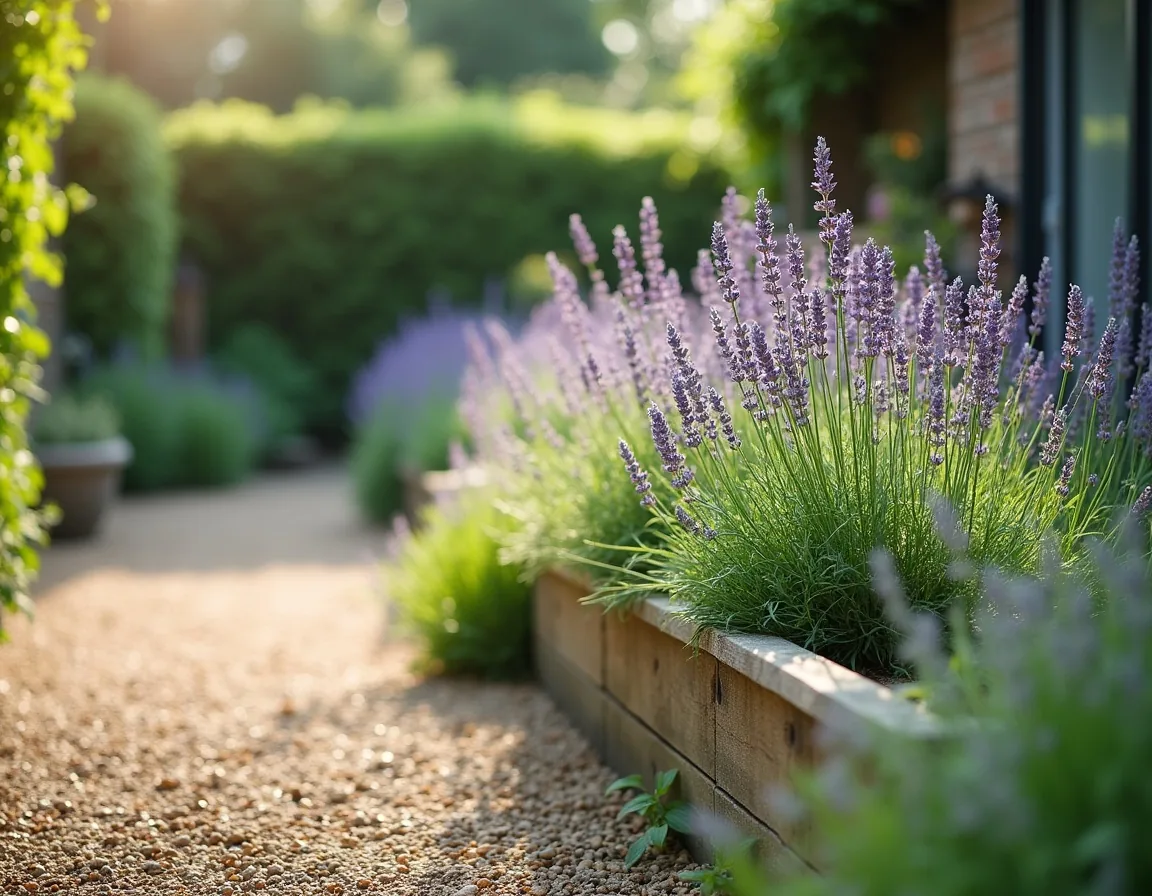
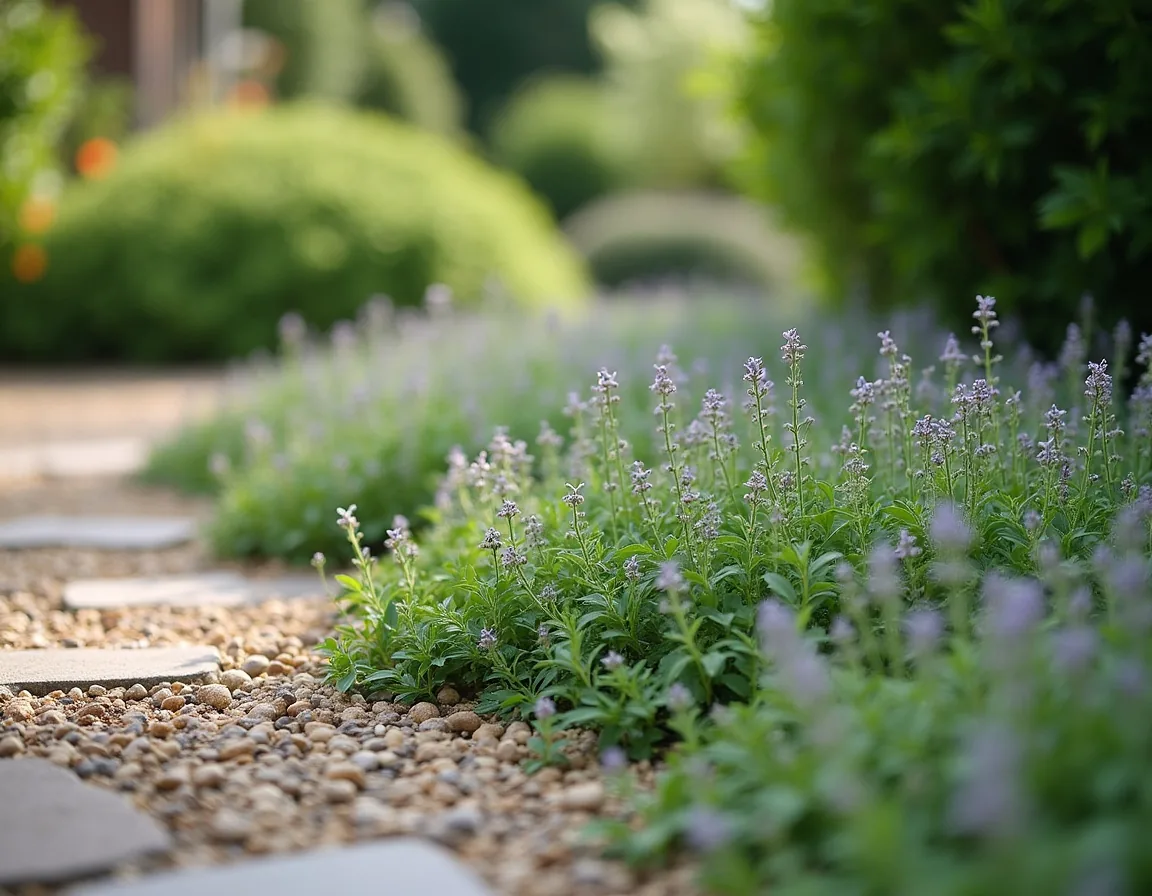
Rosemary earns its place several times over: evergreen structure all year, aromatic leaves for the kitchen, and nectar-rich spring flowers that bees love. Plant it along a path so you catch the scent as you brush past. Forms range from low and spreading to upright shrubs up to around two metres.
| Rosemary | |
|---|---|
| Botanical name | Salvia rosmarinus (was Rosmarinus officinalis) |
| Type | Evergreen shrub, prostrate to upright |
| Position | Full sun, sheltered |
| Soil | Poor to moderately fertile, well-drained (dislikes winter wet) |
| Eventual size | Roughly 15cm to 2m depending on variety |
| Plant | Spring or autumn |
| Flowers | Mid-spring to summer, nectar-rich for bees |
| Harvest | All year round (evergreen) |
Where to grow it
Give rosemary the sunniest, most sheltered spot you have, in poor to moderately fertile soil that drains freely. It is perfectly happy on thin, chalky or sandy ground. What it will not tolerate is cold, wet soil in winter: that combination, rather than frost alone, is what kills plants, especially young ones.
If your soil is heavy clay, either dig in plenty of grit, bark or leaf mould to open it up, or grow rosemary in a pot for a year or two before planting it out. A container is a good long-term home anyway, as long as the compost is free-draining.
Planting
Plant rosemary in spring or autumn. Set it at the same depth as the root ball in a sunny, sheltered position and water it in. In pots, use a soil-based peat-free compost, add crocks or extra grit for drainage, and make sure the pot has drainage holes.
For a low rosemary hedge, choose an upright variety and space plants about 45cm apart, keeping the hedge to roughly 60cm by trimming after it flowers. You can lay a hedge or herb bed out to scale first in the free garden designer.
Care and watering
Rosemary is low-maintenance and, once established, genuinely drought-tolerant: it needs little or no watering in open ground. Plants in pots are the exception, so water those in dry spells and give a general feed through the growing season. Pot on container plants into fresh compost every couple of years, and in a hard winter move them somewhere sheltered.
A light autumn mulch of leaf mould or compost helps on poorer soils.
Pruning (the important bit)
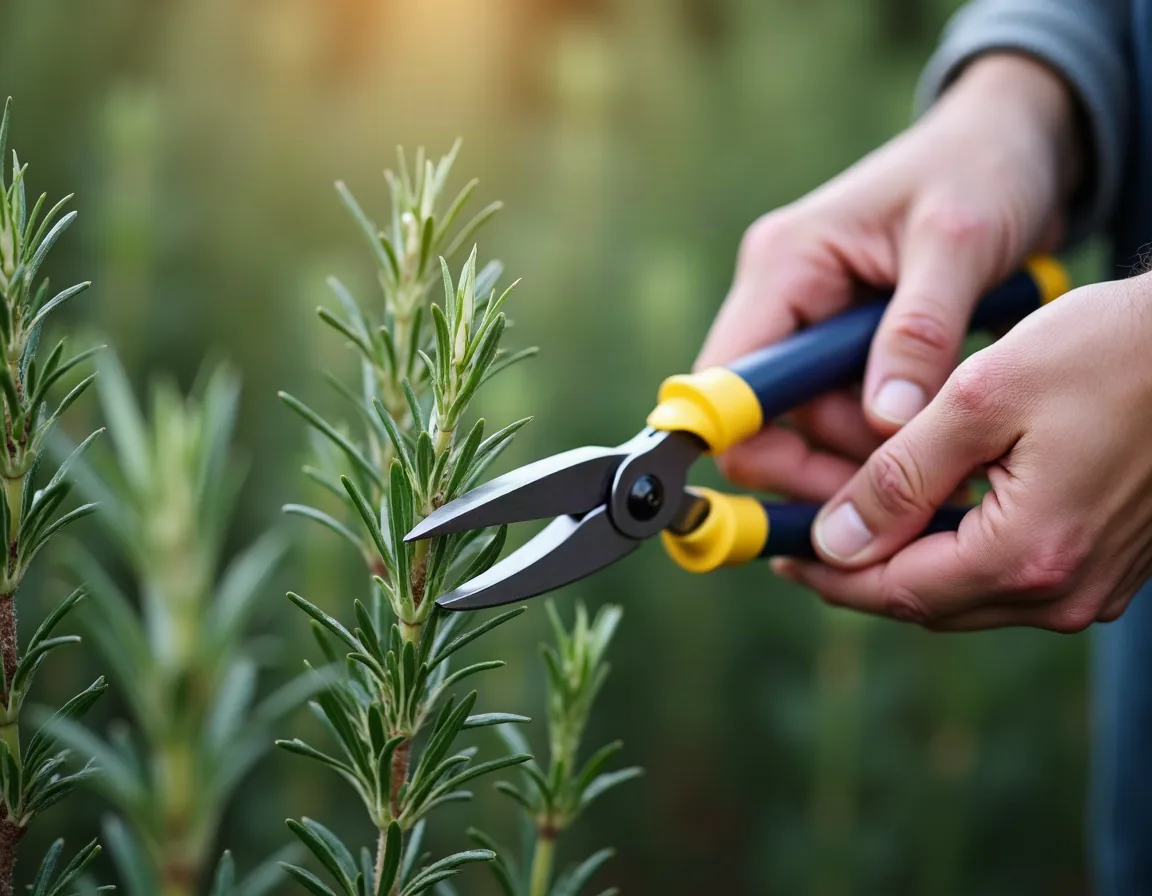
A quick prune after flowering keeps rosemary bushy and stops it turning into a bare, woody sprawl. Trim the shoots back by a few centimetres, shaping as you go, and save the trimmings for the kitchen or for cuttings.
Harvesting and storing
Because rosemary is evergreen, you can pick it fresh all year round. Pull small sprigs away from the main stem, or cut whole branches with secateurs for roasting. Strip the leaves off the woody stems before using, unless you are flavouring a roast or gravy you will fish out later. It is a pungent herb, so go easy with delicate dishes.
Rosemary dries well (lay sprigs on a tray somewhere warm) but does not freeze well, so drying is the way to keep a surplus.
Cuttings and problems
Rosemary is easy and cheap to multiply: take semi-ripe cuttings in summer, or layer a low stem by pinning it to the soil until it roots. You can also sow seed in spring, though named varieties are best grown from cuttings so they come true.
The main pest is rosemary beetle, a small, shiny beetle with metallic green and purple stripes, found on the leaves from autumn to spring. It usually does little real harm; pick beetles and grubs off by hand. The same beetle also feeds on sage, thyme and lavender.
Frequently asked questions
Why is my rosemary dying?
The usual cause is wet soil, not cold. Rosemary is fairly frost-hardy but hates sitting in cold, waterlogged ground over winter, which rots the roots of young plants in particular. Grow it in free-draining soil or a pot, and improve heavy clay with grit before planting.
Can I grow rosemary in a pot?
Yes, and it is a good option on heavy or wet soil. Use a soil-based peat-free compost with added grit, make sure the pot drains freely, water in dry spells and feed in the growing season. Pot it on into fresh compost every couple of years, and shelter it in a hard winter.
How do I prune rosemary?
Trim it lightly after flowering to keep it bushy, cutting shoots back by a few centimetres. The key rule is never to cut back into bare, old wood, as rosemary does not reliably regrow from it. A leggy, woody old plant is usually best replaced.
When can I harvest rosemary?
All year. Rosemary is evergreen, so you can pick fresh sprigs whenever you need them. Pull small sprigs from the stem or cut whole branches, and strip the leaves off the woody stems before cooking.
Is rosemary good for bees?
Yes. Its pale blue spring flowers are rich in nectar and are an early food source for bees, which makes rosemary a useful pollinator plant as well as a culinary herb.
How we checked this2 sourcesView sourcesHide
Our guides draw on expert bodies like the RHS and Garden Organic, plus experienced growers, read at source. We check every guide against those sources on the date shown, and where advice differs between them, we say so. Garden Plans is published by Limely.
- AuthoritySalvia rosmarinus (rosemary), Royal Horticultural Society. Checked 22 Oct 2026.
- AuthorityHow to grow rosemary, Gardeners' World. Checked 22 Oct 2026.