The short answer
Grow herbs on your brightest windowsill, ideally one that faces south or west, as light is the thing that runs short indoors. Stick to the leafy, fast herbs that actually suit it: basil, chives, mint, parsley and coriander. The woody Mediterranean types (rosemary, thyme, sage, bay) would rather live outdoors. The quickest win is a supermarket herb pot: it is a crowd of seedlings jammed together, so split the clump and repot it. Then water carefully, because overwatering, not underwatering, is what kills windowsill herbs.
Which windowsill, and why light is the catch
The single thing that decides whether windowsill herbs thrive or sulk is light. Herbs want sun, so pick your brightest sill, ideally one facing south or west, and keep the glass clean. A north-facing windowsill rarely gives enough for anything but mint.
The honest catch is winter. From roughly November to February the days are short and the sun sits low, so even a sunny sill delivers a fraction of summer light. Herbs respond by stretching towards the glass with pale, floppy, widely spaced leaves, which is what gardeners mean by leggy. That is why the RHS steers indoor sowing to January to early April and names a south-facing sill as the place to stand potted herbs you want to carry through winter. If your sill is dim, accept that you are keeping herbs ticking over rather than growing them hard.
Which herbs actually do well indoors
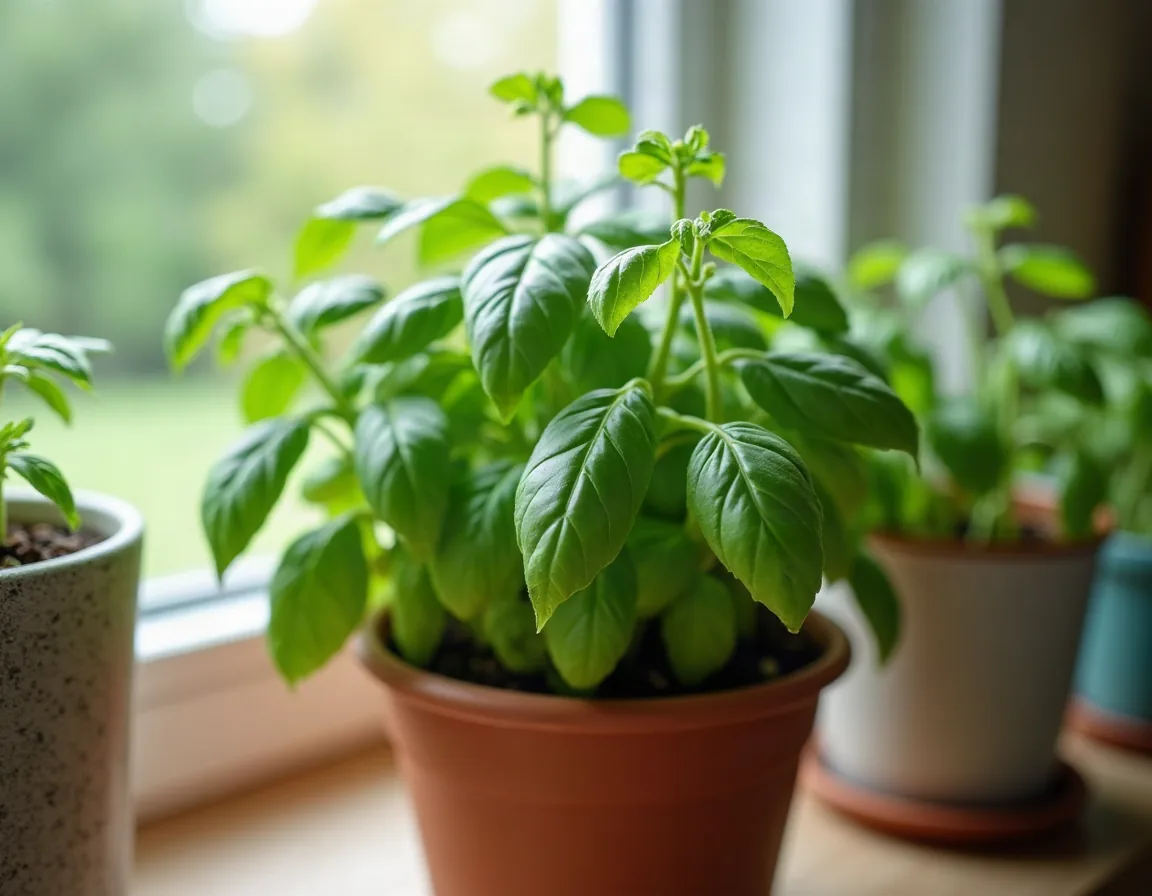
Not every herb belongs on a sill. The ones that earn their place are the leafy, fast, cut-and-come-again herbs that like warmth and being picked often. Basil is the obvious one: it is tender, so a bright windowsill is really its natural home in a UK winter rather than a compromise.
| Herb | Why it suits a windowsill |
|---|---|
| Basil | Tender, so the windowsill is its natural home; wants the warmest, brightest sill you have |
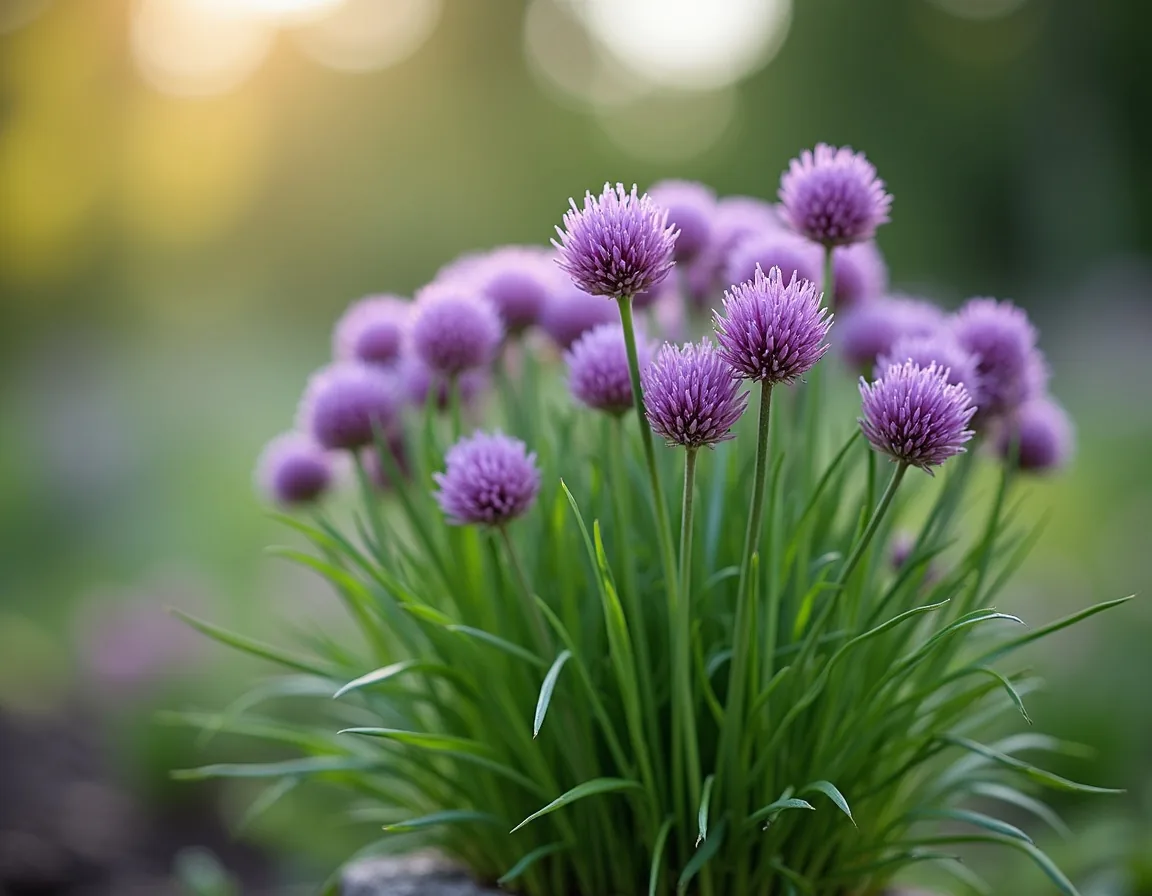
| Chives | Happy potted up and brought in; cut clumps to the base and they regrow fast |
| Mint | Vigorous and shade-tolerant; keep it in its own pot so it does not take over |
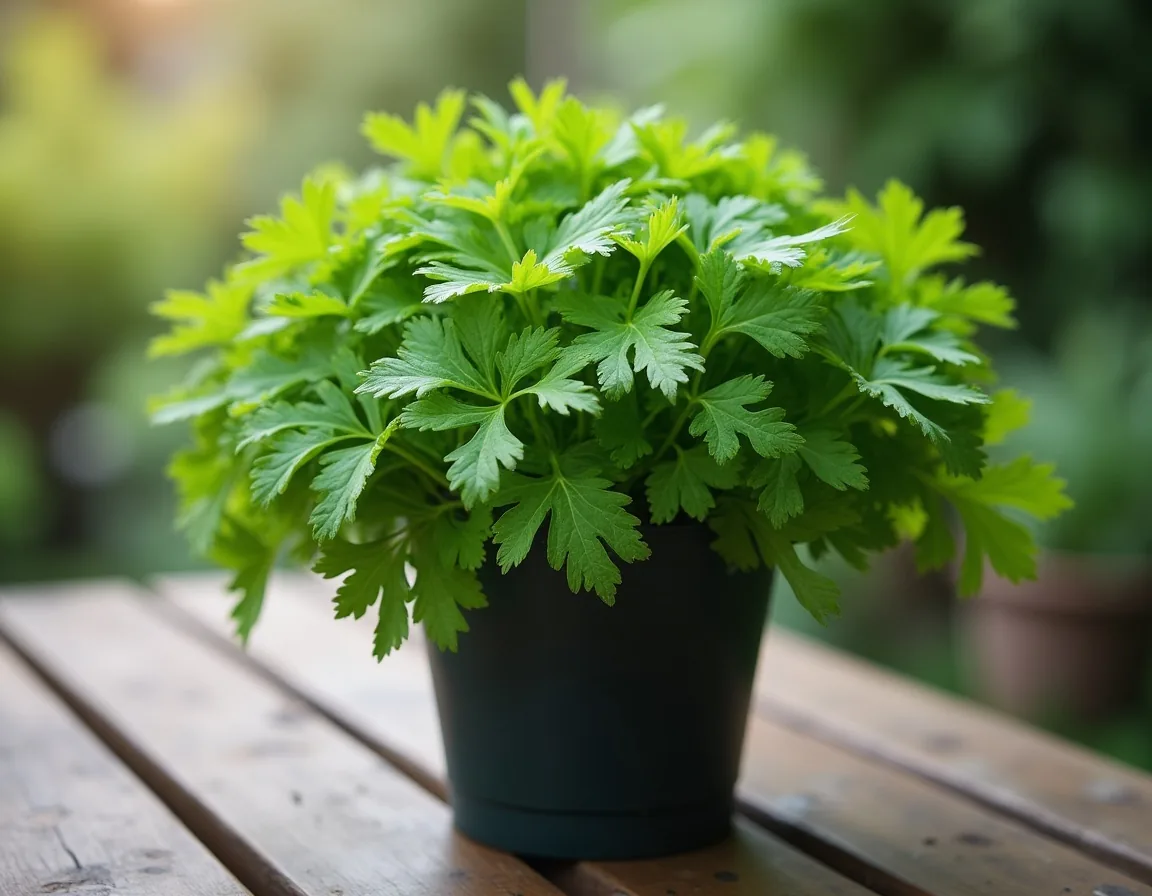
| Parsley | Pot a plant or two on a sunny kitchen sill for a steady winter picking |
| Coriander | Best resown little and often; crop the leaves young before it bolts |
Chives, mint, parsley and tarragon are happy to be potted up outdoors and brought in for the winter, which is the easiest way to keep a few fresh leaves going. For the full growing detail on individual herbs, see our guides to growing basil, growing chives and growing parsley.
Which herbs struggle indoors long-term
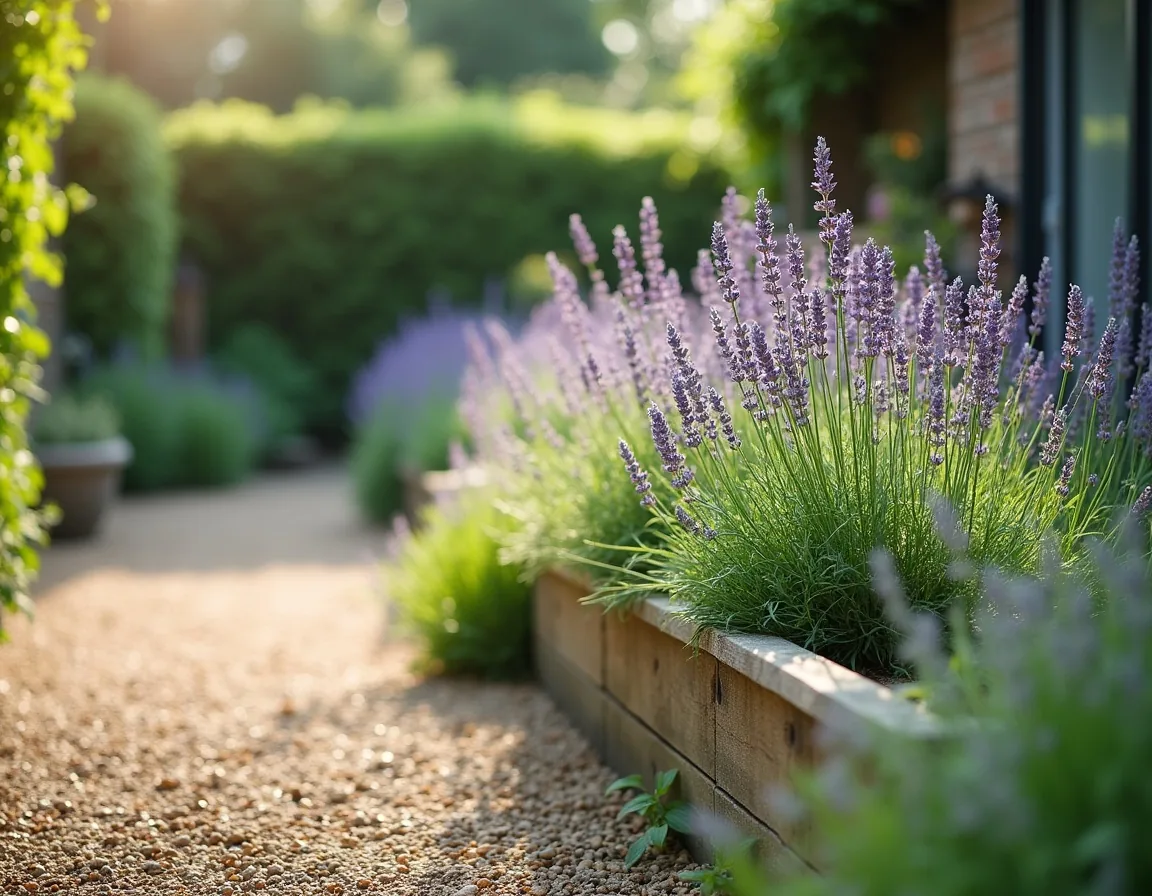
The woody Mediterranean perennials are the ones to be realistic about. They want more direct sun and more moving air than a warm, still windowsill can offer, so indoors they tend to go leggy, soft and mildew-prone. Treat them as a short winter stand-in at most, and plan to keep them outdoors the rest of the time.
| Herb | The problem indoors |
|---|---|
| Rosemary | Wants full sun and airflow; goes leggy and prone to mildew on a still, warm sill |
| Thyme | A sun-lover that resents indoor damp; far better in a pot or bed outside |
| Sage | Needs light and air to stay compact; sulks and softens kept indoors |
| Bay | A shrub, not a sill plant; keep it in a pot outdoors and clip as a standard |
If you have the outdoor space, these belong in the ground or a pot outside. Our guide to creating a herb garden covers where to put them and how to group them by what they need.
How to keep a supermarket herb pot alive
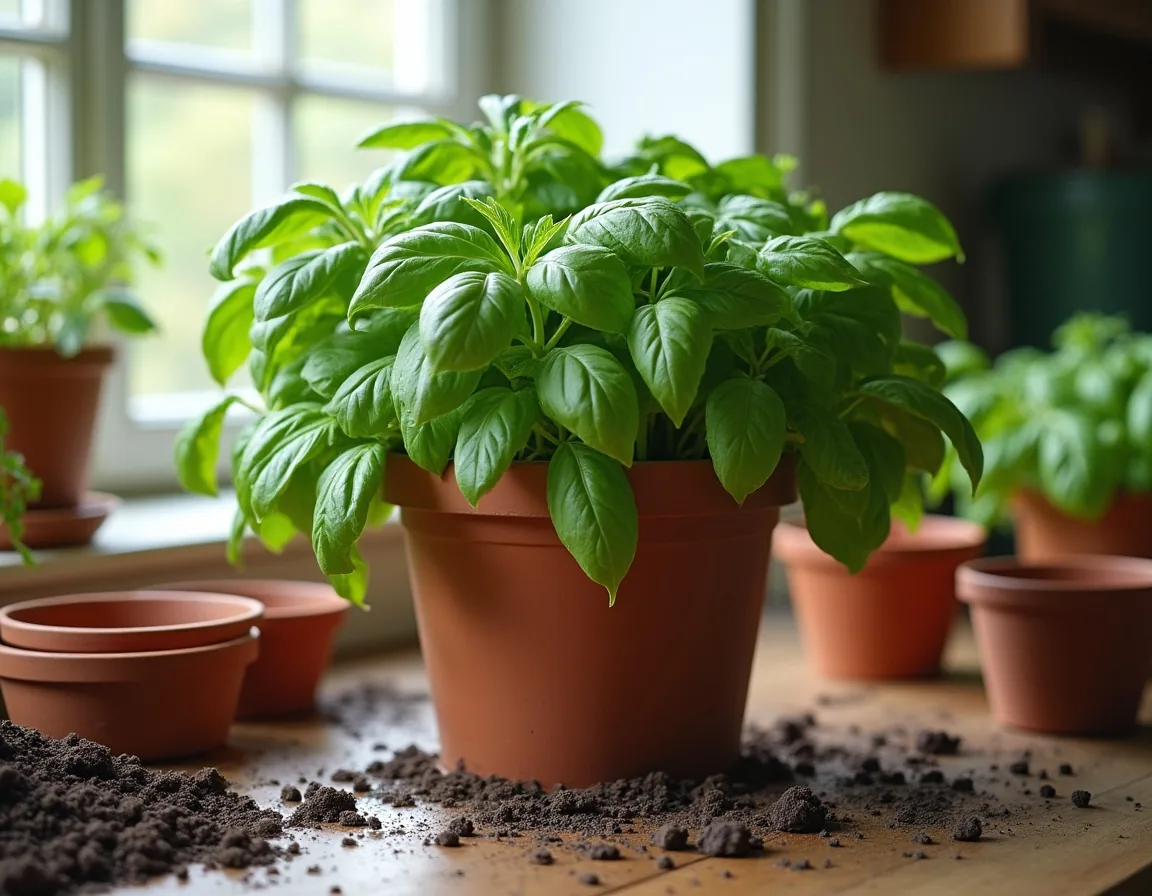
Supermarket herb pots nearly always collapse within a week, and it is not your fault. As Gardeners' World explains, they are raised from seed with dozens of young plants crammed into one pot, so the roots are fighting each other and the plant exhausts itself. The fix is to split the clump and give each piece room.
- Water the pot well, then squeeze it to loosen the rootball.
- Slide the whole rootball out and gently pull it apart into several smaller clumps, each with a good set of roots.
- Repot each clump into its own pot of fresh, free-draining compost, setting it at the same depth it sat before.
- With leggy basil, cut the soft upper growth back to a lower pair of buds so it bushes out instead of flopping.
Stand the divided plants somewhere bright and warm and they will push out fresh shoots to pick all season. You have turned one tired pot into several that will actually last.
Watering indoors without drowning them
Overwatering is the commonest way to kill a windowsill herb. Indoors the compost dries slowly, there is no wind and no drainage into open ground, so it stays wet and the roots rot. The RHS puts it simply: keep the compost moist but never soggy, and herbs easily rot off if they sit too wet.
- Use a pot with drainage holes. A pretty pot with no hole is a slow drowning.
- Never leave a saucer of standing water under the pot. Tip it away a few minutes after watering.
- Let the surface dry between waterings, then water and let the excess drain right through.
- Use a gritty, free-draining compost: a loam-based mix such as John Innes No 1 with up to 25 percent grit or perlite holds less water than a soft multipurpose compost.
The same drainage thinking applies to pots outdoors, which our guide to growing herbs in containers goes into in more depth.
Keeping a supply going all year
A windowsill is not a one-off; the point is a steady picking. A few habits keep leaves coming:
- Sow little and often. Sow basil, chives and parsley under glass or on a sunny sill from January to early April, and resow fast herbs like coriander every few weeks so one pot is always coming on while another is being picked.
- Pick to keep it bushy. Take the shoot tips regularly rather than stripping one plant bare, which keeps growth compact.
- Bring hardy herbs in for winter. Pot up chives, mint, parsley or tarragon in autumn and move them to your south-facing sill for fresh leaves through the cold months.
- Note the quiet season. Expect slow, leggier growth in midwinter and lean on resowing and overwintered pots until the light returns.
| Windowsill herbs | |
|---|---|
| Best aspect | A bright windowsill, ideally south or west facing |
| Overwinter potted herbs | Chives, mint, parsley or tarragon, on a south-facing sill |
| Sow indoors under glass | Basil, chives, parsley from January to early April |
| Compost | Loam-based (John Innes No 1) with up to 25% grit or perlite |
| Watering | Moist but never soggy; no saucer of standing water |
| Leggy season | Roughly November to February, when light is weakest |
Frequently asked questions
Which windowsill is best for growing herbs?
The brightest one you have, ideally south or west facing, as light is what runs short indoors. Herbs want sun, so keep the glass clean and avoid a dim north-facing sill for anything but mint. For herbs kept through winter, the RHS recommends a south-facing windowsill for the strongest light.
Which herbs grow best on a windowsill?
The leafy, fast, cut-and-come-again herbs: basil, chives, mint, parsley and coriander. Basil is tender, so a warm bright sill is really its natural home. Woody Mediterranean herbs like rosemary, thyme, sage and bay want more sun and air than a windowsill gives and are better off outdoors.
How do I keep a supermarket herb pot alive?
Split it. Supermarket pots are dozens of seedlings crammed together, so they exhaust themselves fast. Water the pot, slide the rootball out, pull it into several clumps each with roots, and repot them individually in free-draining compost. Cut leggy basil back to lower buds, then keep the divisions bright and warm.
Why do my windowsill herbs keep dying?
Usually overwatering, then low light. Indoors the compost stays wet with no wind and nowhere to drain, so roots rot. Use a pot with drainage holes, never leave a saucer of standing water, let the surface dry between waterings, and give the plant your brightest sill.
Can I grow herbs on a windowsill in winter?
Yes, but expect slower, leggier growth from roughly November to February when light is weakest. Keep herbs on a south-facing sill, turn the pots for even growth, go easy on the water, and lean on overwintered pots of chives, mint and parsley plus regular resowing until the light returns.
How we checked this2 sourcesView sourcesHide
Our guides draw on expert bodies like the RHS and Garden Organic, plus experienced growers, read at source. We check every guide against those sources on the date shown, and where advice differs between them, we say so. Garden Plans is published by Limely.
- AuthorityHerbs: growing and harvesting, Royal Horticultural Society. Checked 24 Oct 2026.
- AuthorityHow to divide supermarket herbs, Gardeners' World. Checked 24 Oct 2026.