The short answer
Oregano (Origanum vulgare) is a hardy perennial, so unlike basil it comes back year after year. Give it the two things it really wants: full sun and very well-drained soil. Sow indoors in spring at around 20C, or buy a plant, and keep it on the dry side, as winter wet kills more oregano than cold does. Pick from late spring to autumn, and it is at its best just before the flowers open. Sweet marjoram is its tender cousin and is grown as an annual instead.
Oregano at a glance
Oregano is one of the easiest herbs to keep going once it is settled. It is a tough Mediterranean perennial that asks for sun and sharp drainage and little else, and it earns its place twice over: in the kitchen, and as a magnet for bees when it flowers.
| Oregano | |
|---|---|
| Type | Hardy perennial herb (Origanum vulgare); sweet marjoram is tender |
| Position | Full sun; very well-drained soil, or a pot |
| Sow indoors | Spring, at about 20C (68F) |
| Germination | One to three weeks |
| Spacing | At least 20-30cm (8-12in) apart |
| Height and spread | 30-60cm (1-2ft), depending on variety |
| Harvest | Late spring to autumn; best before flowering |
Sowing and planting
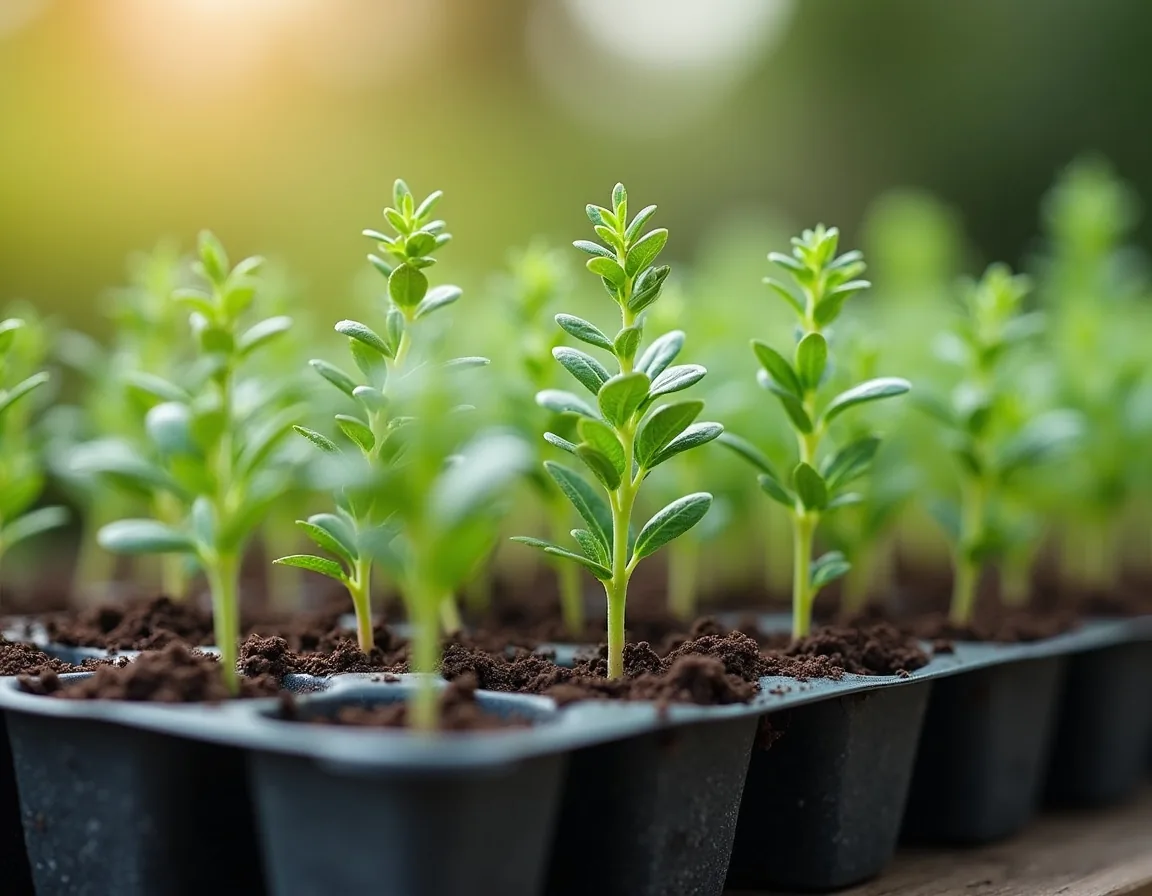
You can raise oregano from seed, or just buy a plant and divide it later, which is quicker and gives you the exact flavour you want. From seed, start indoors in spring:
- Scatter the tiny seeds thinly on the surface of damp peat-free seed compost. Do not cover them, as they are small and need light.
- Keep them warm at around 20C (68F) in a heated propagator or on a bright windowsill. They germinate in one to three weeks.
- Pot seedlings on once they are big enough to handle, then harden them off before planting out.
- Plant out, or buy ready-grown plants, spacing them at least 20-30cm (8-12in) apart, as they spread to make low, bushy mounds.
Sweet marjoram is sown the same way, but because it is tender you grow it as an annual and sow a fresh batch each spring, rather than expecting it to overwinter outdoors like hardy oregano.
Where to grow it
Oregano needs full sun and very well-drained soil. That drainage matters more than almost anything else: on heavy or damp ground the roots are liable to rot, especially over winter. If your soil is heavy, work a handful of grit into the planting hole, raise the bed, or grow it in a pot of free-draining compost instead.
A sunny spot gives you the best flavour and the most flowers. Plants make mounds of 30-60cm (1-2ft) depending on the variety, so give each one room to breathe and keep the air moving around it.
Watering and care
Oregano is drought tolerant once established. Water new plants in dry spells while they settle, but plants growing in the ground should not need extra water after that. The usual mistake is kindness: too much water, and the flavour dulls and the roots suffer.
Plants in pots are the exception and will need watering in dry weather, but let the compost dry a little between waterings and never let it stand waterlogged. There is no need to feed heavily; lean conditions give the best-flavoured leaves.
To keep plants bushy and productive, you can cut them back hard in midsummer to push out a flush of fresh young leaves. Divide clumps every few years to keep them vigorous, in spring, or soon after flowering in late summer or early autumn.
Harvesting
Pick oregano from late spring right through to autumn, snipping or pinching off sprigs as you need them. The flavour is strongest just before the flowers open, so that is the moment to gather bunches for drying if you want a winter store.
It is worth letting some of the plant flower rather than cutting everything. The pink, mauve or white summer flowers are alive with bees and butterflies, and unlike many herbs oregano does not turn bitter the way basil or coriander do once they bolt. Dried oregano actually holds its flavour well, which is unusual among herbs.
Oregano versus marjoram, and types to try
The names tangle because they are close relatives. In short: the hardy perennial sold as oregano is Origanum vulgare, while sweet and pot marjoram are different, milder species of the same genus. The one most cooks mean by oregano, the strong pizza-and-tomato flavour, is Greek oregano. Here are the ones worth knowing:
| Type | What to know |
|---|---|
| Common oregano (Origanum vulgare) | The hardy perennial sold as oregano; wild marjoram in the hedgerows. Reliably hardy. |
| Greek oregano (O. vulgare subsp. hirtum) | The strong, classic pizza-and-tomato flavour; the one to grow for cooking. |
| Golden oregano ('Aureum' AGM) | Bright golden-yellow leaves and a warm flavour; good for colour as well as the kitchen. |
| Sweet or knotted marjoram (O. majorana) | Sweeter, milder flavour, but tender: grow it as an annual and sow fresh each spring. |
| Pot marjoram (O. onites) | A bushy marjoram with a milder taste; also recognised as a marjoram rather than true oregano. |
Common problems
- Winter wet and heavy soil are the main killers, rotting the roots. Sharp drainage, grit or a pot solves nearly every oregano problem before it starts.
- Mint rust can show as orange pustules on the leaves. Remove affected growth and keep plants open and airy.
- Mint moth caterpillars may nibble the foliage; pick them off by hand if numbers build up.
- Sage and Ligurian leafhoppers can cause pale stippling on the leaves, though plants usually shrug this off.
Beyond that, oregano is largely trouble free given sun and drainage. Get the spot right and it mostly looks after itself.
Frequently asked questions
Is oregano a perennial or an annual?
Oregano (Origanum vulgare) is a hardy perennial, so it comes back year after year and generally survives UK winters when grown in free-draining soil. It dies back in winter and regrows from woody stems in spring. Sweet marjoram is the exception: it is tender, so in the UK it is grown as an annual and sown fresh each spring.
What is the difference between oregano and marjoram?
They are close relatives in the same genus. Oregano usually means Origanum vulgare, a hardy perennial with a strong, warm flavour. Marjoram usually means sweet or knotted marjoram (O. majorana) or pot marjoram (O. onites), which are milder and, in the case of sweet marjoram, tender. For cooking, Greek oregano (O. vulgare subsp. hirtum) is the classic pizza flavour.
Does oregano need a lot of watering?
No. Oregano is drought tolerant once established. Water new plants through dry spells while they settle, but plants in the ground rarely need extra water after that. Only plants in pots need regular watering, and even then let the compost dry a little between waterings and never leave it waterlogged.
Why is my oregano dying?
It is almost always winter wet rather than cold. Oregano is hardy but hates sitting in damp, heavy soil, which rots the roots. Improve the drainage with grit, lift it into a raised bed, or grow it in a pot of free-draining compost, and give it full sun.
When should I harvest oregano?
Pick oregano from late spring through to autumn, taking sprigs as you need them. The flavour is strongest just before the flowers open, so that is the best time to cut bunches for drying. Oregano holds its flavour well when dried, which makes it worth storing for winter.
How we checked this2 sourcesView sourcesHide
Our guides draw on expert bodies like the RHS and Garden Organic, plus experienced growers, read at source. We check every guide against those sources on the date shown, and where advice differs between them, we say so. Garden Plans is published by Limely.
- AuthorityHow to grow oregano, Royal Horticultural Society. Checked 22 Oct 2026.
- AuthorityHow to grow oregano, Gardeners' World. Checked 22 Oct 2026.