The short answer
Dill is a quick, easy annual, but it has one firm rule: it hates having its roots disturbed, and moving it makes it bolt (run to seed). So sow it direct where it is to grow, in a warm, sunny, sheltered spot in free-draining soil or a deep pot. Keep it watered in dry spells so it does not bolt early, sow a small batch every few weeks for a steady supply, and pick the feathery leaves young. Leave a few plants to flower and you get your own seed too.
Dill at a glance
Dill is one of the simplest herbs to grow from seed, and one crop gives you two things: the soft, feathery leaves for fish, salads and pickles, and the aromatic seed later in the year. It is an annual, so it lives for a single season and dies once it has set seed.
| Dill | |
|---|---|
| Type | Annual herb (Anethum graveolens), grown as a seasonal crop |
| Position | Warm, sunny, sheltered; fertile, free-draining soil |
| Sow outdoors | Mid-spring to mid-summer, direct where it is to grow |
| Sow depth | About 1cm (half an inch) deep |
| Spacing | Thin to about 20cm (8in) apart |
| Height | Usually about 90cm (3ft), up to 1.5m (5ft) |
| Harvest leaves | From about 6 weeks after sowing, through autumn |
Sowing
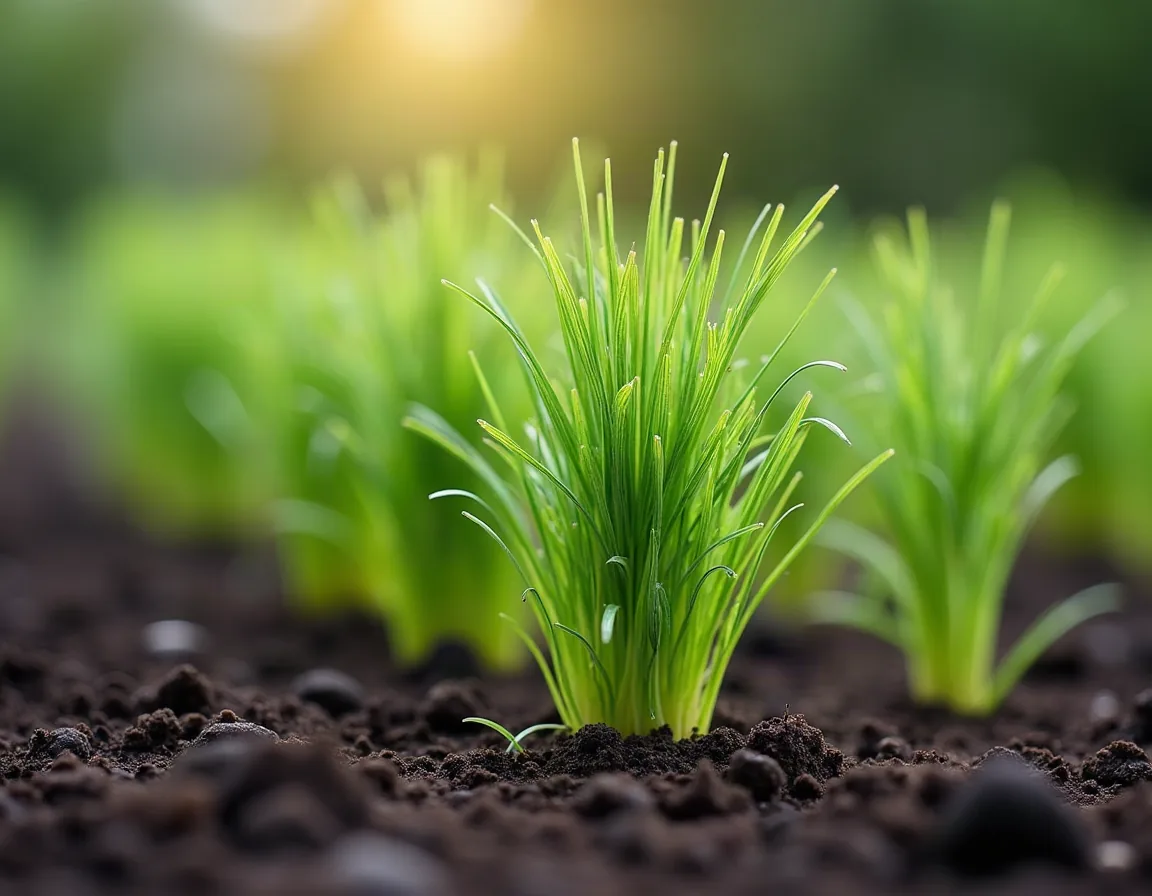
The one thing to get right with dill is to sow it direct where it is to grow. It dislikes having its roots disturbed, and that disturbance is exactly what tips it into bolting, so it does far better sown in situ than raised in trays and moved. Sow it in open ground or in a deep container:
- Sow mid-spring to mid-summer, thinly in rows, about 1cm (half an inch) deep. Cover lightly and water.
- Seeds germinate in one to two weeks, given a minimum of 15C (60F), so hold off until the soil has warmed in spring.
- Thin the seedlings to about 20cm (8in) apart once they are big enough to handle. Try not to disturb the ones you are keeping.
For a steady supply, sow a small batch every few weeks rather than one big sowing. If you want a head start you can sow in plug trays under cover, but move them out while they are still small, before the roots fill the cell.
Where to grow it
Dill wants a warm, sunny and sheltered spot in fertile, free-draining soil. It dislikes cold, soggy conditions, so heavy wet ground or a shady corner will not suit it. A sunny bed or a deep pot of peat-free multipurpose compost both work well.
It is a tall, slightly top-heavy plant, so shelter matters: the taller varieties can reach up to 1.5m (5ft) and flop or snap in wind on an exposed site. If your garden is breezy, grow a dwarf variety or give it a quiet corner with some support.
Care and bolting
Dill looks after itself once it is up, with one job that matters: keep it watered in dry spells. In hot, dry weather it flowers prematurely (bolts), and once it starts to flower it more or less stops making new leaves. Even watering, especially in a pot that dries out fast, is the single best thing you can do to keep it leafy.
It rarely needs feeding in decent soil. If you are growing mainly for leaves, snip off the flower heads as they start to form to buy yourself a little more picking time, though in a hot summer dill will often win that race and flower anyway.
Harvesting leaves and seed
Leaves: start picking about six weeks after sowing, and carry on through autumn. Snip the feathery leaves as you need them, taking a little from several plants rather than stripping one. Use them as soon as you can after picking, as they wilt quickly; to keep some back, freeze them rather than drying, which loses most of the flavour.
Seed: let a few plants flower and run on. The seed ripens in late summer and autumn, turning brown on the heads. Cut whole heads into a paper bag before they shed, dry them in a warm room, then store the seed airtight for the kitchen or to sow next year. The yellow flower umbels are good for bees and hoverflies while you wait.
Varieties and problems
For leaves, pick a compact, slow-to-bolt variety; for seed, grow a large vigorous one:
| Variety | Good for |
|---|---|
| 'Domino' (AGM) | Compact and slow to bolt, a good all-rounder for leaves |
| 'Tetra' | Bushy and slow to bolt, so it stays leafy for longer |
| 'Bouquet' | Dwarf at about 30cm, happy in a pot or a small bed |
| 'Mammoth' | Large and vigorous, the one to grow if you want seed |
Dill is otherwise easy and trouble-free. Bolting is the main issue, covered above. Protect young seedlings from slugs and snails, especially in damp weather, and keep an eye out for aphids (greenfly) on soft growth, which you can rub or rinse off.
Frequently asked questions
Why does my dill keep bolting?
Dill runs to seed quickly in hot, dry weather, if its roots are disturbed, or if it is left short of water. Sow it direct where it is to grow (it hates being moved), keep the soil evenly moist through dry spells, pick a slow-to-bolt variety like 'Domino' or 'Tetra', and sow a little every few weeks so there is always a young batch coming.
Should I sow dill direct or start it indoors?
Sow it direct where it is to grow. Dill dislikes having its roots disturbed, and that disturbance is exactly what makes it bolt, so it does best sown in situ outdoors. You can start it in plug trays under cover for an early crop, but move it out while it is still small, before the roots fill the cell.
Can I grow dill in a pot?
Yes, as long as the pot is deep, since dill makes a long root. Use a peat-free compost with good drainage, stand it in a warm, sunny, sheltered spot, and keep it watered, as pots dry out fast and dry roots make dill bolt. A dwarf variety like 'Bouquet' suits containers best.
How do I harvest and store dill seed?
Let a few plants flower and set seed, then cut the whole heads into a paper bag in late summer or autumn as they turn brown. Dry them in a warm room, then store the seed airtight. Use it in cooking or save it to sow next year.
When should I sow dill?
Sow outdoors from mid-spring to mid-summer, once the soil has warmed, as the seed needs a minimum of about 15C to germinate. Sow a small batch every few weeks for a continuous supply of leaves through summer and into autumn.
How we checked this2 sourcesView sourcesHide
Our guides draw on expert bodies like the RHS and Garden Organic, plus experienced growers, read at source. We check every guide against those sources on the date shown, and where advice differs between them, we say so. Garden Plans is published by Limely.
- AuthorityHow to grow dill, Royal Horticultural Society. Checked 22 Oct 2026.
- AuthorityHow to grow dill, Gardeners' World. Checked 22 Oct 2026.