The short answer
The one thing to get right with tarragon is which type you buy. French tarragon is the one worth growing for the kitchen, and it is not grown from seed, so buy a plant or take a cutting from a friend. It wants full sun and, above all, free-draining soil, because cold and wet together are what see it off over winter. Grow it in a pot so you can move it somewhere dry in winter, and pick the shoot tips from spring to autumn. Seed sold as tarragon is the coarser, much milder Russian kind.
Tarragon at a glance
Tarragon is a short-lived perennial grown for its aniseed-and-pepper leaves, the classic herb for chicken, fish and a proper bearnaise. It is not difficult, but it is fussy about drainage and winter wet, and the type you start with decides almost everything else.
| Tarragon | |
|---|---|
| Type | Short-lived herbaceous perennial (Artemisia dracunculus) |
| Position | Full sun, sheltered, well-drained soil; often best in a pot |
| French tarragon | The culinary one; buy a plant, no seed route |
| Russian tarragon | Grown from seed, hardier, but coarser and milder |
| Spacing | French 20cm (8in); Russian at least 30cm (12in) |
| Height | French 50-75cm (20-30in); Russian about 1m (3.5ft) |
| Harvest | Shoot tips, spring to autumn |
French or Russian: the choice that matters
Two plants are sold as tarragon, and they are not the same thing. Get this right and the rest is easy:
| Type | What to know |
|---|---|
| French tarragon | Peppery with a hint of liquorice, the one worth growing to cook with. Shy to flower and set seed, so buy a plant or propagate by division or cuttings. Not fully hardy: needs winter protection. |
| Russian tarragon | Grown from seed and hardier, generally surviving outside unless waterlogged, but more vigorous and coarse with a grassy, slightly bitter, much milder flavour. |
In short: grow French tarragon for flavour and buy it as a plant. If you see tarragon seed for sale it is Russian, which is hardier and easy from seed but a poor substitute in the kitchen. French reaches 50-75cm (20-30in) tall and about 30cm (12in) wide; Russian is bigger at about 1m (3.5ft) tall and 50cm (20in) wide.
Where to grow it, and planting
Both kinds want the same thing: full sun, a sheltered spot, and soil or compost that drains freely. Damp is the enemy. On heavy ground, work in grit, use a raised bed, or grow in a container, which also makes winter protection far easier.
Buy French tarragon as a young plant in spring or early summer and space it 20cm (8in) apart. Russian tarragon can be raised from seed: sow a few seeds in a small pot of moist peat-free seed compost indoors in spring, transplant from late spring once the frosts have passed, and space it at least 30cm (12in) from other plants. In a pot, use one at least 20cm (8in) wide and deep of peat-free soil-based compost mixed with horticultural grit (up to 25 per cent by volume) for drainage.
Watering and winter protection
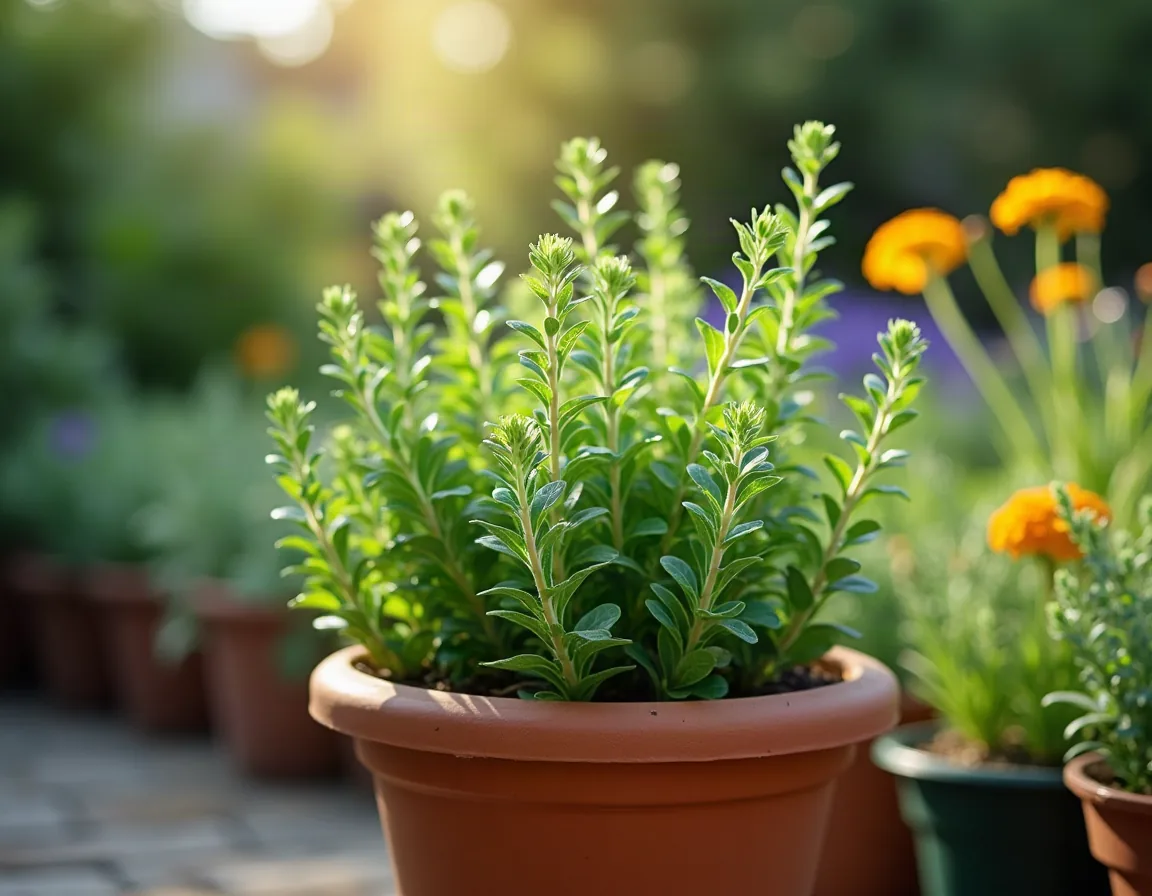
Water a newly planted tarragon during dry spells in its first summer to settle it in. After that, a plant in the ground rarely needs watering; it would far rather be too dry than too wet. Keep an eye on pots over summer and water when the compost dries out, but never leave it standing wet.
Tarragon dies back after the first hard frost, which is normal. Cut the old top growth away in spring as the new shoots appear.
Harvesting
Pick from spring to autumn, taking the soft shoot tips and stripping the leaves from the stems. Harvesting little and often keeps the plant bushy and productive. If flower buds form, pinch them out to keep the leaves coming and the flavour at its best.
Tarragon is best fresh. The leaves can be dried, though they lose much of their punch, so freezing is the better way to keep a supply, or steep a few sprigs in a bottle of white wine vinegar for the store cupboard.
Keeping it going: dividing and cuttings
Tarragon is short-lived and loses vigour after a few years, so divide an established clump in spring every few years to keep it going. This is also the main way to make more French tarragon, since it will not come true from seed. You can also take softwood cuttings from new growth in summer.
Lift the clump, split it into rooted pieces, and replant the best of them into fresh, free-draining soil or compost. It is worth keeping a spare plant in a pot as insurance against a bad winter.
Common problems
In the right spot tarragon is healthy and largely trouble free. The few problems worth knowing almost all trace back to wet:
- Rot is the big one, brought on by cold, wet, waterlogged soil over winter. Drainage and a dry winter position are the cure.
- Powdery mildew can leave a white, dusty coating on leaves and stems; improve air flow and avoid dry, stressed roots.
- Rust shows as orange pustules on the foliage; remove affected leaves and avoid crowding.
Frequently asked questions
Why does my tarragon have no flavour?
It is almost certainly Russian tarragon rather than French. Russian tarragon is the one grown from seed, and it is hardier and more vigorous but much milder and coarser, with a slightly bitter, grassy taste. For the true aniseed-and-pepper flavour you want French tarragon, which is sold as a plant, not as seed.
Can you grow tarragon from seed?
Only Russian tarragon, which is the coarser, milder kind. French tarragon, the one worth growing for cooking, is shy to flower and does not come true from seed, so it is always bought as a plant or propagated by division or cuttings. If a packet of tarragon seed is on sale, it is Russian.
How do I keep tarragon alive over winter?
Keep it dry. French tarragon usually dies from cold and wet together, not cold alone, so growing it in a pot lets you move it somewhere dry like a greenhouse or porch for winter. For plants in the ground, mulch the roots or cover with fleece and improve drainage. It dies back after the first hard frost, which is normal; cut the old growth away in spring.
Why is my tarragon getting weaker each year?
Tarragon is a short-lived perennial and naturally loses vigour after a few years. Divide an established clump in spring every few years, replanting the best rooted pieces into fresh, free-draining soil or compost. Keeping a spare plant in a pot is good insurance against a hard winter.
Where should I plant tarragon?
Full sun, a sheltered spot, and free-draining soil or compost. Damp is what it hates, so on heavy ground add grit, use a raised bed, or grow it in a container of soil-based compost mixed with horticultural grit. A pot has the bonus that you can move it under cover for the winter.
How we checked this2 sourcesView sourcesHide
Our guides draw on expert bodies like the RHS and Garden Organic, plus experienced growers, read at source. We check every guide against those sources on the date shown, and where advice differs between them, we say so. Garden Plans is published by Limely.
- AuthorityHow to grow tarragon, Royal Horticultural Society. Checked 22 Oct 2026.
- AuthorityHow to grow tarragon, Gardeners' World. Checked 22 Oct 2026.