The short answer
If you are starting out, grow the forgiving ones first: chives, mint, parsley, thyme, rosemary, sage, oregano and coriander are all hardy or easy, and most come back every year. Add basil for how much you will use it, even though it needs more warmth. Two habits save most beginner plants: keep mint in a pot so it cannot take over, and do not overwater, as more herbs die wet than dry. Then pick often, before anything flowers.
What makes a herb easy for a beginner?
An easy herb is one that forgives the two things beginners get wrong: it copes with a bit too much or too little water, and it does not need perfect timing or warmth to get going. In practice that means the hardy perennials, the ones that return each spring on their own, and a couple of annuals that are happy sown straight outside.
This page is the shortlist and the reasoning. If you want to plan the bed itself, where to put it, how to group herbs and lay it out, start with how to create a herb garden. Each herb below links to its full growing guide.
The easiest herbs to grow, and the one tip for each
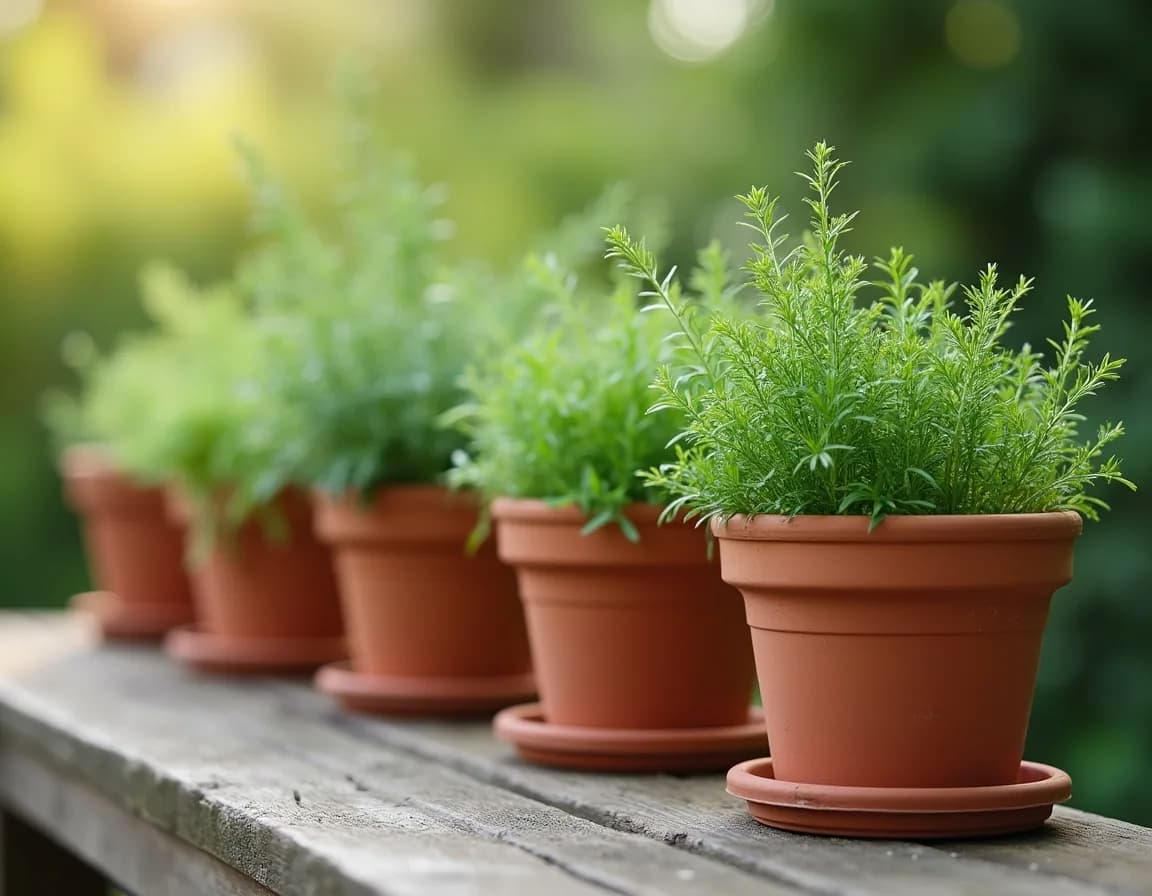
These are the herbs the RHS and we would hand a beginner. For each one, why it is easy and the single most useful thing to get right. Click through for the full guide on any of them:
| Herb | Why it is easy | The one tip |
|---|---|---|
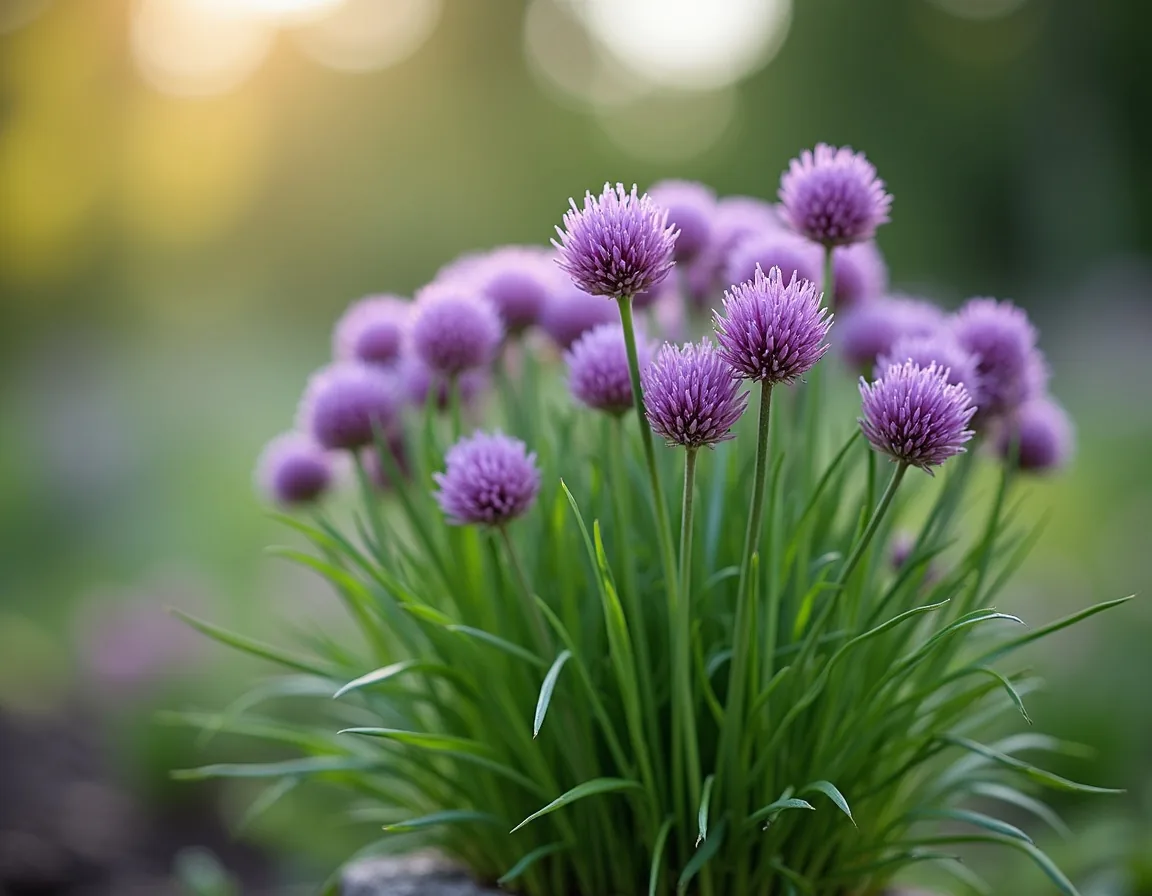
| Chives | A low-maintenance hardy perennial that returns every year and copes with sun or part shade | Cut the clump back after it flowers and you get a fresh flush of young leaves |
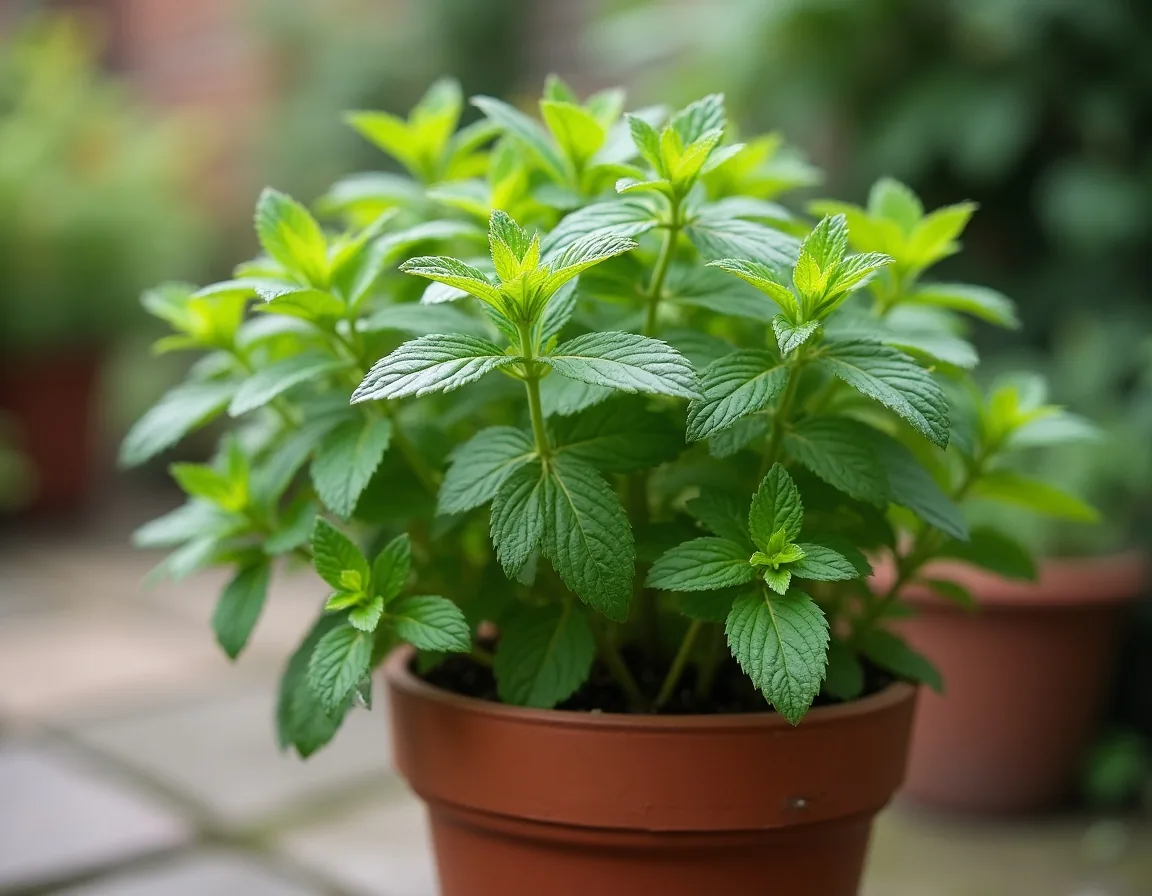
| Mint | Vigorous and fully hardy; grows in sun or part shade in almost any soil | Keep it in a pot, as in open ground it spreads by runners and takes over |
| Parsley | Forgiving, grows from seed, crops in sun or part shade and makes a neat edging | Grow it in part shade, where it is slower to bolt, and soak the seed before sowing |
| Coriander | Sown straight into the ground outdoors, so no fuss with indoor seedlings | Sow a short row every few weeks, as it bolts fast in hot, dry spells |
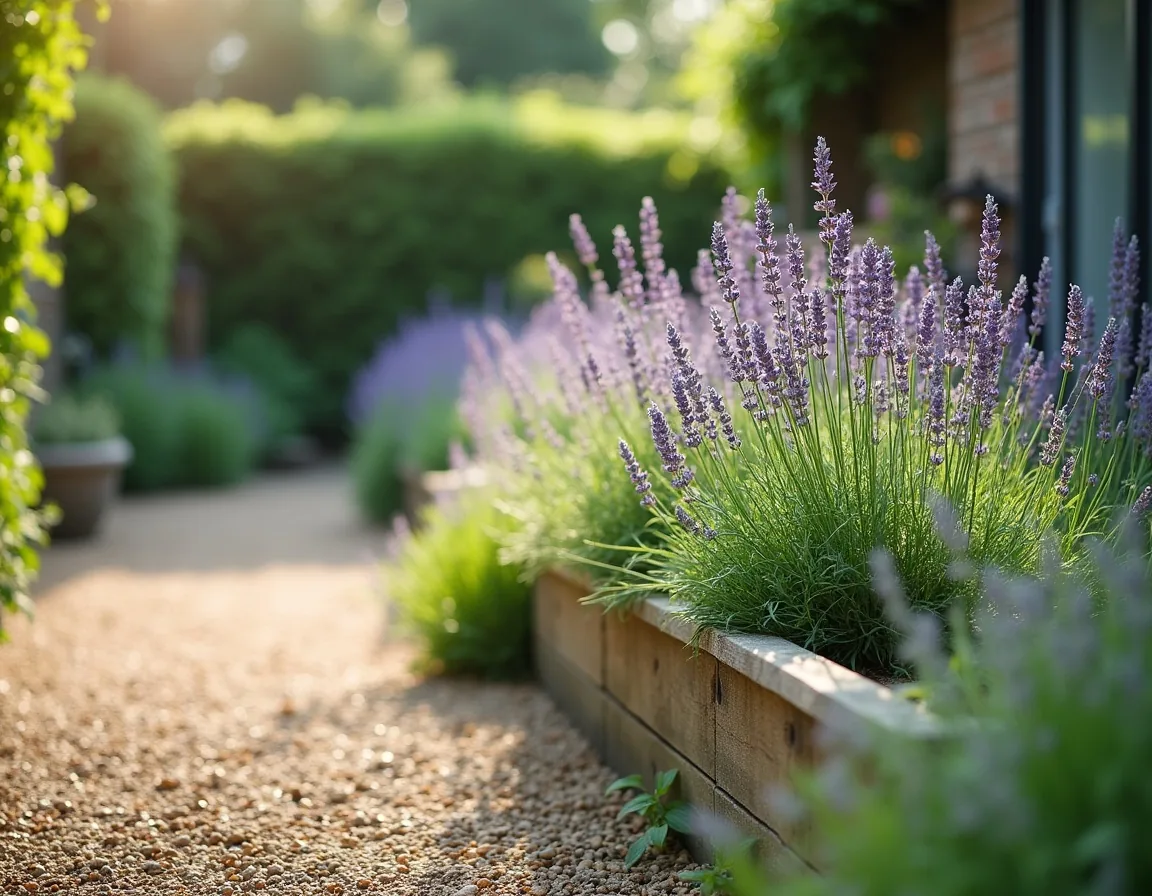
| Thyme | A hardy evergreen that thrives on poor, stony, free-draining soil and shrugs off drought | Do not overwater or feed it rich soil, which makes it soft and short-lived |
| Rosemary | An evergreen shrub that needs little once it has settled in, and picks all year | Buy a young plant rather than sowing seed, and give it free-draining soil and shelter |
| Sage | A hardy, drought-tolerant evergreen that barely needs feeding | Buy a young plant, as seed-raised sage takes at least a year to reach picking size |
| Oregano | A reliably hardy perennial that tolerates poor, dry soil and comes back each spring | Grow it in a container or a dry, sunny spot; it hates sitting wet over winter |
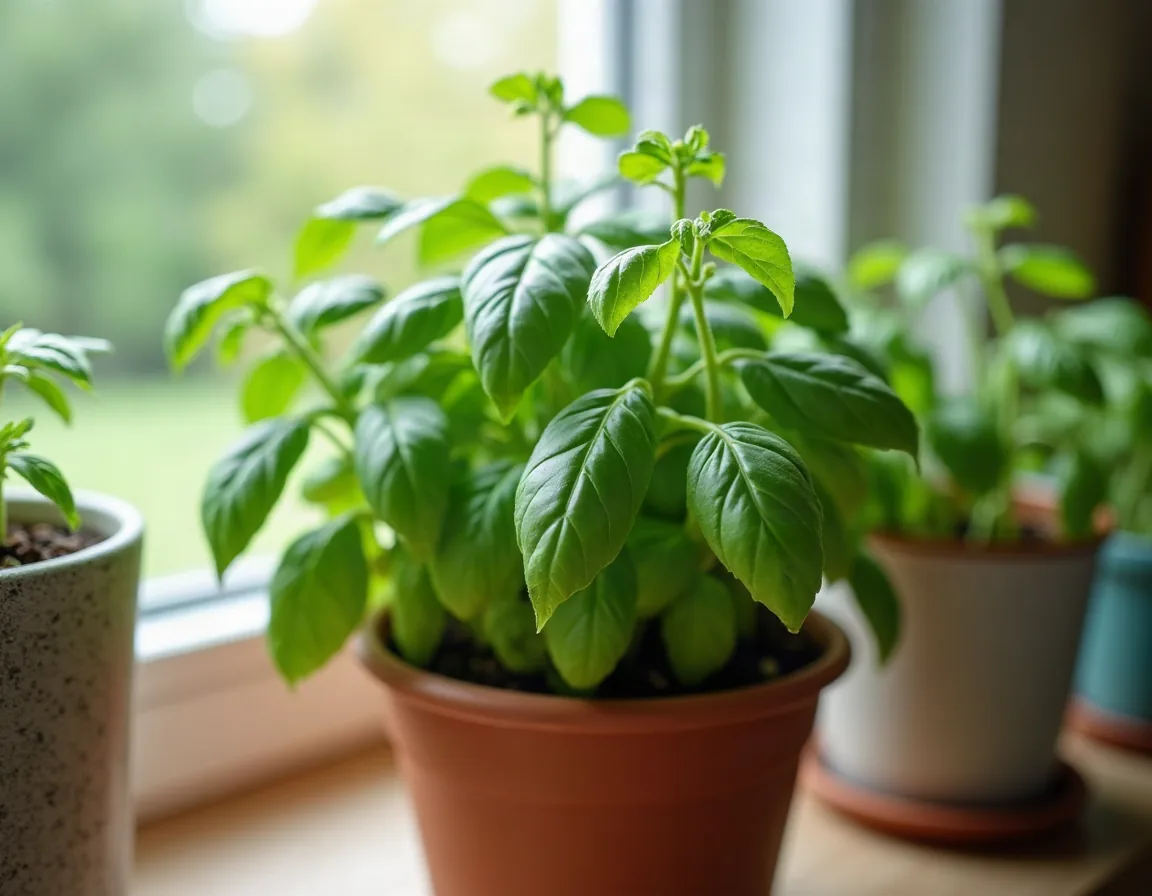
| Basil | The one you will use most, though it is tender and needs real warmth to do well | Grow it in a pot on a sunny windowsill and water in the morning, never the evening |
All but basil are hardy in the UK, and chives, mint, thyme, rosemary, sage and oregano are perennial, so they come back year after year for no extra work. If you only ever grow from that list, you will have fresh herbs for most of the year.
The beginner mistakes that kill herbs
Almost every failed first herb patch comes down to one of these four things. Avoid them and the plants largely look after themselves:
- Overwatering: The commonest killer. Mediterranean herbs (thyme, rosemary, sage, oregano) and basil hate sitting wet, so let the surface dry between waterings and never leave pots standing in water.
- Letting herbs flower and bolt: Once basil, coriander or dill run to flower, the leaves turn bitter and sparse. Pinch out the tips before they flower and sow leafy annuals little and often.
- Expecting one supermarket pot to last: A shop pot is dozens of seedlings crammed together and is not bred to live on. Split it into a few clumps and repot into fresh compost, or sow your own, rather than waiting for it to collapse.
- Planting mint in open ground: Mint (and lemon balm) spreads by underground runners and will swamp the whole bed. Always grow it in a pot, or sink a bottomless pot into the ground to hold the roots in.
Start with these six
If a list of nine is still too much, this is the six I would plant for a first patch, chosen to cover the herbs you actually cook with while staying forgiving:
- Chives: hardy, perennial, cope with shade, and the first to reappear in spring.
- Mint: almost impossible to kill, and a pot keeps it in check.
- Parsley: the workhorse leafy herb, happy in part shade.
- Thyme: evergreen, picks all year, and wants nothing but sun and drainage.
- Rosemary: one plant gives you a lifetime of pickings for next to no care.
- Basil: the one tender annual worth the fuss, on a sunny windowsill.
Five of the six are hardy and mostly perennial, so you plant them once. Basil is the single annual you resow each year, and the payoff is the herb you will reach for most in summer. Once these feel easy, branch into coriander, sage, oregano, dill, tarragon and a bay tree.
Should I buy plants or sow seed?
Do both, by herb. Buy the slow, woody perennials as young plants, rosemary, sage, thyme and bay, because from seed they take a year or more to reach picking size. Sow the leafy annuals, coriander and dill go straight into the ground, and basil and parsley do best started in pots. Chives, mint and tarragon are quickest from a bought plant or a divided clump off a friend.
A supermarket pot is a cheap way to start, but treat it as a bag of seedlings, not a finished plant. Split it into two or three clumps and repot each into fresh compost, and it will do far better than left as is.
Frequently asked questions
What is the single easiest herb to grow?
Chives or mint. Both are hardy perennials that come back every year, cope with sun or part shade and need almost no attention. Mint is so vigorous that the only real job is keeping it in a pot so it does not take over the bed.
Which herbs come back every year?
Chives, mint, thyme, rosemary, sage, oregano and tarragon are perennial and return each year, and several are evergreen so you can pick in winter. Basil, coriander and dill are annuals that last one season and need resowing, while parsley is a biennial that usually crops for about a year.
Why do my herbs keep dying?
Usually overwatering. More herbs are killed by sitting wet than by drought, especially Mediterranean ones like thyme, rosemary and sage, and tender basil. Use free-draining compost, make sure pots have drainage holes, let the surface dry between waterings, and never leave a pot standing in water.
Can beginners grow herbs in pots?
Yes, and for some herbs pots are better. Mint must be contained or it spreads, basil does best in a pot on a sunny windowsill, and Mediterranean herbs like the sharp drainage a gritty compost gives. Use a pot with drainage holes and group herbs with similar watering needs together.
Is basil a good first herb?
It is the one you will use most, but it is the least beginner-proof because it is tender and hates cold, wet roots. Grow it in a pot on a warm, sunny windowsill, water in the morning rather than the evening, and only move it outside in early summer. See our full basil guide for the detail.
How we checked this4 sourcesView sourcesHide
Our guides draw on expert bodies like the RHS and Garden Organic, plus experienced growers, read at source. We check every guide against those sources on the date shown, and where advice differs between them, we say so. Garden Plans is published by Limely.
- AuthorityEasy herbs to grow, Royal Horticultural Society. Checked 24 Oct 2026.
- AuthorityHerbs: growing and harvesting, Royal Horticultural Society. Checked 22 Oct 2026.
- AuthorityHow to grow mint, Royal Horticultural Society. Checked 22 Oct 2026.
- AuthorityHow to grow basil, Royal Horticultural Society. Checked 22 Oct 2026.