The short answer
Fruit comes in two camps. Soft fruit (strawberries, raspberries, currants, blueberries) is quick, cheap and crops within a year or two, so it is where I tell everyone to start. Tree fruit (apples, pears, plums, cherries) is a longer game but gives you decades of harvests from one plant. Give fruit a sunny, sheltered spot, plant bare-root stock in winter while it is dormant, and pick a dwarf rootstock or a pot if space is tight. You do not need an orchard: a few pots and a row of canes will crop.
Soft fruit or tree fruit: where to start
Fruit splits into two broad groups, and the difference matters when you are deciding what to plant first. Soft fruit is all the berries, plus grapes: strawberries, raspberries, currants, gooseberries and blueberries. Tree fruit, sometimes called top fruit, is the fruit that grows on trees, chiefly apples, pears, plums and cherries. Soft fruit is the easy win: it takes little room, costs little to start, and most types give you a worthwhile crop in the first or second year. Tree fruit is the long investment, often around four years to its first real crop, but then it keeps going for decades.
Both want the same thing from a site: a sunny, sheltered position. A south-facing wall or fence is the warmest spot and suits everything, especially heat-lovers like figs. If I only had room for one thing in a new garden, I would plant soft fruit now and add a tree once I knew where it would live for good.
| Fruit | Type | Space it needs | Time to first crop |
|---|---|---|---|
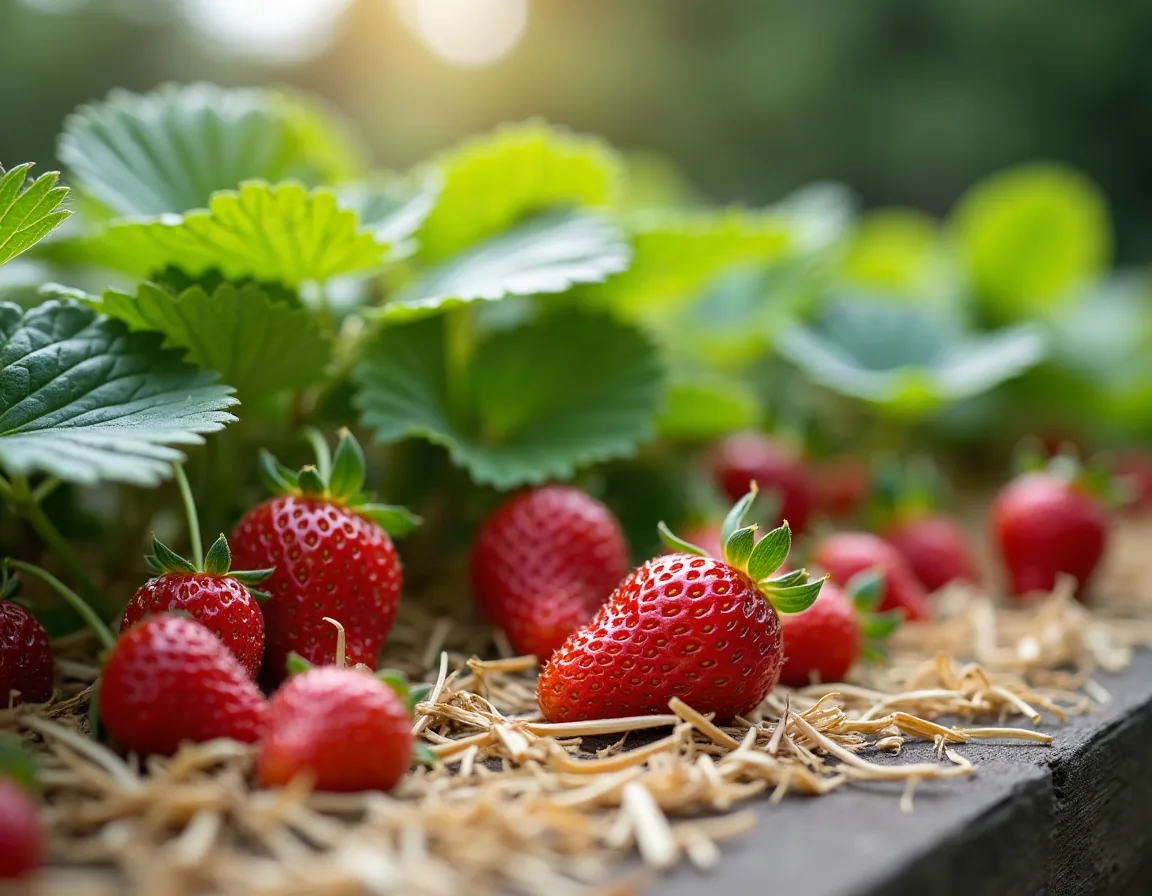
| Strawberries | Soft fruit | Tiny: pots, baskets or 30cm apart | Same year or next summer |
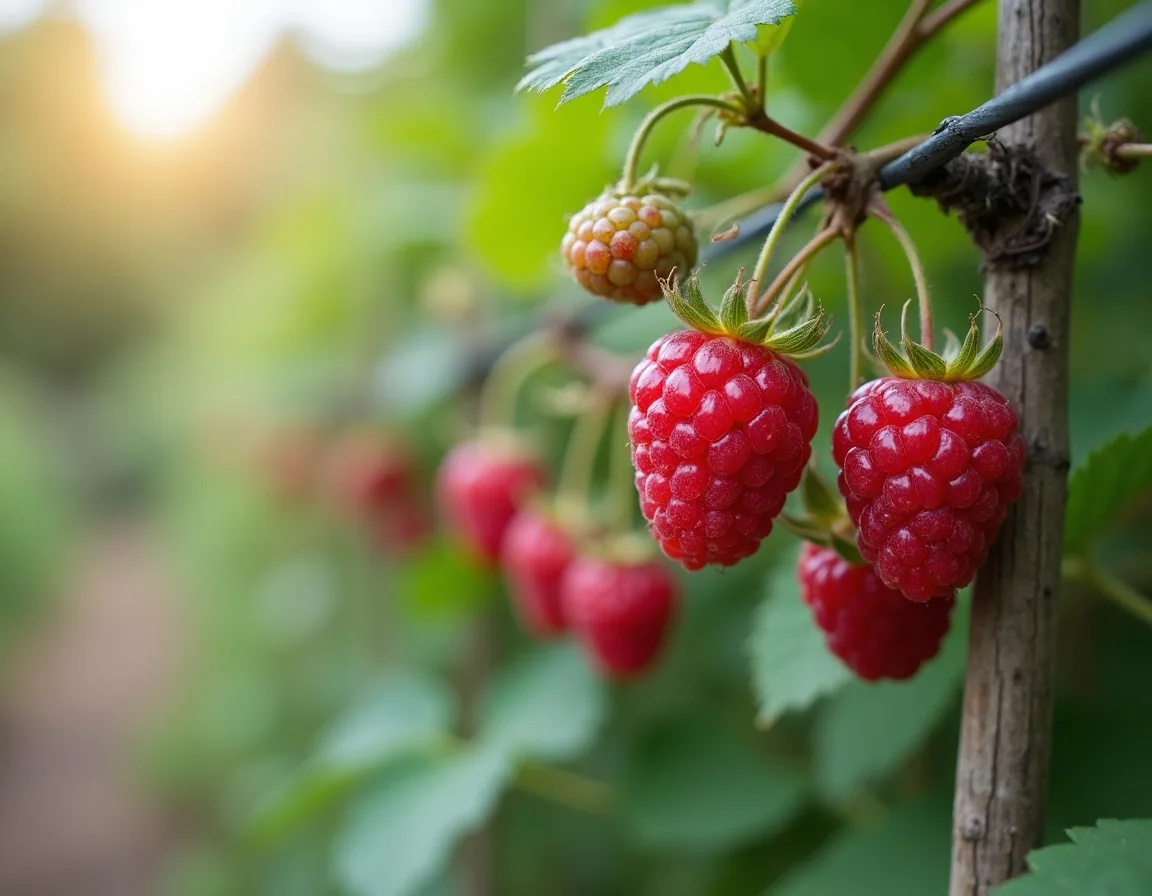
| Raspberries | Soft fruit | A row or large pot, canes 35cm apart | First or second year |
| Blueberries | Soft fruit | A large pot of ericaceous compost | Second to third year |
| Currants and gooseberries | Soft fruit | One bush, about 1m across | Second year |
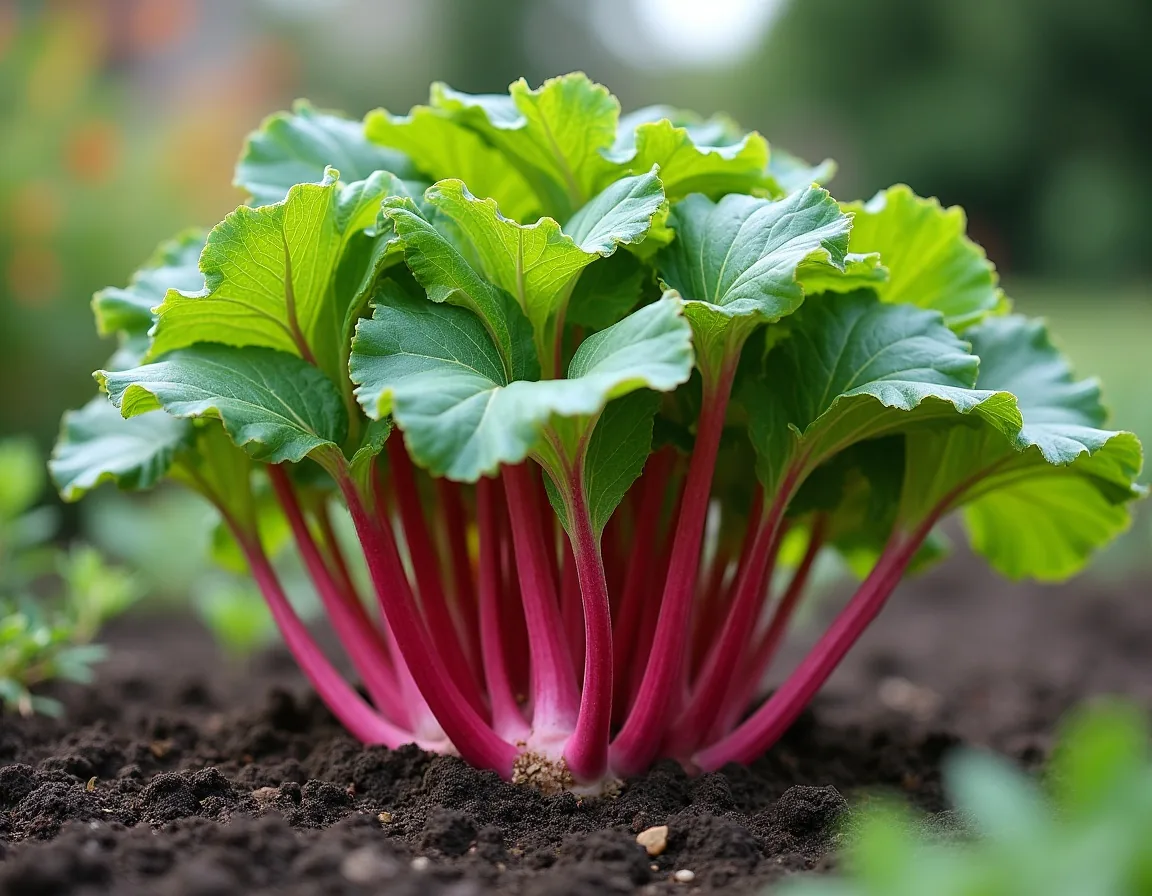
| Rhubarb | Soft fruit | One crown, about 1m across | Second year (leave it year one) |
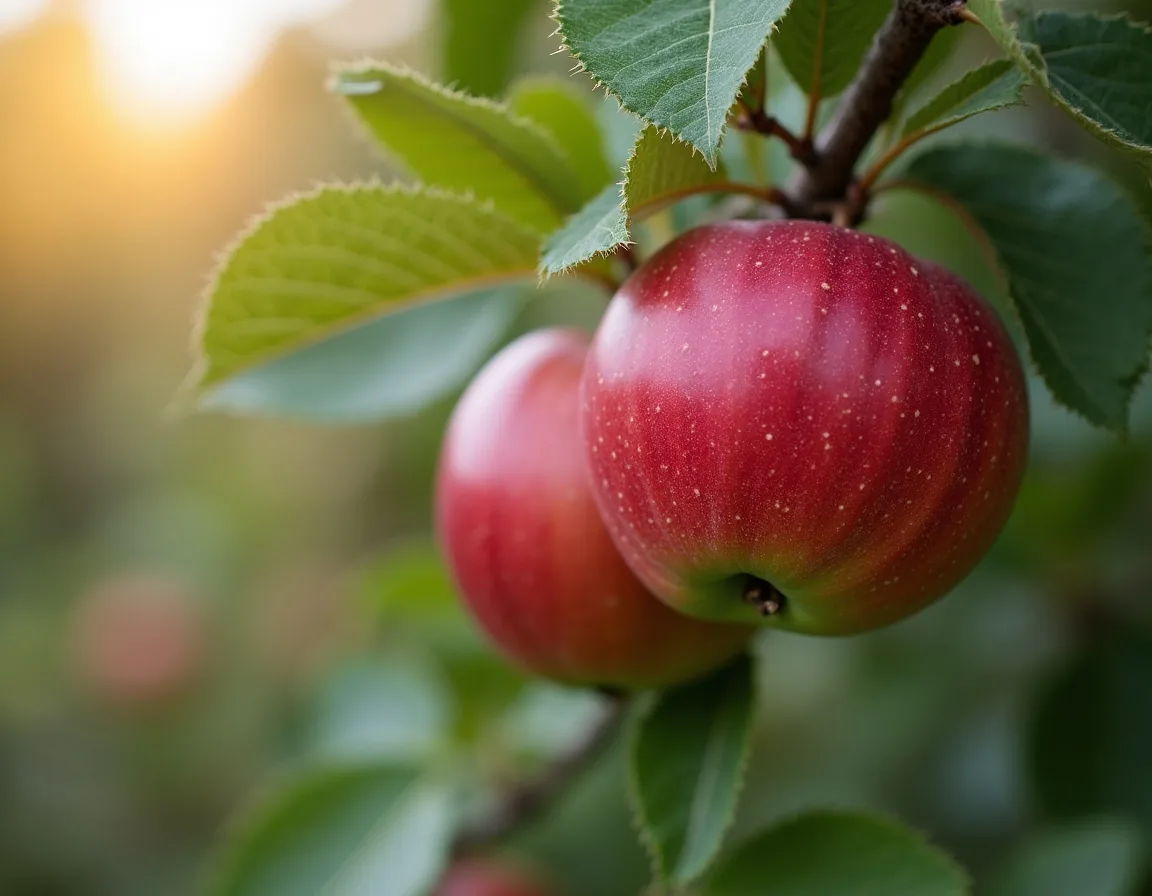
| Apples and pears | Tree fruit | 3 to 4.5m, or a pot on a dwarf rootstock | Around 4 years |
| Plums and cherries | Tree fruit | A tree or fan, dwarf types in pots | Three to four years |
To get going with the easiest crops, see growing strawberries and growing raspberries. Rhubarb is grown alongside soft fruit and used like it, though it is strictly a vegetable. For the trees, start with growing apples.
How much space does fruit really need?
Far less than most people think. Soft fruit is tiny: strawberries go about 30cm apart or straight into pots and baskets, raspberry canes sit 35cm apart in a single row, and one blackcurrant or gooseberry bush covers roughly a metre. A whole soft-fruit patch fits in a bed a couple of metres square.
Tree fruit is where the numbers climb, and the deciding factor is the rootstock: the root system the variety is grafted onto, which sets the eventual size. An apple on a very dwarfing rootstock needs about 3m, while the same variety on a more vigorous one wants 4.5m. That is why the rootstock, not the variety name, is the thing to check before you buy. More on choosing and settling in a tree is in caring for a fruit tree.
Fruit for small gardens and pots
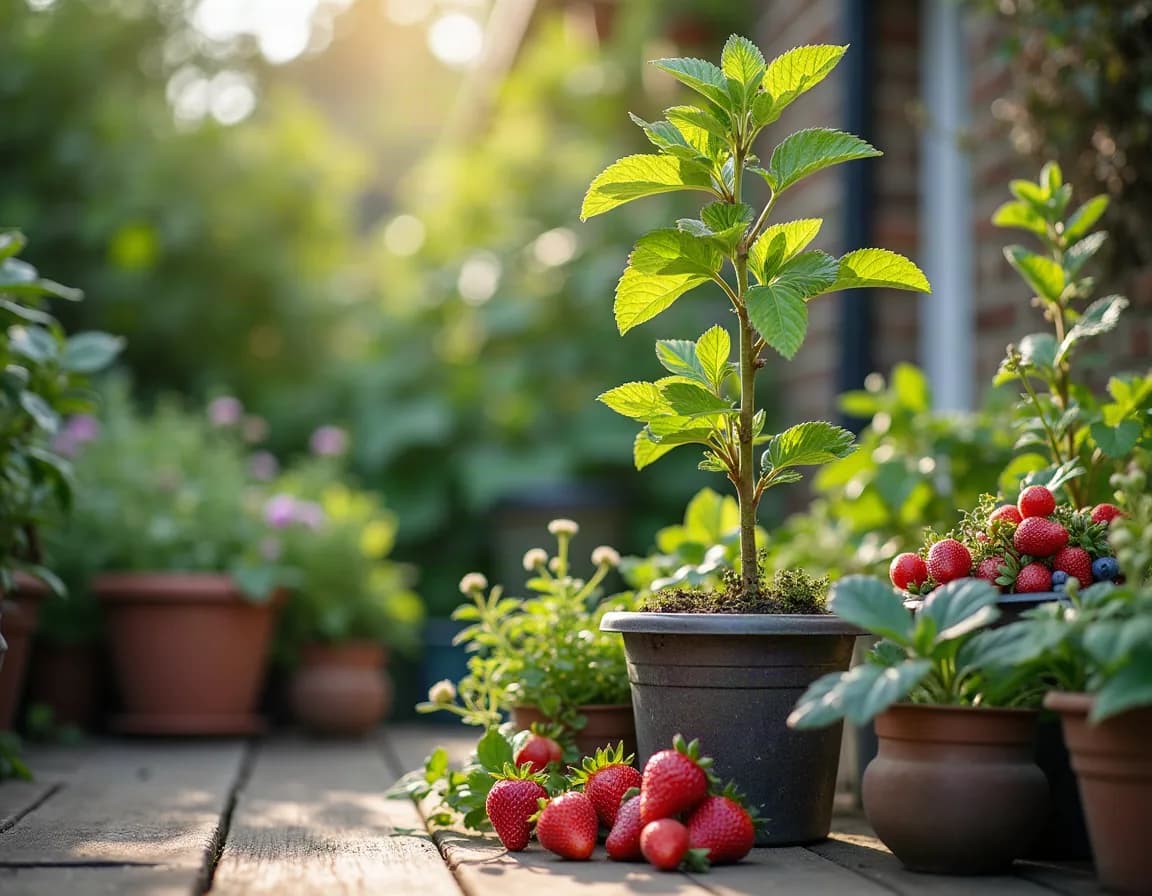
A small garden is no reason to go without. Strawberries thrive in borders, raised beds, strawberry planters and hanging baskets. Blueberries are happiest in a large pot of ericaceous (acidic) compost, which also solves the problem if your soil is limey. Autumn raspberries and gooseberries both crop heavily for the room they take, and all of these cope with a bit of shade.
Tree fruit grows in containers too, which is often the best way to keep a tree small in a tight garden. Apples, pears, plums, cherries and figs all take to pots, and a tree on a dwarf rootstock stays about 1 to 2m tall and 50cm to 1m wide. For most fruit, use a pot 45 to 50cm (18 to 20in) wide, filled with a loam-based compost such as John Innes No 3 (or multipurpose compost with a third added grit), and keep it watered: pots dry out far faster than open ground.
The fruit garden through the year
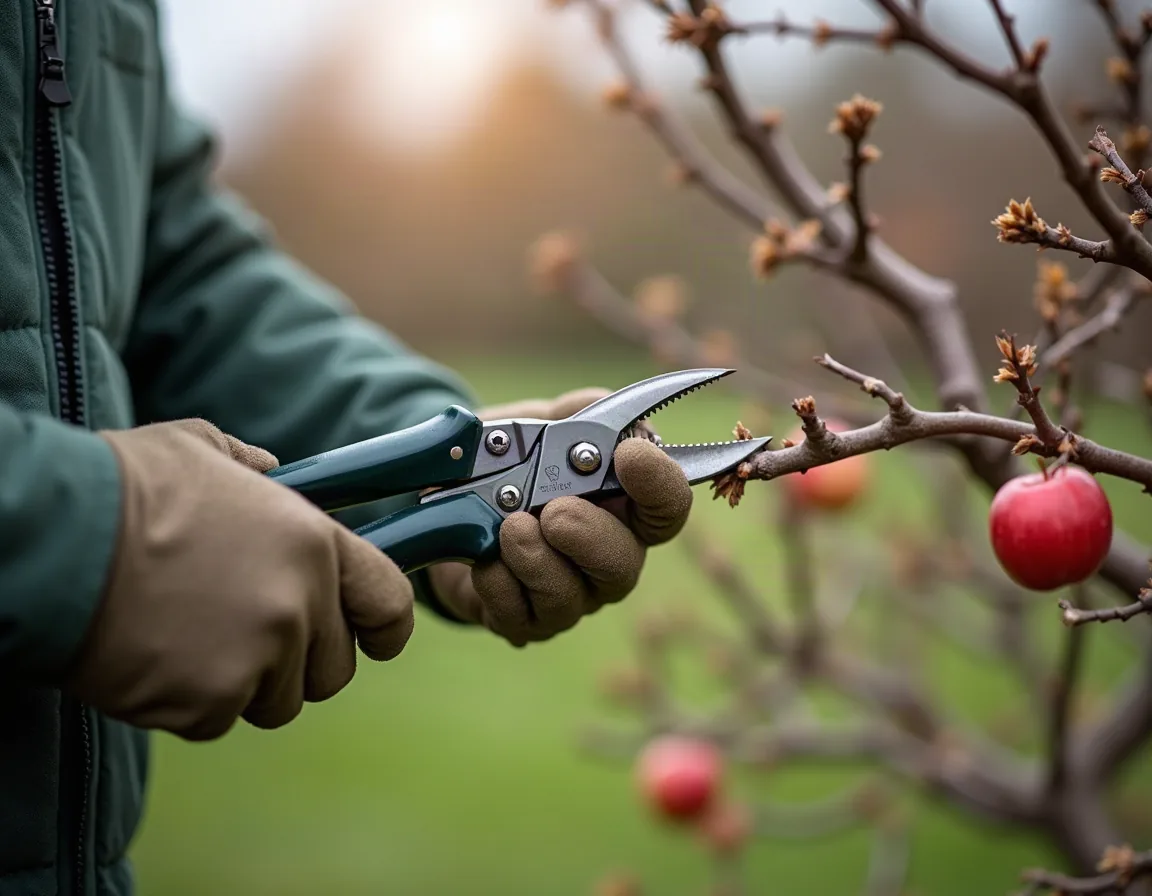
Fruit follows a steady annual rhythm, and once you know the shape of it the jobs fall into place. The one date to circle is winter: bare-root fruit, sold as naked roots with no pot, can only be planted late autumn to early spring, while the plant is dormant. It is cheaper and establishes well, which is why I buy almost all my fruit this way. Potted, container-grown plants can go in any time of year, as the roots are barely disturbed, but they cost more.
| Season | What is happening and what to do |
|---|---|
| Winter | Plant bare-root fruit while it is dormant, and prune apples and pears |
| Spring | Blossom opens: protect it from late frost, and watch for the first pests |
| Early summer | Thin tree fruit after the natural June drop; net soft fruit against birds |
| Summer | Strawberries, currants and gooseberries ripen; water pots and summer-prune trained trees |
| Autumn | Main apple, pear and autumn-raspberry harvest, then plant new bare-root stock once the leaves fall |
Pruning timing is the part people get wrong. Apples and pears are pruned in winter when dormant, but plums and cherries are pruned in summer to dodge silver leaf disease, and the soft fruits each have their own window. Rather than guess, follow the timing in the crop's own guide: see caring for a fruit tree for the trees and growing raspberries for the canes.
Will one plant crop on its own?
Mostly, yes, but it is worth checking before you buy a single tree. Soft fruit is self-fertile: one strawberry plant, raspberry cane or currant bush will set a full crop on its own, helped along by bees. Many tree fruits are different. A lot of apples, pears and most sweet cherries need a second, compatible variety flowering nearby to cross-pollinate and set fruit.
In a town garden this is less of a worry than it sounds, because a neighbour's tree a few gardens away usually does the job. If you only have room for one tree and no near neighbours with fruit, choose a variety sold as self-fertile (several apples, plums and the cherry 'Stella' are). I cover pollination groups in growing apples.
Where to start
If you are new to it, plant soft fruit this season for a quick return, then add one tree for the long haul. A sensible first year looks like this:
- A few strawberry plants in a pot or border for fruit the same summer.
- A short row of autumn raspberries, which crop in their first autumn and take almost no looking after.
- A rhubarb crown tucked in a corner, left unpicked the first year so it can build up.
- One apple tree on a dwarf rootstock, planted bare-root over winter, with the long-term care in caring for a fruit tree.
That is a productive little fruit garden from a bed, a couple of pots and one tree. Each guide above has the exact spacings, varieties and seasonal jobs for its crop.
Frequently asked questions
What is the easiest fruit to grow in the UK?
Soft fruit, and strawberries most of all. They grow in borders, pots or hanging baskets, crop in the first or second summer, and need little space. Autumn raspberries and rhubarb are close behind: both are tough, forgiving and give a good crop for very little work.
What is the difference between soft fruit and tree fruit?
Soft fruit is all the berries plus grapes (strawberries, raspberries, currants, gooseberries, blueberries). It takes little room and crops within a year or two. Tree fruit, or top fruit, grows on trees (apples, pears, plums, cherries). It needs more space and around four years to its first real crop, but then lasts for decades.
Can I grow fruit in a small garden or in pots?
Yes. Strawberries, blueberries, currants and gooseberries all grow happily in containers, and blueberries actually prefer a pot of ericaceous compost. Tree fruit grows in pots too if you choose a dwarf rootstock, which keeps the tree to about 1 to 2m. Use a pot 45 to 50cm wide and keep it well watered.
When should I plant fruit?
Plant bare-root fruit (sold without a pot) between late autumn and early spring, while it is dormant. It is cheaper and establishes well. Container-grown, potted plants can go in at any time of year because their roots are barely disturbed, though they cost more and still prefer autumn or spring.
Do I need two fruit trees to get fruit?
Not always. Soft fruit is self-fertile, so a single plant crops on its own. Many apples, pears and sweet cherries need a second, compatible variety nearby to cross-pollinate, though a neighbour's tree often provides this in a town. If you only have room for one tree, choose a variety sold as self-fertile.
How we checked this2 sourcesView sourcesHide
Our guides draw on expert bodies like the RHS and Garden Organic, plus experienced growers, read at source. We check every guide against those sources on the date shown, and where advice differs between them, we say so. Garden Plans is published by Limely.
- AuthorityFruit, Royal Horticultural Society. Checked 26 Oct 2026.
- AuthorityFruit for small gardens, Gardeners' World. Checked 26 Oct 2026.