The short answer
Spring is the busiest season in the garden, so I sort the jobs by area rather than by week. The big ones: sow tender crops under cover and harden them off before they go out, do not plant tender plants or summer bedding outside until the frosts have passed (usually mid to late May in much of the UK, later in the north), give the lawn its first cuts with the blade set high once the grass is growing, and keep on top of weeds and slugs while everything is soft and new. Let the weather, not the calendar, set the pace.
The spring jobs that matter, by area
There is more to do in spring than at any other time of year, and a long calendar of dates is the quickest way to feel behind. I find it easier to think in areas: what needs doing under cover, in the veg plot, in the borders, on the lawn, and everywhere at once. Work through them as your own weather allows, because a mild March in the south and a cold one in the Highlands are two different gardens.
| Area | Spring job |
|---|---|
| Under cover | Sow tomatoes, peppers, chillies, aubergines, cucumbers, courgettes, squash and celery indoors, then prick out and pot on as they grow |
| Veg plot | Chit early seed potatoes, plant onion and shallot sets, then plant early potatoes in March and maincrop in the second half of April |
| Veg plot | Direct sow hardy crops as the soil warms: broad beans, peas, carrots, beetroot, parsnips, lettuce, radish and salad leaves |
| Lawn | Give the first cuts once the grass is actively growing, usually from April, with the blades set high; rake lightly first to lift flattened grass and scatter worm casts |
| Borders | Divide overgrown clumps of summer-flowering perennials, weed and mulch the beds, and harden off anything raised under cover before it goes out |
| Everywhere | Keep ahead of fast spring weeds by hoeing on a dry day, and watch soft new growth for slugs and snails |
For how the plot fits together before you start sowing, see planning a vegetable garden.
When is it safe to plant tender things out?
This is the question that catches people out every spring. The warm spell in April is tempting, but a single late frost will blacken tomatoes, courgettes, dahlias and summer bedding overnight. The rule I follow is simple: wait until the frosts are genuinely over in your area before anything tender leaves the shelter of the greenhouse or windowsill.
Hardy plants are a different story and can go out earlier, but if you are unsure whether something is hardy, treat it as tender and wait. It costs you a couple of weeks. Getting it wrong costs you the plant. Keep a roll of horticultural fleece to hand through May, especially in the north, so you can throw it over anything caught out by a clear, cold night.
Sowing under cover and hardening off
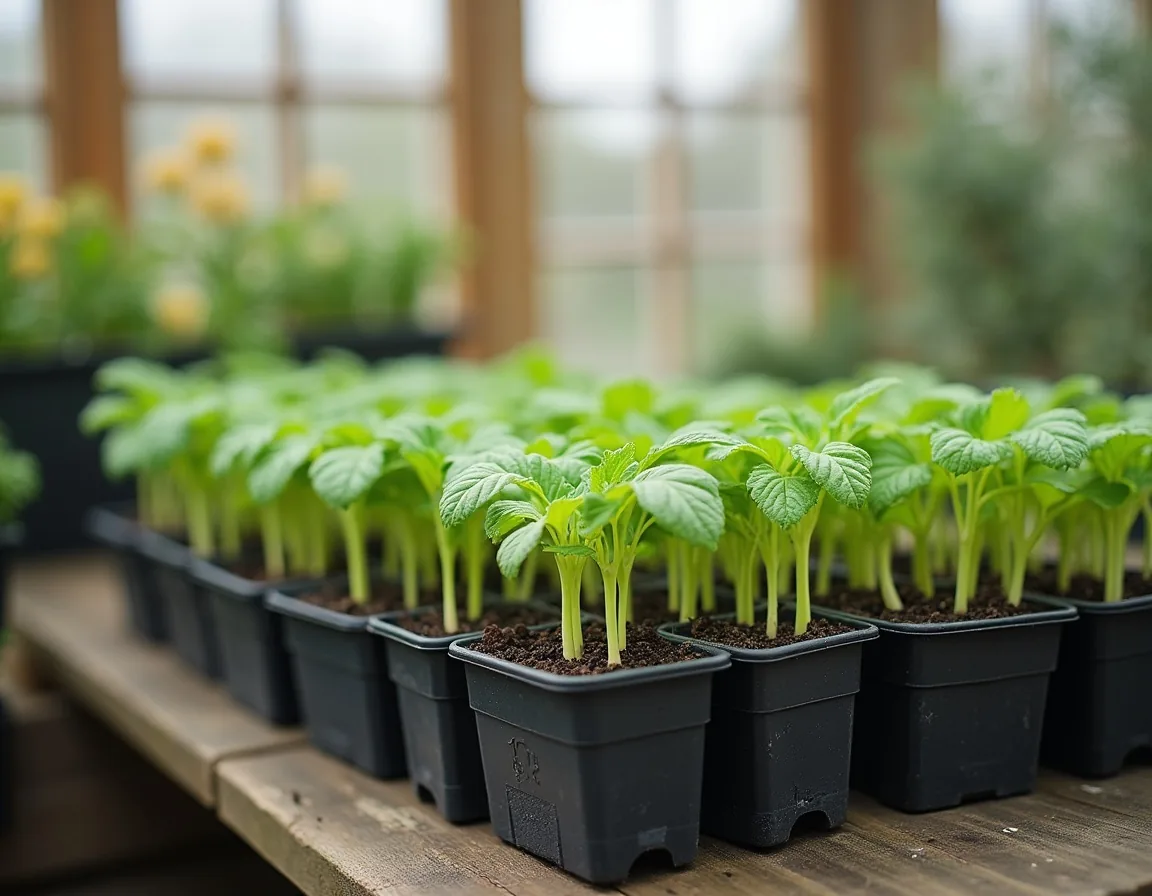
Spring sowing comes in two halves. From March you can sow tender crops like tomatoes, peppers, chillies, aubergines, cucumbers, courgettes and squash under cover, on a warm windowsill, in a heated propagator or in the greenhouse, and start celery and globe artichokes too. As the soil warms, hardy crops can go straight into the ground: broad beans, peas, carrots, beetroot, parsnips, lettuce and salad leaves. Cover early outdoor sowings with cloches, mini-tunnels or old fleece to keep them moving.
Anything raised in the warmth has to be hardened off before it is planted out, or the shock of cold nights and wind will check or scorch it. The RHS advises acclimatising young plants over about 10 to 14 days: stand them outside during the day and bring them back under cover, or fleece them, at night, gradually leaving them out for longer until they are used to life outdoors.
Potatoes, onions and the veg plot
Chitting (standing seed potatoes in a cool, light spot to sprout) gives early varieties a useful head start, though it is not essential. Plant onion and shallot sets as soon as the soil is workable, then get the potatoes in: earlies in March, second earlies in the first half of April, and maincrops in the second half of April. There is a full guide to growing potatoes if you want the detail.
Once the shoots reach about 23cm (9in) you can start to earth them up: draw soil up around the stems and leave only 5 to 10cm (2 to 4in) of shoot showing. This protects the developing tubers from light so they do not turn green, and it buys a little frost protection for tender new growth in the process.
If you are starting a bed from scratch this spring, it is a good moment to try no-dig gardening: mulch the ground with compost and sow or plant straight into it rather than digging.
Borders: dividing, weeding and mulching
Spring is the time to lift and divide summer-flowering perennials that have outgrown their space, are flowering poorly or have lost their shape. The RHS recommends dividing them in spring or autumn while the soil is workable and the plants are not in full growth, so tackle clumps like hostas before or just as they come into leaf. It is free plants and healthier clumps in one job.
This is also the window for mulching. A layer of compost or well-rotted manure over moist soil locks in moisture, feeds the ground and suppresses weeds before they get going. Weed the bed first, then mulch, otherwise you just feed the weeds. Keep hoeing through spring on dry days: fast spring weeds are easiest to deal with when they are seedlings.
The first lawn mow of the year
Start mowing once the grass is actively growing, which is usually from April rather than a fixed date. Before the first cut, rake the lawn lightly to lift flattened grass and scatter worm casts. Then do the first couple of cuts with the blades set high: going in too low after winter scalps the turf and leaves bare patches that weeds and moss move into. Drop the height gradually over later cuts as growth picks up.
Even if the grass has barely grown, a quick high cut tidies the lawn and clears the debris that has blown in over winter, which sets it up for the rest of the season.
Weeds and slugs on soft new growth
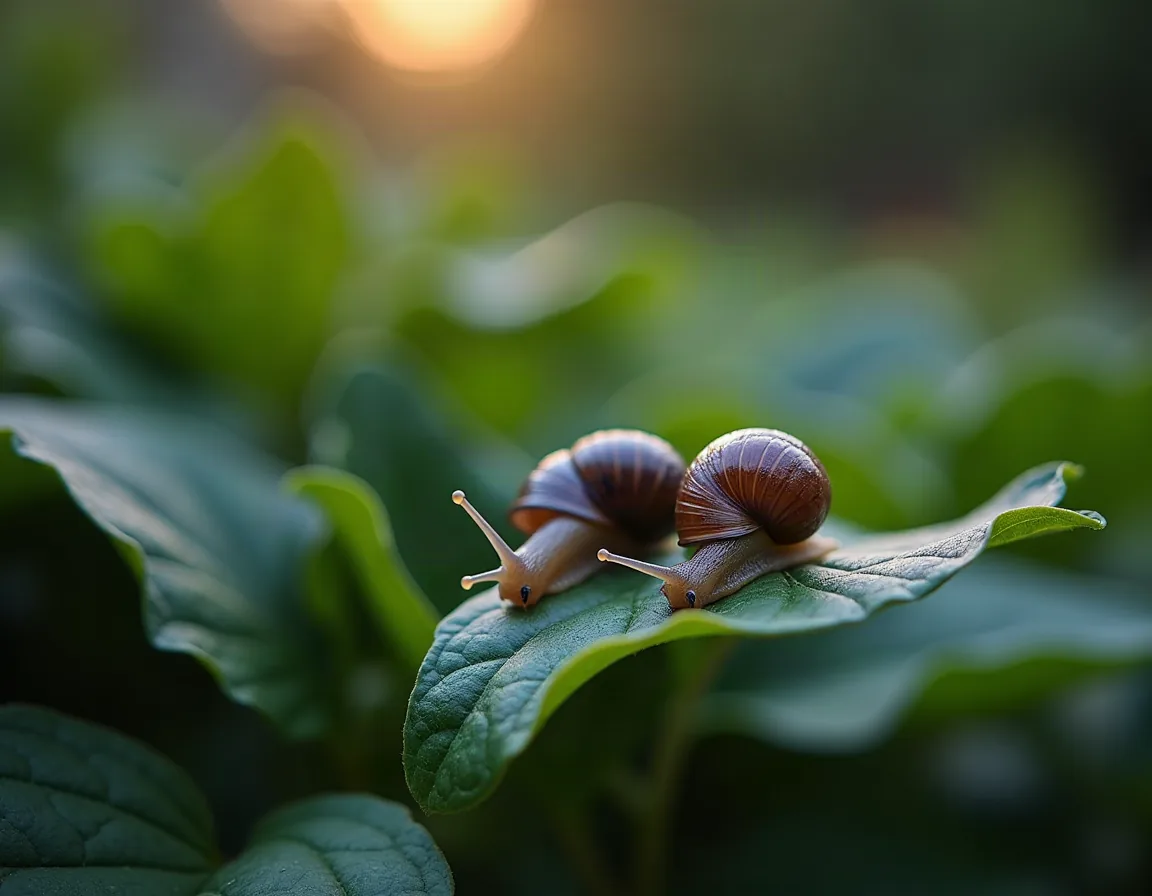
Everything is soft and new in spring, which is exactly what slugs and snails are waiting for. Seedlings and the fresh shoots of hostas and other perennials are the most vulnerable, and a single wet night can clear a row of seedlings. The RHS favours hand removal, traps, biological controls and encouraging natural predators over reaching for pellets. There is a full guide to dealing with slugs and snails.
Weeds grow just as fast. Hoe between plants on a dry day so the seedlings wither on the surface, and pull larger weeds by hand before they set seed. Staying on top of both now, while plants are small, is far less work than fighting them in summer.
Spring is one piece of the year. For the jobs that come before and after it, see the gardening jobs by season hub, and summer gardening jobs for what comes next.
Frequently asked questions
When can I plant tender plants outside in the UK?
Wait until the frosts are over in your area. In much of the UK that means mid to late May, and later in the north and on higher ground. The Met Office notes the average last air frost is often over by the end of April in the south and coast, but runs well into May further north. Harden plants off for about 10 to 14 days first, and keep fleece to hand for a cold night.
What does hardening off mean and how do I do it?
Hardening off is gradually getting plants raised indoors or in a greenhouse used to outdoor conditions. Over about 10 to 14 days, stand them outside by day and bring them back under cover or fleece them at night, leaving them out for longer each time. Skip it and the shock of cold nights and wind will check or scorch them.
When should I give the lawn its first cut of spring?
Once the grass is actively growing, usually from April rather than a set date. Rake lightly first, then do the first couple of cuts with the blades set high so you do not scalp the turf. Drop the mowing height gradually over later cuts as growth speeds up.
When do I plant potatoes and onion sets?
Plant onion and shallot sets as soon as the soil is workable in early spring. For potatoes, plant earlies in March, second earlies in the first half of April and maincrops in the second half of April. Earth up the shoots once they reach about 23cm so the tubers do not green.
How do I protect spring seedlings from slugs?
Seedlings and soft new shoots are most at risk, especially in wet weather. The RHS favours hand removal, traps, biological controls like nematodes, and encouraging natural predators over pellets. Clear hiding places near vulnerable plants and check on damp evenings when slugs are active.
How we checked this2 sourcesView sourcesHide
Our guides draw on expert bodies like the RHS and Garden Organic, plus experienced growers, read at source. We check every guide against those sources on the date shown, and where advice differs between them, we say so. Garden Plans is published by Limely.
- AuthorityGrow your own: spring jobs, Royal Horticultural Society. Checked 26 Oct 2026.
- AuthoritySpring gardening jobs, Gardeners' World. Checked 26 Oct 2026.