The short answer
A packet of seed is the cheapest way to fill a garden with colour, and annuals are the quickest to flower. The one thing to get right is hardy versus half-hardy. Hardy annuals (calendula, cornflower, nigella, poppy, sweet pea) shrug off frost, so you sow them straight into the ground where they are to flower, in spring or autumn. Half-hardy annuals (cosmos, zinnia, marigold, nicotiana) are killed by frost, so you start them under cover in warmth and plant them out only after the last frost, usually from late May.
Hardy or half-hardy? The one thing to get right
Annuals grow, flower, set seed and die in a single season, which is why they are so cheap and so fast: a few pounds of seed can fill a border, a run of pots or a hanging basket. The whole method hangs on one distinction, so sort it before you sow anything.
Hardy annuals tolerate frost. You sow them direct outdoors, where they are to flower, and leave them be. Half-hardy annuals are tender: a single late frost kills them. They have to be started under cover in warmth and only go outside once the frosts are over. Mix the two up and you either waste seed sowing tender plants into cold ground, or kill young plants by putting them out too soon.
| Hardy annuals (HA) | Half-hardy annuals (HHA) | |
|---|---|---|
| Frost | Tolerate it | Killed by it |
| Where to sow | Direct outdoors, where they flower | Under cover in warmth, then planted out |
| When to sow | Spring (late March to May) or autumn | Indoors March to April |
| Outside from | As sown (autumn plants overwinter in place) | After the last frost, usually late May |
| Examples | Calendula, cornflower, nigella, poppy, sweet pea | Cosmos, zinnia, marigold, nicotiana |
If you only do one thing, start with hardy annuals sown direct. There is no propagator, no pricking out and no hardening off, which makes them the easiest flowers in gardening and a good place to begin.
Sowing hardy annuals direct outdoors
Hardy annuals go straight into the soil where they are to flower, so the seedbed matters. Clear the weeds, break down any clumps with the back of a fork, pull out large stones and rake the surface to a fine, crumbly tilth so the seedlings can push through. Do not add fertiliser: hardy annuals flower best on poorer soil, and rich ground just gives you leaf instead of bloom.
- Sow in spring, from late March to May, as the soil warms. A rough guide is to sow when weed seedlings start appearing, which tells you the ground is warm enough.
- Draw out shallow drills (straight rows) with a cane or trowel. Rows are far easier to weed, and they let you tell your seedlings from weeds. Water along the drill first, then sow thinly and cover lightly, or leave on the surface, as the packet says.
- Thin the seedlings to the spacing on the packet once they are big enough to handle, so each plant has room. Poppies, sunflowers and dill hate root disturbance, so always sow those direct and never try to move them.
- Many hardy annuals can also be sown in autumn, around September and October while the soil is still moist. They overwinter as small plants and flower earlier and bigger the next year. In colder areas or a hard winter, cover them with cloches or fleece, or sow in pots and overwinter in a cold frame.
Starting half-hardy annuals under cover
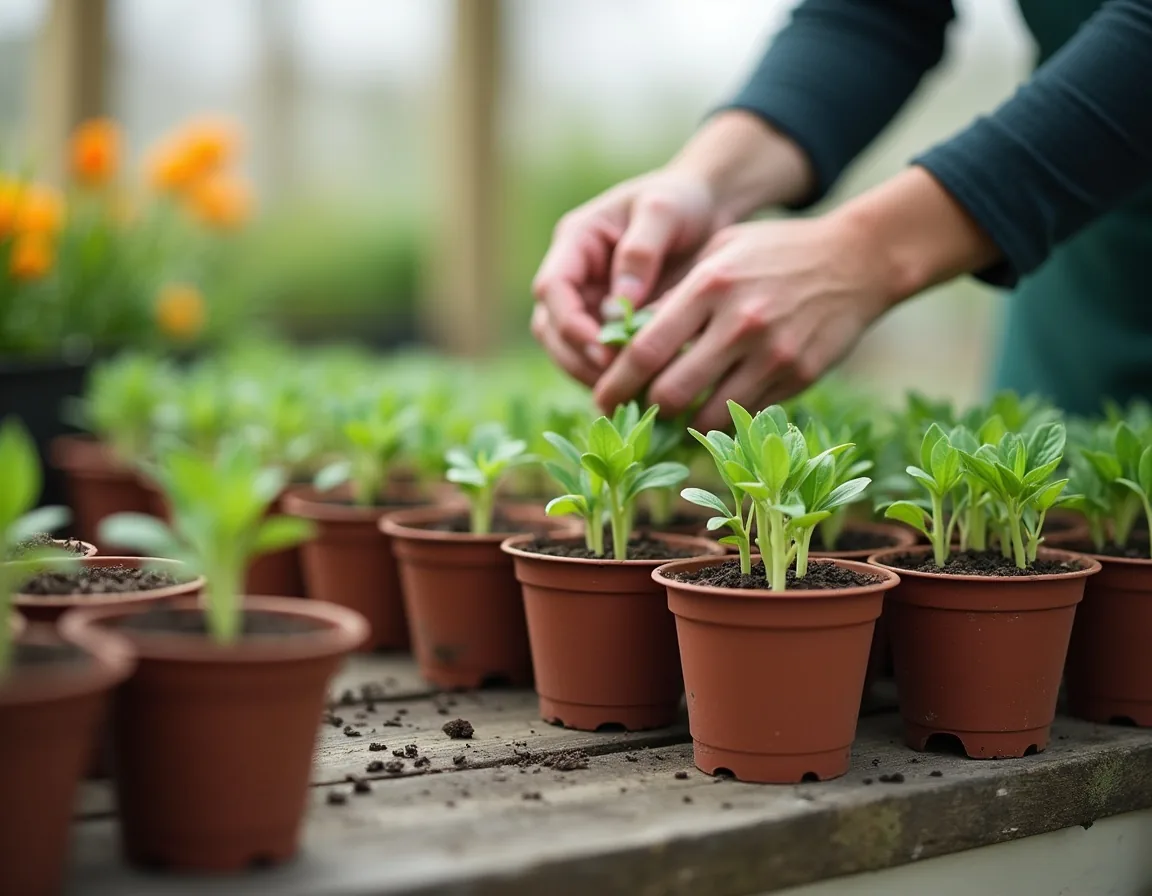
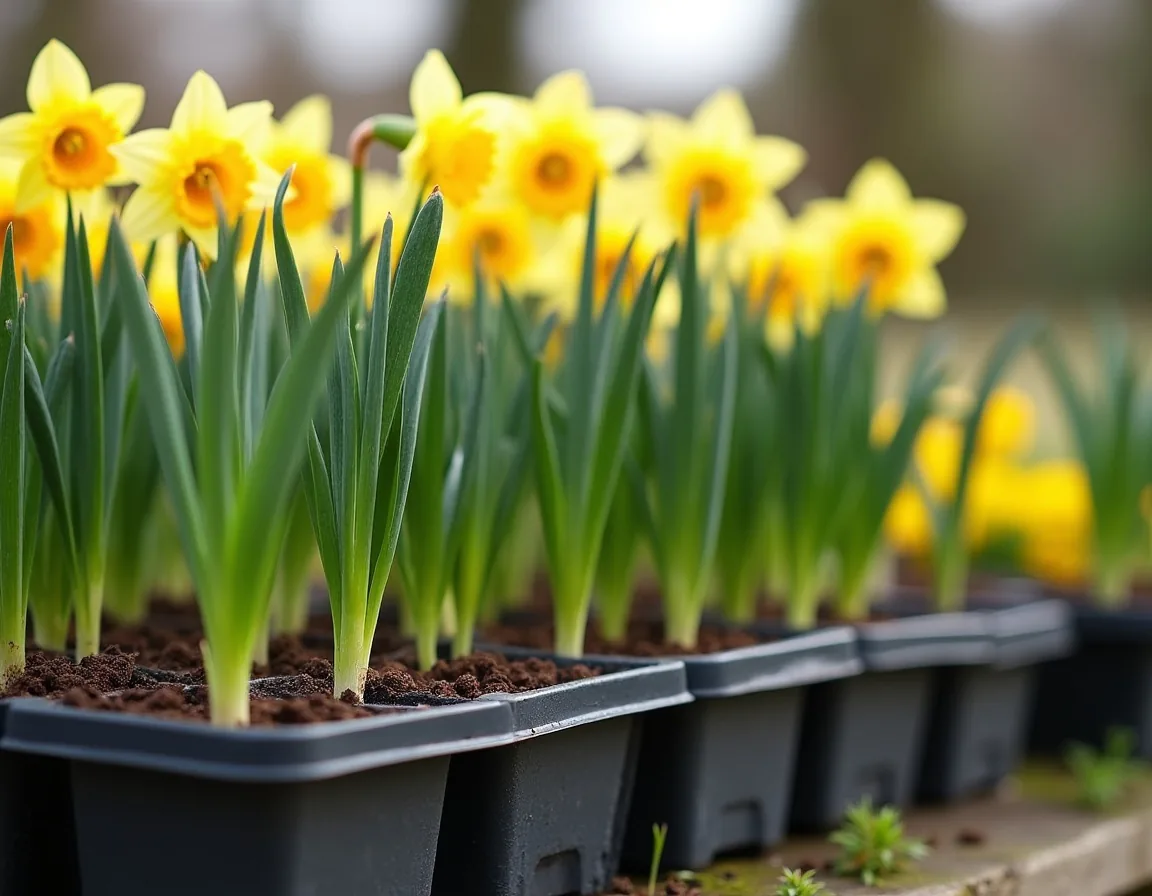
Half-hardy annuals need a head start in warmth, because the growing season is too short to sow them outside and still get a decent show. Sow in a propagator or on a warm, bright windowsill in March or April, in peat-free seed compost, so the plants have time to establish before they go out in early summer.
- Fill a tray or pots with seed compost, firm it lightly, water, then sow the seed across the surface. Cover thinly, or leave uncovered for seed that needs light to germinate, such as nicotiana.
- Prick out once each seedling has two pairs of leaves: lift it gently by a leaf, not the stem, and move it into its own small pot (about a 7cm pot) of fresh compost to grow on.
- Harden off before planting out. Once the frosts are over, stand the plants outside in a cold frame or sheltered spot by day and bring them in at night. After about a week of this they are toughened up and ready to plant out for good.
Many half-hardy annuals sown this way in March or April start flowering as early as June and carry on until the first frosts of autumn.
When can half-hardy plants go outside?
Only after the last frost. This is the mistake that catches people out every spring: a warm week in April tempts the tender plants out, then a cold night finishes them off. Hold your nerve and wait.
Easy flowers for beginners
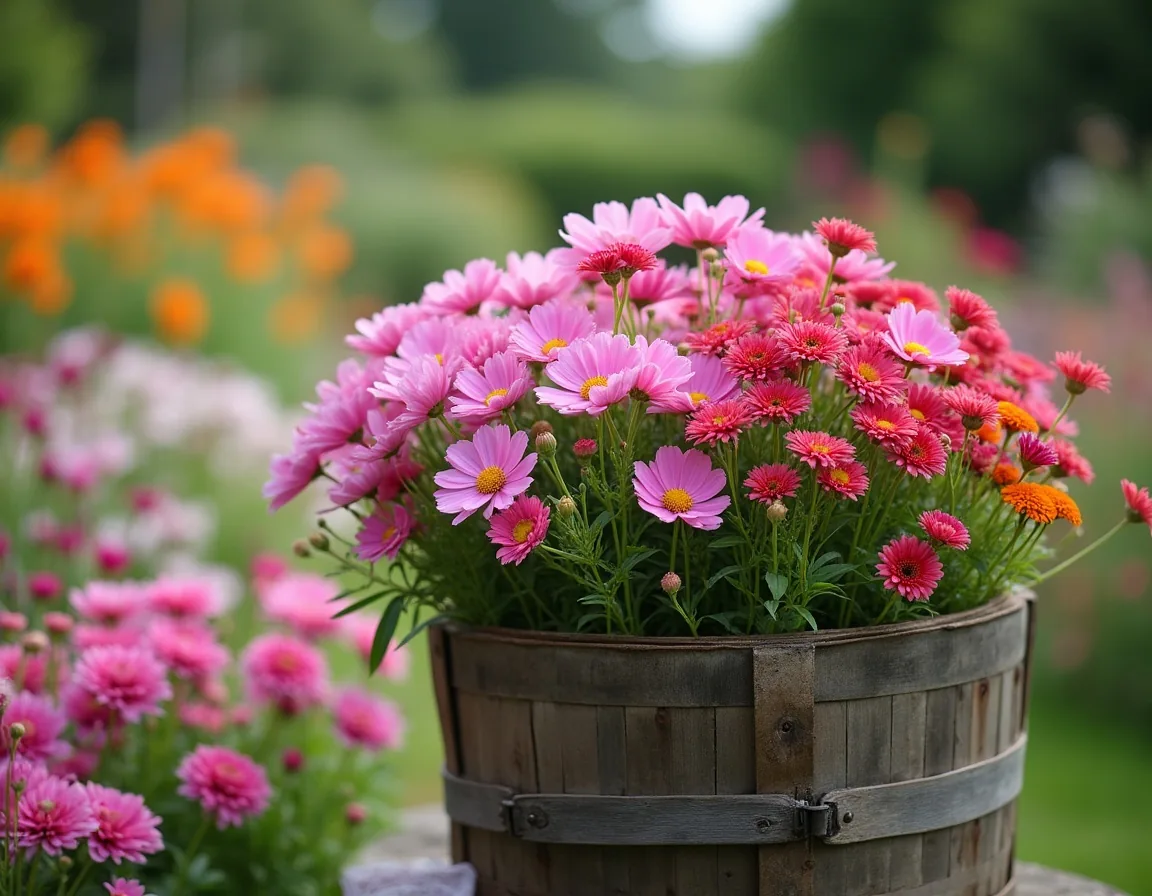
Start with these. The hardy ones you sow straight into the ground; the half-hardy ones you start under cover and plant out after the frosts. Most are single-flowered, so they double as food for pollinators, with open blooms that bees and hoverflies can actually feed from.
| Hardy annual (sow direct) | Notes |
|---|---|
| Calendula (pot marigold) | Bright and foolproof; self-sows happily. Spring or autumn. |
| Cornflower (Centaurea cyanus) | Blue classic for cutting; autumn sowing gives bigger plants. |
| Love-in-a-mist (Nigella damascena) | Lacy flowers then papery seed pods; even better autumn-sown. |
| Poppy (Papaver) | Resents root disturbance, so always sow direct, never transplant. |
| Sweet pea (Lathyrus odoratus) | Scented climber; hardy but best sown in pots with a little protection. |
| Half-hardy annual (start under cover) | Notes |
|---|---|
| Cosmos | Tall, airy and long-flowering; one of the easiest half-hardy annuals. |
| Zinnia | Hot-coloured and loved by butterflies; needs real warmth to get going. |
| French marigold (Tagetes) | Compact and non-stop; tough enough to sow direct outside in late May. |
| Nicotiana (tobacco plant) | Evening scent; sow on the surface as the seed needs light. |
Sow a short batch every few weeks and you keep the colour coming rather than getting one glut. If you want blooms specifically for the vase, see growing cut flowers, and for where seed-sowing fits in the gardening year, see spring gardening jobs.
Sowing annuals at a glance
| Sowing annuals | |
|---|---|
| Hardy annuals (HA) | Frost-tolerant. Sow direct outdoors where they are to flower |
| Sow HA | Spring, late March to May, or autumn (September to October) for earlier, stronger plants |
| Half-hardy annuals (HHA) | Frost-tender. Sow under cover in warmth, then plant out after the last frost |
| Sow HHA | Indoors March to April, plant out from late May once frost has passed |
| Seedbed | Weed-free and raked to a fine, crumbly tilth |
| Feeding | None for hardy annuals: they flower best on poorer soil |
Frequently asked questions
What is the difference between hardy and half-hardy annuals?
Hardy annuals tolerate frost, so you can sow them direct outdoors where they are to flower, in spring or autumn. Half-hardy annuals are killed by frost, so they must be started under cover in warmth in spring and planted out only after the last frost, usually from late May. Getting this right is the whole job.
What are the easiest flowers to grow from seed?
Hardy annuals sown straight into the ground are the easiest, as there is no propagator, pricking out or hardening off. Calendula, cornflower, nigella (love-in-a-mist), poppy and sweet pea are reliable starters. Among half-hardy types, cosmos and French marigold are the most forgiving.
When can I plant out cosmos, zinnias and marigolds?
Only after the last frost, usually from late May, once all risk of frost has passed. These are half-hardy annuals and a single late frost will kill them. Harden the plants off outside for about a week first, and keep fleece handy in case a late frost is forecast after planting.
Do I need to feed flowers grown from seed?
Not usually, and hardy annuals actually flower better on poorer soil. Rich or freshly fed ground gives you lush leaf at the expense of flowers. Rake the bed to a fine tilth before sowing and leave the fertiliser off.
Can I sow annual flowers in autumn?
Yes, many hardy annuals can be sown direct in September and October while the soil is still moist. They overwinter as small plants and flower earlier and bigger the following year than spring-sown ones. In colder areas protect them with cloches or fleece, or sow in pots and overwinter in a cold frame. Half-hardy annuals cannot be autumn-sown outdoors.
How we checked this2 sourcesView sourcesHide
Our guides draw on expert bodies like the RHS and Garden Organic, plus experienced growers, read at source. We check every guide against those sources on the date shown, and where advice differs between them, we say so. Garden Plans is published by Limely.
- AuthorityHow to grow annuals and biennials, Royal Horticultural Society. Checked 26 Oct 2026.
- AuthorityHow to sow hardy annuals, Gardeners' World. Checked 26 Oct 2026.