The short answer
You do not need sprays to keep a garden healthy. Work through a simple order: prevent trouble with good soil and the right plant in the right place, exclude pests with mesh and netting, encourage the predators that eat them, use a targeted biological control where you need one, then pick off or wash off what is left and tolerate a little damage. A few pests feed the ladybirds, hoverflies and birds you are relying on, so wiping everything out is self defeating. The RHS avoids pesticides wherever it can, and with most amateur chemicals now off the shelves in the UK, this is the practical way to garden.
The approach, in order
Organic pest control is not one product that replaces a spray. It is an order of work. The RHS puts it plainly: good cultivation, the right varieties, garden hygiene and encouraging natural enemies should be the first line of control, and a chemical, if you ever use one, is the last. Garden Organic starts in the same place, with a healthy soil that grows strong, resistant plants.
So we work down this list. Each step does more of the job than the one below it, and most gardens never need to get past the middle.
| Step | What you do | Example |
|---|---|---|
| 1. Prevent | Build a healthy soil and grow the right plant in the right place so plants are strong enough to shrug off pressure; pick resistant varieties, keep the plot tidy and rotate crops | Easing off nitrogen-rich feed, which pushes soft growth that aphids love |
| 2. Exclude | Put a physical barrier between the pest and the plant before it arrives, and renew it after rain | Insect mesh or fleece over a crop, netting against birds, collars and grease bands on fruit trees |
| 3. Encourage predators | Make the garden somewhere natural enemies want to live and breed, so they keep pests down for you | Flowers for hoverflies and lacewings, a pond for frogs, log piles and gaps for hedgehogs and ground beetles |
| 4. Use a biological control | Introduce a bought natural enemy to target a specific pest; it leaves no residue and pests do not build resistance to it | Nematodes watered into the soil outdoors; parasitic wasps and predatory mites under glass |
| 5. Intervene by hand | Deal with what is left the simplest way, little and often | Squashing aphid colonies with finger and thumb, blasting them off with a jet of water, picking off the worst shoots |
| 6. Tolerate the rest | Accept some damage; a few pests feed the predators and most plants grow through it | Leaving a light run of aphids in spring for the ladybirds and birds to clear |
The point of the order is that the early steps are free, permanent and harm nothing, while the late steps cost money, need repeating and risk the very wildlife doing the work for you. Spend your effort at the top.
Prevent: healthy soil, right plant, right place
Most pest problems are a symptom. A stressed plant in the wrong spot is a soft target; a strong plant in good soil usually copes. Garden Organic is direct about it: a healthy soil produces strong, resistant plant growth, so feeding the soil is the first thing you do for pest control, not the last.
- Build the soil. Add home-made compost and mulch so plants root deeply and grow steadily rather than in soft, sappy flushes.
- Right plant, right place. Match plants to your sun and shade and your soil type. A plant that suits its spot is not fighting for its life and shrugs off pressure.
- Choose resistant varieties. Where a crop has a known enemy, a variety bred to resist it saves you most of the work.
- Ease off the nitrogen. Too much nitrogen-rich feed pushes soft, leafy growth that, as Garden Organic notes, is exactly what aphids want. Feed for health, not for size.
- Rotate and tidy. Move crops around with a crop rotation so pests do not build up in one spot, and clear away the debris that shelters them.
Exclude: barriers that keep pests off
If a pest cannot reach a plant, it cannot damage it. A physical barrier is the most reliable control there is, because it does not depend on timing, weather or wildlife turning up. The trick is to get it on before the pest arrives, not after.
- Insect mesh and fleece. A fine mesh or fleece laid over a crop keeps flying and crawling pests out. Garden Organic rates fleece as excellent protection; an ultra-fine mesh stops even tiny flies.
- Netting. Netting keeps birds and larger pests off fruit and brassicas. Keep it taut and check nothing can get trapped inside.
- Collars and grease bands. A cardboard collar round a stem base blocks some soil pests, and a grease band round a fruit tree trunk stops crawling insects climbing up.
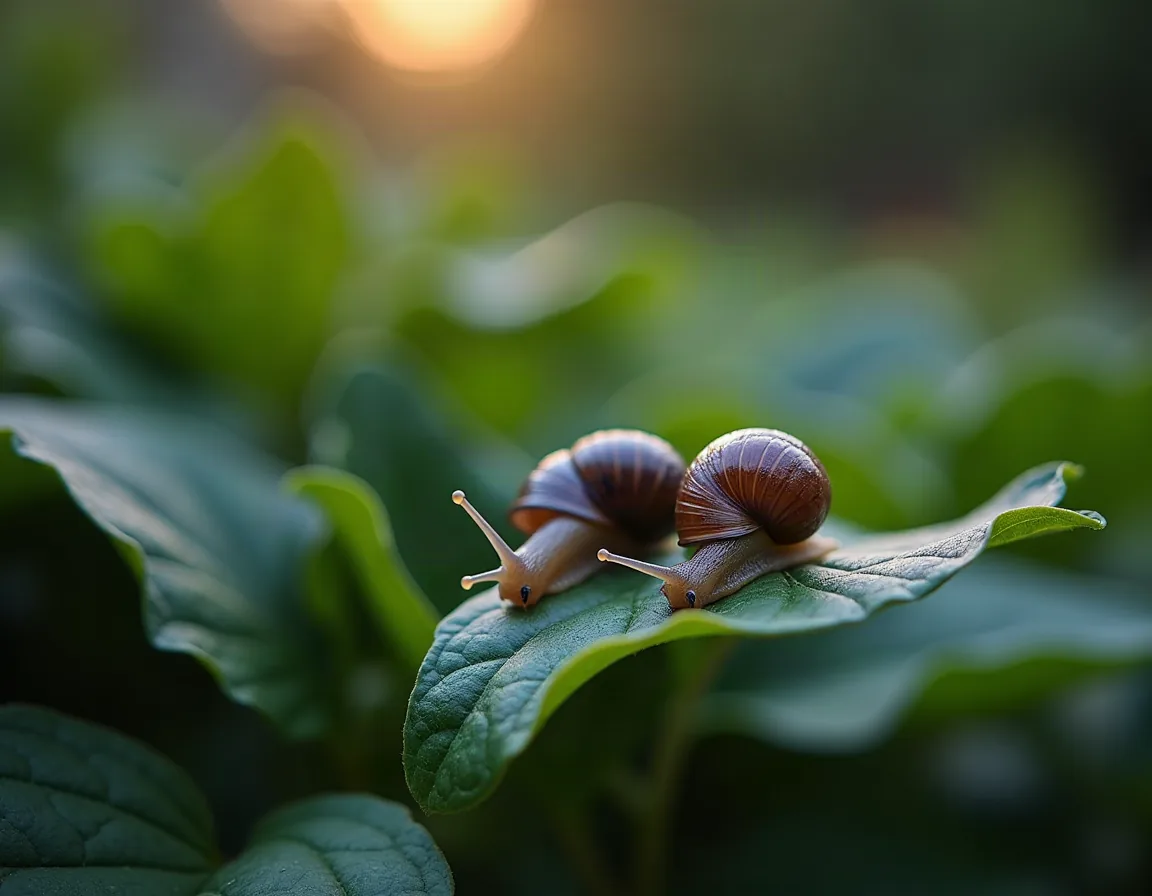
Barriers are the mainstay of controlling specific pests. For the two that cause gardeners the most grief, see our full guides to slugs and snails and vine weevil.
Encourage predators: let the garden do the work
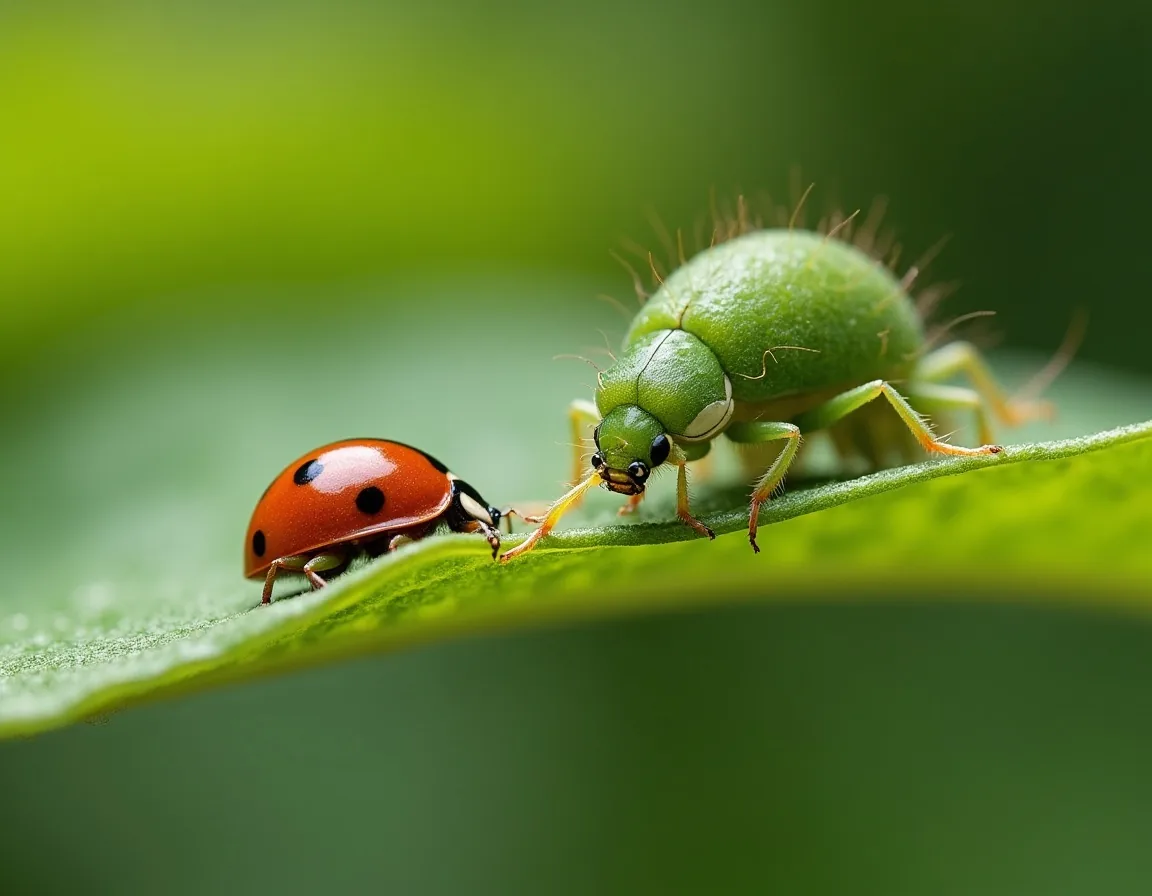
Every pest has something that eats it, and a garden full of those natural enemies polices itself. This is the step that pays back for years: build a place predators want to live and breed, and they keep pest numbers down without you lifting a finger. The RHS lists the aphid eaters alone as ladybirds, ground beetles, hoverflies, parasitoid wasps and earwigs, before you even count birds and lacewings.
| Predator | What it eats |
|---|---|
| Ladybirds (adults and larvae) | Aphids, in large numbers |
| Lacewing larvae | Aphids and other soft-bodied insects |
| Hoverfly larvae | Aphids |
| Ground beetles | Slugs, snails, their eggs and soil pests |
| Parasitic (parasitoid) wasps | Aphids and whitefly, laying eggs inside them |
| Birds (blue tits, song thrushes) | Aphid eggs, caterpillars, snails |
| Frogs, toads and hedgehogs | Slugs, snails and grubs |
| Slowworms | Slugs and other soft-bodied prey |
You attract them the same way you attract any wildlife:
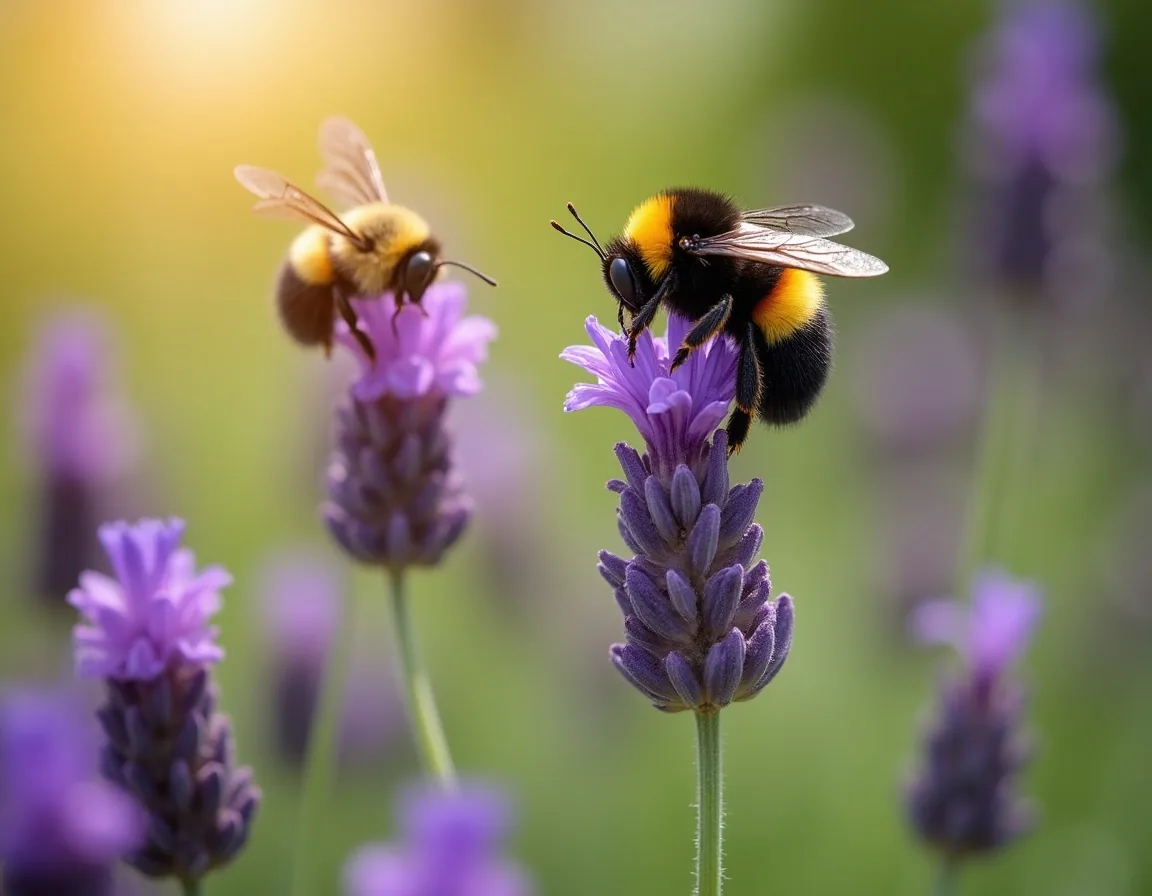
- Grow the flowers they feed on. Hoverflies, lacewings and ladybirds are drawn in by nectar and pollen, and Garden Organic singles out fennel, coriander and cow parsley for parasitic wasps. Our guide to planting for pollinators covers the same plants that bring in these beneficial insects.
- Add a pond. Even a small one brings in frogs and toads, which work through slugs and other pests after dark.
- Leave shelter. Log piles, leaf litter and a gap under the fence give ground beetles and hedgehogs somewhere to live and hunt.
- Feed the birds. Blue tits clear overwintering aphid eggs and song thrushes take snails; a garden that holds birds all year holds their appetite too.
Biological controls: a targeted boost
When a pest gets ahead of its natural enemies, you can buy and release more of them. The RHS defines biological control as the use of natural enemies to manage unwanted organisms, usually by introducing predators or pathogenic nematodes. The big advantage: they cause no damage to plants and leave no residues, they are not toxic to people, and pests do not build resistance to them the way they do to chemicals.
- Nematodes, outdoors. These microscopic worms are watered into the soil and move slowly, so they stay where you put them. They are the main biocontrol for soil pests. Slug and vine-weevil nematodes are covered in those specific guides.
- Parasitic wasps and predatory mites, under glass. In a greenhouse or polytunnel, Encarsia formosa controls whitefly, Phytoseiulus persimilis controls red spider mite, and Aphidius controls aphids. The RHS notes these tend to wander off if released outdoors, so they are for enclosed spaces.
Timing and temperature matter. Most biological controls work best between 10 to 30C (50 to 86F), and nematodes keep working in soil down to 5C (41F). Greenhouse predators want at least 21C (70F) in the day, with good light, which in practice means late March or April to September; they often die out over winter and need reintroducing each year.
Intervene by hand, and tolerate the rest
For what is left, the simplest methods are often the best, and they spare the predators a spray would kill. Little and often beats one big effort.
- Squash and pick. The RHS suggests finger and thumb on aphid colonies; Garden Organic suggests picking off heavily infested shoots and dropping them in soapy water. Inspect regularly so you catch problems small.
- Wash them off. A strong jet of water knocks aphids clean off a plant, and many do not climb back.
- Trap. Placed earwig nests, trap boards for slugs and similar simple traps let you remove pests by hand each day.
Then stop. It is normal and healthy to have some pests, and the RHS is clear that they are a vital food source for wildlife. Tolerating a light run of aphids in spring is often the smartest move, because their predators are only just waking up and will clear them for you within a week or two if you leave them to it.
What to avoid
The thing that quietly makes pest problems worse is reaching for a spray. The RHS recommends you do not use pesticides at all, and the reasoning is simple: a broad-spectrum product kills the ladybirds, hoverflies, ground beetles and parasitic wasps along with the pest, so the next outbreak arrives with nothing left to control it. Slug pellets are the same story. Garden Organic warns that non-organic pellets harm the hedgehogs, thrushes and frogs that eat the slugs, taking out your allies as well as your enemy.
In any case, the UK has withdrawn most amateur chemical pesticides from sale, so very few synthetic products are even available to home gardeners now. That is not a loss. It makes the integrated, wildlife-friendly approach on this page the practical default rather than a worthy alternative.
A worked example: aphids
Aphids are the pest every gardener meets, and they show the whole toolkit in one go. They cluster on soft new shoots, especially where a plant has had too much nitrogen, so the first fix is in how you grow: feed for health, not for a flush of sappy growth.
Then let the garden respond. In spring, aphid numbers climb before their enemies are active in enough numbers, so if you wait a while the ladybirds, hoverfly larvae, lacewings, parasitic wasps and blue tits usually give you the control. A bed full of nectar flowers brings those predators in sooner.
Where a plant is being overwhelmed and you want to act now, the gentle options work: squash the colonies with finger and thumb, or blast them off with a jet of water. Under glass you can release Aphidius wasps. What you do not do is spray, because that removes the ladybirds and leaves the aphids, which breed back fastest of all. Tolerate a few, feed the predators, and the balance holds.
For the wider run of leaf spots, wilts, nibbled edges and the like, see our guide to common plant problems.
| The principle | |
|---|---|
| First line of control | Good cultivation, resistant varieties, garden hygiene and encouraging natural enemies, not a spray |
| Aim | Keep pests to a level you can live with, not wipe them out; some are food for the predators you want |
| Barriers | Insect mesh, fleece, netting, collars and grease bands; renew after rain |
| Biological controls | Leave no residue, are not toxic to people, and pests do not build resistance to them |
| Speed | No instant knock-down; a biocontrol can take a week or more to show, so start early |
| What to avoid | Broad-spectrum sprays and slug pellets that also kill ladybirds, ground beetles, hedgehogs and thrushes |
Frequently asked questions
What is organic pest control?
It is managing pests without synthetic chemicals, by working in order: prevent problems with healthy soil and the right plant in the right place, exclude pests with barriers like mesh and netting, encourage the predators that eat them, use a targeted biological control where needed, and pick or wash off the rest. The aim is to keep pests to a level you can live with, not to wipe them out, because a few pests feed the wildlife doing the work.
How do I get rid of pests without chemicals?
Start by making plants strong and keeping pests off with barriers. Bring in natural enemies by growing nectar flowers, adding a pond and leaving shelter for frogs, hedgehogs and ground beetles. For a specific outbreak, use a biological control such as nematodes outdoors or parasitic wasps under glass, and deal with what is left by hand: squashing aphids with finger and thumb or blasting them off with water. Avoid broad-spectrum sprays, which kill the predators too.
Which insects are good for the garden?
Ladybirds, lacewing larvae and hoverfly larvae eat large numbers of aphids. Ground beetles take slugs, snails and their eggs. Parasitic wasps attack aphids and whitefly. Birds such as blue tits and song thrushes eat aphid eggs, caterpillars and snails, and frogs, toads, hedgehogs and slowworms work through slugs and grubs. Encourage them with flowers, a pond and shelter, and they keep pests down for you.
Do biological controls actually work?
Yes, used correctly. They leave no residue, are not toxic to people, and pests do not build resistance to them. Nematodes work outdoors because they stay in the soil; parasitic wasps and predatory mites are best under glass as they wander off outside. The key is timing: apply as soon as pest numbers start rising, not after a heavy infestation, because they take a week or more to show rather than knocking a pest down instantly.
Should I just tolerate some pests?
Usually, yes. It is normal and healthy to have some pests in a balanced garden, and they are a vital food source for the predators you rely on. Aphids in particular build up in spring before their natural enemies catch up, so if you wait a week or two the control often happens by itself. Protect the vulnerable plants, and let the rest take a little damage.
How we checked this2 sourcesView sourcesHide
Our guides draw on expert bodies like the RHS and Garden Organic, plus experienced growers, read at source. We check every guide against those sources on the date shown, and where advice differs between them, we say so. Garden Plans is published by Limely.
- AuthorityBiological control in the garden, Royal Horticultural Society. Checked 26 Oct 2026.
- AuthorityOrganic pest control for fruit and vegetables, Garden Organic. Checked 26 Oct 2026.