The short answer
Before you do anything, work out what kind of problem it is. Holes, chewed edges or slime trails point to a pest; spots, rust, mould or white powder point to a disease; whole-plant yellowing, wilting or scorch with nothing living on it is almost always a growing problem, usually watering, feeding or the weather. The single most useful check is this: a wilting plant can be too wet, not too dry, so feel the soil and look at the roots before you reach for the watering can. Match the symptom in the table below, then follow it to the fix.
Start here: match the symptom
Most sick plants get the wrong treatment because the gardener guesses the cause. A drooping plant gets watered when it is already drowning; a hungry plant gets more water instead of a feed. So begin with what you can actually see. Find the closest match below, note whether it is a living cause or a growing problem, then go to the section or guide it sends you to.
| What you see | Likely cause | What to do / where to go |
|---|---|---|
| Lower (older) leaves yellow and drop, soft brown patches, mushy roots, sour smell | Over-watering or waterlogging (roots starved of oxygen) | Check the roots, improve drainage, ease off watering. See over-watering below. |
| Younger leaves yellow, leaf edges brown and crisp, wilting, light dry pot | Under-watering or drought stress | Soak the rootball, then water steadily. See under-watering below. |
| Wilting but the soil is already wet | Over-watering (a waterlogged plant is water-stressed too) | Do not add water. Lift and check roots first. See over-watering below. |
| Yellowing between the veins while the veins stay green | Iron, magnesium or manganese deficiency (chlorosis) | Feed and check soil pH. See nutrient deficiency below. |
| Brown, scorched patches on the sunny side, upper leaves only | Sun or heat scorch | Give shade or move the plant. See scorch and weather below. |
| Blackened, limp shoot tips after a cold night, top of the plant worst | Frost or cold damage | Wait, then trim dead growth; protect with fleece. See frost below. |
| Wilting, yellowing or stalling soon after planting or moving | Transplant shock | Water deeply, shade, leave it be. See transplant shock below. |
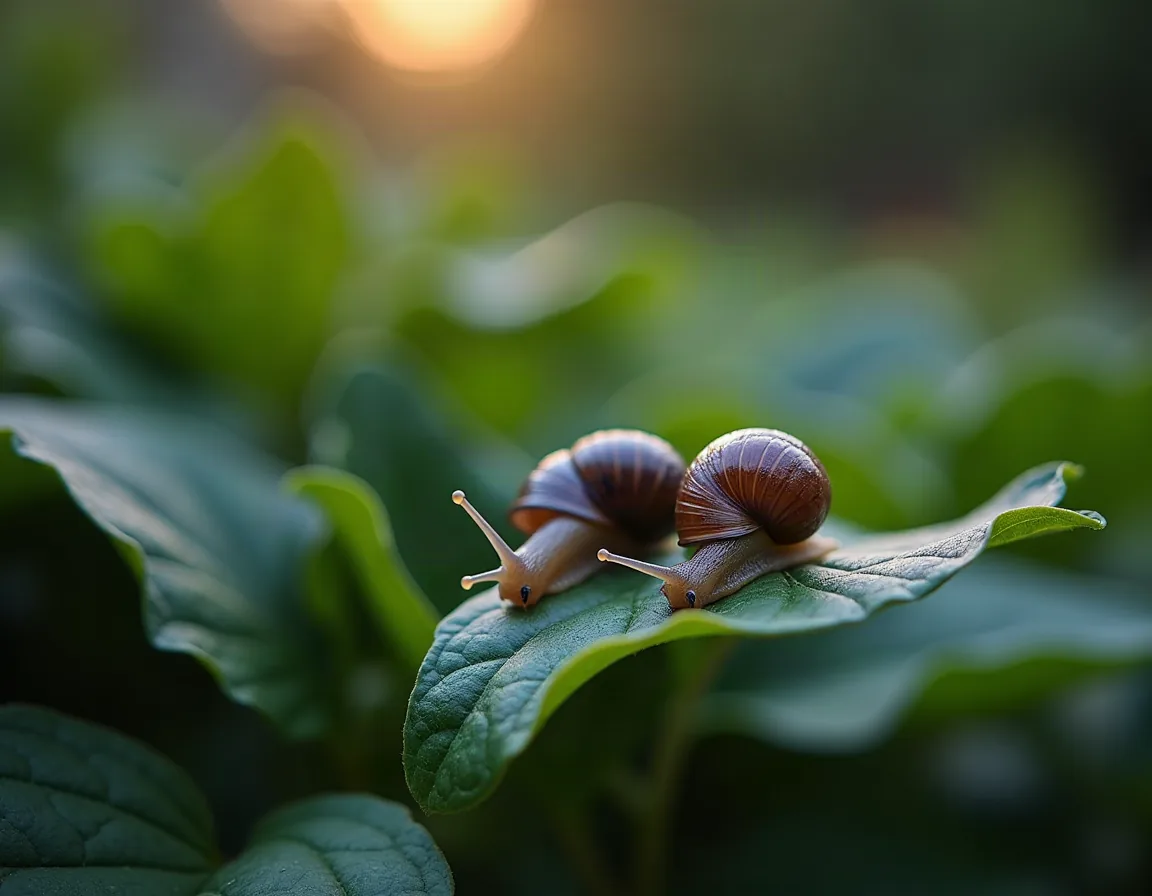
| Holes, chewed edges, skeletonised leaves, slime trails | A pest (slugs, snails, caterpillars, sawfly, vine weevil) | Go to slugs and snails, vine weevil, or organic pest control. |
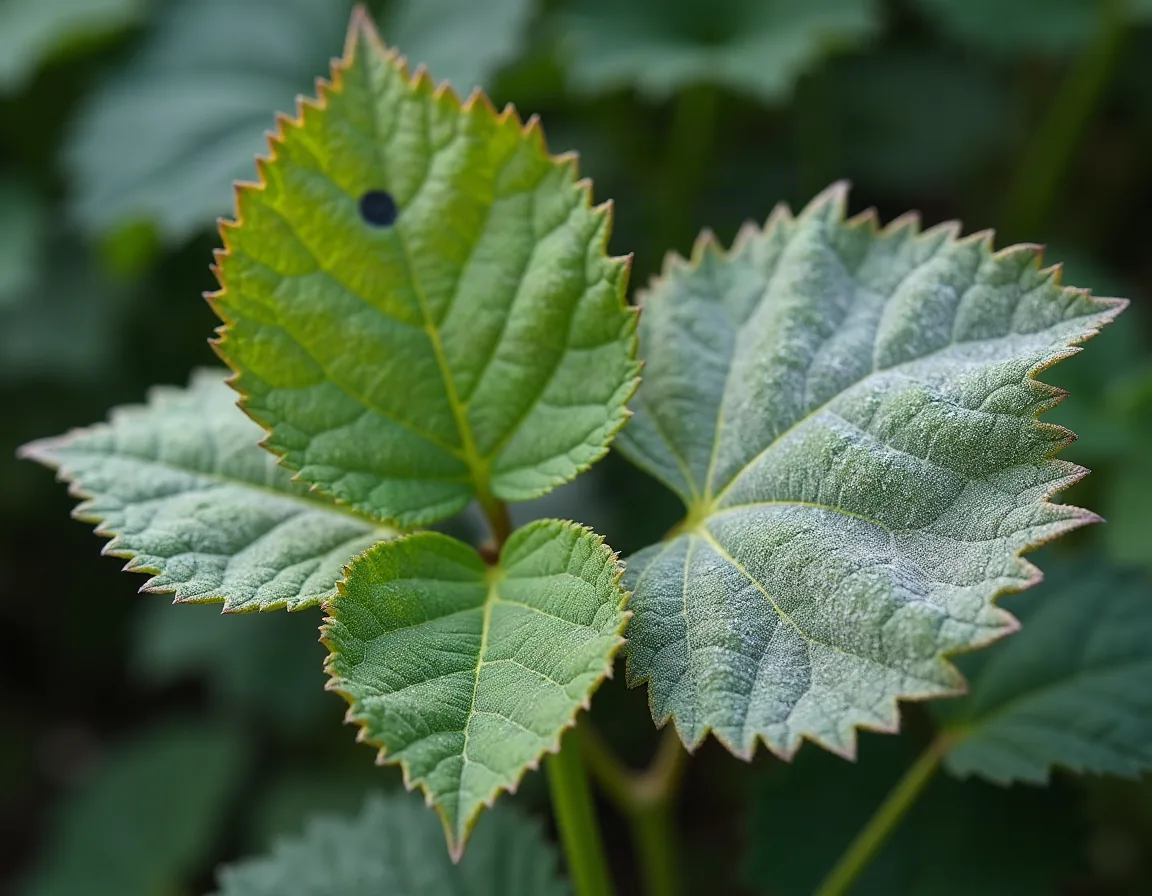
| Spots, rust, white powder, mould, mottling or distorted growth | A fungal or bacterial disease | Go to common plant diseases. |
Is it a pest, a disease, or neither?
Three questions sort most cases in under a minute.
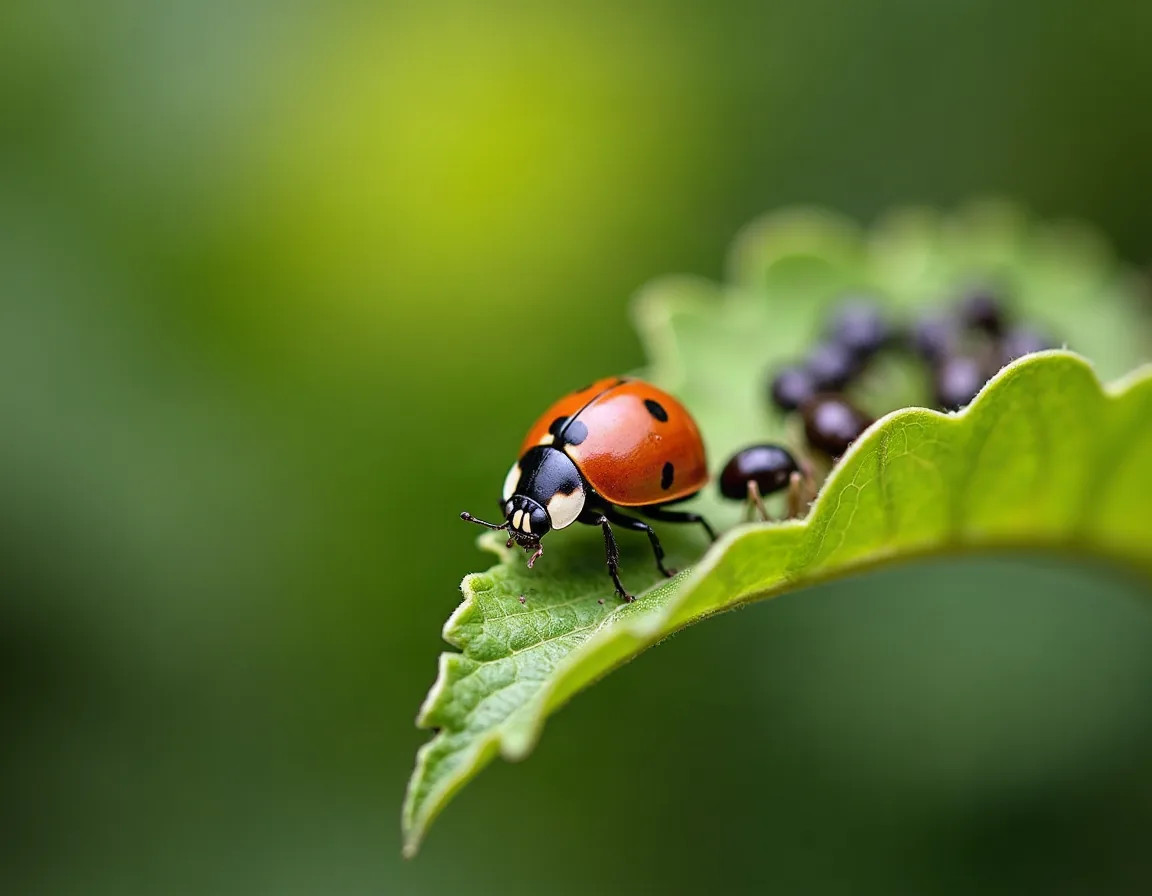
- Can you see damage being done, or the culprit? Holes, chewed or skeletonised leaves, slime trails, or grubs in the compost mean a pest. Slugs and snails strip young plants, vine weevil grubs eat the roots of plants in pots, and aphids, caterpillars and sawfly work on the leaves. Go to slugs and snails, vine weevil, or organic pest control.
- Are there spots, rust, mould, white powder or mottling? Patterned marks, fuzzy growth or distorted leaves usually mean a disease, and the sooner you catch it the better. Go to common plant diseases.
- Nothing living, just a whole-plant pattern? Even yellowing, wilting, crisp edges, or scorch on the sunny side with no pest and no spots is a growing problem, which is a physiological disorder. Those are covered in the rest of this guide.
When in doubt, assume a growing problem first. The RHS puts most garden complaints down to the environment rather than to pests or disease, and the fix is usually free: water differently, feed, move the plant, or wait.
Too wet or too dry? (over and under-watering)
Watering problems cause more sick plants than anything else, and the two extremes look almost identical. That is the trap. A waterlogged plant is water-stressed as well: its roots are starved of oxygen, so they cannot take up water or nutrients, and the plant wilts exactly as if it were parched. Water it again and you make it worse.
So check, do not guess:
- Push a finger a few centimetres into the soil. Bone dry, or soggy?
- Lift a pot: heavy and wet, or light and dry? Tip out any water sitting in the base.
- Slide the plant from its pot and look at the roots. Firm and pale means fine; brown, soft and mushy with a sour smell means too wet.
Over-watering and waterlogging show as old and new leaves yellowing and dropping together, soft brown patches in the middle of leaves, mould on leaves or flowers, stem rot and dark, slimy roots. Ease off watering, let pots drain fully, and improve drainage in the ground with organic matter or a raised bed. Recovery takes a feed and a mulch in spring to push out fresh roots, and once it has recovered, water it properly in dry spells, because a plant that has been waterlogged is then more prone to drought.
Under-watering and drought stress show as wilting first, then leaf and bud drop, crisp brown leaf edges and a light, dry pot. Plants wilt, shed leaves, and in a long dry spell shoots or the whole plant die back. Re-wet a dried-out pot by standing it in water until the compost is soaked through, not with a quick splash that runs straight off. New trees and shrubs are the most at risk, as their roots take years to spread, so water and mulch them through their first summers.
Why are my plant's leaves turning yellow?
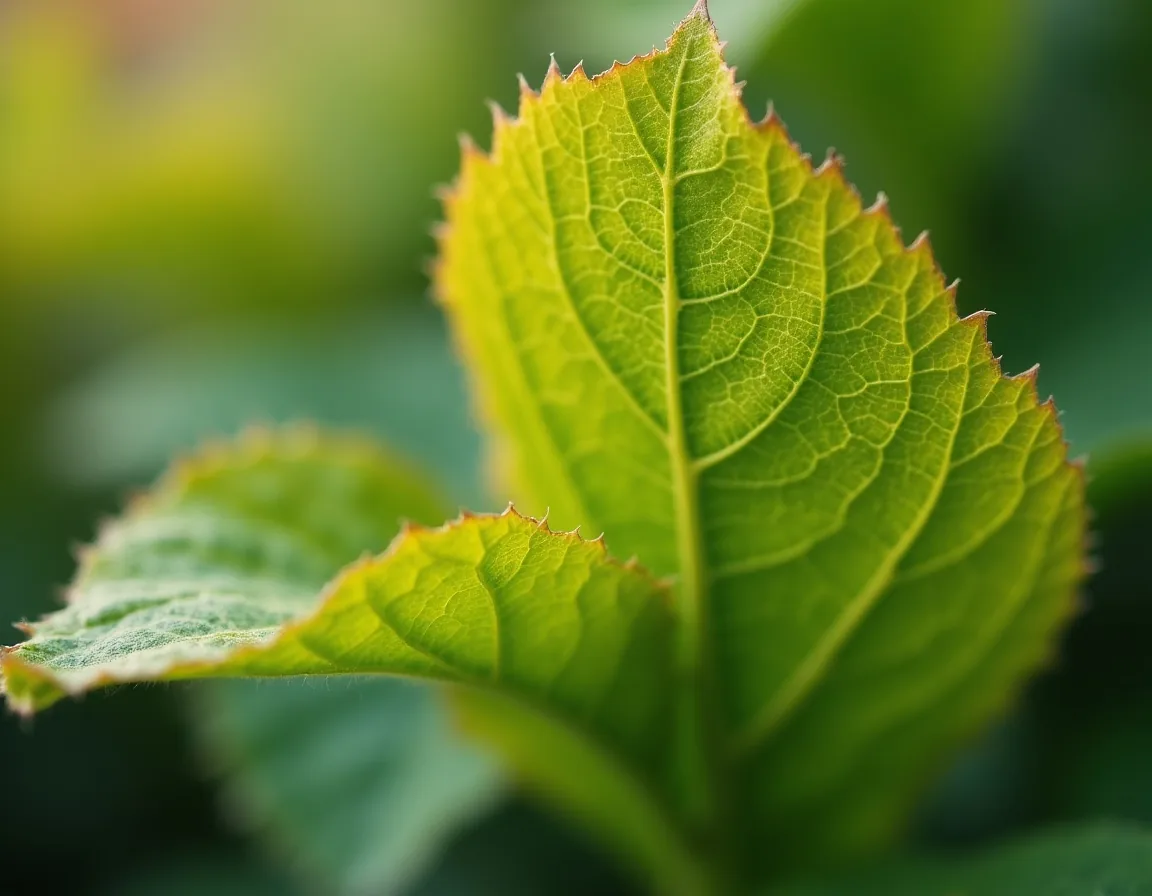
Yellow leaves (chlorosis) have a dozen causes, but the pattern of which leaves yellow, and where on the leaf, narrows it down quickly. Read the leaf before you reach for a feed.
| Yellowing pattern | Most likely cause |
|---|---|
| Oldest, lowest leaves yellow first | Over-watering, or nitrogen/magnesium deficiency |
| Youngest, newest leaves yellow first | Under-watering, or iron deficiency (often alkaline soil) |
| Yellow between the veins, veins stay green | Iron, magnesium or manganese deficiency |
| Yellow mostly at the leaf edges | Potassium deficiency |
| All leaves yellow and drop at once | Over-watering or sudden shock, check the roots |
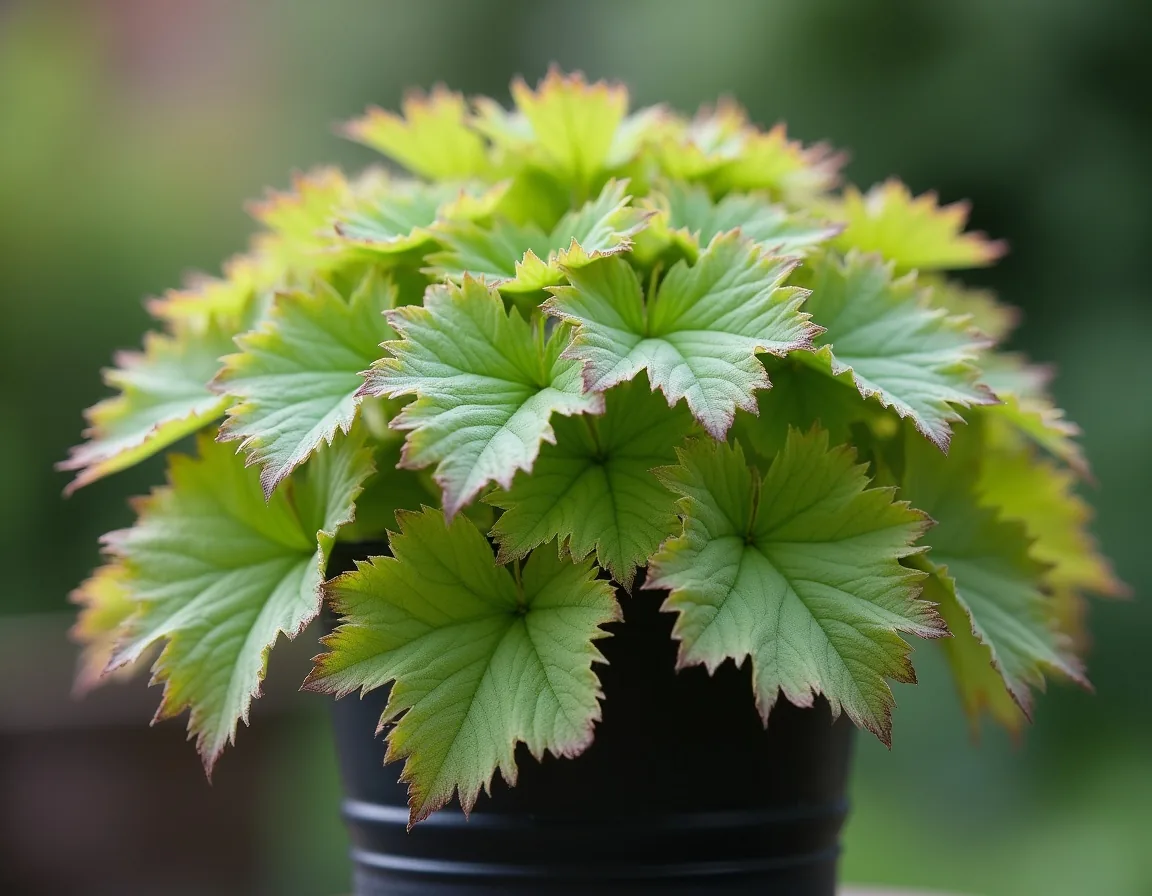
Nutrient deficiency is one of the main culprits. Yellowing between the veins while the veins stay green is the classic sign of iron, magnesium or manganese shortage. Iron deficiency hits the youngest leaves first and is common on acid-loving plants grown in alkaline soil, where chelated iron or correcting the soil pH is the answer. Magnesium and manganese start in the older leaves. A general yellowing, often of the older leaves, with weak growth points to nitrogen; yellowing at the leaf edges points to potassium. Feed to match, and remember that a plant sitting in cold, wet or waterlogged soil cannot take up nutrients either, so fix the watering first.
Frost, scorch and wind damage
Weather leaves a tell-tale signature, usually in where the damage sits on the plant.
- Frost and cold. Freezing hits the top of the plant hardest, so you see blackened, collapsed shoot tips and buds up high while lower and inner leaves escape. Damage is often patchy, with one plant hit and its neighbour fine. Leave the dead growth until new shoots appear in spring, then cut back to live wood, and protect vulnerable plants with fleece in frost pockets.
- Sun and heat scorch. Brown, scorched patches appear on the sunny, exposed side of the plant and not on the shaded lower leaves. Woodland plants like Japanese maple (Acer palmatum) are especially prone. Give shade or shelter, keep it watered, or move it to a spot that suits it.
- Wind. Drying wind browns and scorches leaves and knocks off buds and flowers, on top of the obvious leaning, tearing and breakage. Improve shelter, and stake or site tall plants out of the worst of it.
Transplant shock: a wilt that is not a watering problem
If a plant wilts, yellows or simply stalls in the days after you plant or move it, that is usually transplant shock, not a watering or feeding fault. It happens when roots are damaged at planting, or when the new spot's soil, temperature or light is very different from where the plant came from. The plant is busy regrowing roots and cannot support its top growth in the meantime.
You prevent most of it rather than cure it. Harden off young or indoor-raised plants by moving them outside gradually first. Water the plant and the planting hole deeply before and after planting, firm it in, and disturb the roots as little as you can. Then give it a little shade and leave it alone, as a settled plant recovers faster than a fussed-over one.
When to act, and when to leave it
Not every blemish is an emergency. A few yellow lower leaves on an otherwise healthy plant, or older evergreens shedding a flush of leaves in spring, are normal. Act when the problem is spreading, when new growth is affected, or when you can see a live pest or disease at work.
Once you have named the cause, follow it to the right guide. For the living causes, see slugs and snails, vine weevil, common plant diseases and organic pest control. To stop problems before they start, strong soil and good spacing do a lot of the work: see companion planting and mulching. The best cure is usually a plant that was healthy to begin with.
Frequently asked questions
How do I tell if I am over-watering or under-watering?
Feel the soil and check the roots rather than the leaves, because both extremes cause wilting. Over-watering yellows old and new leaves together, leaves soft brown patches and gives dark, mushy, sour-smelling roots in wet compost. Under-watering yellows the newer leaves, crisps the edges and leaves the pot light and dry. A wilting plant in wet soil is being over-watered, so do not add more.
Why are my plant's leaves turning yellow?
The pattern tells you the cause. Yellowing between the veins means iron, magnesium or manganese deficiency; general yellowing of older leaves means nitrogen; yellow leaf edges mean potassium. Old lower leaves yellowing points to over-watering, new leaves to under-watering. Cold, wet or waterlogged soil also stops a plant taking up nutrients, so sort the watering before you feed.
Is my plant's problem a pest, a disease, or neither?
Look for the culprit. Holes, chewed edges, slime trails or grubs mean a pest. Spots, rust, mould, white powder or distorted growth mean a disease. Even whole-plant yellowing, wilting or scorch with nothing living on it is a growing problem, usually watering, feeding or weather, which is covered in this guide.
My plant wilted after I moved it. What is wrong?
That is almost always transplant shock, not thirst. Moving a plant damages roots and changes its conditions, so it wilts, yellows or stalls while it regrows roots. Water deeply, give it a little shade and leave it alone. Prevent it next time by hardening off, watering well before and after planting, and disturbing the roots as little as possible.
The top of my plant went black overnight. Is it frost?
Very likely. Frost hits the top of a plant hardest, so you see blackened, collapsed shoot tips and buds while lower and inner leaves are spared. Leave the dead growth in place until new shoots appear in spring, then cut back to live wood. Protect tender plants with fleece, and keep them out of frost pockets.
How we checked this2 sourcesView sourcesHide
Our guides draw on expert bodies like the RHS and Garden Organic, plus experienced growers, read at source. We check every guide against those sources on the date shown, and where advice differs between them, we say so. Garden Plans is published by Limely.
- AuthorityPlant problems, Royal Horticultural Society. Checked 26 Oct 2026.
- AuthorityYellow leaves on plants, Gardeners' World. Checked 26 Oct 2026.