The short answer
Rhubarb is one of the easiest things you can grow, and a good crown will crop for about a decade. Plant a dormant crown over winter in rich, moist soil in sun, then the hard part: do not pull a single stalk in the first year, so the plant can build its roots. From the second spring, pull and twist off the stalks as you need them and stop by around midsummer to let the plant recover. Eat only the stalks: the leaves are poisonous.
Rhubarb at a glance
Rhubarb is a hardy perennial that asks very little once it is in. The only real discipline is patience in the first year and knowing when to stop pulling.
| Rhubarb | |
|---|---|
| Plant | Bare-root crowns in the dormant season, November to March (container plants year-round) |
| Position | Open and sunny, tolerates light shade |
| Soil | Fertile, moisture-retentive, never waterlogged; dug through with manure or compost |
| Spacing | 75 to 90cm (30 to 35in) apart; crowns form large clumps |
| First harvest | Year three (no stalks in year one, a few in year two) |
| Harvest season | April or May to late June, then stop to let the plant recover |
| Watch for | Slugs on young shoots, late frost, crown rot on wet ground |
Planting a crown
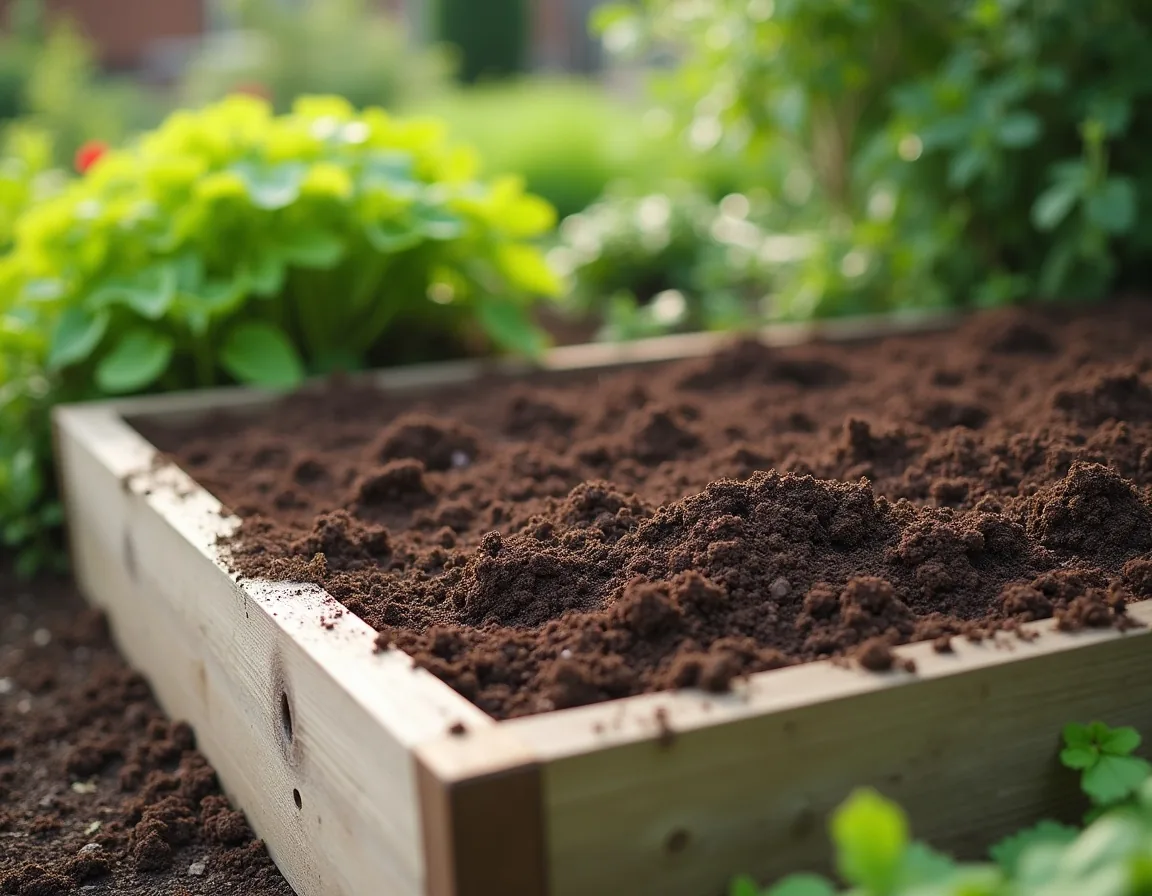
Rhubarb wants an open, sunny spot and fertile, moisture-retentive soil that never sits waterlogged. It will take light shade. Dig plenty of manure or garden compost through the bed before planting, as a well-fed crown repays you for years.
- Plant a bare-root, dormant crown in the dormant season. RHS supplies them from November to March, and you should get them in soon after they arrive. Container-grown plants can go in at any time of year.
- Space crowns 75 to 90cm (30 to 35in) apart. They form large clumps, so give them room.
- Set the crown with the crown tip just above the soil surface, so the growing point is not buried and prone to rotting.
Rhubarb does far better in open ground than in a pot, so grow it in a bed if you can. It pairs well with other long-lived crops: see growing fruit in the UK for where it fits.
The leaves are poisonous
This is the one thing everyone growing rhubarb has to know, so it comes before the harvesting steps rather than buried in a footnote.
Harvesting the stalks
Rhubarb tests your patience in year one. The reward for waiting is a plant that crops hard for a decade.
- Take nothing in the first year. Pulling stalks from a young crown saps its vigour, so leave it be and let it root in. In the second year take only a few stalks, and from the third year onwards you can harvest properly.
- Pull from April or May as soon as the stalks are long enough, roughly 30 to 60cm. Hold the stalk low at the base and twist gently to ease it off the crown. Do not snap or cut it, as a cut stump sits and rots.
- Twisting the stalks off, rather than cutting, actually stimulates fresh new growth, so the plant keeps pushing stems.
- Never strip the plant: take about a third of the stems at a time and leave the rest working.
- Stop pulling by around June or midsummer. Leaving the remaining stalks to feed the crown through late summer is what sets up next year's crop.
Forcing for early stems
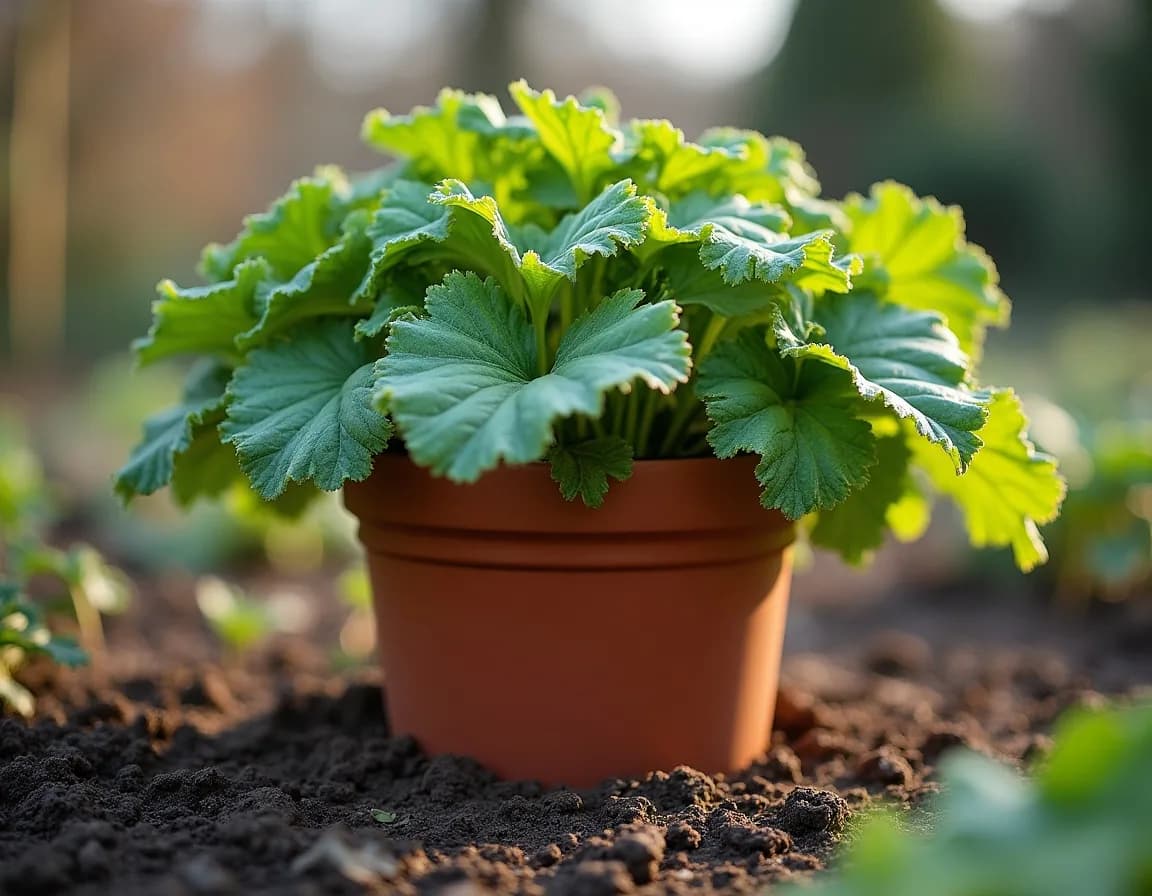
Forcing gives you the first, sweetest rhubarb of the year: pale, tender, pink stalks weeks ahead of the open crop. You trick an established crown into growing in the dark.
- In midwinter, cover a healthy, established crown with a traditional terracotta forcer, or an upturned bucket or bin. The cover needs to be at least 45cm (18in) tall to let the stems stretch up.
- Starved of light, the crown throws up long, blanched stalks ready to harvest four to eight weeks after covering.
- Force an early variety such as 'Timperley Early', which is bred for it.
Feeding, watering and dividing
An established rhubarb plant is close to self-sufficient. A yearly mulch does most of the feeding for you.
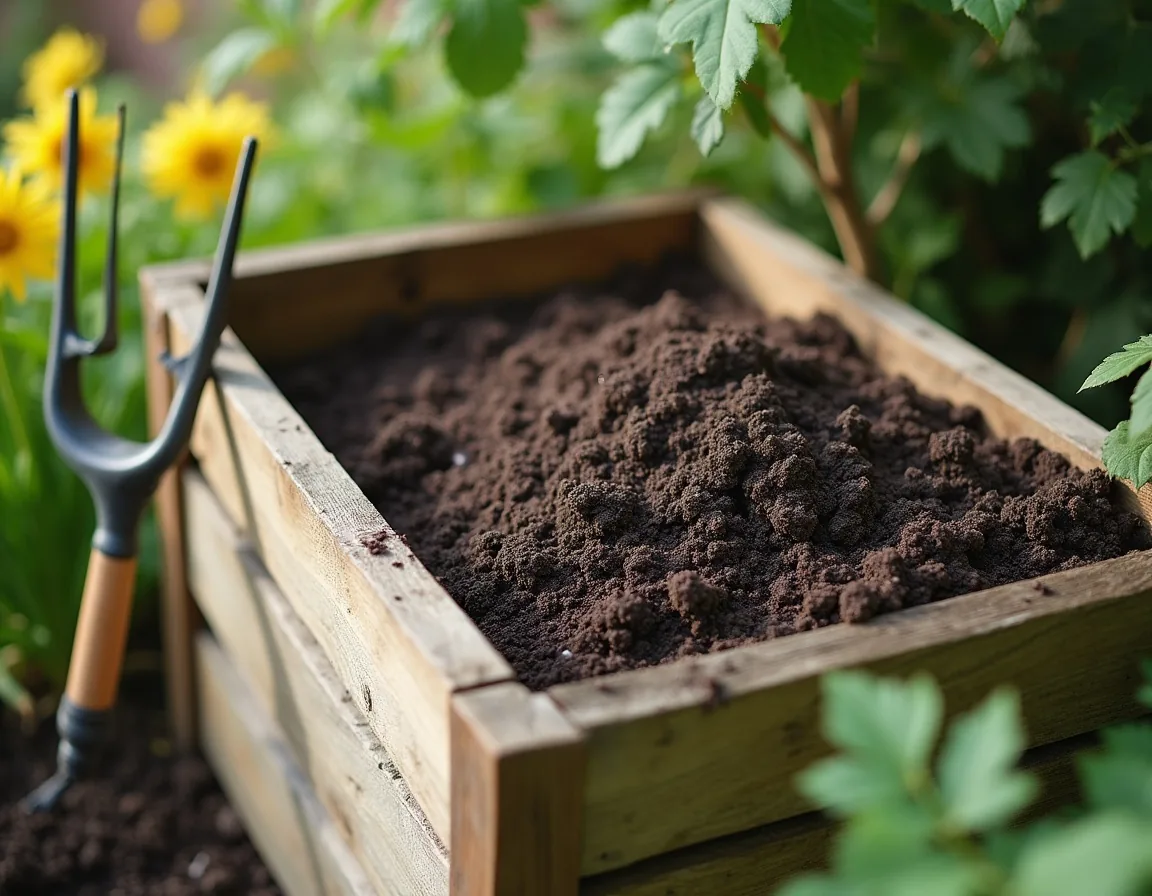
- Mulch every spring with a layer about 7cm (2.5in) deep of well-rotted manure, compost or leaf mould, keeping it clear of the crown itself. For an extra push, a liquid feed in spring helps. Home-made compost is ideal for this.
- Water young plants regularly through their first season. An established crown only needs watering in a prolonged dry summer spell.
- Pull out any flower stems as soon as they appear, so the plant puts its energy into stalks rather than seed.
- Divide a congested crown every five years or so while it is dormant, from mid-autumn to early spring, to keep it vigorous. Lift it and split it into sections with 1 to 3 buds each, then replant. Do not harvest from a freshly divided section in its first year.
If you garden no-dig, that annual mulch is all the ground preparation rhubarb needs.
Varieties to try
Rhubarb ranges from early forcing types to late, heavy croppers. These are reliable in UK gardens:
| Variety | Notes |
|---|---|
| 'Timperley Early' | Earliest to crop and the best for forcing |
| 'Victoria' | Reliable, versatile and high-yielding |
| 'Raspberry Red' | Heavy cropper with red stalks |
| 'Fulton's Strawberry Surprise' | Good, balanced flavour |
| 'Cawood Delight' | Quality stems, but not one to force |
If you only have space for one, grow 'Timperley Early': it crops first and it is the one to force. For another easy, long-lived crop to grow alongside it, see growing strawberries.
Frequently asked questions
Can I harvest rhubarb in the first year?
No. Leave a newly planted crown alone for its whole first year so it can build strong roots. Pulling stalks too early saps its vigour. In the second year take just a few stalks, and from the third year onwards you can harvest normally.
Are rhubarb leaves poisonous?
Yes. The leaf blades contain oxalic acid and must never be eaten. Only the stalks are safe to eat: the amount of oxalic acid in them is not enough to be harmful. When you pick a stalk, remove the leaf straight away and put it on the compost heap.
How do I pick rhubarb without damaging the plant?
Hold the stalk low at its base and twist gently to ease it off the crown, rather than snapping or cutting it. Twisting stimulates fresh growth, while a cut stump tends to rot. Only ever take about a third of the stems at once, and stop pulling by around June or midsummer so the plant can recover.
How does forcing rhubarb work?
In midwinter, cover an established crown with a forcer, bucket or bin at least 45cm tall. Growing in the dark, the crown produces pale, tender, early stalks ready four to eight weeks after covering. Use an early variety like 'Timperley Early', and do not force the same plant two years running.
When and why should I divide rhubarb?
Divide a crown that has become congested every five years or so, while it is dormant between mid-autumn and early spring. Lift it and split it into sections with one to three buds each, then replant. Dividing keeps the plant vigorous. Do not harvest from a divided section in its first year.
How we checked this2 sourcesView sourcesHide
Our guides draw on expert bodies like the RHS and Garden Organic, plus experienced growers, read at source. We check every guide against those sources on the date shown, and where advice differs between them, we say so. Garden Plans is published by Limely.
- AuthorityRhubarb: grow your own, Royal Horticultural Society. Checked 26 Oct 2026.
- AuthorityHow to grow rhubarb, Gardeners' World. Checked 26 Oct 2026.