The short answer
The whole gardening year hinges on frost. In spring you sow, plant and get ready; in summer you water, feed and harvest; in autumn you tidy, plant spring bulbs and bring tender plants under cover; in winter you plan, prune dormant plants and pick hardy veg. The key date is the last spring frost: hardy things can go out early, but tender plants wait until it has passed, which the Met Office puts typically before the end of April in the south and well into May further north. Pick your season below and I will point you to the detail.
What is the growing season?
For tender plants, the working year runs from the last local spring frost to the first autumn frost. That is the stretch when it is warm enough for things like tomatoes, courgettes, dahlias and summer bedding to live outdoors without being damaged. Hardy plants have a longer year, as they shrug off a touch of frost, but even they take their cue from the seasons for sowing, planting and pruning.
So the single most useful thing to know is when frost starts and stops where you garden. Get that right and the rest of the calendar falls into place: you stop pushing tender plants out too early in spring, and you get them back under cover before the first cold nights of autumn.
When does frost come and go in the UK?

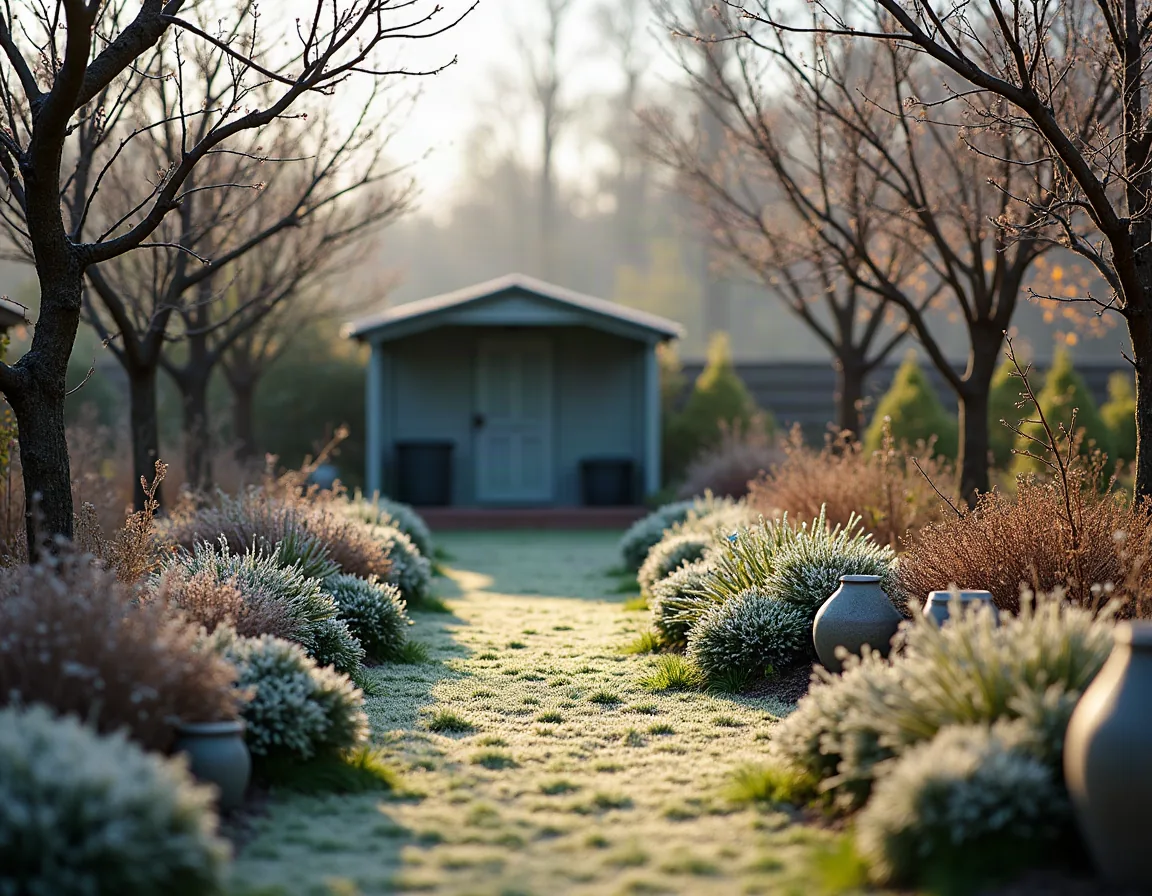
Frost forms on clear, calm nights when the temperature at the surface drops to or below freezing. The Met Office notes that gardens are usually hit by ground or grass frost, which can damage tender plants even when the air a metre up stays just above zero. There is no single national date: last and first frosts follow a clear north-south pattern, and come earlier in exposed, rural and low-lying frost pockets than in sheltered towns.
| Frost in the UK | |
|---|---|
| What frost is | The temperature at or below freezing (0C). Air frost is measured about a metre up; ground or grass frost is at the surface and is what usually damages tender plants (Met Office) |
| Last spring frost | Typically before the end of April in the south and near coasts, extending well into May (and in a few places June) further north and on higher ground (Met Office) |
| First autumn frost | Typically from late October into November in much of the UK, earlier inland and up north, later near the coast (Met Office) |
| Most at risk | Rural, low-lying frost pockets and higher ground on clear, calm nights; towns stay a little warmer (Met Office) |
| Safe to plant tender out | When nights stay above about 7C (above 10C for tomatoes), usually two to four weeks after the last frost (RHS) |
When is it safe to plant tender plants out?
A useful rule from the RHS: the last spring frost is usually two to four weeks before it is actually safe to plant tender things out, and you want nights holding above about 7C first (above 10C for tomatoes). Harden plants off over about two to three weeks, moving them outside by day and back in at night, so the move does not shock them.
| Where you garden | Usual planting-out window |
|---|---|
| South-west tip and south coast of England | First to second half of May |
| Southern England and south Wales | Second half of May |
| Midlands, north-west England, Yorkshire, north Wales | End of May |
| North-east England, southern Scotland, Northern Ireland | Early June |
| Highlands and northern Scotland | Mid June |
The gardening year at a glance
Each season has two or three jobs that really define it. This is the shape of the year; the four season guides below go into the detail month by month.
| Season | Months | What defines it |
|---|---|---|
| Spring | March to May | Sow and plant. Prepare beds, sow hardy annuals and veg, pot on, and harden off tender plants ready to go out after the last frost. |
| Summer | June to August | Water, feed and harvest. Keep pots and new plants watered, deadhead for more flowers, train and feed crops, and pick little and often. |
| Autumn | September to November | Harvest and tidy. Lift maincrops and gather fruit, plant spring bulbs, divide perennials, and get tender plants under cover before the first frost. |
| Winter | December to February | Plan and maintain. Clear and dig beds when workable, prune dormant plants, protect tender ones, pick hardy veg, and order seed for spring. |
Spring: sow and plant
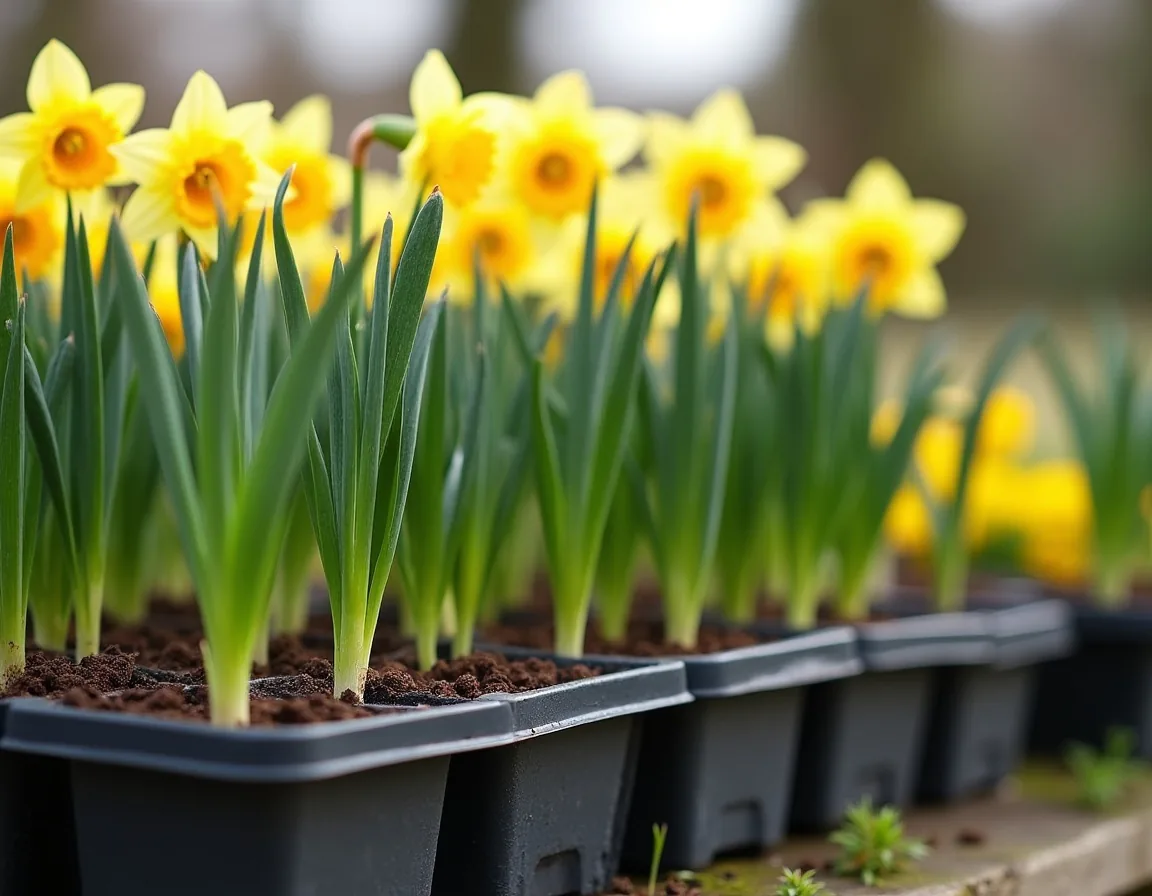
Spring is the busiest stretch of the year and it is all about getting growth going. Prepare seed beds, sow hardy annuals, herbs and vegetables, chit and plant early potatoes, and prune winter-flowering shrubs once they finish. The big judgement call is the frost line: sow and raise tender plants under cover, then harden them off ready to plant out once the danger has passed.
For the full month-by-month list of what to sow and plant, see spring gardening jobs.
Summer: water, feed and harvest
Summer is about keeping everything going and bringing in the crop. Water vegetables, pots and new plants deeply in dry spells, ideally in the morning or evening and using stored rainwater where you can, as hosepipe bans can bite in a drought. Deadhead for more flowers, feed and train crops like cordon tomatoes, and pick little and often so plants keep producing.
For the detail, including heatwave care and holiday watering, see summer gardening jobs.
Autumn: harvest and tidy
Autumn is harvest and preparation in one. Lift maincrop potatoes, gather apples, pears and nuts, and pick the last of the autumn raspberries. Then plant spring-flowering bulbs, divide crowded perennials, and start watching the forecast: as the first frosts approach, move tender plants into a greenhouse or conservatory and cut back perennials as they die down.
For the full autumn list, see autumn gardening jobs.
Winter: plan and maintain
Winter is the quiet season, so the jobs are structural and preparatory. Clear and dig beds whenever the soil is workable and not frozen, gather fallen leaves for leaf mould, cut autumn raspberry canes to the ground, and keep picking hardy veg like leeks, kale and winter salad. It is also the best time to plan next year and order seed before spring arrives.
For what to prune and protect through the cold, see winter gardening jobs.
Frequently asked questions
When is the last frost in the UK?
There is no single date. The Met Office describes a clear north-south pattern: the average last spring air frost tends to fall before the end of April in southern and coastal areas, but extends well into May, and in a few places into June, further north and on higher ground. Exposed, rural and low-lying frost pockets stay at risk longer than sheltered towns.
What is the growing season in the UK?
For tender plants it runs roughly from the last spring frost to the first autumn frost, which is the period they can safely live outdoors. The first autumn frost usually arrives from late October into November in much of the UK, earlier inland and up north. Hardy plants cope with frost, so their working year is longer.
When can I plant out tender plants like tomatoes and bedding?
Wait until the last frost has passed and nights hold above about 7C, or above 10C for tomatoes. The RHS puts the usual window at the second half of May for much of England and Wales, the end of May for the Midlands and north, and early to mid June for Scotland. Harden plants off over two to three weeks first, and check the local forecast.
What are the main gardening jobs each season?
In spring you sow seed, prepare beds and harden off tender plants. In summer you water, feed, deadhead and harvest. In autumn you lift crops, plant spring bulbs, divide perennials and move tender plants under cover. In winter you plan, order seed, prune dormant plants and pick hardy vegetables.
Why does frost matter so much to gardeners?
Frost is the main thing that limits what you can grow outdoors and when. Ground frost damages or kills tender plants, so it sets both ends of the tender growing season. The Met Office notes that frost risk is highest on clear, calm nights and in rural or low-lying spots, and that warmer springs can leave early growth more exposed to a late cold snap.
How we checked this3 sourcesView sourcesHide
Our guides draw on expert bodies like the RHS and Garden Organic, plus experienced growers, read at source. We check every guide against those sources on the date shown, and where advice differs between them, we say so. Garden Plans is published by Limely.
- AuthorityJobs to do this month, Royal Horticultural Society. Checked 26 Oct 2026.
- AuthorityWhy frost can still occur in late spring, Met Office. Checked 26 Oct 2026.
- AuthorityWhat to do now: monthly job checklists, Gardeners' World. Checked 26 Oct 2026.