The short answer
Autumn is the busiest planting season of the year, not a wind-down. Spend it on the jobs that pay off next spring: plant spring bulbs (daffodils from September, but leave tulips until November), get bare-root and potted trees, shrubs and hedging in while the soil is still warm and the plants are dormant, lift dahlias and cannas once the first frost blackens them, and save every fallen leaf for leaf mould. Then clear spent crops, net the pond, and give the lawn a last high cut.
Autumn jobs, by area of the garden
Here is the whole autumn list in one place, split by where in the garden the work falls. Nothing here needs doing on one specific day: autumn in the UK stretches from the first cool nights of September to the first hard frosts, so work through it as the weather and your time allow.
| Area | What to do |
|---|---|
| Beds and borders | Plant spring bulbs, lift and divide overcrowded perennials, and leave spent stems standing for wildlife until March |
| Trees and shrubs | Plant bare-root and potted trees, shrubs, roses and hedging while they are dormant and the soil is not frozen |
| Veg plot | Plant garlic and overwintering onion sets, clear spent crops, and sow hardy broad beans in mild areas |
| Tender plants | Lift dahlias and cannas after the first frost to store, and move frost-tender pots under cover |
| Lawn | Give a last mow on a high cut in mild spells and rake off fallen leaves so they do not smother the grass |
| Compost and leaves | Collect fallen leaves into a bin or pierced bags for leaf mould, and add spent crops to the compost heap |
| Pond | Net the pond so falling leaves do not rot in the water and feed algae |
| Tools and water | Drain standpipes and irrigation lines and clean out water butts before the first hard frost |
The rest of this guide takes the jobs that are easiest to get wrong, or most worth the effort, and explains them properly: planting bulbs, bare-root planting, leaf mould and lifting tender plants.
When do I plant spring bulbs?
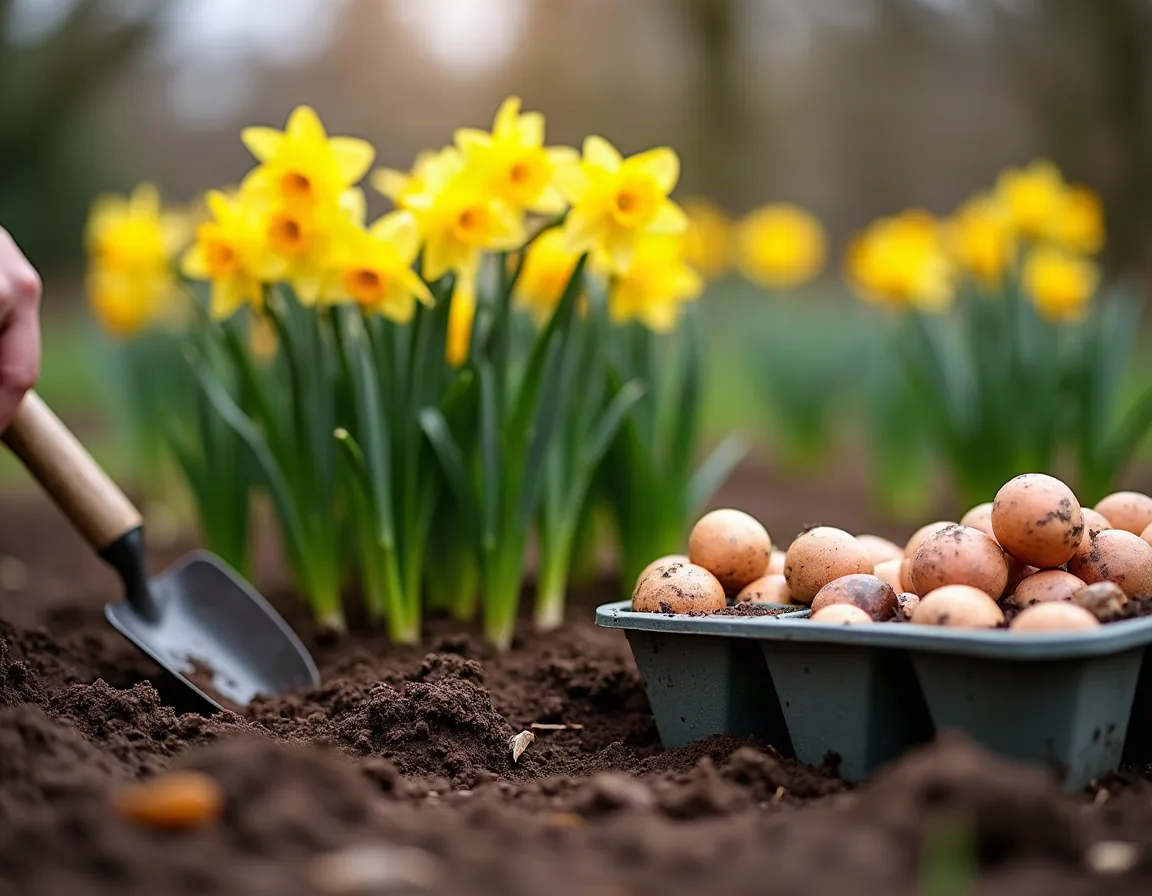
Autumn is bulb-planting season, and the single most useful thing to know is that not every bulb goes in at the same time. Most spring bulbs want to be in the ground from September so they can root before winter, but tulips are the exception and go in last.
| Bulb | When to plant |
|---|---|
| Daffodils (narcissus) | September, ideally by the end of the month |
| Crocus, hyacinth and most spring bulbs | September to October |
| Tulips | November, once the soil is colder (lowers tulip-fire risk) |
Plant bulbs at roughly three times their own height deep (so a 5cm daffodil bulb sits about 15cm down), pointy end up, in groups rather than lines. Dead-head after flowering next spring but leave the foliage to die back naturally, as that is what feeds next year's flower. Bulbs are one of the best value things you will plant all year, so buy more than you think you need.
Why is autumn the time to plant trees and shrubs?
Autumn and winter are the best window to plant most trees, shrubs, roses and hedging, because the plants are dormant and the soil is still warm enough for roots to settle in before spring growth. Plant now and you water far less next summer than you would with a spring-planted specimen.
You have two options. Potted (container-grown) plants can go in through autumn while the soil is still warm, as long as the ground is not frozen or waterlogged. Bare-root plants, which are lifted from the field without soil and sold dormant, become available from November and are far cheaper for hedging and fruit. The catch is that their roots must not dry out, so plant them promptly when they arrive, or heel them into spare soil until you can.
This is the moment to get fruit in too. Order bare-root fruit trees and bushes now to plant from November onwards: see our guides to growing fruit in the UK and caring for a fruit tree for choosing and planting. Mulch everything you plant after watering it in: our guide to mulching covers why and how.
What do I do with all the fallen leaves?
Do not bin them and do not burn them. Fallen leaves turn into leaf mould, a dark, crumbly soil conditioner that is one of the best free things a garden produces. Rake leaves off the lawn and paths (left on grass they smother it), and leave the rest where they fall under shrubs and hedges, where they rot down and feed the soil.
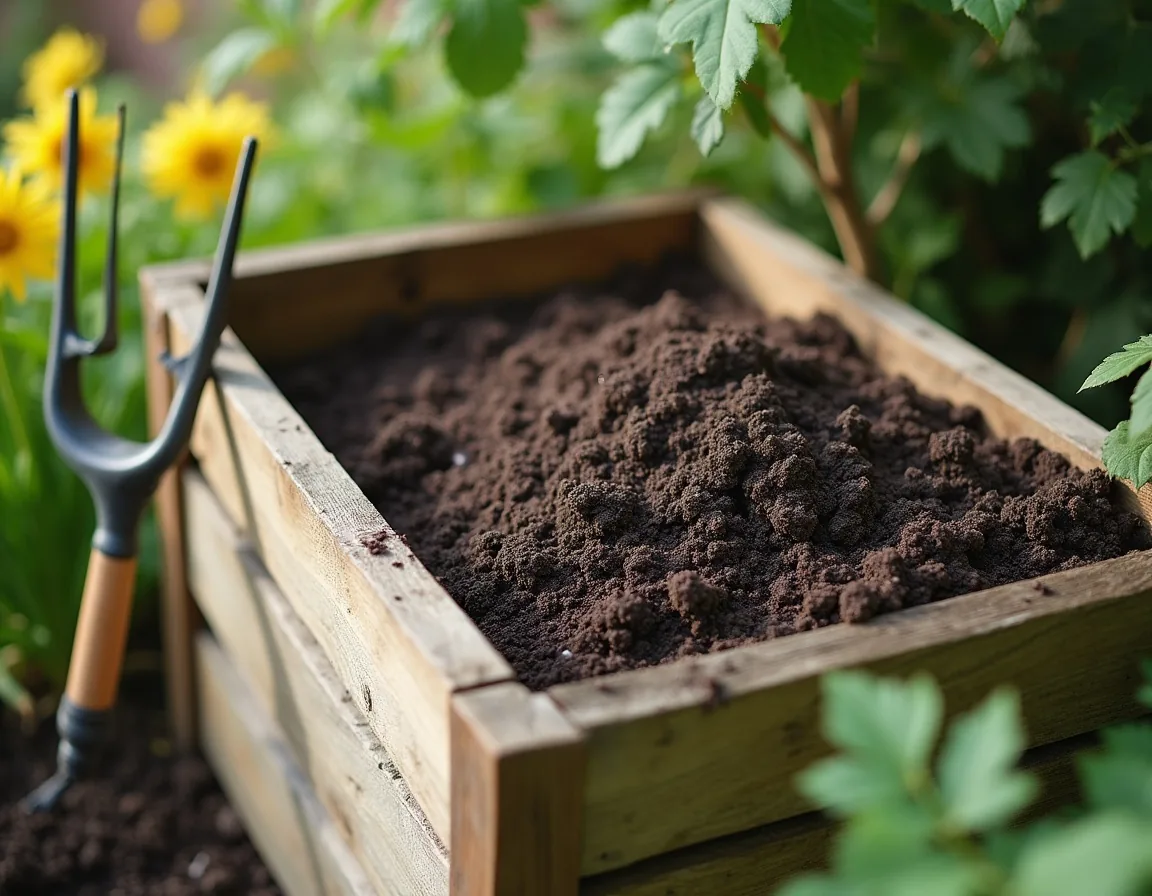
To make leaf mould, pack damp leaves into a simple wire-netting bin, or stuff them into bin bags, pierce the bags with a fork, tie them loosely and stack them out of the way. Keep the leaves moist. They take about two years (6 to 12 months if the leaves are shredded or mown first) to break down. Running the mower over leaves on the lawn first shreds them and speeds things up.
Leaf mould rots slowly and cool, which is different from a compost heap. If you want to turn kitchen and garden waste into compost faster, that is a separate process: see how to make compost.
When do I lift dahlias and other tender plants?
Dahlias, cannas, tuberous begonias and gladioli are tender: a hard frost kills the top growth and, left in cold wet ground, the tubers can rot over winter. The trigger for lifting them is simple. Wait until the after the first frost has blackened the foliage, then lift the tubers.
- Cut the stems back, ease the clump out with a fork, and shake or wash off the soil.
- Stand dahlia tubers upside down for a week or so to drain moisture out of the hollow stems, then pack them in dry compost or sand.
- Store them somewhere cool but frost-free and dry, such as a shed or garage, and check through winter for any that are rotting.
In mild parts of the UK, on free-draining soil, dahlias often survive in the ground under a thick mulch of straw or bark, so you can gamble and leave them. On heavy, wet soil it is safer to lift. While you are at it, move frost-tender pots (pelargoniums, citrus, salvias) into a greenhouse, conservatory or porch before the first frost catches them.
How do I put the rest of the garden to bed?
The tidying jobs are the ones most people either skip or overdo. The aim is to clear what harbours disease and to protect what the frost can damage, while leaving enough standing for wildlife.
- Clear spent crops and annuals. Pull finished vegetables and bedding, compost the healthy material, and bin or burn anything diseased. On heavy clay, get your digging done before the winter rains.
- Lift and divide crowded perennials, but resist cutting hardy perennials right back: leave the seed heads and stems standing until March, as they shelter insects and feed birds.
- Net the pond so autumn leaves do not sink and rot in the water, where they feed algae and starve it of oxygen.
- Give the lawn a last high cut in a mild dry spell, then put the mower away clean and empty of fuel. Drain outdoor taps and irrigation lines and clean out the water butt before the first hard frost.
- Sow ahead. In mild areas sow hardy broad beans in the ground now, and sow sweet peas from October to November for strong early plants.
Frequently asked questions
When should I plant tulip bulbs?
November. Unlike daffodils and most spring bulbs, which go in from September, tulips are best left until November when the soil is colder. Planting them late cuts the risk of tulip fire, a fungal disease that disfigures the leaves and flowers. There is no rush: tulips planted in November still flower perfectly well the following spring.
When do I lift dahlias for winter?
Wait until the first frost has blackened the foliage, then lift the tubers. Cut the stems back, ease the clump out, shake off the soil, stand the tubers upside down for a week to drain, then store them in dry compost somewhere cool and frost-free. In mild areas on well-drained soil you can leave them in the ground under a thick mulch instead.
What is the best time to plant bare-root trees and hedging?
From November through winter, while the plants are dormant and the ground is not frozen or waterlogged. Bare-root stock is cheaper than potted and establishes well, but the roots must not dry out, so plant it promptly when it arrives or heel it into spare soil in the meantime. Potted plants can go in earlier in autumn while the soil is still warm.
How do I make leaf mould from fallen leaves?
Collect damp fallen leaves into a wire-netting bin or into bin bags that you pierce with a fork and tie loosely, then stack them out of the way and keep them moist. They break down into a dark, crumbly soil conditioner in about two years, or 6 to 12 months if you shred them by mowing first. It is a cooler, slower process than composting.
Can I still plant spring bulbs in November?
Yes. Tulips are actually best planted in November, and you can still get daffodils, crocuses and other spring bulbs in during early November if you missed the September to October window, as long as the ground is not frozen. They may flower a little later, but it is far better to plant them late than not at all.
How we checked this2 sourcesView sourcesHide
Our guides draw on expert bodies like the RHS and Garden Organic, plus experienced growers, read at source. We check every guide against those sources on the date shown, and where advice differs between them, we say so. Garden Plans is published by Limely.
- AuthorityGardening in autumn: jobs to do this month, Royal Horticultural Society. Checked 26 Oct 2026.
- AuthorityAutumn gardening job checklists, Gardeners' World. Checked 26 Oct 2026.