The short answer
A garden becomes wildlife-friendly when it covers four needs: water, food, shelter and breeding sites, with a variety of planting and as few chemicals as possible. The single biggest win is a pond, however small. Keep something in flower every season, grow a mixed hedge and a few berrying shrubs, leave a log pile and some long grass, stop spraying, and put a gap in the fence so animals can move through. You do not need a big or messy garden to make a real difference.
What makes a garden good for wildlife
A wildlife garden is not a style, it is a set of jobs. Give animals food, water, somewhere to shelter and somewhere to breed, plant a good mix, and lay off the chemicals, and the wildlife finds you. You can do all of it in a small garden, and most of it on a balcony.
It is worth doing. The Wildlife Gardening Forum points out that an ordinary garden is remarkably biodiverse, home to hundreds of species, mostly small invertebrates like insects and spiders, and that gardens together make up a very large and valid habitat. As the wider countryside is farmed and built on, gardens matter more and more, especially in a crowded country like the UK. A pond and a few plants in your garden genuinely add up.
| What wildlife needs | How to provide it |
|---|---|
| Water | A pond is the single biggest boost, however small. Give it one gently sloping side so creatures can climb out, some sun, shallow margins, and no fish. |
| Food | Single, nectar-rich flowers across all four seasons, plus trees and shrubs for berries, seedheads left standing, and a bird feeder topped up in winter. |
| Shelter and breeding sites | A mixed native hedge, a log pile in a shady corner, long grass, leaf litter, uncut perennial stems, and nest, bat or bee boxes. |
| Diversity of planting | A mix of trees, shrubs, climbers and perennials, native and good non-native, to build the range of mini-habitats a garden can hold. |
| Fewer chemicals | Drop the pesticides so natural predators build up: hedgehogs take slugs, birds and wasps take caterpillars and aphids. |
| A way in and out | A gap at the base of the fence links your garden to the next, so ground-level animals like hedgehogs can roam far enough to feed and breed. |
Add water first
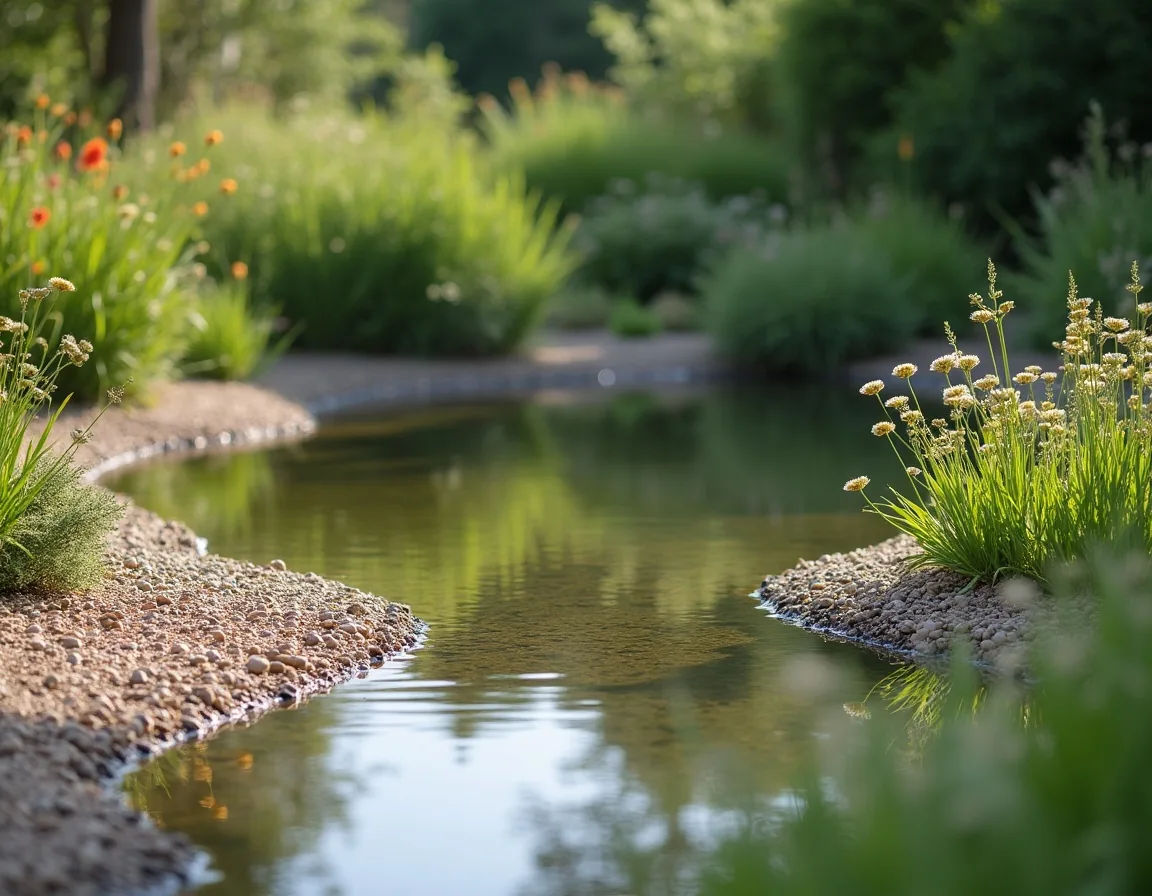
If you do one thing, add water. The RHS calls a pond the single easiest way to raise a garden's wildlife value, however tiny, and it is the change that brings in the most new creatures the fastest. A pond breeds frogs, toads, newts and dragonflies, and gives birds, bees and mammals somewhere to drink and bathe.
- Size does not matter much. A proper dug pond is ideal, but a large pot or a washing-up bowl sunk into the ground still works.
- Give it at least one gently sloping side so hedgehogs, frogs and anything that falls in can climb out.
- Site part of it in sun so the water warms in spring, and keep the margins shallow: more wildlife uses shallow water than deep.
- Do not add fish. They eat tadpoles, larvae and most of the small life you are trying to encourage.
No room for a pond at all? A shallow dish of clean water, topped up and kept unfrozen in winter, still helps birds and insects. For the full build, see our guide to making a wildlife pond.
Feed it all year
Food means more than a bird feeder. The best wildlife gardens grow their own: flowers for nectar and pollen, shrubs and trees for berries, seedheads left standing for winter, and all the insects those plants bring in, which in turn feed the birds and hedgehogs.
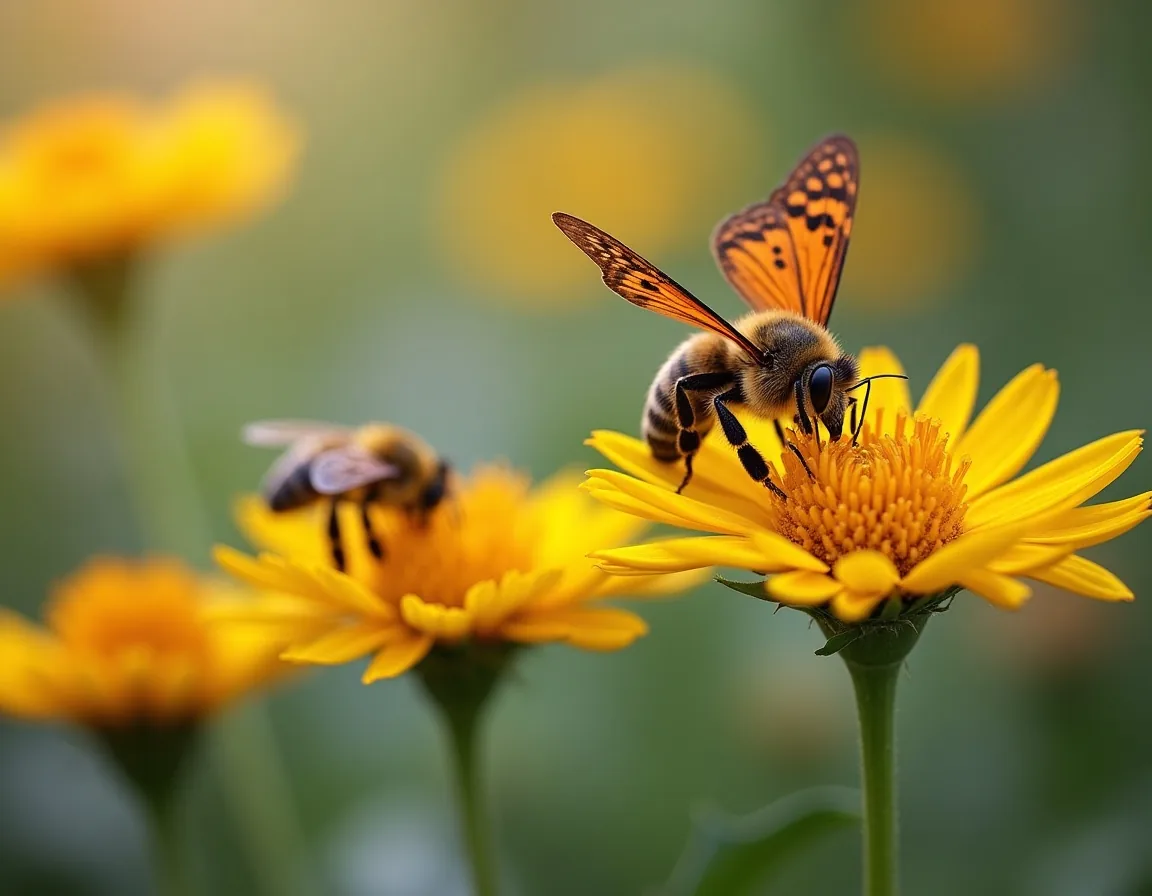
- Keep something in flower in every season, from spring crocus and mahonia to autumn Michaelmas daisies, sedum and ivy, so there is never a hungry gap.
- Choose single, open flowers, not double or blowsy ones. The RHS warns that heavily bred double blooms hold little or no pollen or nectar, so insects cannot feed from them.
- Grow a few berrying trees and shrubs such as rowan, crab apple, elder, blackthorn or hawthorn for autumn and winter food.
- Leave seedheads standing over winter rather than cutting everything back: finches and other birds work them for seed.
- Top up with supplementary bird food, peanuts, sunflower hearts, seed mixes and fat balls, especially through cold snaps, and keep a source of clean, unfrozen water.
| When | Plants to grow |
|---|---|
| Early nectar (late winter and spring) | Crocus, mahonia, hellebores, willow catkins |
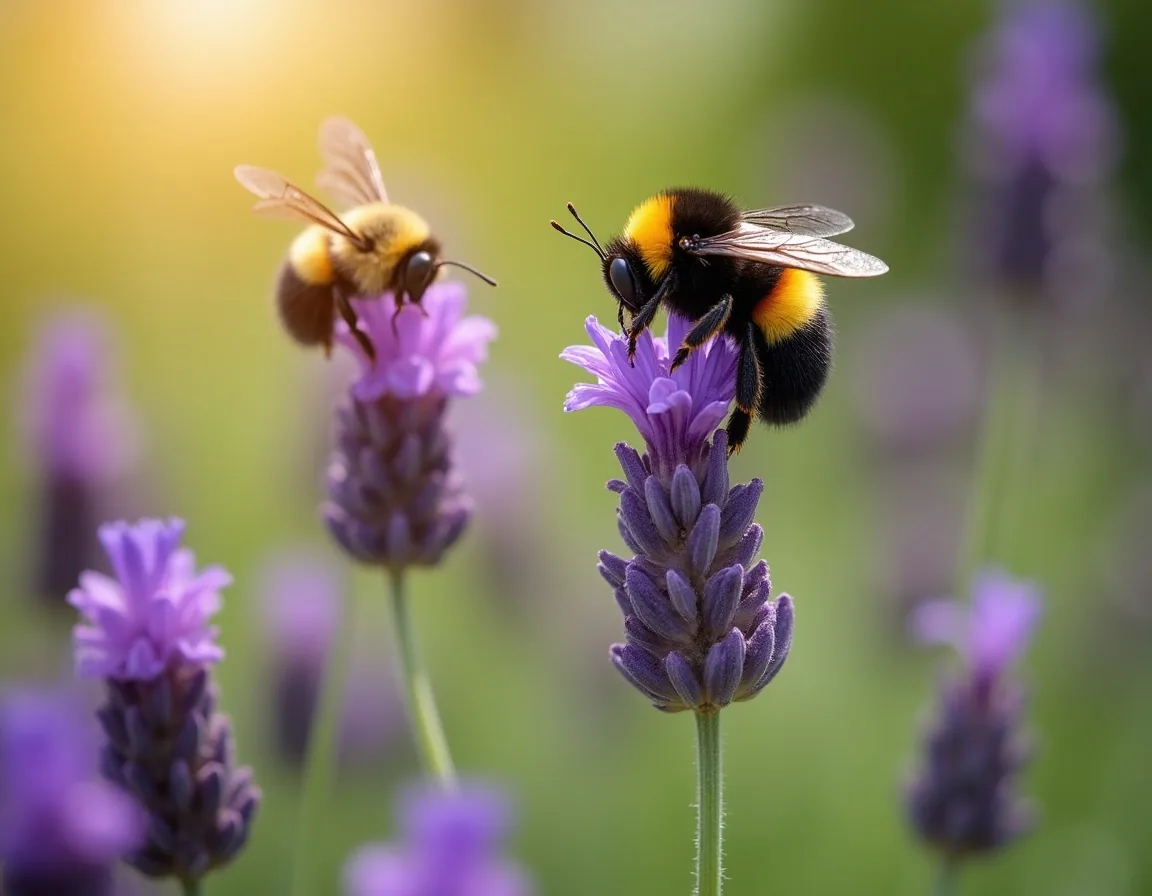
| Summer nectar | Lavender, catmint, single dahlias, herbs like marjoram and thyme |
| Late nectar (autumn) | Michaelmas daisy, Sedum (now Hylotelephium), single-flowered ivy |
| Berries and fruit | Rowan, crab apple, elder, blackthorn, hawthorn |
| Seeds for birds | Teasel, sunflower and other perennial seedheads left standing over winter |
For the plant side in depth, see how to plant for pollinators, which goes into flower choice and spacing.
Leave shelter and breeding sites
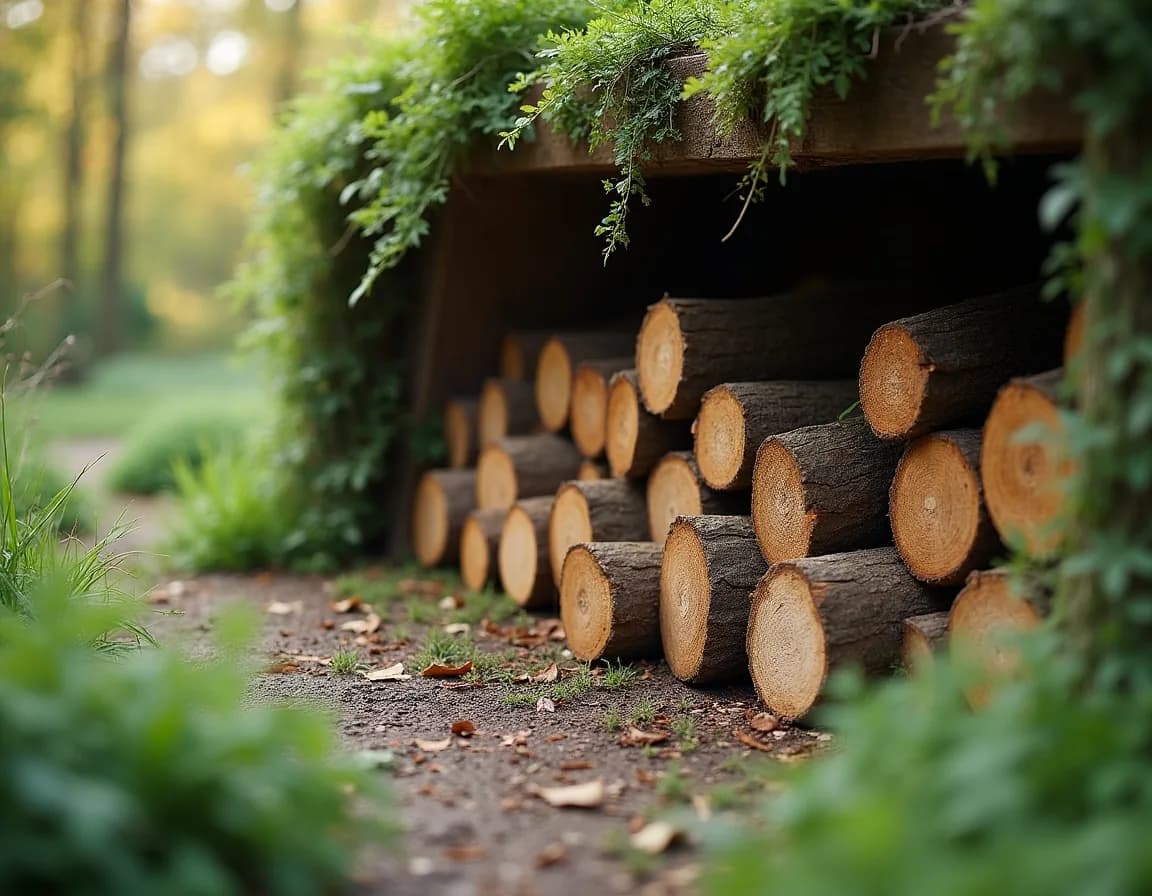
Food without cover does not hold wildlife. Animals need somewhere to hide, nest and get through winter, and the good news is that most of it costs nothing. A perfectly manicured garden is a hungry one: leaving a few corners alone is the cheapest wildlife measure there is.
- A mixed native hedge beats a fence or wall for wildlife: it feeds, shelters and offers nesting sites all at once. Larger plants, especially trees, support the most species.
- A log pile in a shady corner. Use unstained, unpainted logs, ideally large and partly buried. They shelter beetles, centipedes, amphibians and small mammals, and decaying wood brings in stag beetles.
- Long grass. Letting a patch of lawn grow long shelters wood mice, voles and shrews and feeds some butterfly caterpillars.
- Leaf litter and uncut stems. Piles of leaves and twiggy prunings are food and habitat, and the hollow stems of perennials left standing over winter shelter hibernating insects.
- A stone pile or an old compost heap tucked out of the way gives hibernating reptiles and amphibians a home. Compost heaps often shelter slowworms and grass snakes.
- Add nest boxes, bat boxes and bee boxes where natural sites are short, for example a drilled post for solitary bees.
Plant for diversity, cut the chemicals
Variety is what turns a tidy plot into a habitat. A mix of trees, shrubs, climbers and perennials builds layers and mini-habitats, which is what makes a garden valuable for wildlife. Both native and good non-native plants earn their place: the RHS Plants for Bugs research found value in both, so you do not have to grow only wildflowers.
Then put the sprays away. Synthetic pesticides are toxic well beyond the pest you are aiming at, and they knock out the predators that would otherwise keep problems in check. Stop spraying and the balance returns: hedgehogs take slugs, and birds and wasps clear caterpillars and aphids for you. Pick pests off by hand, use barriers, and tolerate a little damage. Our guide to organic pest control covers the alternatives.
Give wildlife a way in and out
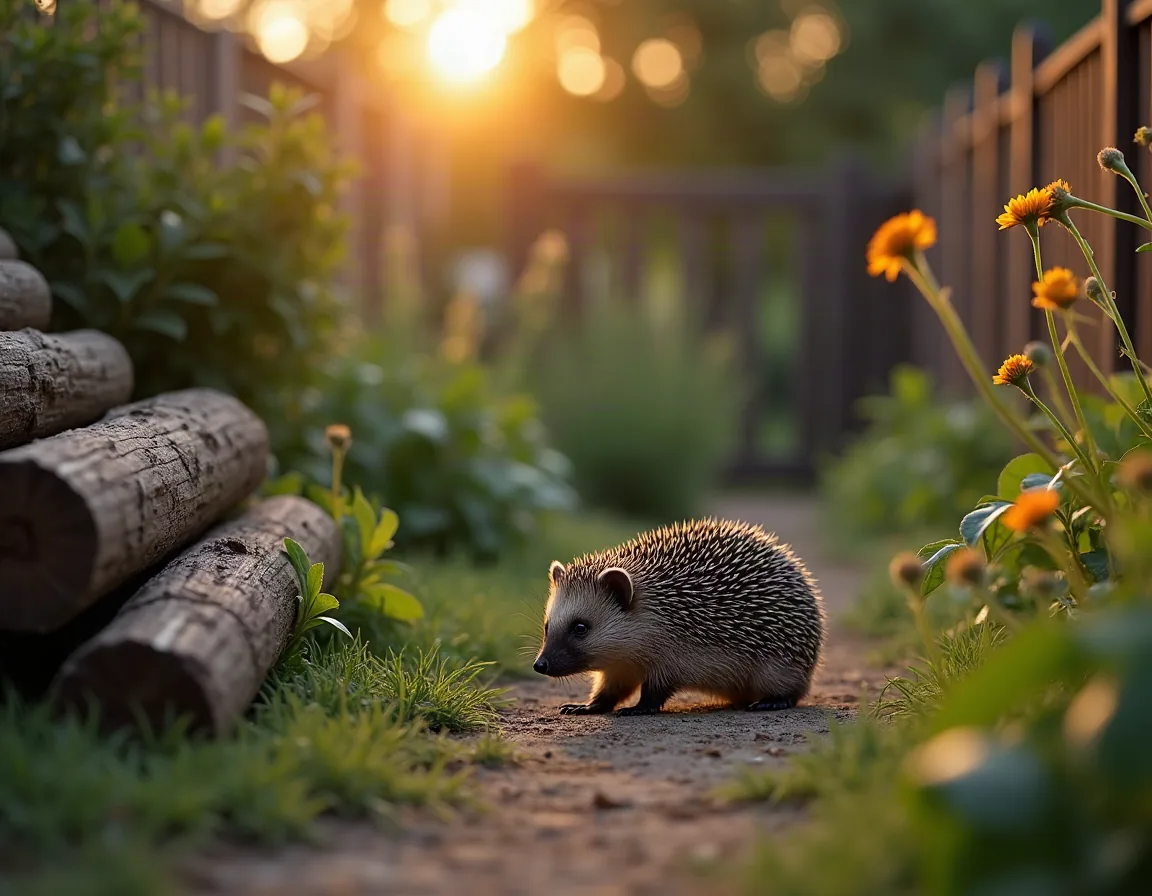
Your garden is one patch in a much bigger network, and ground-level animals need to move between them. A hedgehog, for instance, ranges a long way each night looking for food, mates and nest sites: the Wildlife Trusts put it at around 2km a night. Solid fences and walls block that completely.
The fix is a gap. A hole about 13cm square (13cm by 13cm) at the base of a fence is a "hedgehog highway": big enough for a hedgehog, too small for most pets. Line a few gardens up and you give hedgehogs a run. A native hedge instead of a fence does the same job for far more creatures. For the detail, including how to agree it with neighbours, see our hedgehog-friendly garden guide.
Small changes anyone can make
You do not need to rewild the whole garden. If you only do a handful of things, do these: each one is cheap, quick and genuinely useful.
- Sink a container pond. A watertight pot with a sloping ramp, a stone or two and a native oxygenating plant brings in wildlife within weeks.
- Mow less. Leave one patch of lawn uncut and let the daisies, clover and dandelions flower.
- Stack the prunings. A log or twig pile in a shady corner is instant habitat.
- Stop deadheading everything. Leave seedheads and hollow stems standing over winter for food and shelter.
- Hang up one feeder and keep it clean and topped up, with water nearby.
- Cut one gap in the fence so hedgehogs can pass through.
None of these needs a large garden or much time. Put a few together and you have the start of a wildlife garden. For the planting that ties it all together, start with planting for pollinators.
Frequently asked questions
What is the single best thing I can do for garden wildlife?
Add water. The RHS calls a pond the single easiest way to raise a garden's wildlife value, however tiny it is. Even a sunken container with one sloping side and a few plants brings in frogs, dragonflies and drinking birds within weeks. If you can only do one thing, do that.
Can I make a small garden or a balcony wildlife-friendly?
Yes. A balcony or a tiny yard can still offer food and water. Grow single, nectar-rich flowers in pots across the seasons, keep a shallow dish of clean water, and add a small feeder. On the ground, a container pond, a log pile and a gap in the fence make a real difference in very little space.
Do I have to let my garden get messy?
No. You just leave a few corners alone: a log pile in the shade, one patch of long grass, some standing seedheads over winter. The rest of the garden can be as neat as you like. A little deliberate mess is the cheapest wildlife feature there is, and it need not be the whole plot.
Do I need native plants, or will garden plants do?
Both work. The RHS Plants for Bugs research found value in native and non-native plants alike, so you do not have to grow only wildflowers. What matters more is variety across the seasons and choosing single, open flowers that insects can actually feed from, rather than double or blowsy ones.
How do I help hedgehogs in my garden?
Give them a way through. A hole about 13cm square at the base of a fence, a hedgehog highway, lets them roam between gardens to find food and mates while staying too small for most pets. Add a log pile and some long grass for shelter, stop using slug pellets, and check long grass before mowing. See our hedgehog-friendly garden guide for more.
How we checked this3 sourcesView sourcesHide
Our guides draw on expert bodies like the RHS and Garden Organic, plus experienced growers, read at source. We check every guide against those sources on the date shown, and where advice differs between them, we say so. Garden Plans is published by Limely.
- AuthorityIdeas on attracting wildlife to your garden, Royal Horticultural Society. Checked 26 Oct 2026.
- AuthorityWildlife Gardening Forum, Wildlife Gardening Forum. Checked 22 Oct 2026.
- AuthorityKey features of a wildlife garden, Gardeners' World. Checked 26 Oct 2026.