The short answer
A pond is the single best thing you can add to a garden for wildlife, and you do not need much room. Dig a hole in autumn or spring, make sure at least one side slopes gently so creatures (and children) can get out, line it, and fill it with rainwater, not tap water. Then leave the fish out, as they eat the very wildlife you are trying to attract, plant a few native oxygenators and marginals, and let it colonise on its own. The first insects turn up within days.
Why make a wildlife pond
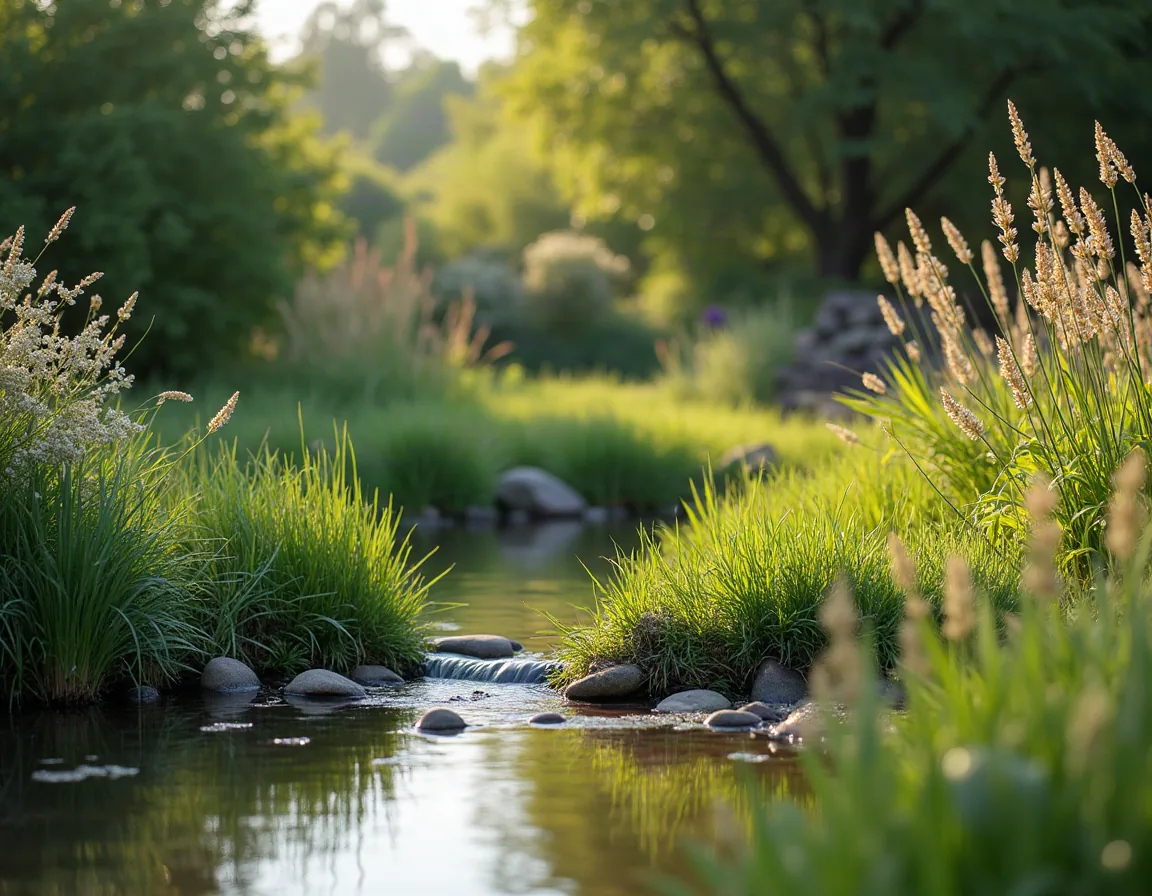
If I could only add one feature to a garden for wildlife, it would be water. A pond does more than a border of nectar plants ever can: it gives frogs, toads and newts somewhere to breed, dragonflies and damselflies a nursery, and birds, hedgehogs and bees somewhere to drink. The RHS is clear that all ponds attract wildlife, and that even a mini pond in a pot gives small creatures a home and a water source.
The larger the pond, the more it will attract, but size is not the barrier people think it is. A washing-up-bowl pond does real work. The things that matter most are a safe way in and out, clean water, native plants and patience, and none of those depends on having a big garden.
| Wildlife pond | |
|---|---|
| Best time to dig | Autumn or winter (spring for a container pond) |
| Best time to plant | Mid-spring to early summer, once the water has warmed |
| Depth | 20 to 60cm (8in to 2ft), varying across the pond; roughly 45 to 60cm in the centre down to 30cm at the edge |
| Position | Part shade with some full sun; away from heavy leaf fall |
| Fill with | Rainwater, not tap water |
| Fish | None in a wildlife pond |
| Must have | At least one gently sloping side or a pebble beach |
Where to put it and how big
Pick a spot that gets some sun but not blazing sun all day. The RHS advice is to keep part of the pond in full sun so the water warms in spring, which brings in spawning frogs and toads, while shade over another part keeps algae down and suits many pond plants and animals. Light, part shade is the sweet spot.
Keep it away from the worst of the leaf fall. A pond sitting directly under a deciduous tree fills with rotting leaves every autumn, which robs the water of oxygen. A little leaf litter is fine, a constant dump of it is not.
For depth, aim for 20 to 60cm (8in to 2ft) and vary it across the pond: roughly 45 to 60cm in the middle so part of it never freezes solid, graduating up to about 30cm near the edge. That range of depths is what gives you room for different plants and different creatures.
Building it, step by step
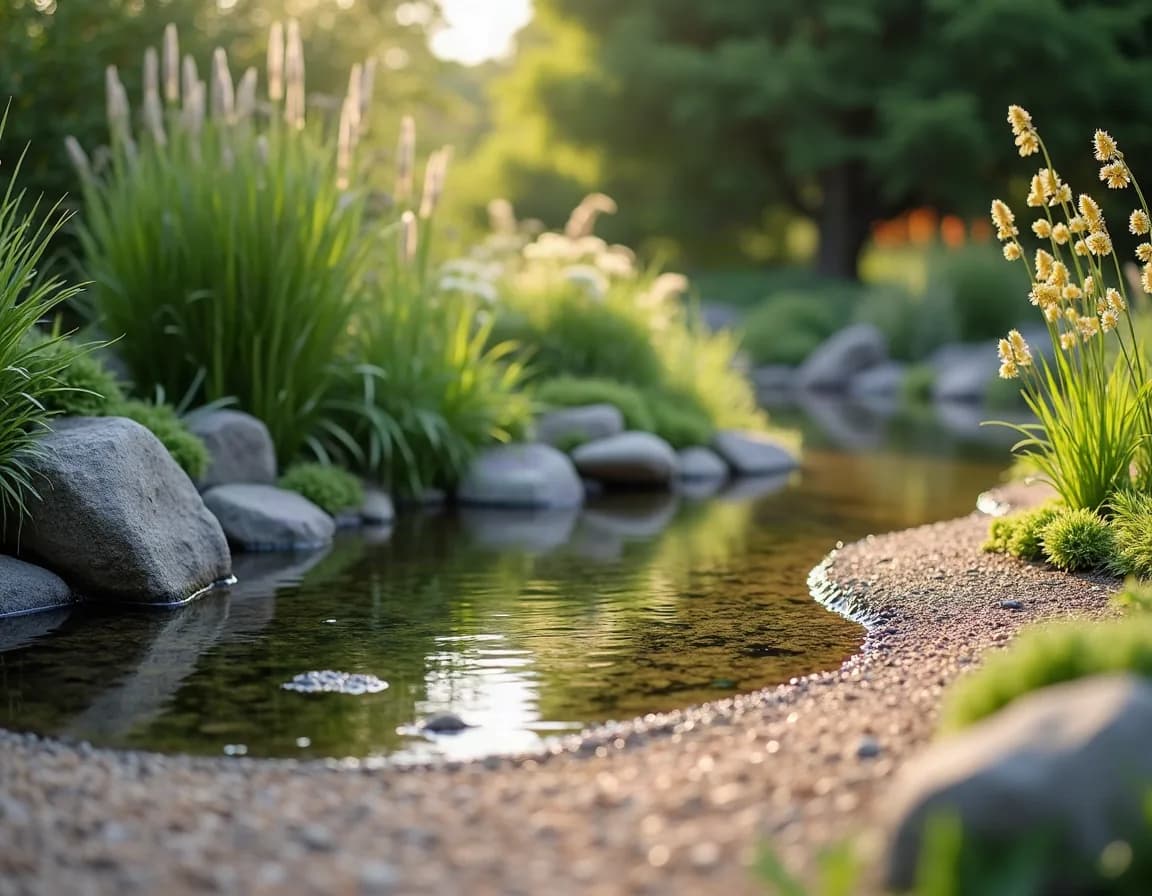
Autumn and winter are the ideal time to dig a new pond, and early spring works too. A butyl liner is the easiest way to get a natural shape. The one rule I would not break: give it at least one long, gently sloping side.
| Step | What to do |
|---|---|
| Mark out and dig | Dig the hole with a deep central zone and a shallow shelf, and make at least one side a long, gentle slope. Aim for about 45 to 60cm deep in the middle, graduating to 30cm near the edge. |
| Line the hole | Lay soft underlay over the whole hole, then drape a butyl liner over the underlay. Butyl is the easiest way to get a natural shape. |
| Hide the liner | Lay more felt underlay over the butyl, then spread a layer of subsoil about 10cm thick over that so plants can root into the mud. |
| Build the exit | Finish the shallow side as a beach of gravel and pebbles, or add a ramp of stones or untreated wood, so wildlife, hedgehogs and anyone who falls in can get out. |
| Fill with rainwater | Fill from a water butt. Tap water carries more nutrients and feeds algae until the plants establish. |
| Plant up, then wait | Add native oxygenators, marginals and a floating plant in mid-spring to early summer, then let the pond colonise on its own. |
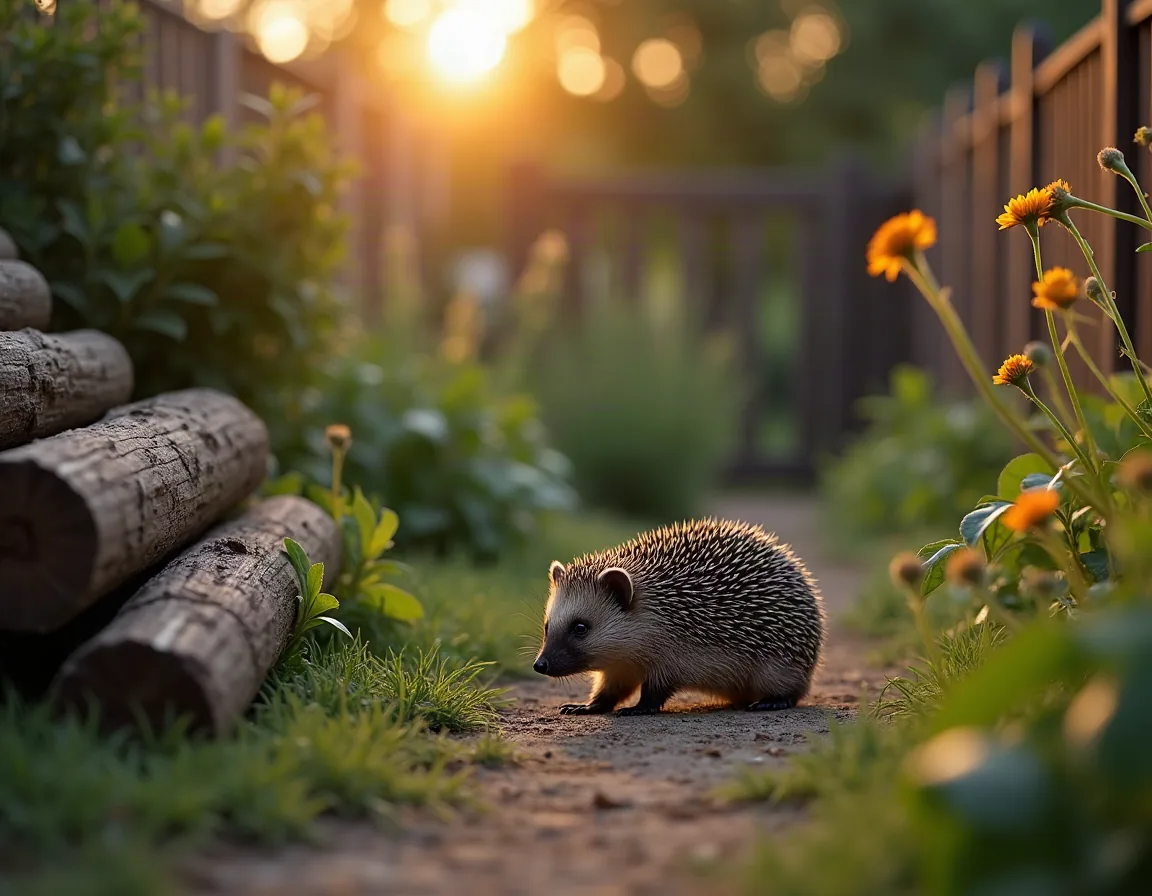
That sloping side is not a nicety. It is how frogs climb out, how a hedgehog that tumbles in gets back out, and how a bee drinks from the shallows without drowning. Finish it as a beach of gravel and pebbles and it becomes a habitat in its own right.
No space for a dug pond? A container works. Use a half-barrel, an old sink or a large tub, add three to five plants, fill it with rainwater, and build a ramp out of it so wildlife can get in and out.
- Vessel: A reclaimed sink, half-barrel or large tub.
- Ramp: A stack of stones, bricks, logs, or a plank of untreated wood covered in chicken wire so frogs can get in and out.
- Water: Rainwater from a water butt.
- Where: Somewhere you can see it, with some sun but not all day.
Child safety and the way out
Beyond the slope, a run of long grass or low planting along one edge gives young frogs and toads cover as they leave the water, and lets you watch the pond without looming over it. A small section of decking over one corner is good for pond-dipping with supervision.
Fill it with rainwater, and leave the fish out
Fill the pond with rainwater from a water buttwherever you can. The RHS treats tap water as a last resort: it carries far more nutrients than rainwater, and those nutrients feed algae and blanketweed until your plants have grown enough to outcompete them. If you must top up from the tap in a drought, do it a little at a time.
And keep fish out of a wildlife pond. This is the mistake I see most often. Fish are top predators in a small pond: they eat tadpoles, insect larvae and much of the wildlife you dug the pond for, and they stir up and add nutrients that drive algae. A pond for wildlife and a pond for fish are two different things, and you cannot have both in one small body of water.
Planting with natives
Plant in mid-spring to early summer, once the water has warmed and plants are starting into growth. You want a mix of four roles: oxygenators under the surface, marginals in the shallows, something tall-stemmed for dragonfly larvae to climb out on, and a floating plant for shade and cover. Stick to native and well-behaved species.
| Role | Plants to use |
|---|---|
| Oxygenators (underwater cover for tadpoles and larvae) | Hornwort (Ceratophyllum demersum), water starwort (Callitriche) |
| Marginals (shallow edge, cover and pollen) | Marsh marigold (Caltha palustris), lesser spearwort (Ranunculus flammula), brooklime, water forget-me-not (Myosotis scorpioides), yellow flag iris (Iris pseudacorus), flowering rush (Butomus umbellatus) |
| Tall-stemmed (so dragonfly and damselfly larvae can climb out) | Water iris |
| Floating (resting stations and shade) | Waterlily (Nymphaea), water hawthorn (Aponogeton distachyos) |
Do not overplant. A small pond that is two-thirds open water looks and works better than one choked with growth. For the planting around the pond and the wider garden, see how to make a wildlife garden and planting for pollinators.
What not to do
Three things will undo a good wildlife pond, and all three are easy to avoid.
- Do not add fish. They eat the wildlife and feed the algae. If you want fish, build a separate ornamental pond.
- Do not fill it with tap water. Use rainwater. Tap water's nutrients give you a green pond for the first season.
- Do not import frogspawn, pond water or sediment from a friend's pond or the wild. The RHS warns this spreads diseases and invasive species. Leave the pond to colonise itself.
You will not have to wait long. Pond skaters and diving beetles can arrive within a few days or weeks, and damselflies and amphibians could easily be on the scene within the first year. The best thing you can do after planting is very little.
Frequently asked questions
Do I need a sloping side on a wildlife pond?
Yes, and it is the most important feature. At least one long, gently sloping side, ideally finished as a pebble beach, lets frogs, hedgehogs and bees get in and out safely, and gives a child who slips in a shallow edge to climb out on. Never ring the whole pond with a vertical drop, and supervise children around any open water.
Can I use tap water to fill a wildlife pond?
Use rainwater from a water butt if you possibly can. The RHS treats tap water as a last resort because it carries more nutrients than rainwater, which feed algae and blanketweed until the plants establish. If you must top up from the tap in a drought, do it slowly and a little at a time.
Should I put fish in a wildlife pond?
No. Fish are top predators in a small pond and eat tadpoles, insect larvae and other wildlife, and they raise nutrient levels that encourage algae. A wildlife pond and a fish pond are different things. If you want fish, build a separate ornamental pond.
Can I add frogspawn to get frogs faster?
No, leave it to colonise naturally. Moving frogspawn, pond water or sediment from another pond can introduce diseases and invasive species, which the RHS warns against. Frogs and other wildlife will find a new pond on their own, often within the first year.
When is the best time to make a wildlife pond?
Autumn and winter are ideal for digging a lined pond, and early spring works too. Spring is best for a container pond. Either way, plant it up in mid-spring to early summer once the water has warmed and plants are starting into growth.
How we checked this2 sourcesView sourcesHide
Our guides draw on expert bodies like the RHS and Garden Organic, plus experienced growers, read at source. We check every guide against those sources on the date shown, and where advice differs between them, we say so. Garden Plans is published by Limely.
- AuthorityWildlife ponds: how to make them, Royal Horticultural Society. Checked 26 Oct 2026.
- AuthorityHow to make a wildlife pond, Gardeners' World. Checked 26 Oct 2026.