The short answer
Pollinators need food in every season, not just high summer. The trick is to plan for the two lean windows when most gardens go quiet: late winter into early spring, when queen bumblebees wake as early as February, and late autumn into winter, when insects are fattening up and mild-day foragers still fly. Fill those gaps with snowdrops, crocus, winter heather, mahonia, sweet box and ivy, keep summer well stocked, and always pick single, open flowers over doubles. This is the calendar companion to our guide to planting for pollinators.
Why the forage gaps are the whole problem
Most pollinator advice tells you to plant for bees, and it is right. But a garden can be full of flowers in June and still let its insects go hungry, because the hard part is not summer. It is the shoulders of the year, when little is in bloom but insects are still flying.
Our guide to planting for pollinators covers which plants to grow and why: single flowers, planting in groups, no pesticides. This guide is the calendar. It takes the year month by month and shows you where the forage runs thin, so you can deliberately plug the gaps rather than hope your border happens to cover them.
The pollinator year at a glance
Here is the whole year split into forage windows. Aim to have at least a couple of things flowering in each row, and treat the two marked as lean windows as the ones to get right first.
| Season | Months | Reliable plants | Who is flying |
|---|---|---|---|
| Late winter / early spring (lean window) | February to March | Snowdrop, crocus, winter-flowering heather (Erica), hellebores, lungwort (Pulmonaria), willow catkins | Queen bumblebees emerging from hibernation, the first solitary bees; crocus and heather are especially useful to them |
| Spring | March to May | Fruit and cherry blossom (single-flowered Prunus), flowering currant, primrose, aubrieta, grape hyacinth (Muscari) | Mason and mining bees, early bumblebee workers, the hairy-footed flower bee, first butterflies |
| Summer | June to August | Lavender, catmint (Nepeta), hardy geranium, foxglove, borage, single-flowered roses, honeysuckle, bellflower (Campanula) | The widest range: bumblebees, honeybees, solitary bees, butterflies, moths and hoverflies at their peak |
| Late summer / autumn (lean window) | September to October | Michaelmas daisy (aster), sedum / ice plant (Hylotelephium), coneflower (Echinacea), Verbena bonariensis, single-flowered dahlias, ivy flowers | Late bees, butterflies and hoverflies fattening up for winter; ivy flowers are busy with late bees, flies and wasps |
| Winter | November to January | Mahonia, sweet box (Sarcococca), winter honeysuckle (Lonicera x purpusii), strawberry tree (Arbutus), early snowdrops and crocus | Buff-tailed bumblebees active on mild days, the occasional honeybee foraging when it is warm enough to fly |
Closing the first gap: late winter into early spring
This is the gap most gardens miss. Queen bumblebees come out of hibernation as early as February, and the first solitary bees and butterflies are on the wing from March. They are hungry, tired, and there is often nothing for them. A handful of early flowers makes a real difference to whether a queen survives to found a nest.
- Early bulbs. Snowdrops and crocus flower in February and March, and crocus in particular is adored by bumblebees. Plant them in autumn in drifts, where the low sun can open the flowers.
- Winter-flowering heather. Erica carnea flowers from late winter into spring and is one of the most useful early sources for bumblebees and honeybees. It tolerates some lime, unlike summer heather.
- Hellebores and lungwort. Both flower early in light shade. Lungwort (Pulmonaria) in particular draws in the hairy-footed flower bee.
- Willow catkins. Willow (Salix) gives early pollen in quantity for queen bumblebees, and you can coppice it to keep it small in a modest garden.
As spring gets going, fruit and cherry blossom, flowering currant, primrose and aubrieta take over, and the pressure eases. The job in February and March is simply to have something out.
The easy season: keeping summer well stocked
Summer is when forage is easiest and the choice widest, so the task here is variety and succession rather than rescue. Overlap a few long-flowering plants and you will feed the full range of bees, butterflies, moths and hoverflies from June to August.
- Lavender and catmint are magnets through the whole of summer. Cut catmint back after its first flush and it flowers again.
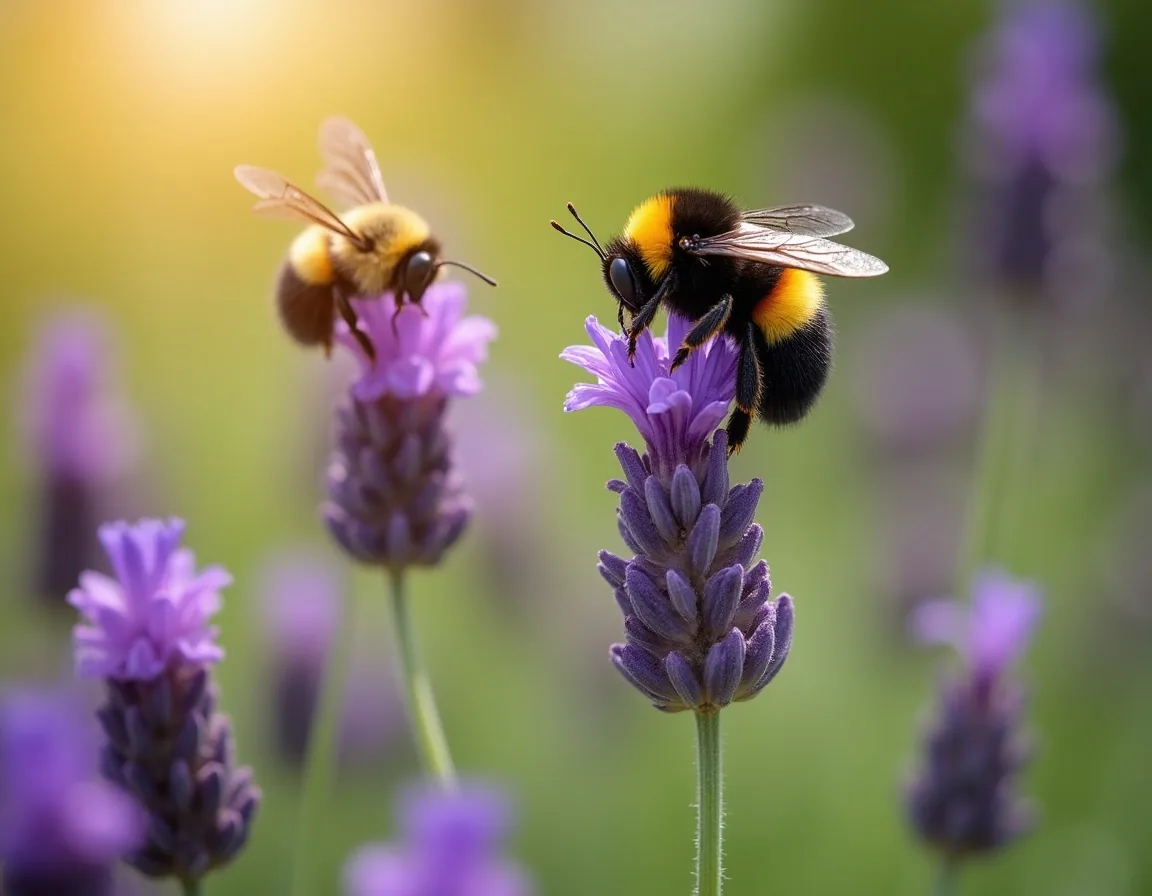
- Borage is one of the best bee plants of all: its flowers refill with nectar roughly every two minutes, so bees return to it again and again from June to September.
- Foxgloves and hardy geraniums suit the long tongues of bumblebees, and both are happy in a little shade.
- Single-flowered roses, honeysuckle and bellflowers round out the border; let lawn clover and dandelions flower too.
Closing the second gap: late autumn into winter
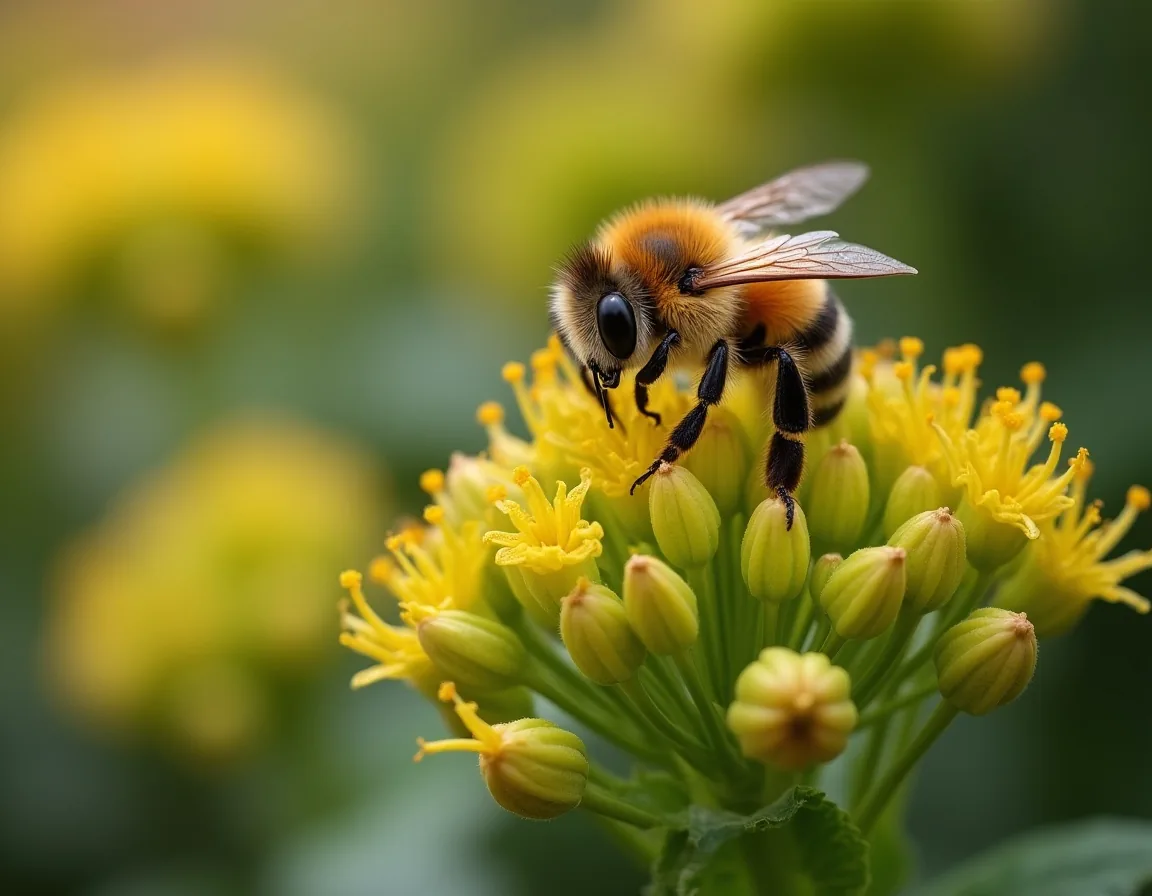
The second lean window opens in late autumn. Insects need to lay down fat reserves before winter, and on mild days buff-tailed bumblebees and the odd honeybee keep flying right through it, yet most borders are over. This is where a few deliberate choices earn their place.
- Ivy. Mature ivy is one of the very last nectar sources of the year, and its autumn flowers are busy with late bees, butterflies, flies and wasps. Let it flower up a wall, fence or old tree rather than clipping it off.
- Mahonia. Its scented yellow flowers run from late autumn into winter and are an invaluable source of pollen and nectar for winter-active bumblebees and honeybees when little else is out.
- Sweet box and winter honeysuckle. Sarcococca and Lonicera x purpusii are small, tough, heavily scented winter shrubs that feed mild-day foragers and perfume a doorway at the same time.
- Early open flowers. Michaelmas daisies, sedums, coneflowers and single dahlias carry you into the autumn gap, and the first snowdrops and crocus meet you on the far side of winter.
Get ivy and mahonia into the garden and you have covered the two months most gardens neglect entirely.
The rule that applies in every season
Whatever month you are planting for, one choice matters more than any other, so it is worth stating plainly before you buy anything.
For the full plant list, grouping, pesticides and shelter, read our companion guide to planting for pollinators. To turn all this into a real garden, there is more on habitat in our wildlife garden guide and how to make a wildlife pond, and you can line the planting up with your gardening jobs by season so the early bulbs and winter shrubs actually go in on time.
Frequently asked questions
When do pollinators most need food in the UK?
In the two lean windows at either end of the year. Late winter into early spring is hardest: queen bumblebees emerge as early as February and the first solitary bees fly in March, but little is in flower. Late autumn into winter is the other pinch point, when insects fatten up for winter and mild-day foragers still fly. Summer looks after itself.
What should I plant for bees in winter?
Mahonia, sweet box (Sarcococca), winter honeysuckle (Lonicera x purpusii) and the strawberry tree (Arbutus) all flower in winter and feed buff-tailed bumblebees active on mild days. Add early snowdrops and crocus for the turn into spring. These are the plants that carry pollinators through the month most gardens have nothing out.
Why is ivy so important for pollinators?
Ivy flowers in autumn when almost nothing else does, so it is one of the very last big nectar and pollen sources of the year. Its flowers are busy with late bees, butterflies, flies and wasps stocking up before winter. Let a mature plant flower up a wall or tree rather than clipping it, and you fill the autumn gap at a stroke.
Do I really need flowers in late winter and early spring?
Yes, and this is the gap most gardens miss. A queen bumblebee waking in February has used up her reserves and needs to feed before she can found a nest. A few early flowers such as crocus, winter heather, hellebores and lungwort can be the difference between her surviving and not. It is the highest-value forage you can provide.
Does this repeat the plant-for-pollinators guide?
No. The plant-for-pollinators guide covers which plants to grow and the principles behind them: single flowers, planting in groups, skipping pesticides and leaving shelter. This guide is the calendar companion to it, organised by season and focused on closing the forage gaps across the year, especially the lean late-winter and late-autumn windows.
How we checked this3 sourcesView sourcesHide
Our guides draw on expert bodies like the RHS and Garden Organic, plus experienced growers, read at source. We check every guide against those sources on the date shown, and where advice differs between them, we say so. Garden Plans is published by Limely.
- AuthorityPlants for Pollinators, Royal Horticultural Society. Checked 22 Oct 2026.
- AuthorityGrow a year-round bee buffet, Royal Horticultural Society. Checked 22 Oct 2026.
- AuthorityNectar and pollen throughout the year, Gardeners' World. Checked 26 Oct 2026.