The short answer
You will never clear slugs and snails from a garden, and the RHS now says you should not try, because they recycle dead plant matter and feed birds, frogs and hedgehogs. So protect the few plants that are genuinely at risk, mainly soft seedlings, and leave the rest alone. The methods that actually work are encouraging predators, picking slugs off by hand at night, and watering in the morning, with nematodes as a stronger option. Skip the pellets: metaldehyde is banned outdoors, and the RHS advises against even the organic ones.
Slugs and snails at a glance
Here is the shift worth making first. The RHS has stopped treating slugs and snails as pests to be destroyed and now describes them as part of a garden's biodiversity. They break down dead leaves and matter, and they are a food source for birds, beetles, frogs and reptiles. Of the UK's 44-plus slugs and 90-plus snails, only a handful do real damage, so the job is to protect vulnerable plants, not to win a war you cannot win.
| Slugs and snails | |
|---|---|
| What they are | Part of garden biodiversity, not simply pests; they recycle dead plant matter and feed birds, beetles and reptiles |
| UK species | Over 44 slugs and 90 snails, but only a few do real damage |
| Most at risk | Young seedlings and soft new growth (hostas, lettuce, delphiniums, dahlias) |
| Best approach | Protect vulnerable plants only; tolerate the rest |
| What the RHS avoids | Slug pellets of any kind, including ferric phosphate |
| Nematode window | Soil 5 to 20C, spring to early autumn |
Why I tolerate most of them
Most of a garden is not under threat from slugs and snails. They go for soft, young growth: seedlings, lettuces, hostas, delphiniums and dahlia shoots. A mature shrub, a lawn, a bed of tough perennials, all of this they largely ignore. If you accept that, the problem shrinks to a few weeks in spring and a few named plants, and you can deal with those specifically instead of blanketing the whole garden.
The practical version of this is simple. Grow your vulnerable plants on in pots and plant them out only once they are sturdy, at about six to eight leaves. By then the leaves have toughened with lignin and slugs find them far less tempting. It also helps to choose plants that slugs leave alone in the first place: woody plants and those with thick or waxy leaves. The RHS lists more than 40 resistant herbaceous plants, including Acanthus, Eryngium, Euphorbia and Fuchsia.
Build a garden that eats its own slugs
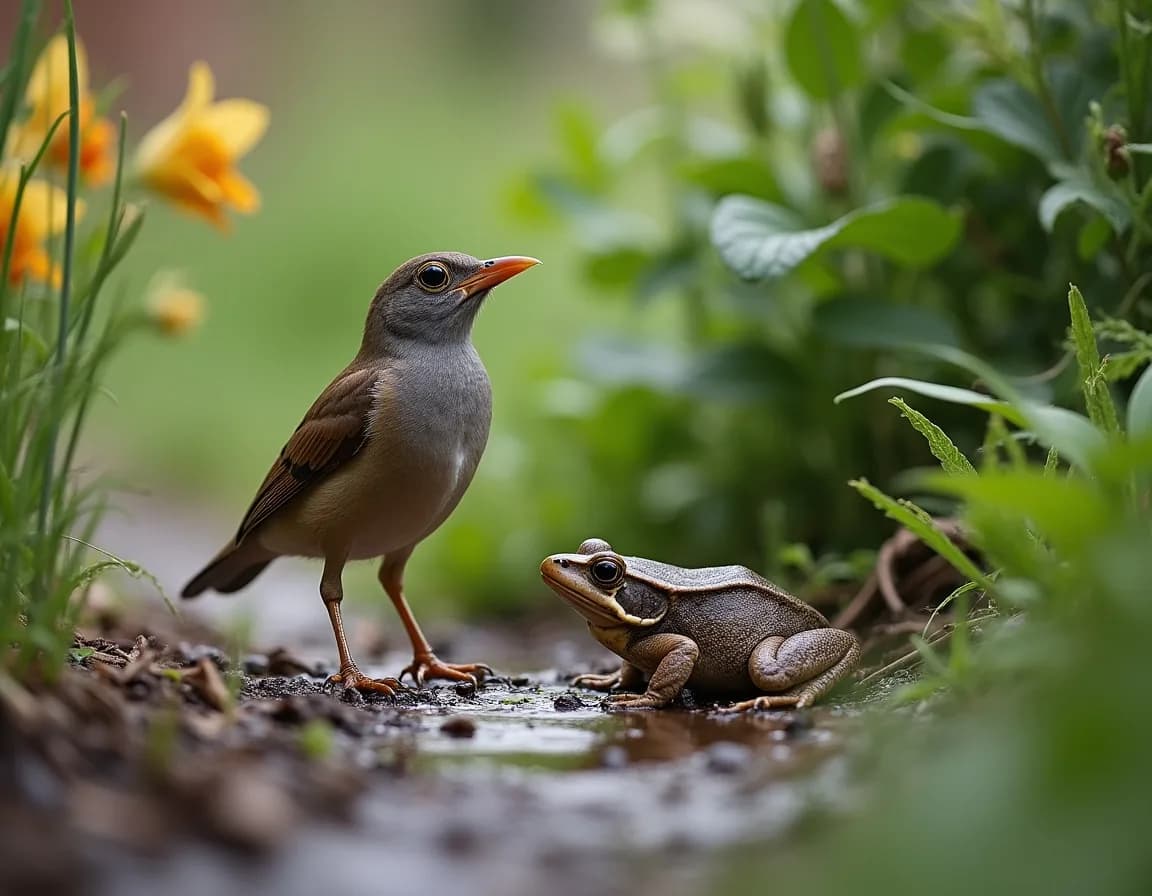
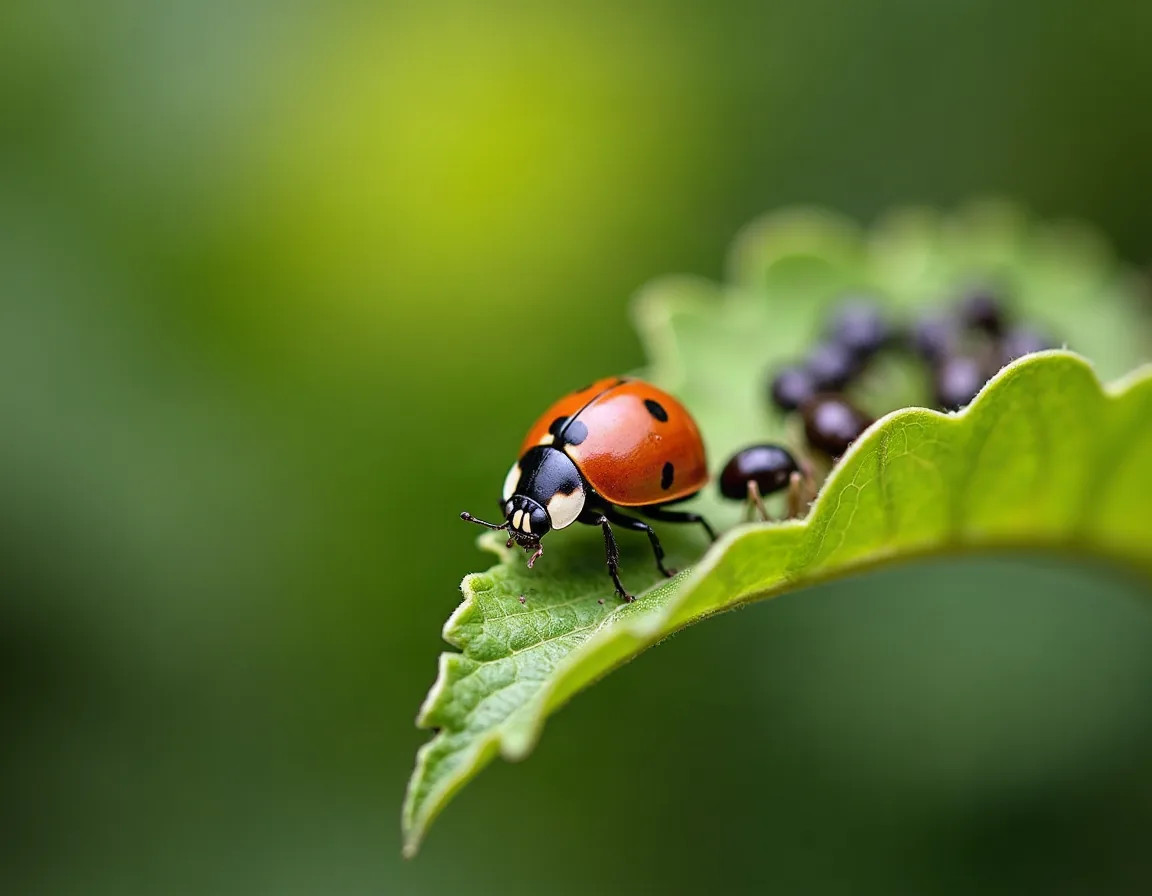
The most durable control is the one you barely see working. Birds, frogs, toads, hedgehogs, slowworms and ground beetles all eat slugs and snails, and a garden set up to welcome them keeps numbers down on its own. This is slow to establish and then it quietly does the job every night for years.
- Add water. A pond, even a small one, brings in frogs and toads, and Garden Organic rates it as the single change that makes the biggest difference.
- Leave cover for ground beetles. Log piles, leaf litter and undisturbed edges shelter the beetles that hunt slug eggs and young slugs in the soil.
- Feed the birds and leave gaps for hedgehogs. Nest boxes, a scruffy corner and a hedgehog-sized hole in the fence all help.
- Drop the sprays. Chemical controls knock out the predators as well, which leaves you with more slugs, not fewer.
What actually works, ranked
Here is my order of what to reach for, from the methods that pay off most to the ones that mostly waste an afternoon. The barriers come last for a reason: a recent RHS field study found no reduction in slug damage from copper tape, bark mulch, eggshells, sharp grit or wool pellets. They are the classic advice, and the evidence does not back them.
| Method | How it works | How effective |
|---|---|---|
| Encourage predators | Make the garden friendly to birds, frogs, toads, hedgehogs, slowworms and ground beetles; a pond helps most | High over time; the slowest to set up but the most durable |
| Protect seedlings only | Raise plants in pots and plant out when sturdy (six to eight leaves), by which point tougher leaves put slugs off | High; targets the brief window when plants are actually vulnerable |
| Hand-picking at night | Torchlight searches on mild, damp evenings; drop what you find into a bucket | High for a small plot if done regularly for a week or two |
| Trap boards | Lay a flat slate or board near plants and lift it each day to collect the slugs and snails sheltering beneath | Good as a daily top-up to hand-picking |
| Nematodes (Phasmarhabditis hermaphrodita) | A microscopic worm watered into moist, warm soil; it infects slugs with a fatal disease | Good on slugs for up to six weeks; does not work on snails and kills beneficial slugs too |
| Water in the morning | Water early so the soil surface is drier by nightfall, when slugs and snails are on the move | Modest, but free and worth doing |
| Beer traps | Jars part-filled with beer sunk into the soil by vulnerable plants, emptied every morning | Catches some; needs constant topping up and emptying |
| Barriers (copper, grit, eggshells, wool) | Rings or tapes meant to deter slugs from crossing to a plant | Low; an RHS field study found no reduction in damage from copper tape, bark, eggshells, grit or wool |
When to use nematodes
Nematodes are the strongest organic option and the one I turn to when seedlings are being shredded faster than I can hand-pick. The product (sold as Nemaslug) is a microscopic worm, Phasmarhabditis hermaphrodita, that you water into the soil. It enters slugs and infects them with a fatal disease, giving control for up to six weeks.
It only works within limits. The soil needs to be warm and moist, between 5 to 20C (41 to 68F), so it is a spring to early autumn treatment. Apply it in the evening to moist, well-drained soil and keep the ground damp for two to three weeks afterwards so the nematodes survive. Two applications, in spring and late summer, cover the worst of the damage.
Two honest caveats. Nematodes treat all slugs, including the beneficial ones that stick to dead matter, and they do almost nothing to snails, which rarely touch the soil-dwelling worms. Use them as a targeted rescue on the beds that matter, not as a routine blanket over the whole garden.
What about slug pellets?
Pellets based on ferric phosphate are still legal to sell and are often labelled organic. Even so, the RHS now advises against slug pellets of any kind, because the organic ones have also been shown to have negative effects on garden wildlife. That is why this guide is built around biology and barriers rather than bait. If predators, seedling protection and the odd torchlight patrol are doing the work, you do not need pellets at all.
Slugs and snails are one of several problems that are easier to live with than to fight. For the wider picture, see common plant problems, and for the full wildlife-friendly toolkit across every pest, see organic pest control. If it is the roots of your pot plants collapsing rather than the leaves being eaten, that is more likely vine weevil. And if you are planning where vulnerable crops go in the first place, start with planning a vegetable garden.
Frequently asked questions
What is the best organic way to kill slugs?
There is no single silver bullet, and the RHS advises you not to try to wipe them out. The methods that work best are encouraging predators like frogs, hedgehogs and ground beetles, protecting soft seedlings until they toughen up, and picking slugs off by hand at night with a torch. If damage is heavy, water nematodes into warm, moist soil in spring or late summer.
Are slug pellets banned in the UK?
Metaldehyde slug pellets have been banned for outdoor use across Great Britain since 31 March 2022, because they poison birds, hedgehogs and other wildlife. Ferric phosphate pellets, often sold as organic, are still legal, but the RHS advises against slug pellets of any kind as even the organic ones harm garden wildlife.
Does copper tape actually stop slugs?
Not reliably. Some lab studies found copper can repel slugs, but a recent RHS field study found no reduction in slug damage from copper tape, bark mulch, eggshells, sharp grit or wool pellets. Spend the effort on predators, seedling protection and night-time hand-picking instead.
Do nematodes work on snails?
No. The slug nematode Phasmarhabditis hermaphrodita lives in the soil and infects slugs, but snails rarely come into contact with it, so it has little effect on them. It also treats beneficial slugs as well as pest ones, so use it as a targeted rescue on vulnerable beds rather than everywhere.
Should I get rid of all the slugs in my garden?
No. Most slugs and snails feed on dead and decaying matter and are a food source for birds, frogs and hedgehogs, so the RHS now treats them as part of a healthy garden. Only a few species damage living plants, and only soft young growth is really at risk. Protect the vulnerable plants and leave the rest.
How we checked this2 sourcesView sourcesHide
Our guides draw on expert bodies like the RHS and Garden Organic, plus experienced growers, read at source. We check every guide against those sources on the date shown, and where advice differs between them, we say so. Garden Plans is published by Limely.
- AuthoritySlugs and snails, Royal Horticultural Society. Checked 26 Oct 2026.
- AuthoritySlugs and snails, Garden Organic. Checked 26 Oct 2026.