The short answer
Some companion planting works and a lot of it is folklore, so it pays to know the difference. The ideas with real support are physical and ecological: flowers that pull in pollinators and aphid-eating hoverflies, trap plants that soak up pests, ground cover that hides a crop from an egg-laying fly, and clever use of space like the three sisters. The famous claims, that carrots love tomatoes, that marigolds repel everything, or that one plant improves the flavour of another, are mostly tradition with no evidence behind them. The RHS is clear that most pairings have never been proven in rigorous trials, so use companion planting as a low-risk extra, not as a substitute for good soil, crop rotation and mesh.
What companion planting claims to do
Companion planting is the idea that growing certain plants together helps one or both of them: fewer pests, more pollinators, better growth, even better flavour. It is one of the most repeated ideas in gardening, passed down through books, blogs and charts of "good" and "bad" neighbours.
The problem is that most of those charts mix a few genuinely useful techniques with a great deal of folklore, and present both with the same confidence. I think it is worth being honest about which is which, because planting to a myth wastes your space and your time, and can give you false confidence against a pest that needs a proper barrier instead.
The RHS groups the sensible uses into three: cropping to use space efficiently, planting to deter pests and diseases, and planting to provide mutual support. That is a useful frame, so long as we are clear how much evidence sits behind each claim.
Does the evidence actually back it up?
For most pairings, no. This is the part the charts never tell you. The RHS position is that while many benefits are claimed, "it is likely that all of these benefits do exist, but not for every crop in every instance", and that most companion-planting advice in books and the popular press is not backed by rigorous scientific trials. Where researchers have tested combinations, the results are mixed.
So the honest reading is this. A small number of techniques have a clear physical or ecological mechanism and some evidence behind them. Everything else, including most scent-based "repelling" and "improves the flavour" claims, is traditional and unproven. The RHS sums it up fairly: whether to spend time and space on companions "in the hope of helpful results is a matter of personal choice". Low risk, sometimes helpful, rarely the dramatic fix the charts promise.
What has real support

These are the companion-planting ideas with a mechanism you can actually point to, and at least some evidence. Notice that none of them rely on a mysterious scent or on one plant "liking" another. They work because of insects, physical space or camouflage.
| Technique | Why it works | Evidence |
|---|---|---|
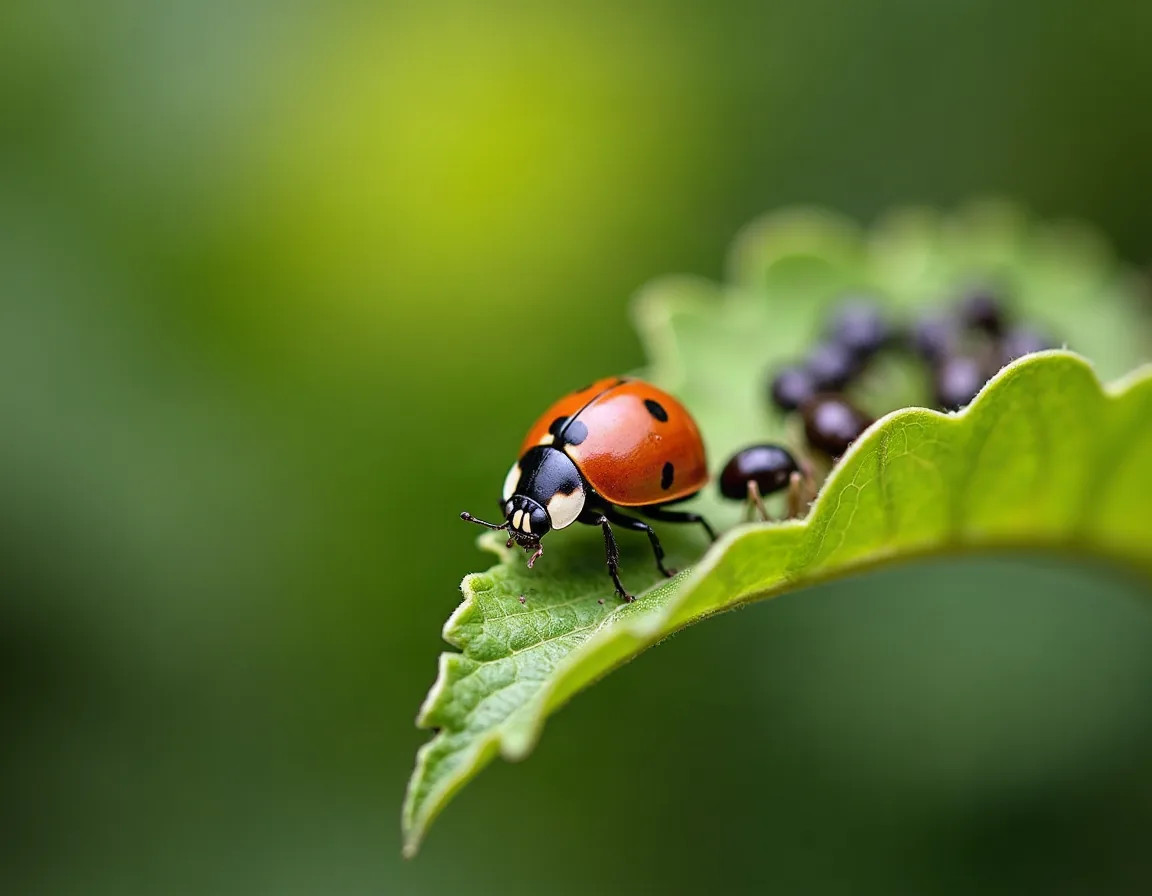
| Flowers to attract predatory insects | Flat, open flowers (alyssum, poached egg plant, umbellifers) draw in hoverflies, ladybirds and lacewings, whose larvae eat aphids | Supported: RHS found alyssum with lettuce reduced aphids |
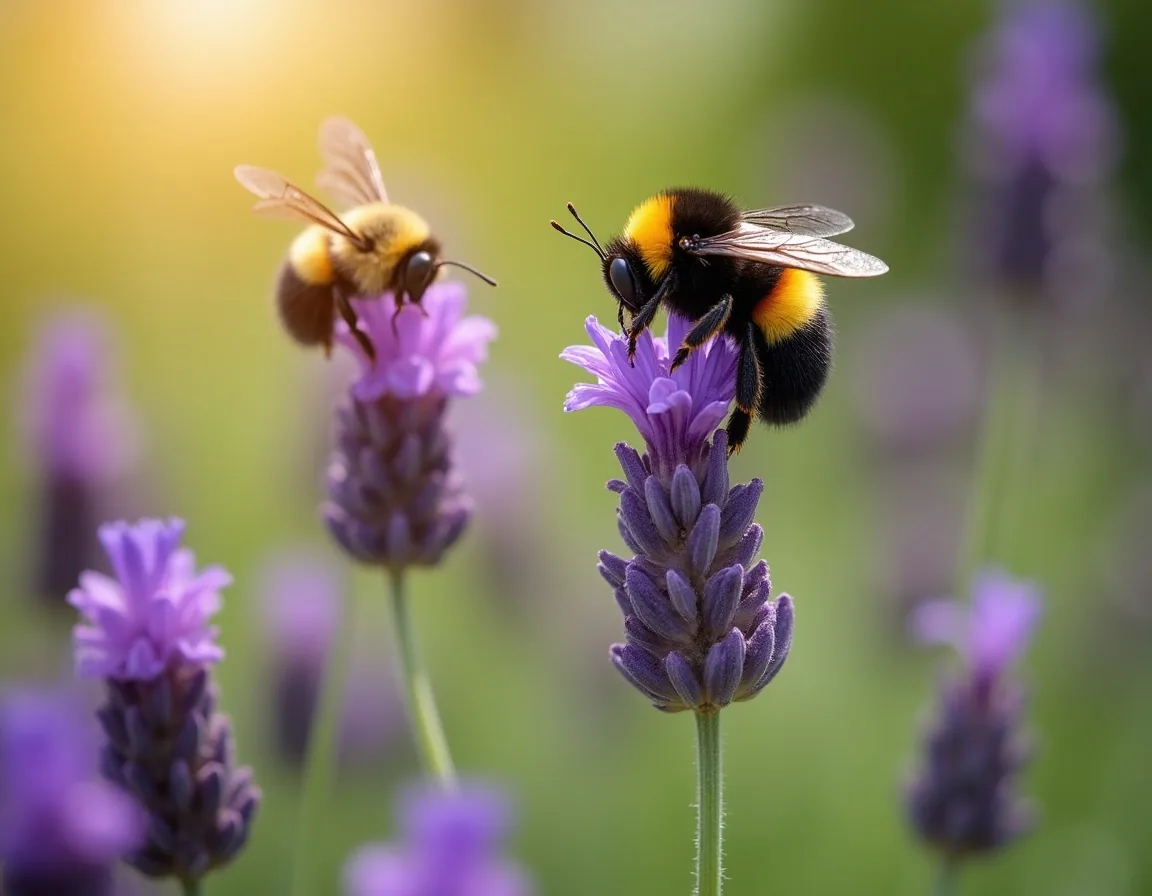
| Flowers to attract pollinators | More bees and hoverflies visiting the patch means better fruit set on bean, courgette and tomato flowers | Sound mechanism; widely observed |
| Trap or sacrificial cropping | A plant pests prefer (nasturtiums for aphids and cabbage whites) is grown to pull them off the main crop | Plausible and used in practice; effect varies by season |
| Ground cover to confuse pests | Low clover or trefoil around brassicas hides the bare soil and plant outline, so cabbage root fly, which hunts by sight, struggles to land | Supported: physical camouflage, not scent |
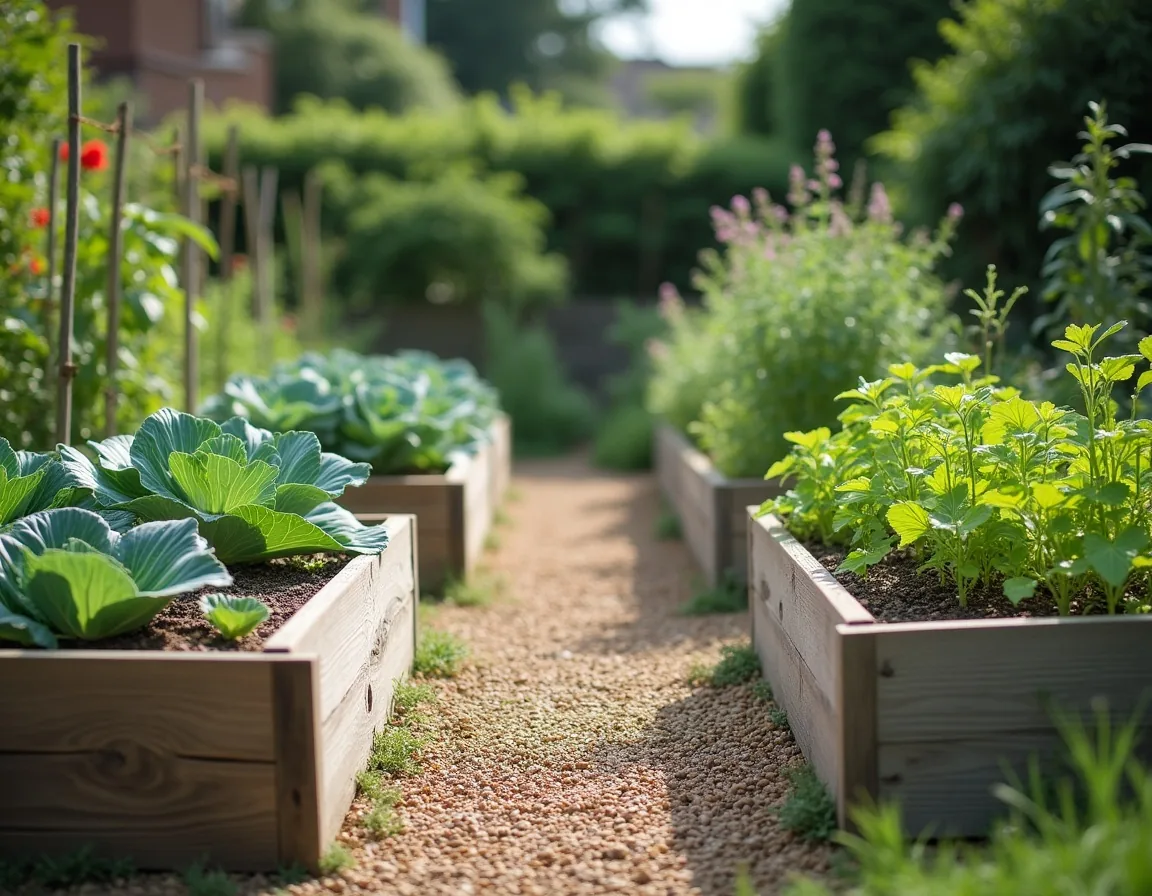
| Intercropping for space | Fast crops (radish, lettuce) between slow ones (sweetcorn, Brussels sprouts); deep-rooted carrots beside shallow onions get two crops from one bed | Reliable: purely physical use of space |
| Tall plants for support and shade | The 'three sisters' (sweetcorn, climbing beans, squash): corn supports the beans, squash covers the soil to suppress weeds and hold moisture | Reliable: a structure and space technique, not chemical |
| French marigolds and greenhouse whitefly | Scent compounds (limonene) in the foliage seem to deter whitefly from tomatoes under glass | Some evidence under glass, but RHS found tomatoes alone gave a similar effect, so not clear-cut |
The thread running through the useful ones is that they attract beneficial insects, use space well, or physically get between a pest and its target. If you want the detail on the insect side, which flowers bring in which helpers, see planting for pollinators, and for trap crops and barriers see organic pest control.
Popular but unproven
These are the claims I would not plant around. They are repeated everywhere, but when tested they either do not hold up or have never been tested at all. That does not mean the plants are bad neighbours, it means you should not rely on the supposed benefit.
- That carrots and tomatoes, or onions and carrots, protect each other: onion or garlic scent 'masking' carrot fly is traditional, not verified. Mesh is the reliable carrot-fly control.
- That French marigolds repel all pests from all crops everywhere outdoors: any real effect was specific (whitefly, under glass) and even then not clear-cut.
- That a companion 'improves the flavour' of its neighbour (such as basil sweetening tomatoes): no credible evidence. They simply enjoy the same conditions.
- That garlic planted among roses or strawberries repels aphids, or that coriander protects basil and parsley by scent: traditional, not verified by trials.
- Fixed 'good neighbour / bad neighbour' charts that pair or forbid specific vegetables with confident precision: mostly unsupported folklore repeated between blogs. Treat them as suggestions, not rules.
The marigold case is a good warning. There is a little evidence that French marigolds deter whitefly from tomatoes under glass, but when the RHS looked into it, interplanting tomatoes with more tomatoes gave a similar effect. So even the one scent claim with some support is not clear-cut, and it certainly does not mean marigolds repel every pest from every crop outdoors.
How to use the ideas that actually work
Here is how I would put the useful half into practice, without pretending the folklore matters.
- Edge your beds with flowers for the insects. Alyssum, poached egg plant (Limnanthes douglasii) and other flat, open flowers bring in hoverflies, ladybirds and lacewings, whose larvae eat aphids, and pull in bees to set your bean and courgette flowers.
- Use a trap crop where a pest is predictable. Nasturtiums near beans and brassicas draw aphids and cabbage white caterpillars onto themselves. Check and squash, or pull the worst leaves, so the trap does not just breed more pests.
- Cover bare soil around brassicas. A low living mulch of clover or trefoil hides the plant's outline from cabbage root fly, which hunts by sight.
- Stack crops in space, not in myth. Slot radish and lettuce between slow sweetcorn or sprouts, or try the three sisters (sweetcorn, climbing beans, squash) so each plant earns its room.
- Keep doing the basics. Companion planting does not replace right plant, right place, crop rotation and mesh. For a pest that can ruin a crop, reach for the barrier first: see common plant problems.
Frequently asked questions
Does companion planting really work?
Some of it does, most of it is folklore. Techniques with a clear mechanism work: flowers that attract pollinators and aphid-eating hoverflies, trap crops that soak up pests, ground cover that hides a crop from an egg-laying fly, and space-sharing like the three sisters. The famous scent and flavour claims are mostly unproven. The RHS is clear that most pairings have never been tested in rigorous trials.
Do marigolds keep pests away?
Not universally. There is a little evidence that French marigolds deter whitefly from tomatoes in a greenhouse, but even the RHS found that growing tomatoes with more tomatoes had a similar effect, so it is not clear-cut. The idea that marigolds repel every pest from every crop outdoors is folklore. Grow them for the hoverflies they attract, not as a pest shield.
Should I plant carrots next to tomatoes or onions?
You can, but do not expect it to protect them. The old 'carrots love tomatoes' and onion-scent-masks-carrot-fly ideas are traditional and have not been proven in trials. The reliable way to beat carrot fly is a physical barrier of insect-proof mesh, covered in our organic pest control and growing carrots guides.
Can one plant improve the flavour of another?
No, there is no credible evidence for it. Basil and tomatoes grow happily side by side because they both enjoy warmth and sun, not because the basil changes the tomato. Plant companions for the conditions they share and the insects they attract, not for flavour.
What is the best companion planting I can actually rely on?
Flowers for beneficial insects and pollinators, and clever use of space. Edge your beds with alyssum or poached egg plant to bring in hoverflies and bees, use nasturtiums as a trap crop for aphids, cover bare soil around brassicas with low clover to fool cabbage root fly, and stack fast and slow crops together. These have real mechanisms behind them.
How we checked this2 sourcesView sourcesHide
Our guides draw on expert bodies like the RHS and Garden Organic, plus experienced growers, read at source. We check every guide against those sources on the date shown, and where advice differs between them, we say so. Garden Plans is published by Limely.
- AuthorityThree ways to use companion planting, Royal Horticultural Society. Checked 26 Oct 2026.
- AuthorityCompanion planting, Gardeners' World. Checked 26 Oct 2026.