The short answer
Growing your own cut flowers is simpler than it looks. Give over a small cutting patch, sown or planted in rows for picking rather than display, pick cut-and-come-again annuals like sweet peas, cosmos, cornflowers and calendula as often as you can, because the more you cut the more they flower, and condition every stem in deep, cool water for a few hours before you arrange it. Sow a little and often, and you can be picking from late spring until the first frosts.
A cutting patch at a glance
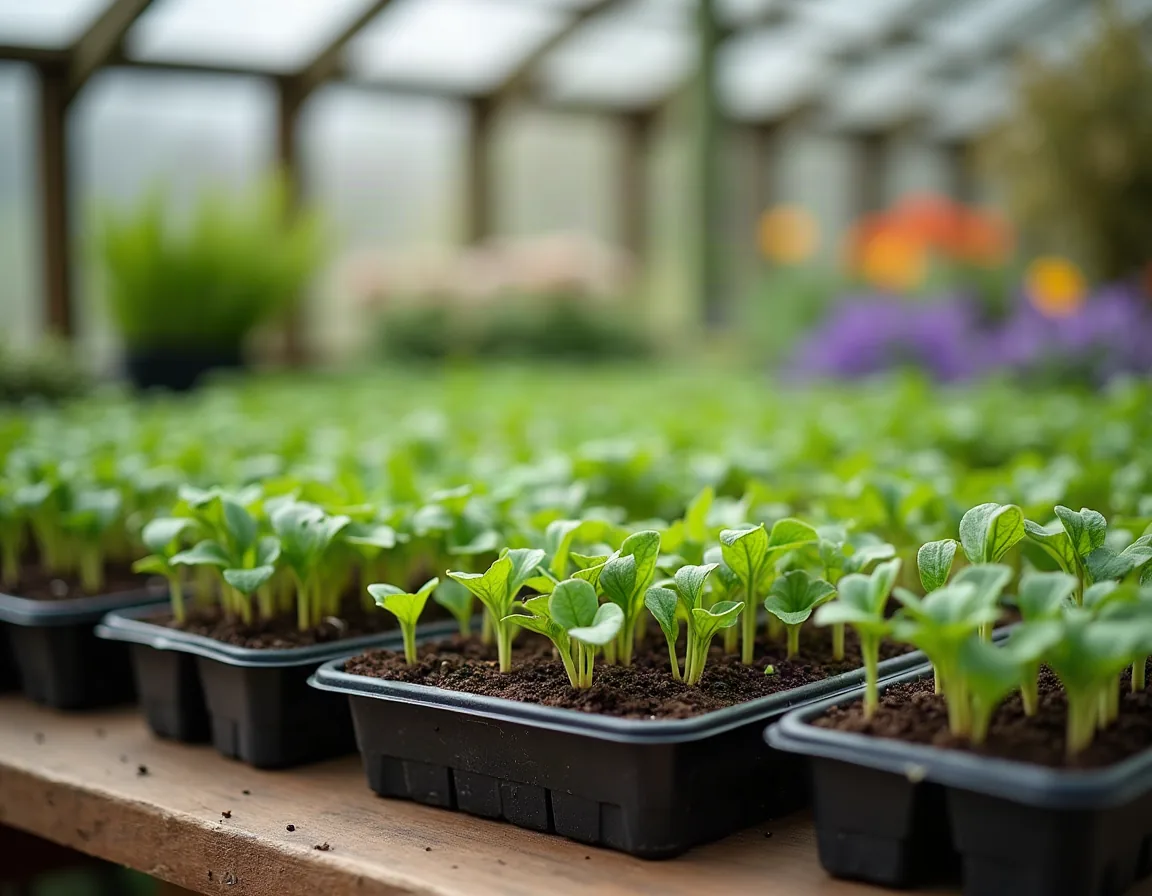
A cutting patch is not a border. It is a small working plot you grow purely to raid, so your beds stay full while the house gets filled with flowers. Almost everything here is grown from seed, so if you are new to that start with growing flowers from seed and come back for the picking and conditioning.
| Cutting patch | |
|---|---|
| Where | A dedicated patch, sown or planted in rows for picking, not a display border |
| Site | Fertile, weed-free soil in full sun; sheltered, not a windy site or frost pocket |
| Feed | One or two bucketfuls of organic matter per sq m each year; mulch 5 to 7.5cm (2 to 3in) deep |
| Pick | In the morning, when stems are full of water; the more you pick, the more they flower |
| Support | A horizontal layer of netting on canes, raised as the plants grow |
| Season | Bulbs from late winter, annuals through summer, cosmos and dahlias until the first frosts |
Setting up a cutting patch
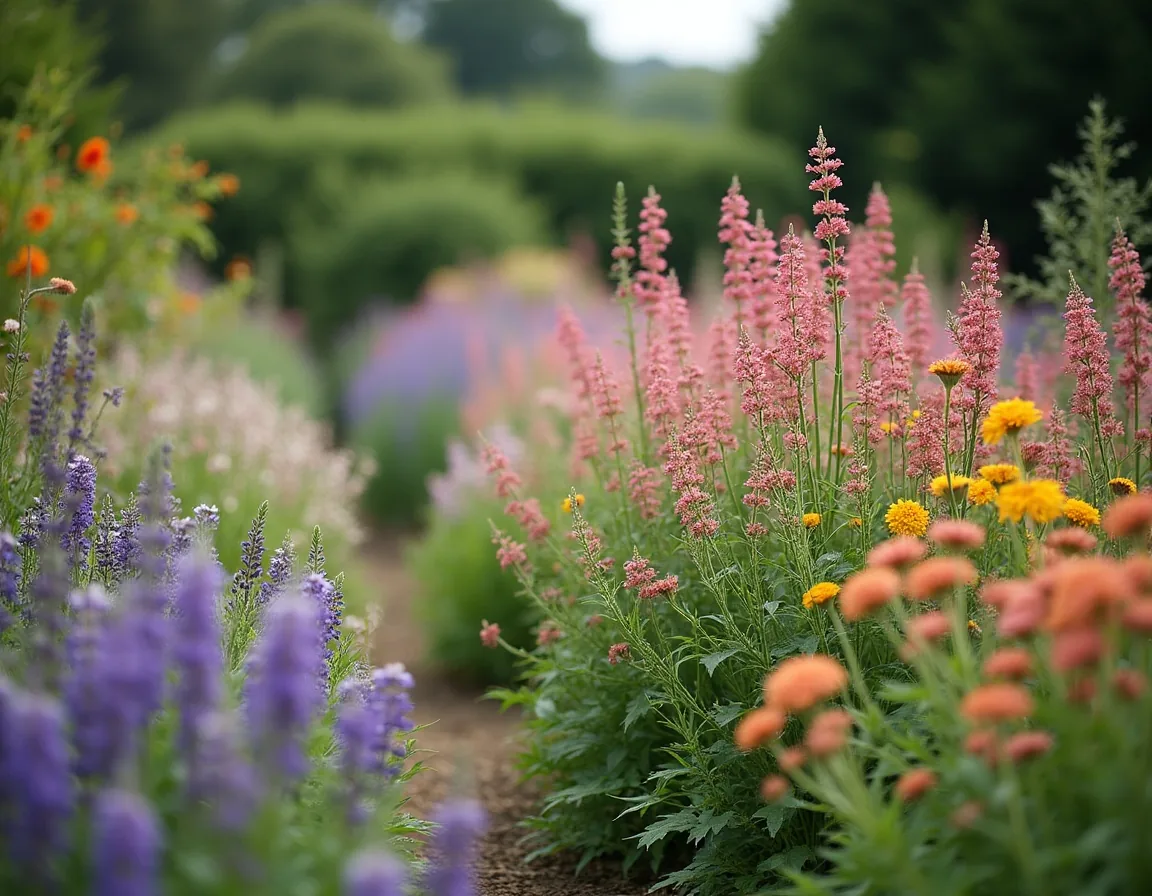
The RHS advice is clear: if space allows, dedicate part of the garden to growing just cut flowers. It keeps you from stripping your borders bare, and a planned patch is far more productive per square metre than picking from here and there.
- Grow in rows, not clumps. Rows make weeding, staking and picking much easier, so leave yourself a path to walk and reach between them.
- Pick a sunny, sheltered spot. Most cut flowers are sun-lovers. Avoid windy sites and frost pockets, as wind flattens tall stems and makes robust staking essential.
- Feed the soil. Cut flowers are hungry. Work in a bucket or two of organic matter per square metre each year, and mulch 5 to 7.5cm (2 to 3in) deep with weed-free composted manure or bark to hold moisture and keep weeds down.
You do not need much room. A couple of short rows will keep a jug on the kitchen table going for months once the plants get into their stride.
The best flowers to grow for cutting
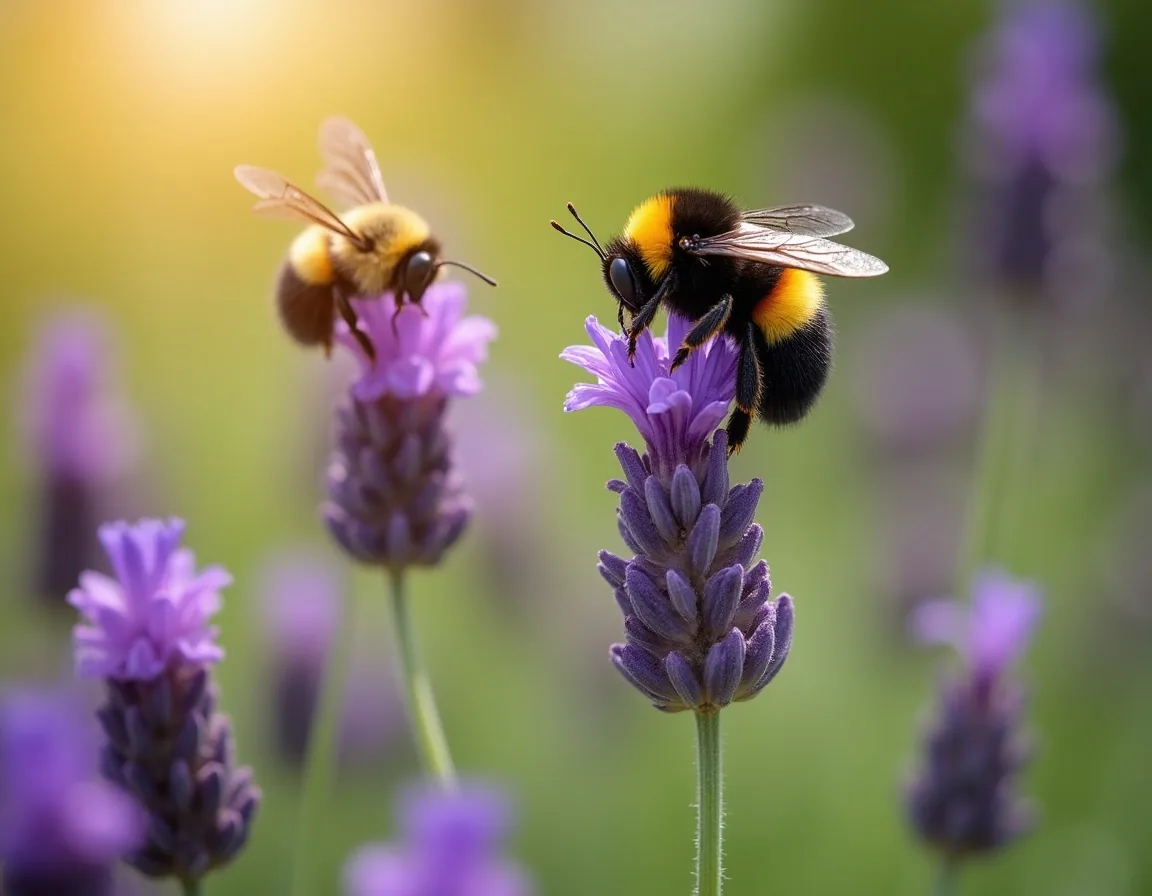
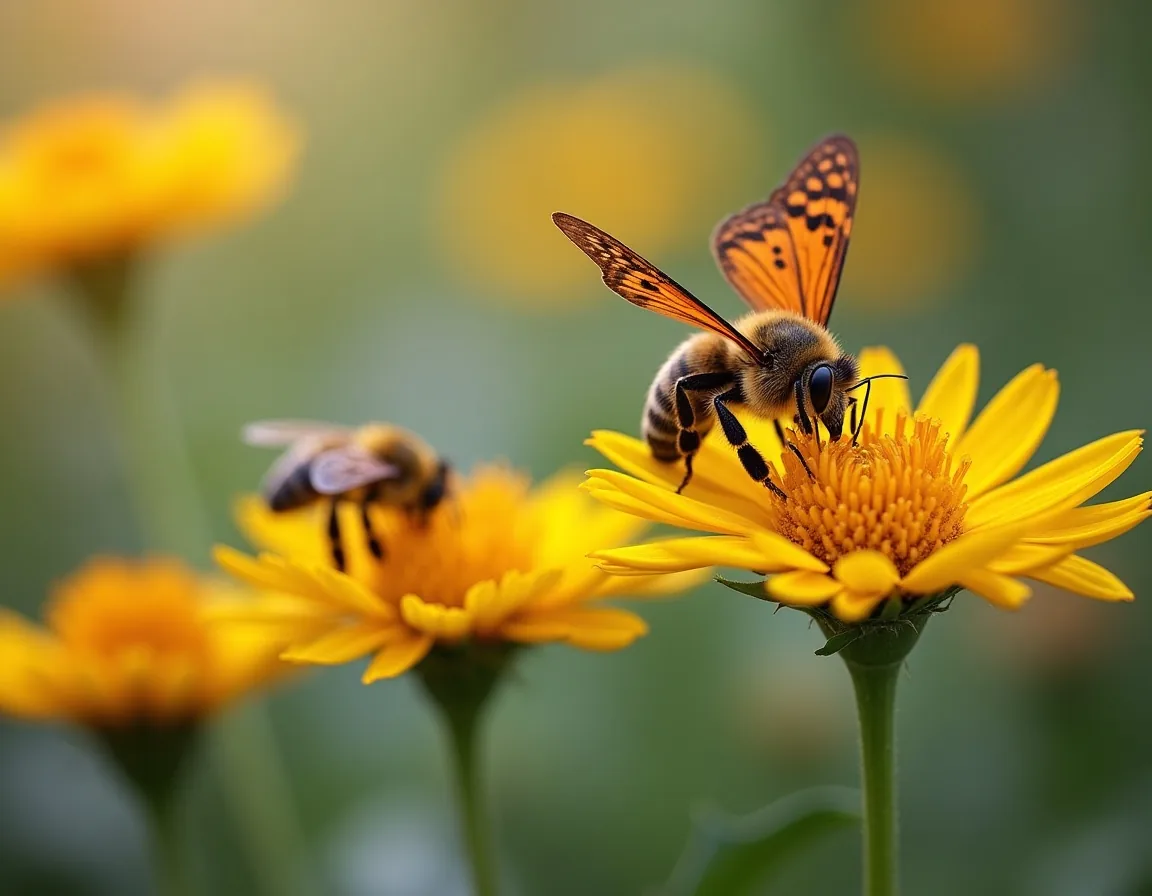
The workhorses of a cutting patch are the annuals you can pick over and over, backed up by a few bulbs and tubers to stretch the season at each end. Cosmos, zinnias and dahlias in particular flower right up to the first frosts and actively benefit from being cut. Many of these are single, open-centred flowers, which means they double as pollinator plants: bees can reach the nectar in a single cosmos or cornflower, where a blowsy double shuts them out.
| Flower | Type | Notes |
|---|---|---|
| Sweet peas (Lathyrus odoratus) | Hardy annual climber | Very fragrant; the more you pick, the longer they flower. Sow autumn to spring for blooms from May to August. Needs netting or canes to climb. |
| Cosmos | Half-hardy annual | Single daisy forms are perfect for cutting and feed pollinators. Cut regularly and it flowers until the first frosts. 'Rubenza' is short and needs no staking. |
| Cornflower (Centaurea cyanus) | Hardy annual | Blue, white or maroon. Sow several times through spring for a long run; taller types make the best cut flowers. |
| Calendula (pot marigold) | Hardy annual | Easy orange and yellow daisies. Open-centred, so good for bees; keep picking to keep it going. |
| Zinnia | Half-hardy annual | Bold, long-lasting stems that benefit from regular cutting and crop until the first frosts. |
| Ammi majus | Hardy annual | Airy white umbels, a florist's filler. Single flowers that pollinators can work. |
| Tulips and narcissi | Spring bulbs | Plant early, mid and late cultivars to stretch the picking season from late winter into spring. |
| Gladioli | Summer corms | Tall spires for high summer; plant in succession for a longer cutting window. |
| Dahlias | Tender tubers | Crop until the first frosts and flower all the more for being cut. A mainstay of late-summer bunches. |
For the earliest and latest flowers, lean on bulbs. Many start flowering in late winter or early spring, and planting early-, mid- and late-flowering cultivars of tulips and narcissi spreads the picking over weeks rather than days.
Why picking gives you more flowers
This is the part that surprises people. On a cutting patch, cutting is not a cost, it is the method. An annual flower exists to set seed, so every time you pick a bloom before it fades you stop that happening, and the plant answers by pushing out more buds. Leave the flowers on and the plant slows down and stops. Keep picking and it keeps going.
- Cut little and often. A sweet pea picked every few days will flower for months; left to run to seed it is over in weeks.
- Cut long and deep. Take a decent length of stem rather than snipping off the heads. It gives you something to arrange with and encourages longer new growth.
- Deadhead what you do not pick. Any bloom going over that you have not cut should come off too, for the same reason.
Staking and support
Floppy, kinked stems are no use in a vase, so support tall and climbing flowers from the start. The tidiest method for a patch is a horizontal layer of netting.
- For tall annuals such as cosmos, cornflowers and ammi, stretch a layer of wide-mesh pea or jute netting flat across the row on short canes. Set it low when the plants are small and lift it as they grow, so the stems come up straight through the holes.
- For climbers like sweet peas, give them wires, netting or a wigwam of canes to climb and tie in the stems as they go.
Conditioning stems so they last
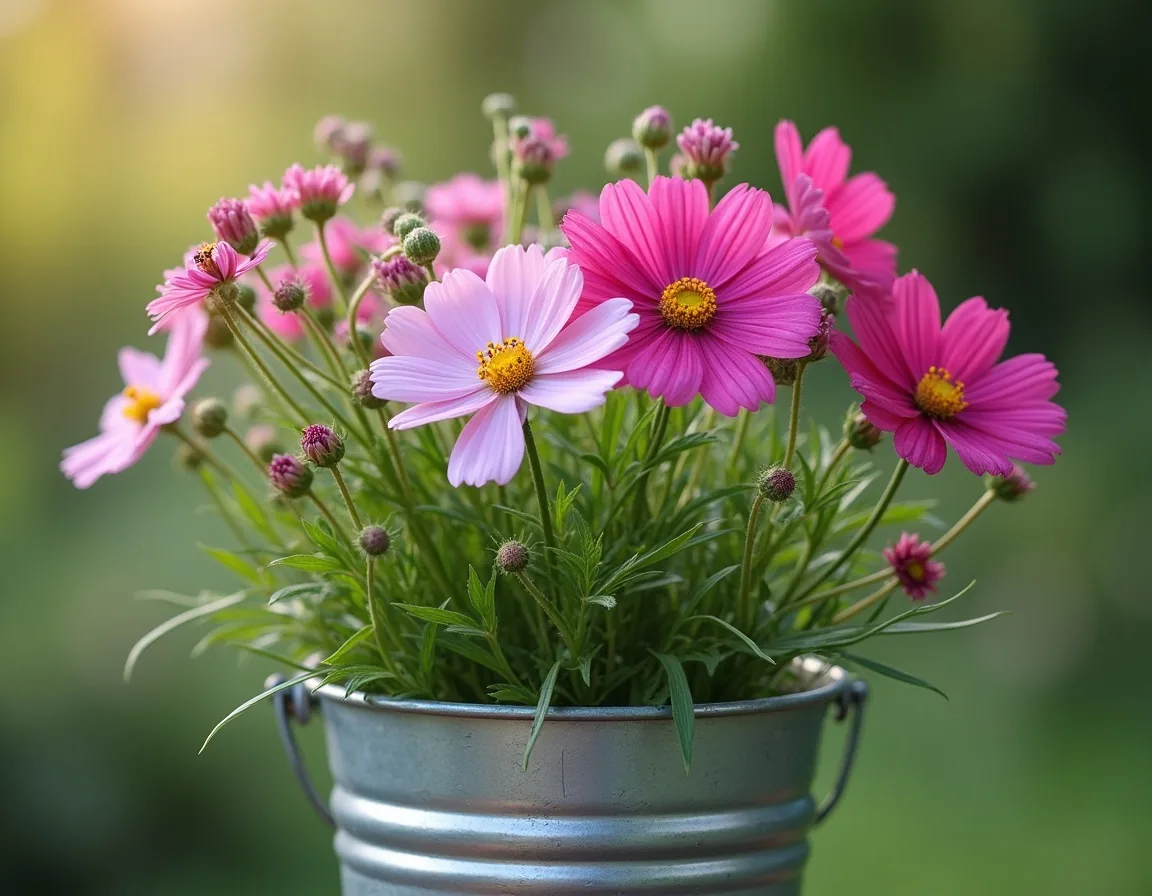
How long a cut flower lasts is decided in the first hour, not in the vase. Conditioning simply means getting water up the stem and giving it a long cool drink before it has to work in an arrangement. Follow these steps every time:
- Pick in the morning, when stems are full of water, and avoid warm, sunny spells; take a bucket of water to the patch and plunge stems in as you cut.
- Cut with a sharp knife or secateurs, making a clean, angled cut with no jagged edges that could rot.
- Strip the leaves from the bottom half to two-thirds of the stem, so no foliage sits below the water line.
- Stand the stems in clean, cool water in a cool place for at least two to three hours, or ideally overnight, before you arrange them.
- In the vase, change the water and re-cut the stem bases every two to four days, and add cut-flower food to clean water.
Sowing in succession for a long season
One big sowing gives you one big glut and then bare rows. The trick to flowers from late spring to the first frosts is succession: sow a short run every few weeks rather than everything at once.
- Sweet peas: sow in succession from autumn to spring for flowers from May through to August.
- Cornflowers and other hardy annuals: several sowings through spring keep the flowers coming all summer.
- Bulbs and tubers: mix early, mid and late tulips and narcissi, and let dahlias and cosmos carry the patch into autumn until the frosts stop them.
The how-to of actually sowing the seed, hardening off and planting out lives in our guide to growing flowers from seed. Keep that running alongside your picking and the patch never has a gap.
Frequently asked questions
What are the easiest cut flowers to grow for beginners?
Hardy annuals sown straight from seed are the easiest start: cornflowers, calendula, cosmos and ammi all crop heavily with little fuss. Sweet peas are worth the slightly extra effort for the scent. Add a few dahlias and some tulip and narcissi bulbs and you have flowers from late winter to the first frosts.
Does picking flowers make a plant produce more?
Yes. Cut-and-come-again annuals like sweet peas, cosmos and cornflowers flower to set seed, so cutting the blooms before they fade stops that and pushes the plant to make more buds. The more regularly you pick, the longer and more freely they flower. Leave them to run to seed and they slow down and stop.
What is the best time of day to cut flowers?
Pick in the cool of the morning, when the stems are fully turgid and full of water, and avoid warm, sunny spells when plants are losing moisture. Take a bucket of water out with you and plunge the stems in as you cut.
How do I condition cut flowers so they last longer?
Cut cleanly at an angle with a sharp knife or secateurs, strip the leaves from the lower half to two-thirds of the stem so none sit below the water line, then stand the stems in clean, cool water in a cool place for at least two to three hours or ideally overnight before arranging. In the vase, change the water and re-cut the stem bases every two to four days.
How big does a cutting patch need to be?
Not big at all. A couple of short rows is enough to keep a jug on the table going through the season, because cut-and-come-again annuals produce far more stems the more you pick them. Growing in rows rather than a border just makes weeding, staking and picking easier.
How we checked this2 sourcesView sourcesHide
Our guides draw on expert bodies like the RHS and Garden Organic, plus experienced growers, read at source. We check every guide against those sources on the date shown, and where advice differs between them, we say so. Garden Plans is published by Limely.
- AuthorityCut flowers: growing and conditioning, Royal Horticultural Society. Checked 26 Oct 2026.
- AuthorityCut flowers to grow from seed, Gardeners' World. Checked 26 Oct 2026.